Nagoya is a captivating city where samurai-era heritage seamlessly intertwines with cutting-edge industrial innovation. Situated in the heart of central Japan, it is often overshadowed by the bright lights of Tokyo or the historic allure of Kyoto, yet the city rewards the curious traveler with a wealth of grand castles, sacred shrines, and world-class museums. Its cultural identity is further enriched by “Nagoya-meshi,” a distinctive local cuisine celebrated for bold, savory flavors such as miso-katsu and hitsumabushi. By harmonizing a rich legacy of craftsmanship and tradition with a forward-looking, innovative spirit, Nagoya emerges as one of Japan’s most authentic, characterful, and multifaceted urban destinations.
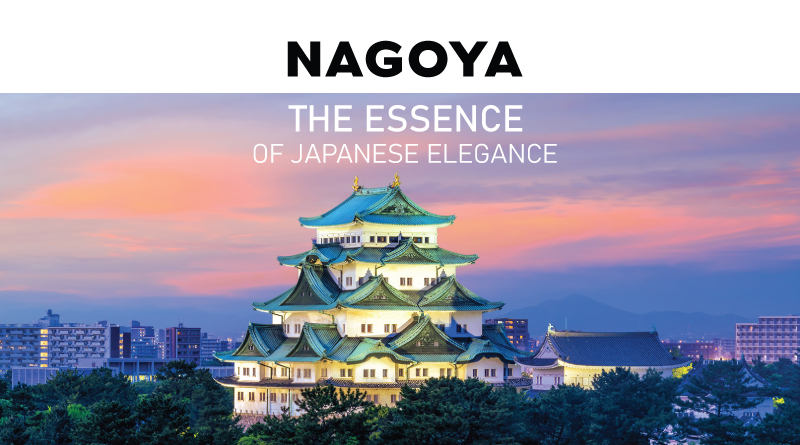
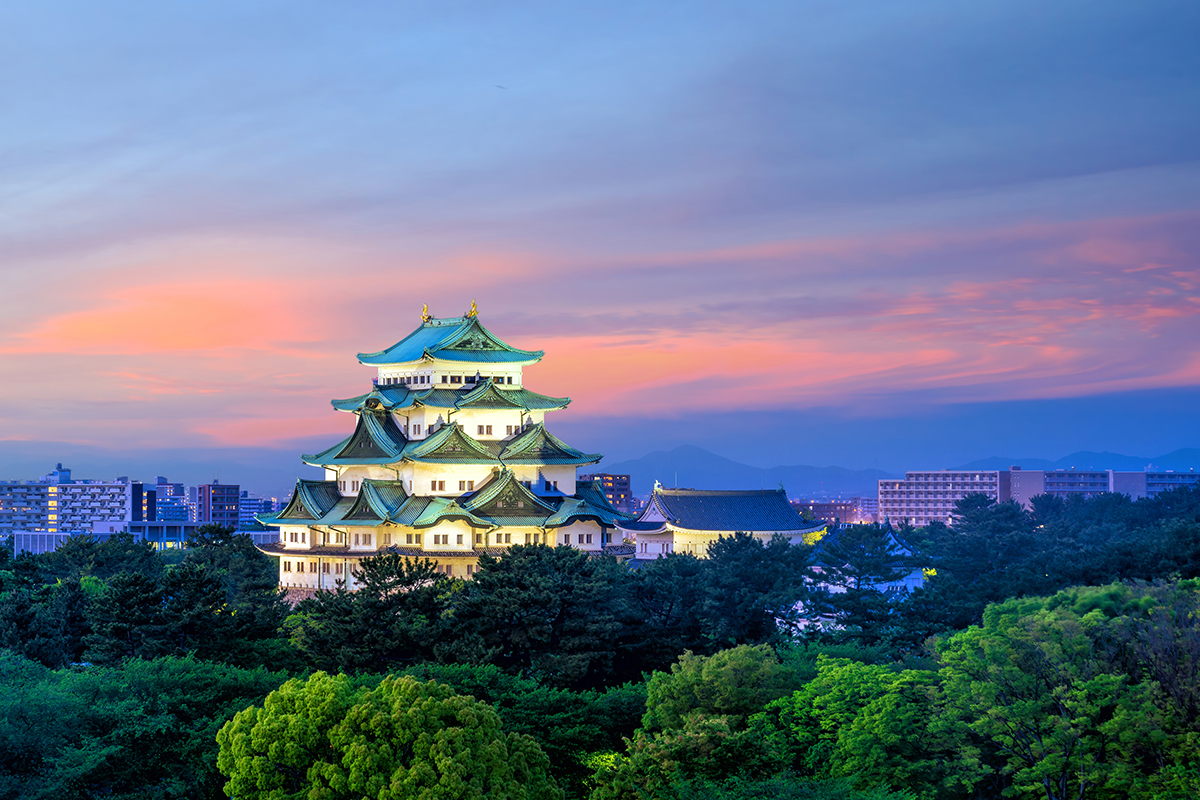
At the symbolic center of the city stands Nagoya Castle, originally built in the early 17th century by the Tokugawa shogunate. The castle’s imposing architecture and golden shachihoko ornaments crowning the roof have long been an icon of Nagoya. Surrounded by serene gardens and historic gates, the complex offers visitors a glimpse into samurai-era Japan while also showcasing beautifully reconstructed palace interiors adorned with intricate sliding-door paintings and delicate craftsmanship.
Best Timing: To see Nagoya Castle at its most atmospheric, aim for early morning or late afternoon when the golden shachihoko (tiger-fish) ornaments on the roof catch the sunlight. If you visit in spring, the surrounding Meijo Park is one of the city’s premier cherry blossom spots.
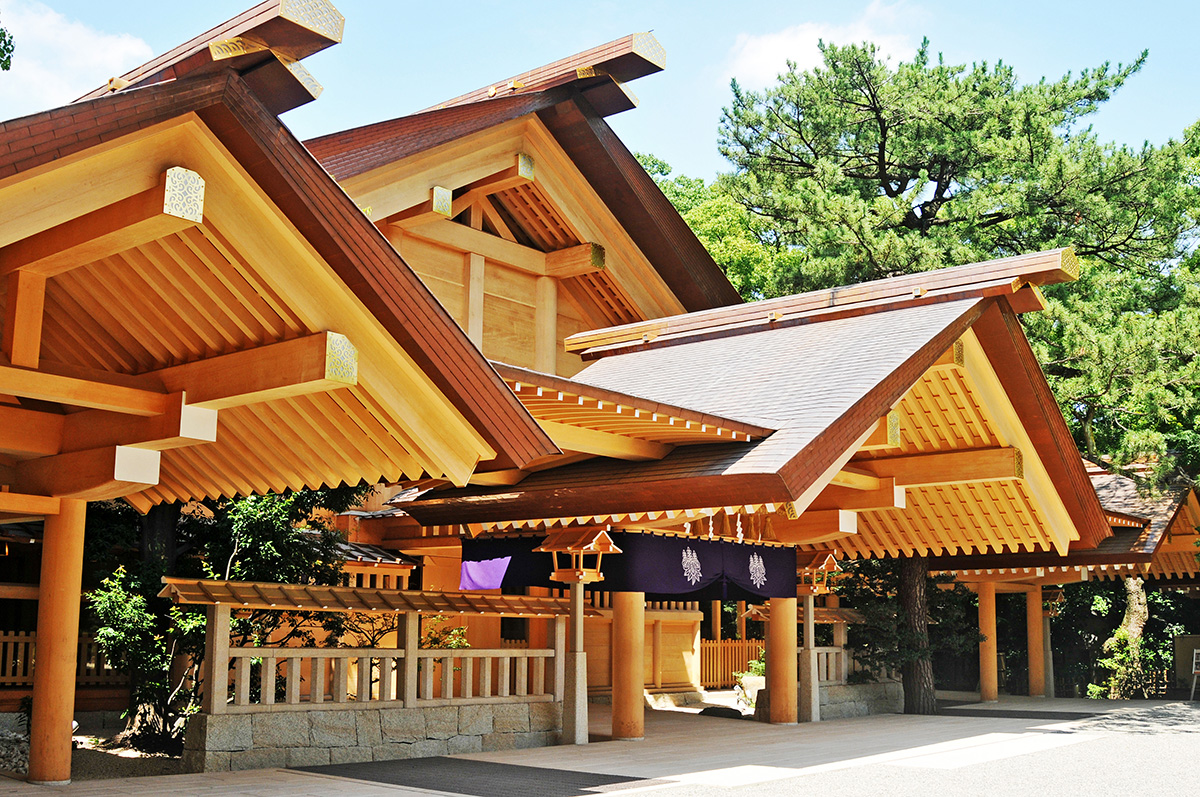
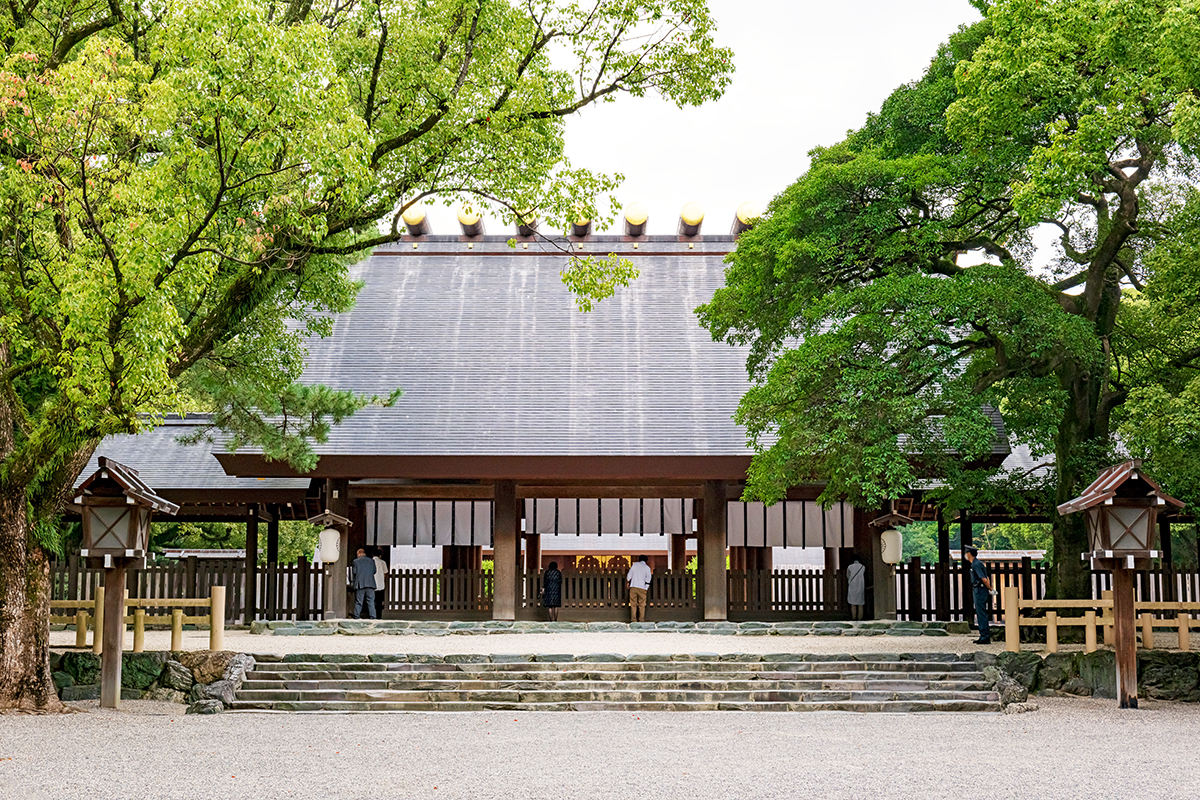
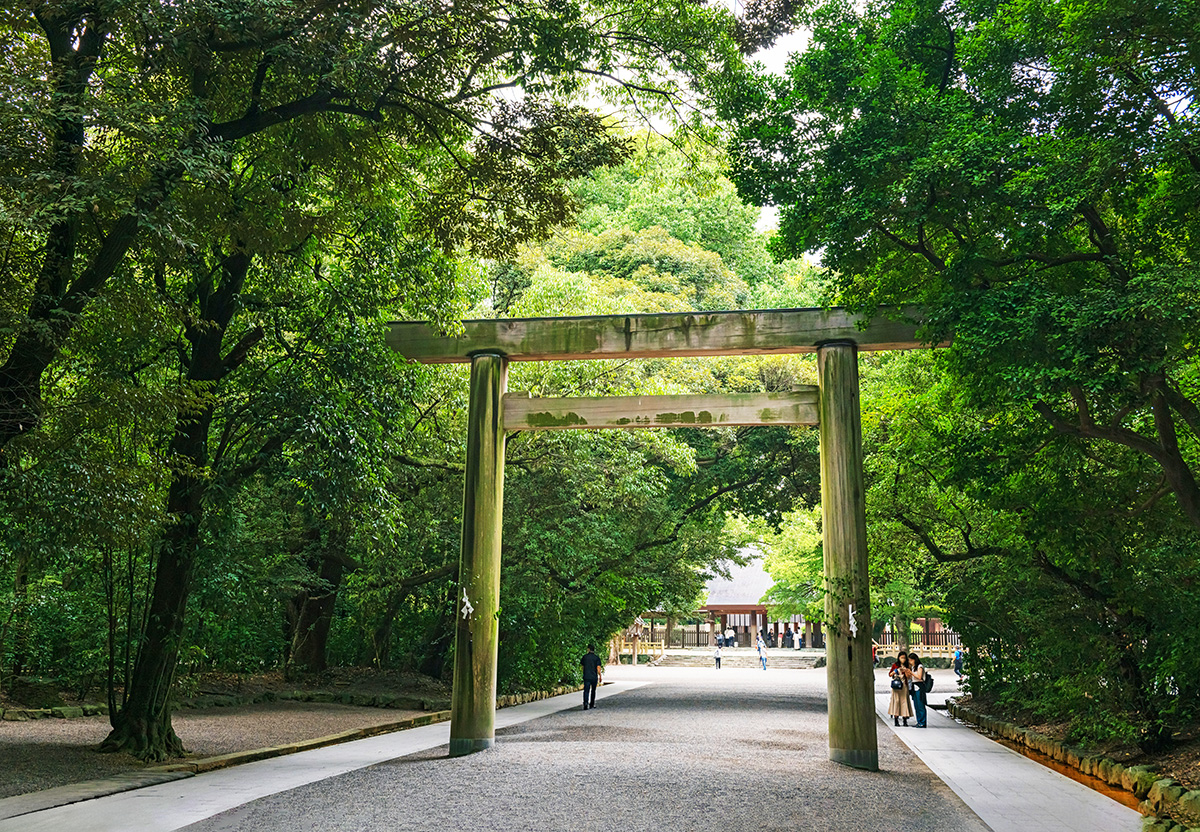
A short distance away stands Atsuta Shrine, one of Japan’s most revered Shinto sanctuaries. With a history spanning nearly two millennia, it is believed to house the sacred sword Kusanagi-no-Tsurugi, one of the Imperial Regalia of Japan. Nestled within a tranquil, forested precinct, the shrine provides a serene retreat from the bustling city. Walking along its shaded pathways, visitors encounter a sense of timeless spirituality, while vermilion gates, ancient wooden structures, and seasonal greenery create a harmonious blend of nature and tradition. This enduring sanctuary continues to draw millions of pilgrims and travelers each year, offering a glimpse into Japan’s profound cultural and religious heritage.
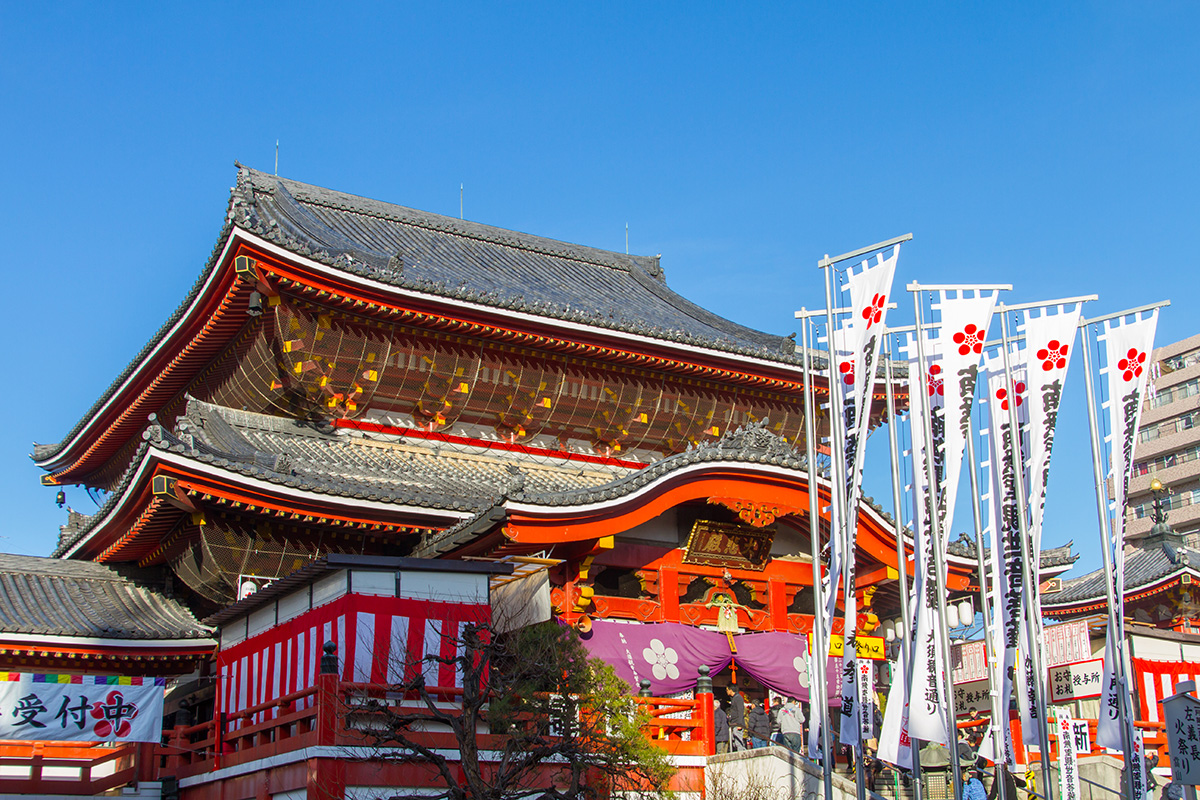
Adding a vibrant cultural dimension to Nagoya’s spiritual landscape is Osu Kannon Temple, a historic Buddhist temple originally constructed in the 14th century and later relocated to its current site in the 17th century. Famous for its striking red entrance gate and the Kannon statue representing compassion, the temple draws both pilgrims and tourists alike. Surrounding the temple is the Osu Shopping District, a lively maze of narrow streets filled with boutique shops, antique stores, and local eateries, where visitors can experience the dynamic fusion of religion, commerce, and modern urban life.
Few places capture Nagoya’s spirit of innovation quite like the Toyota Commemorative Museum of Industry and Technology. Established in 1994 on the site of the original red-brick textile factory founded by Sakichi Toyoda in 1926, the museum chronicles Toyota’s remarkable journey from textile loom production to global automotive leadership. Visitors can explore historic machinery, from early automatic looms that revolutionized Japan’s textile industry to the first experimental cars that laid the foundation for Toyota Motor Corporation. Interactive exhibits and live demonstrations allow guests to witness engineering principles in action, from precision manufacturing to advanced robotics. The museum not only celebrates technical ingenuity but also highlights the enduring philosophy of craftsmanship, continuous improvement (kaizen), and innovation that has shaped modern Japan and defined Toyota’s legacy.
Souvenirs: Nagoya is the capital of red miso (aka-miso). It has a much stronger, saltier profile than the white miso found in Tokyo. Look for miso-based sauces in local markets to recreate the “Miso-katsu” flavor at home.
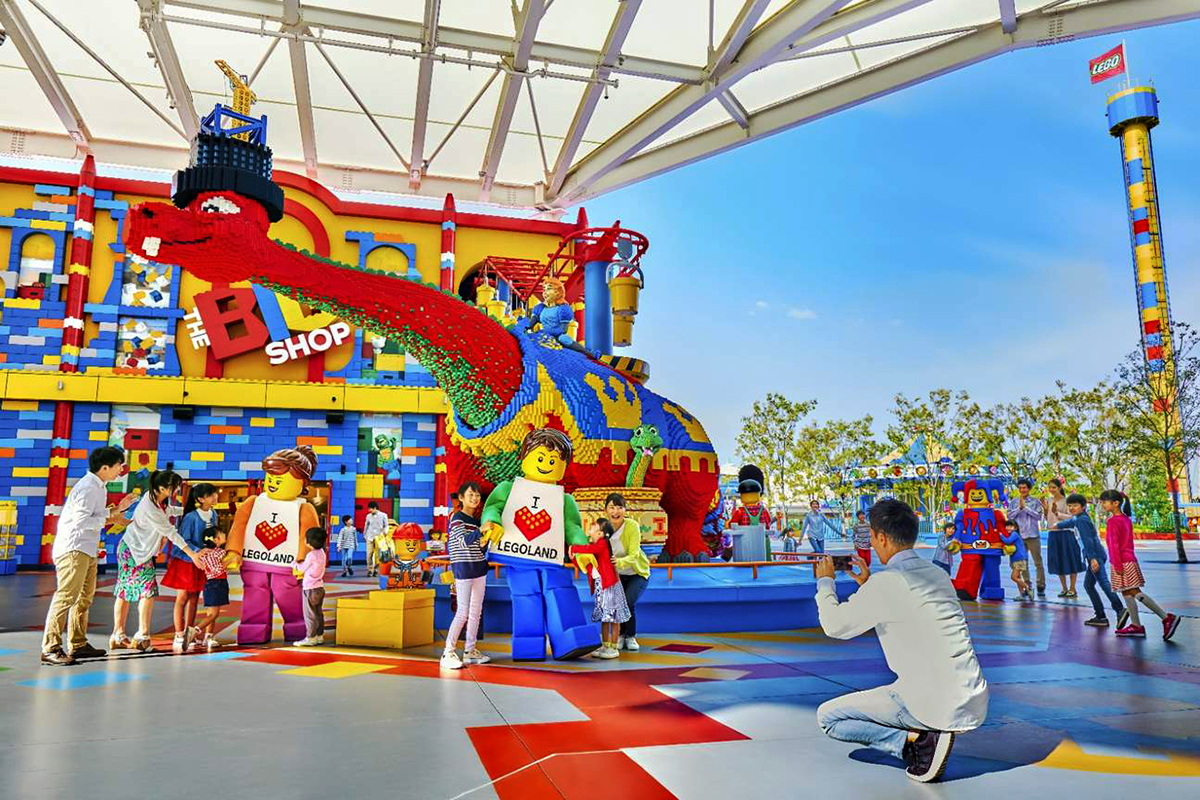
Families traveling with children will find endless fun at LEGOLAND Japan Resort, a vibrant theme park dedicated to the beloved building blocks. With rides, creative workshops, and elaborate miniature cityscapes constructed from millions of LEGO bricks, the park offers a playful journey through imagination and design. Adjacent attractions such as SEA LIFE Nagoya add an educational twist, inviting visitors to explore marine ecosystems through interactive aquariums and immersive displays.
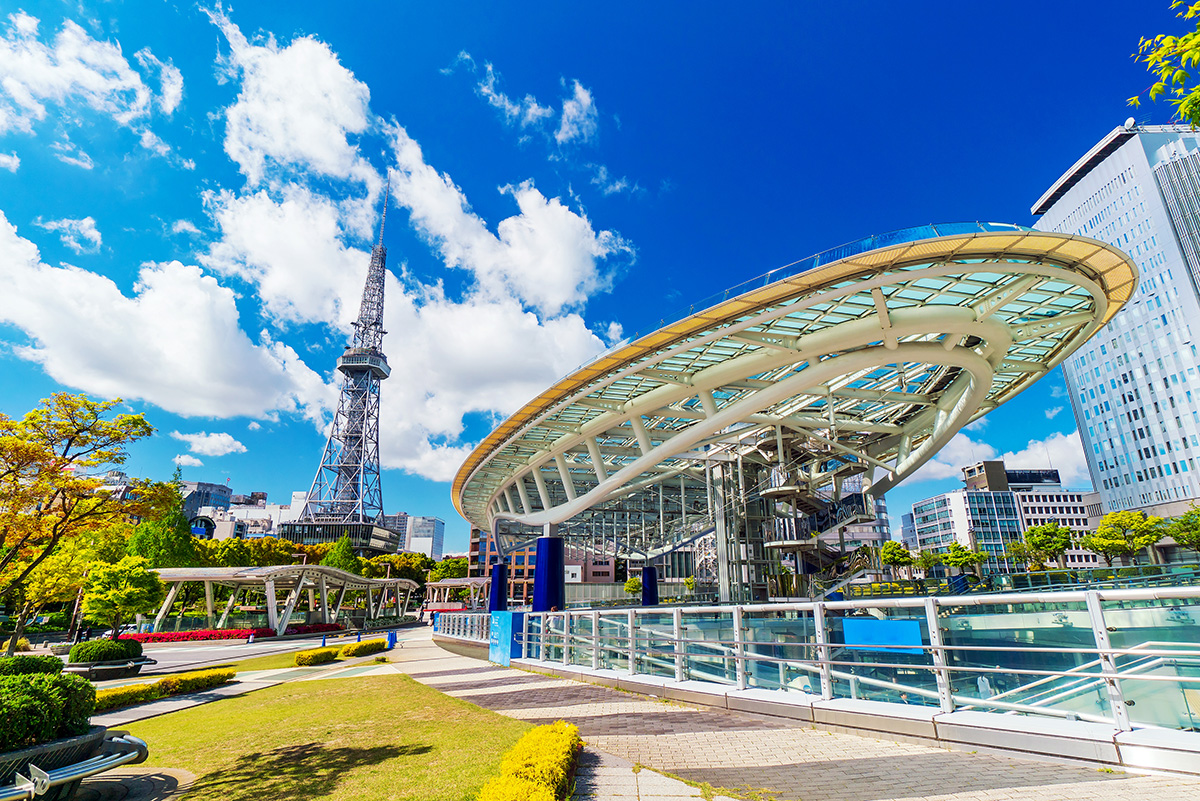
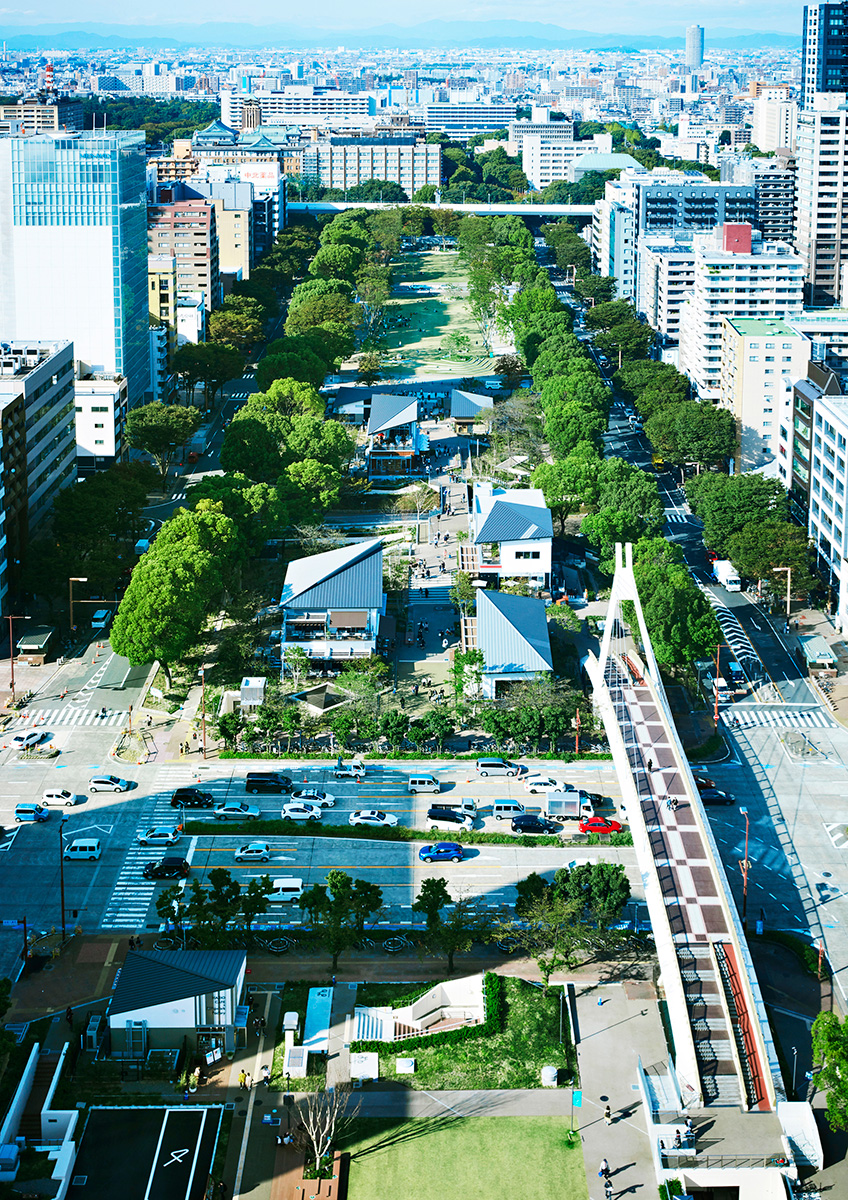
Adding a modern touch to Nagoya’s skyline, Chubu Electric Power MIRAI TOWER (formerly known as Nagoya TV Tower) offers panoramic views of the city from its observation decks. Standing at 180 meters in height in the bustling Hisaya Odori Park, the tower combines iconic architecture with interactive exhibits about energy and sustainability. Evening visits are particularly spectacular, as the city lights shimmer below and seasonal illuminations transform the tower into a glowing beacon—making it a perfect spot for photography or a romantic stroll.
Onsen Gastronomy
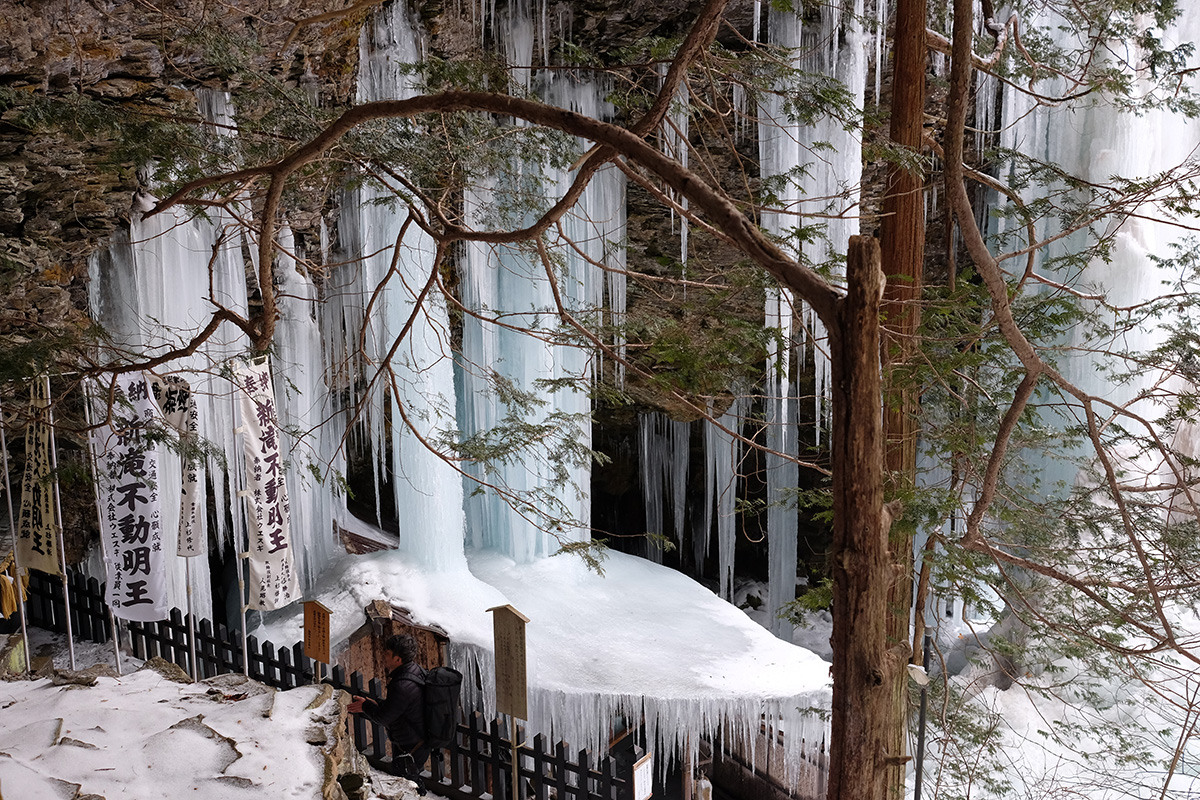
Deep in the southern reaches of Nagano, this five-day journey through the Kiso Valley and the high-altitude Kaida Plateau offers a profound immersion into Japan’s rugged interior.
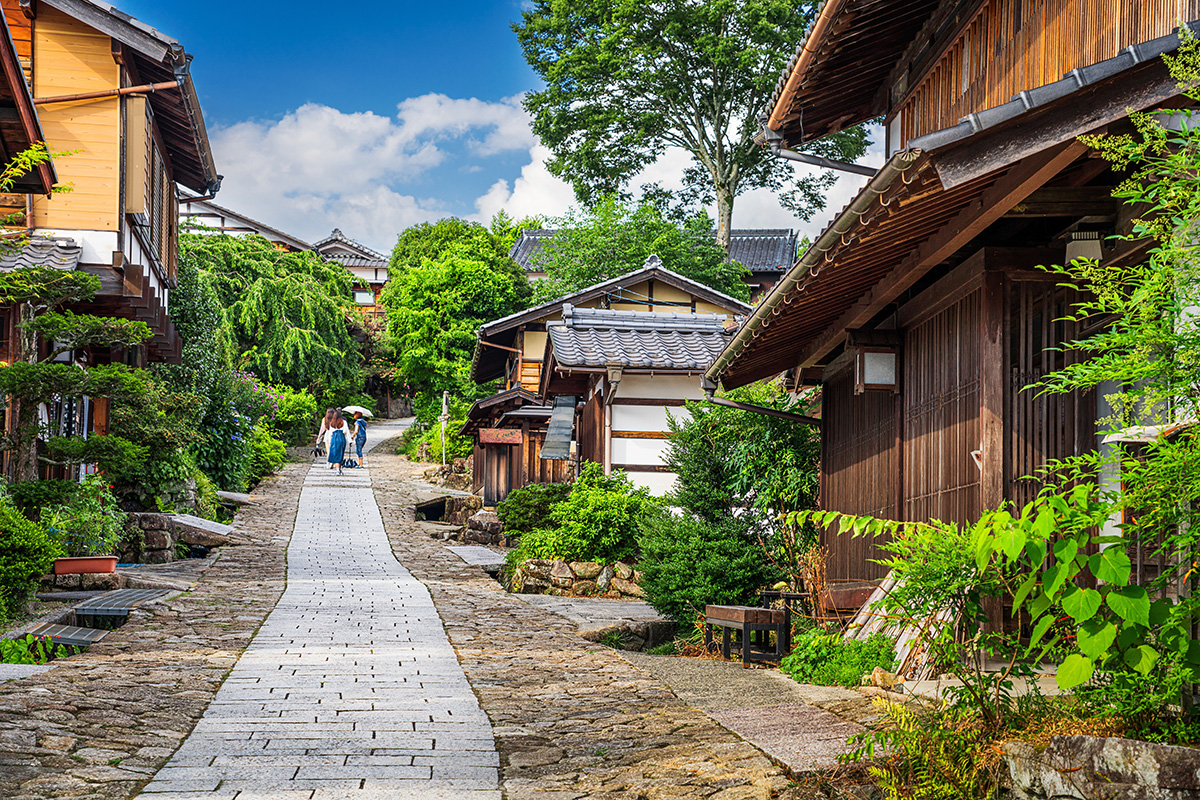
The trail winds through ancient, shadowed forests and sun-drenched highlands, all set against the dramatic silhouette of Ontake-san, a sacred volcano and a spiritual pillar of the region. Travelers walk the preserved cobblestones of the Nakasendo Way, tracing the same historic footsteps as the feudal lords and merchants of the Edo period. Between the moss-covered ruins and the dark-timbered architecture of traditional post towns, the path provides a rare, meditative connection to Japan’s rural heritage and the enduring power of its mountain landscapes.
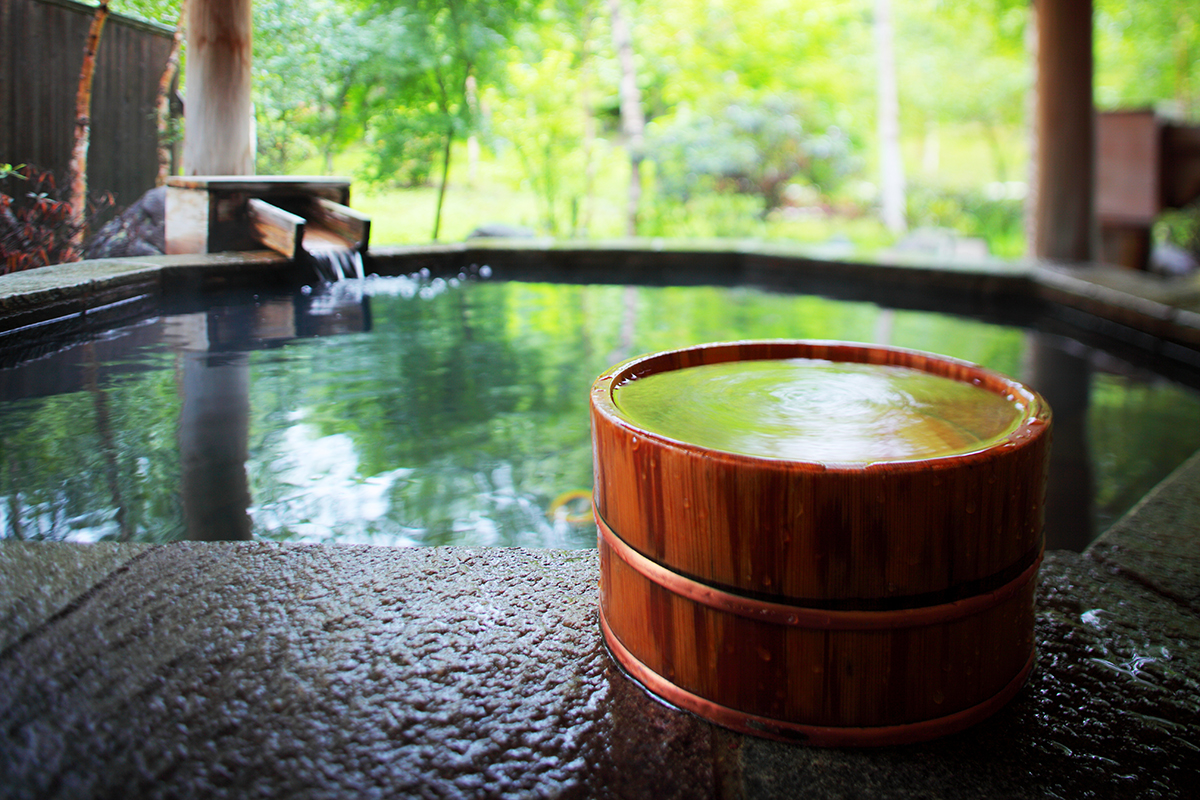
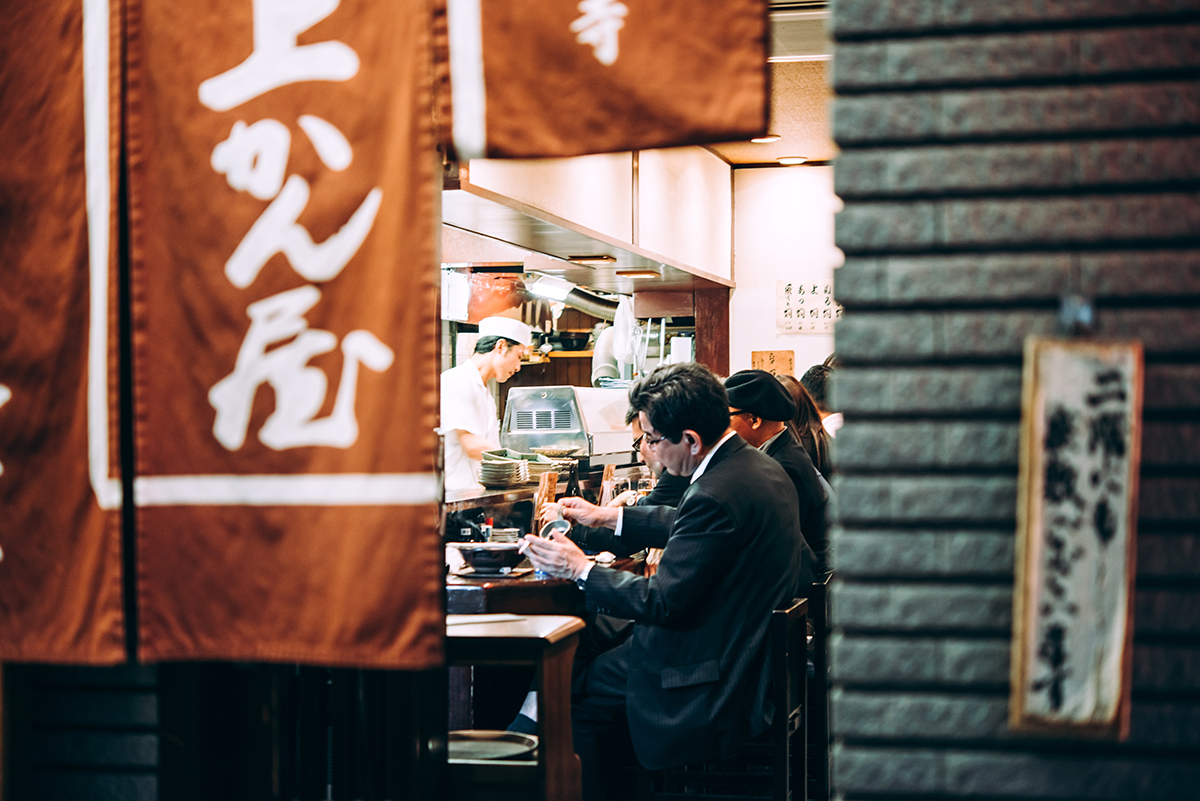
The expedition is anchored by the “Onsen Gastronomy” philosophy, where the physical demands of the trail are met with the luxurious refinement of modern ryokan hospitality. Each evening, the journey transitions into a sensory celebration of the earth, featuring restorative soaks in mineral-rich onsen hot springs that draw their warmth from the volcanic activity of the region. This rejuvenation is followed by elaborate, multi-course feasts that highlight the Kaida Plateau’s seasonal bounty—ranging from hand-kneaded buckwheat soba and delicate mountain vegetables to succulent local wagyu. It is a holistic experience where the tranquility of the Japanese Alps, the ritual of the bath, and the artistry of highland cuisine converge into a singular, unforgettable narrative.
Onsen Etiquette: In the modern ryokans of the Kaida Plateau, remember to wash thoroughly at the shower stations before entering the communal hot spring baths. Most traditional inns still have a “no-tattoo” policy, though many now provide waterproof stickers to cover smaller ink pieces.
Nagoya’s Signature Flavors
No visit to Nagoya is complete without indulging in its bold and distinctive regional cuisine, affectionately known as “Nagoya-meshi.”
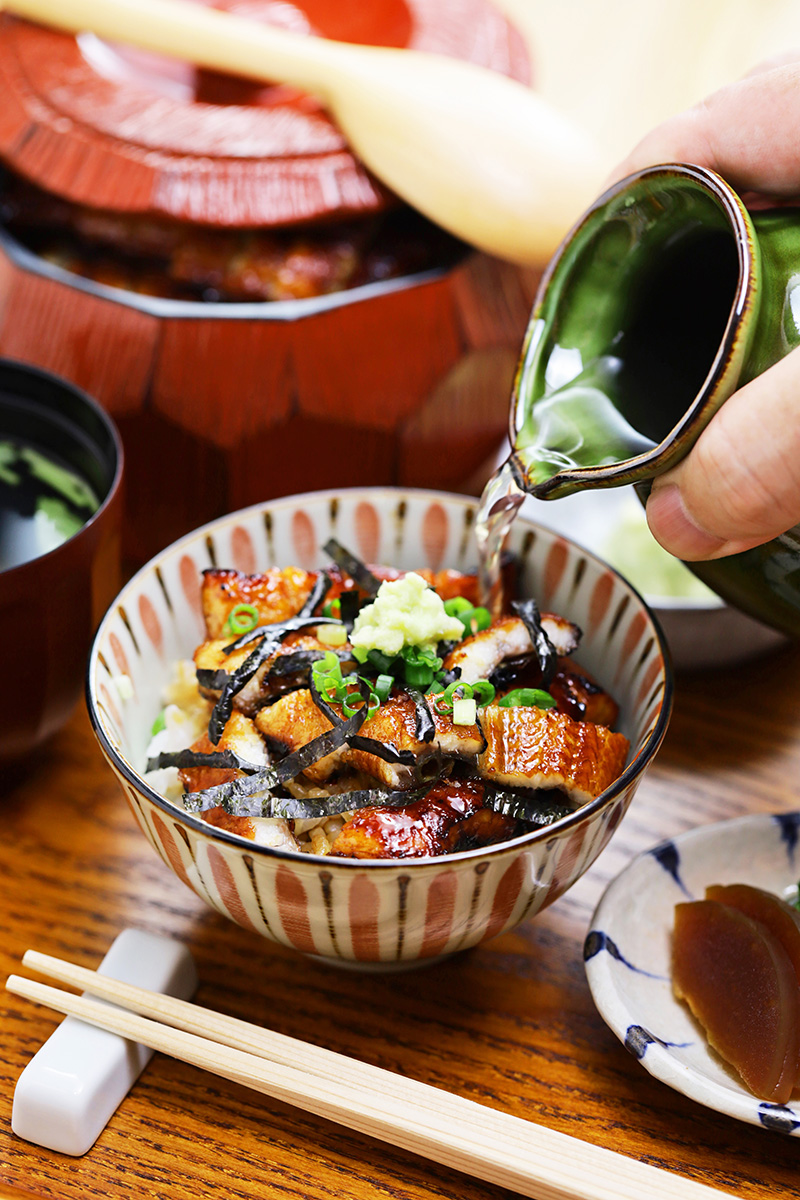
At the top of the list is Hitsumabushi, a meticulously prepared grilled eel dish served over steaming white rice. The experience is as much about the method of eating as the flavors: first, savor a portion on its own to appreciate the smoky, caramelized glaze; next, add finely chopped condiments such as wasabi, green onions, and nori for a burst of freshness; and finally, pour a fragrant dashi broth over the remaining portion, creating a comforting, savory soup that warms both body and soul.
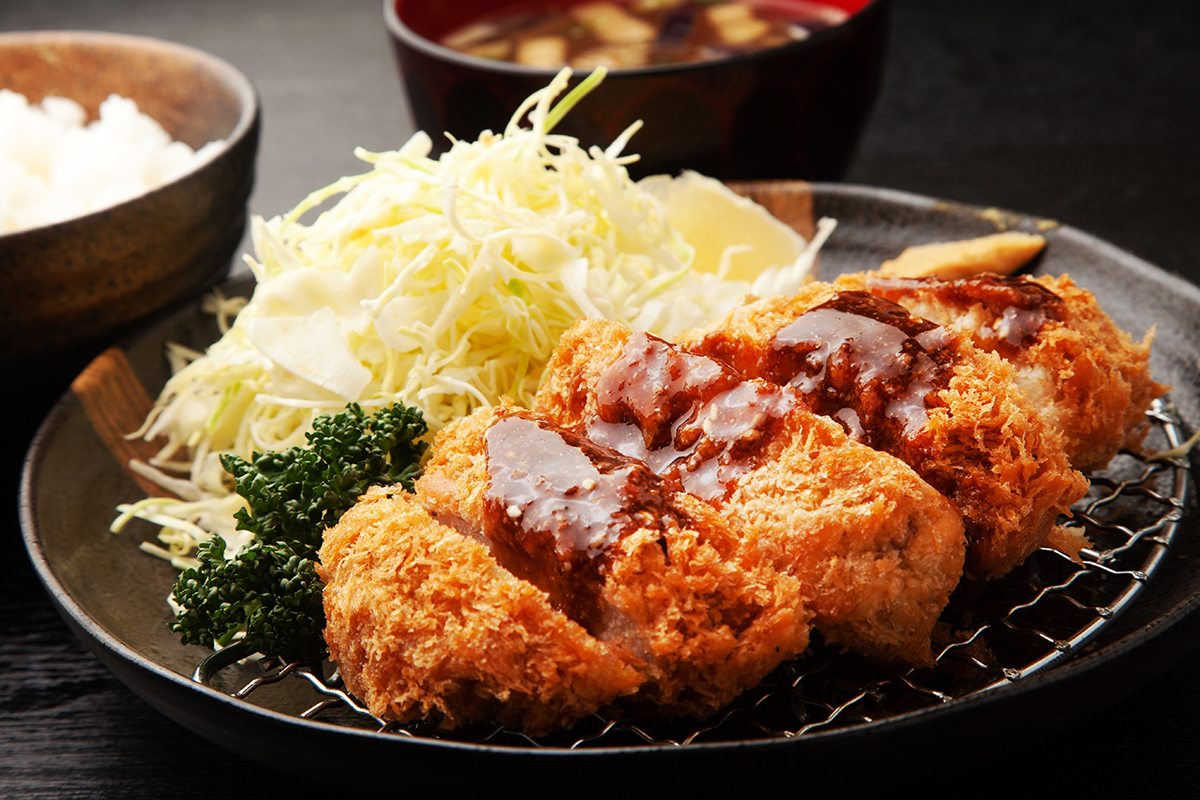
Another iconic Nagoya specialty is Miso Katsu, a deep-fried, golden pork cutlet generously slathered with red miso sauce unique to the region. Unlike the lighter tonkatsu found elsewhere in Japan, Nagoya’s version boasts a rich, earthy umami flavor with a hint of sweetness, perfectly balancing the crisp exterior and tender interior of the meat.
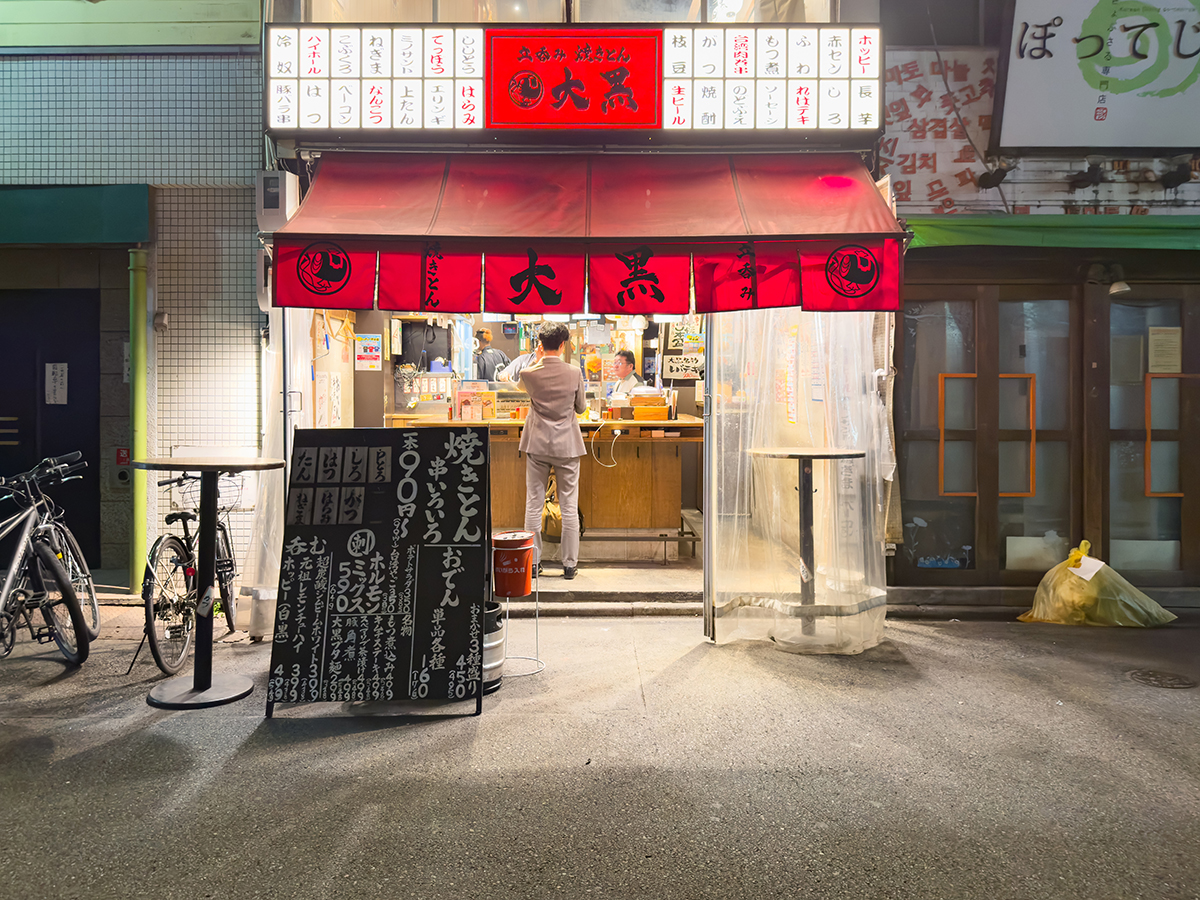
For something lighter yet irresistibly addictive, locals often turn to Tebasaki, Nagoya-style chicken wings. These are crispy, golden wings seasoned with a bold blend of soy sauce, black pepper, garlic, and sesame seeds, delivering a slightly sweet, savory, and subtly spicy flavor that pairs beautifully with cold beer. Enjoyed in lively izakaya and casual eateries, Tebasaki is as much a social experience as a culinary one.
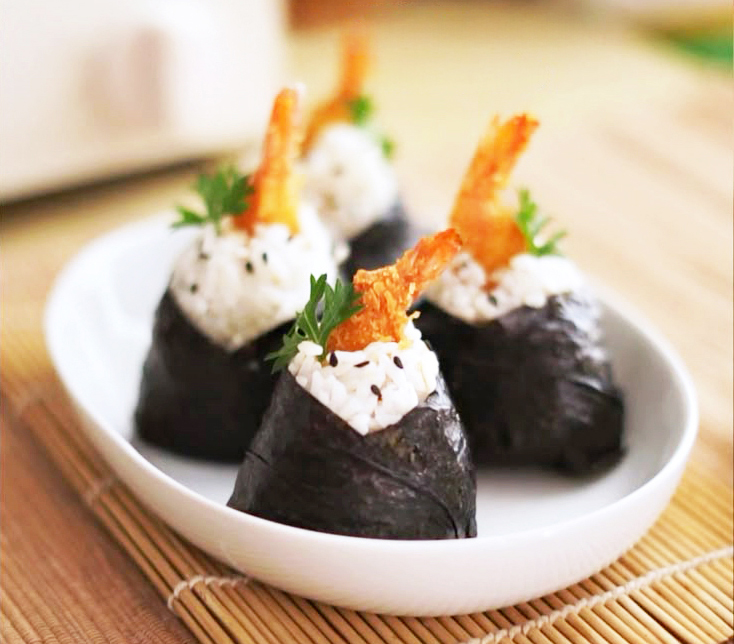
Other must-try treats include Tenmusu, a delicate rice ball wrapped around a tempura shrimp and Nagoya Cochin, a prized local chicken variety known for its firm texture and rich flavor, often served in hot pots or grilled skewers. Together, these dishes showcase Nagoya’s culinary creativity and its love for deep, layered flavors that linger in the memory long after the meal is finished.
Luxury Stays
The Tower Hotel Nagoya
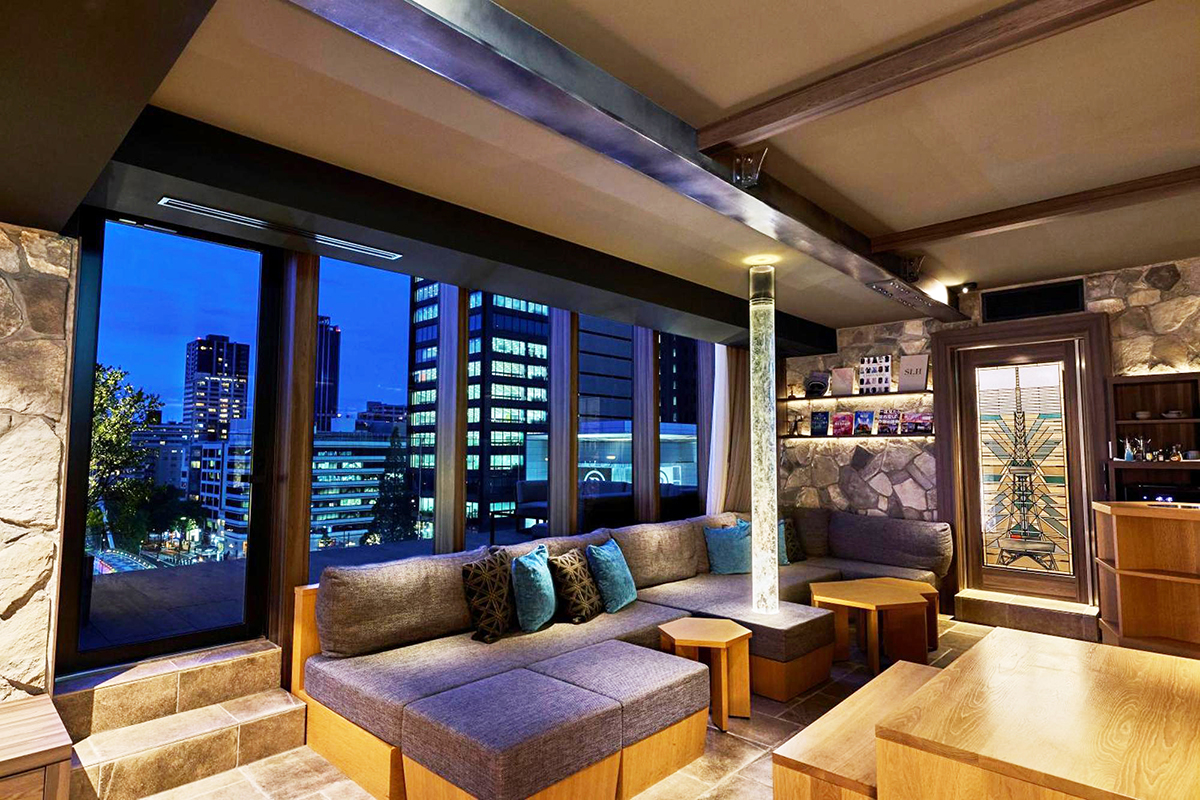
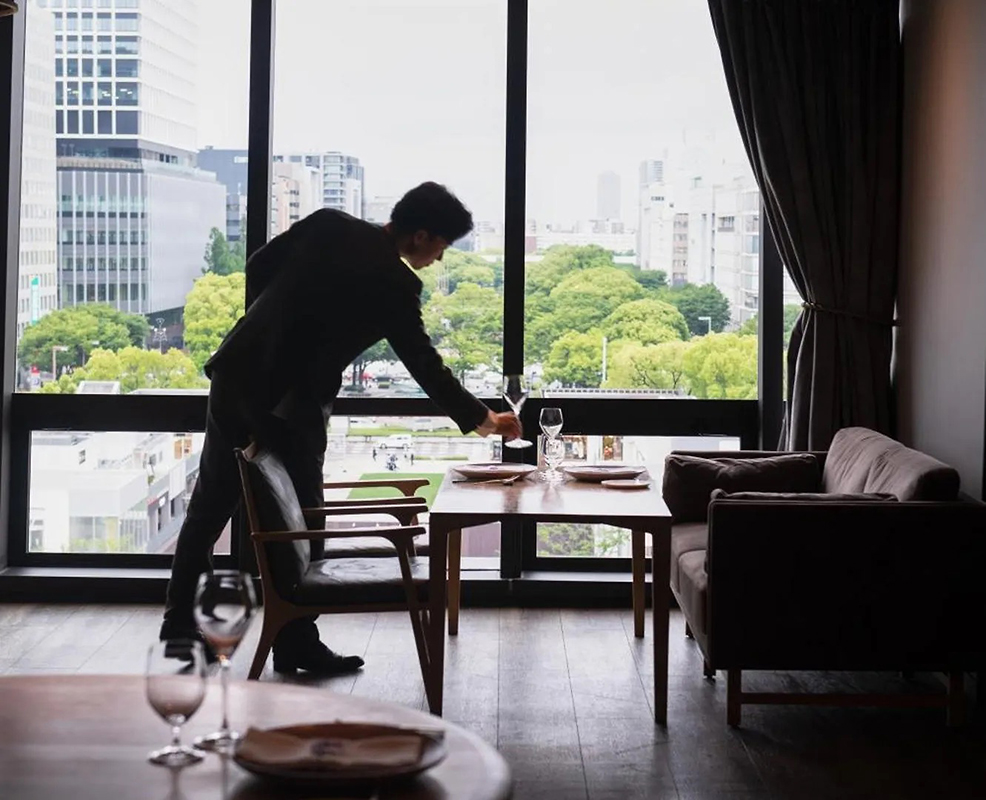
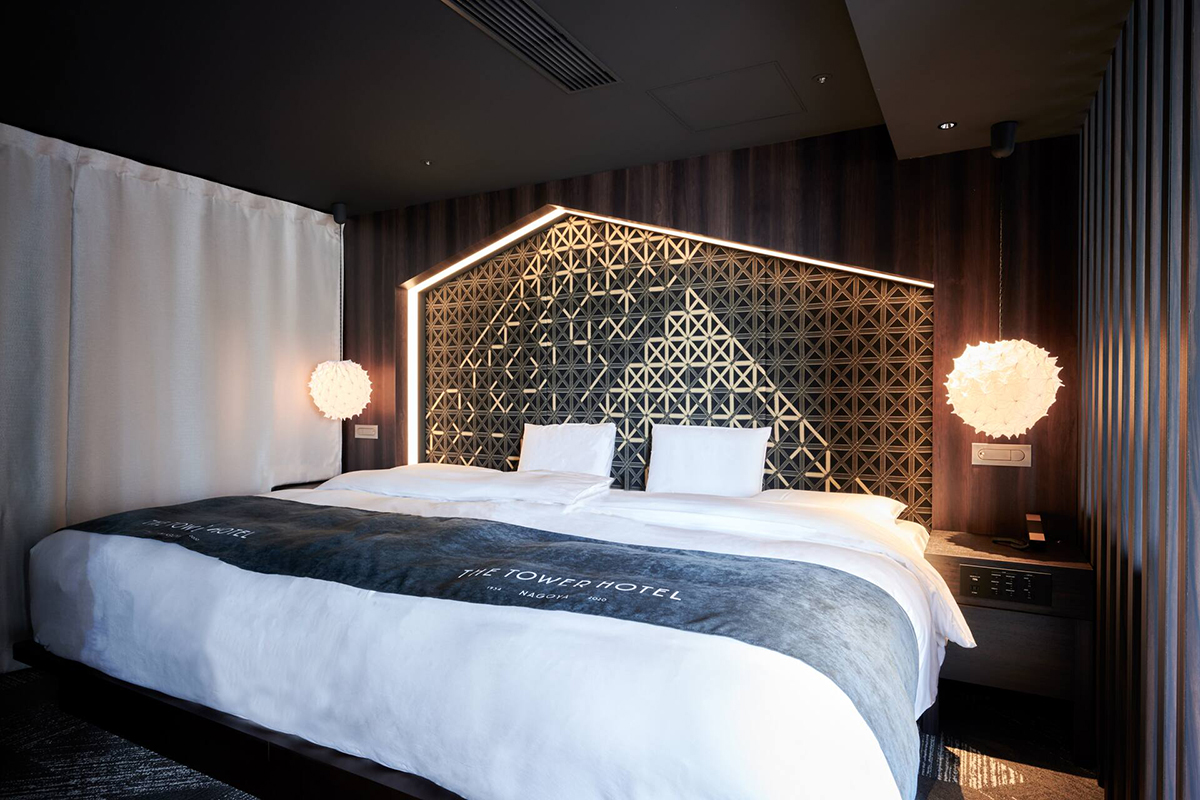
Set within the iconic Nagoya TV Tower, this boutique luxury hotel offers one of the most unique stays in the city. Each room is individually designed with contemporary art and refined Japanese aesthetics, while large windows frame sweeping views over Hisaya-odori Park. The hotel blends architectural heritage with modern creativity, making it a stylish retreat for travelers seeking an intimate and design-forward experience in the heart of Nagoya.
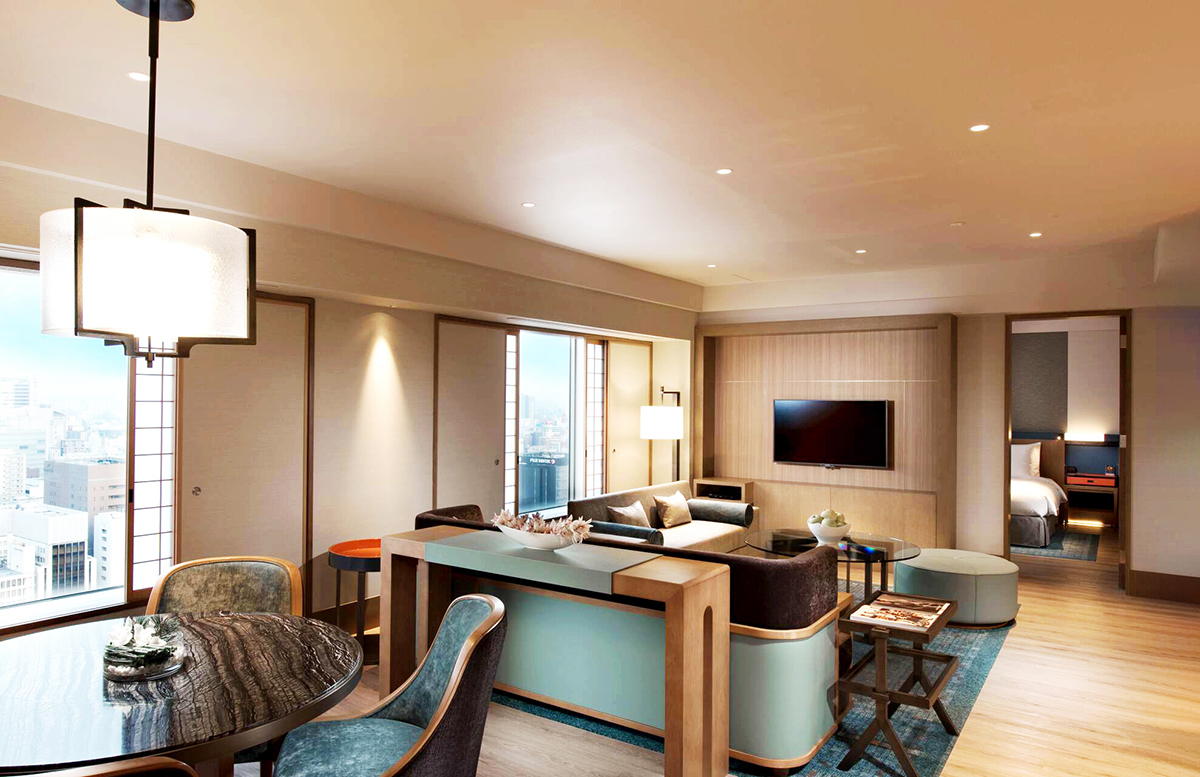
Directly connected to Nagoya Station, this landmark hotel rises high above the city within the JR Central Towers complex. Spacious rooms feature panoramic skyline views, while multiple restaurants and lounges provide refined dining options ranging from Japanese cuisine to international fare. Its prime location and polished service make it a favorite among business travelers and visitors looking for comfort and convenience at the very center of Nagoya.
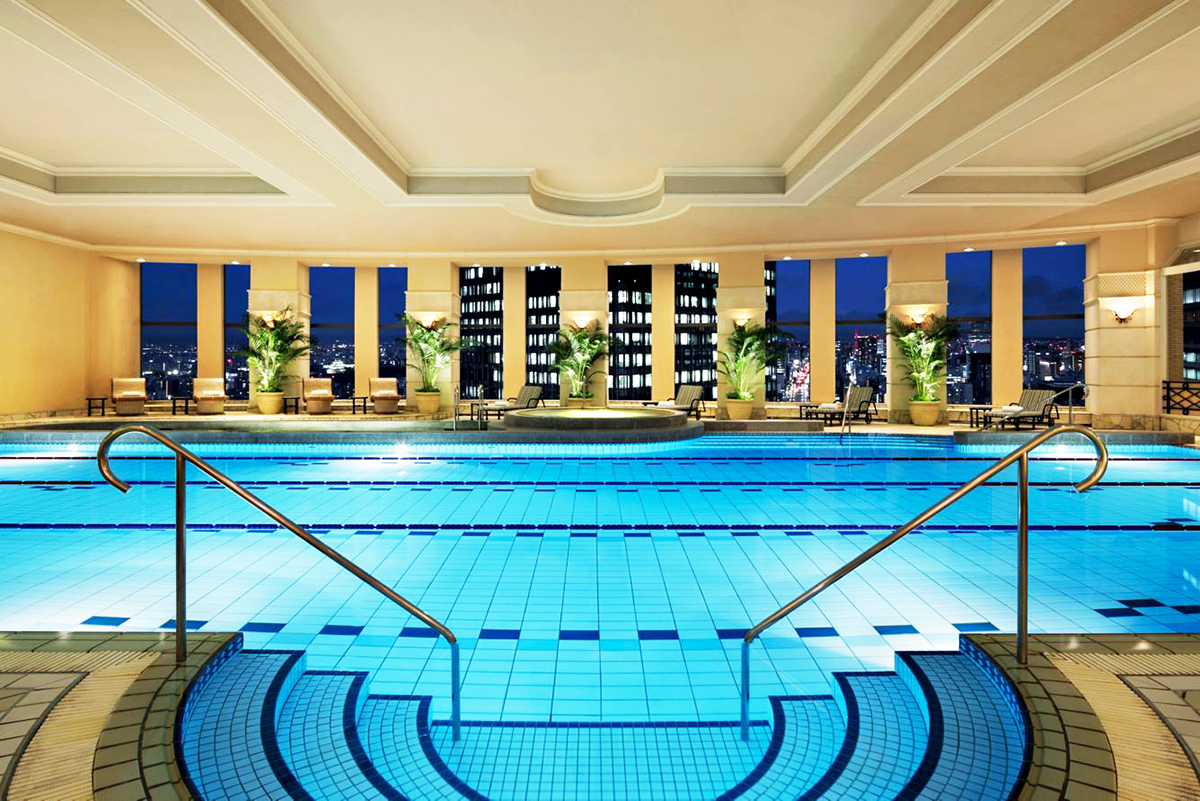
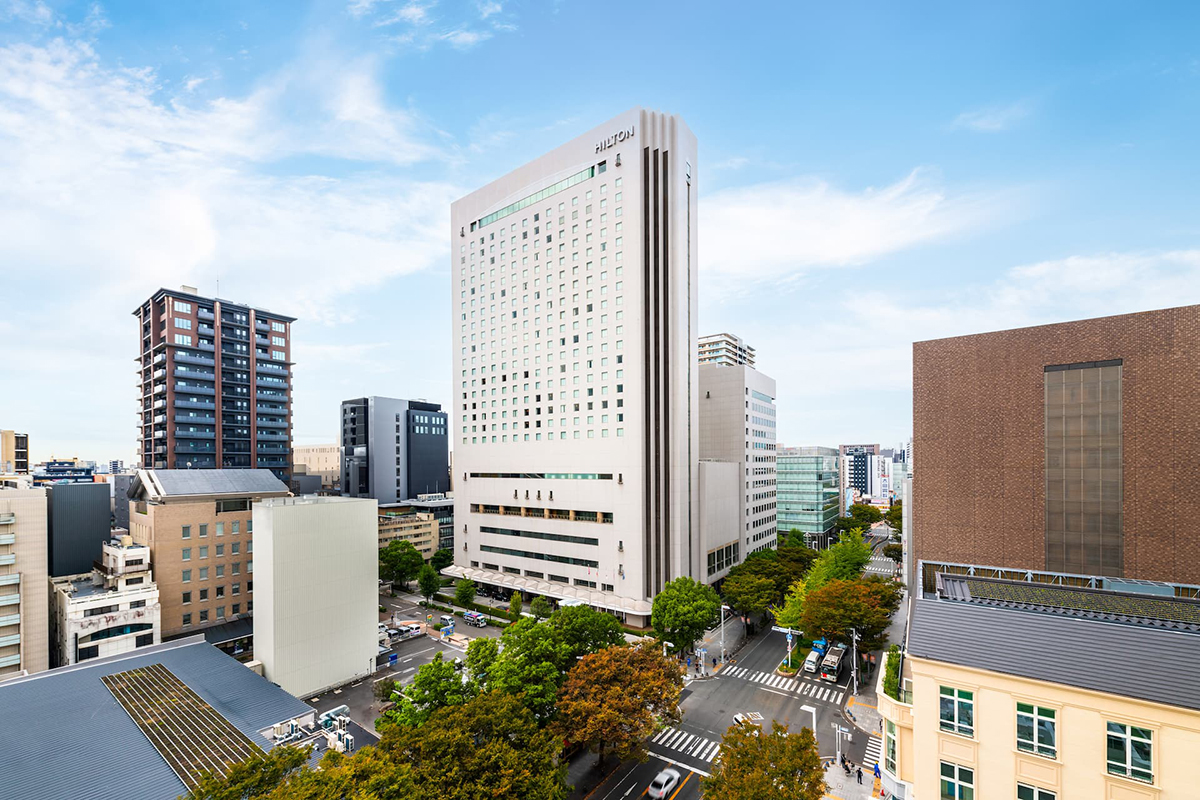
Located in the city’s vibrant commercial district, Hilton Nagoya delivers a sophisticated urban escape with spacious rooms, sleek interiors, and expansive city views. The hotel is known for its diverse dining venues, including Japanese teppanyaki and international buffets, as well as excellent leisure facilities such as a large indoor pool and fitness center—offering a balanced blend of relaxation and contemporary hospitality.
A New Chapter for Hospitality: As Nagoya continues to grow as a cultural and business hub, new luxury hospitality experiences are on the horizon. Adding to the city’s evolving skyline and travel appeal, SONO Hotels & Resorts will soon arrive in Nagoya, bringing its signature blend of refined design, elevated comfort, and contemporary lifestyle hospitality to one of Japan’s most dynamic urban destinations.
With its compelling mix of samurai history, technological innovation, family attractions, and unforgettable cuisine, Nagoya offers travelers a refreshing perspective on Japan—where tradition and modern creativity move forward together.