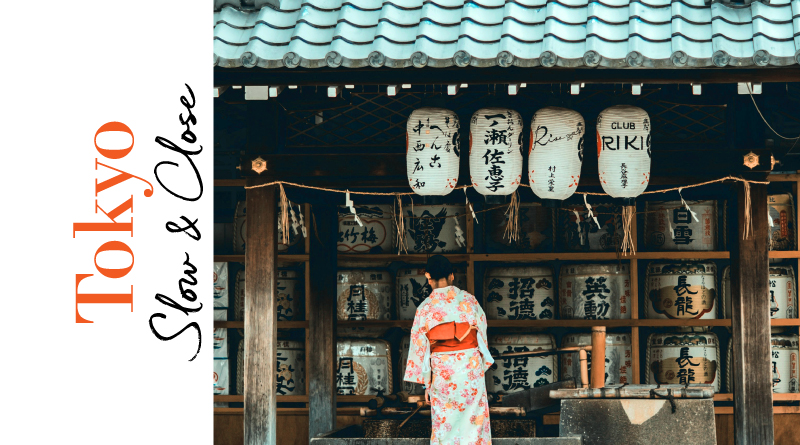
Tokyo, Slow & Close
The shop has no sign. It occupies the ground floor of a pale concrete building on a narrow street in Minami-Aoyama, one block removed from the polished avenues of Omotesando. Through the window, you can see someone arranging anemones in a tall ceramic vase. A woman in a linen apron steps out to water a row of potted eucalyptus on the pavement. It is 8 in the morning, and Tokyo is already, quietly, at work.
This is the Tokyo that does not appear in the albums of first-time visitors: not the neon of Shinjuku nor the crossing at Shibuya, not the queue outside the teamLab installation. This is the city as it actually lives, neighbourhood by neighbourhood, block by block, in the daily choreography of florists and bread bakers and kissaten owners who have been grinding the same dark roast since 1982.
For a city of fourteen million people, Tokyo has a remarkable capacity for smallness. Its energy is centrifugal rather than monumental: it flies out from the centre not in grand boulevards but in capillaries, each one leading somewhere improbable and specific. The flower shop that sells only white flowers. The basement whisky bar accessible by a single unmarked door. The eight-seat French counter where the chef trained in a Michelin three-star kitchen in Lyon and came home to cook for the neighbourhood. Come slowly. This city rewards it.
THE AVENUE AND ITS SECRETS
Minami-Aoyama and Omotesando: Elegance Has Edges
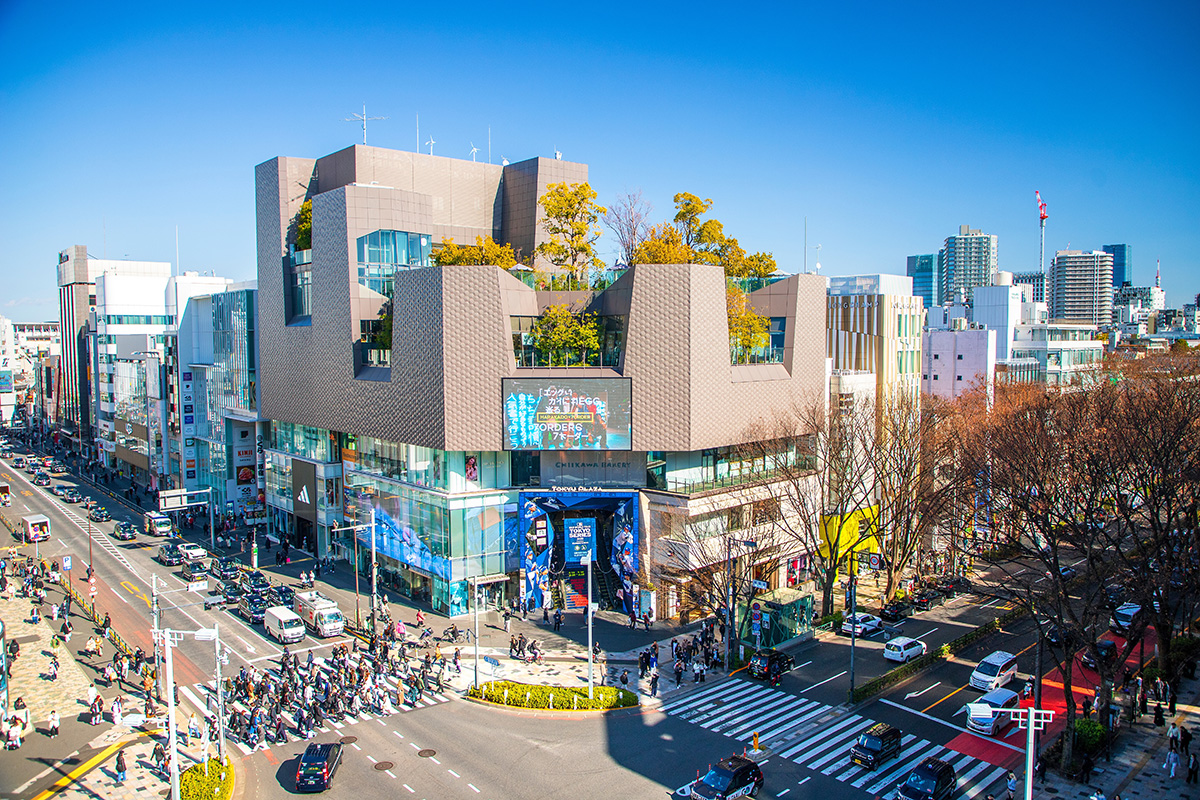
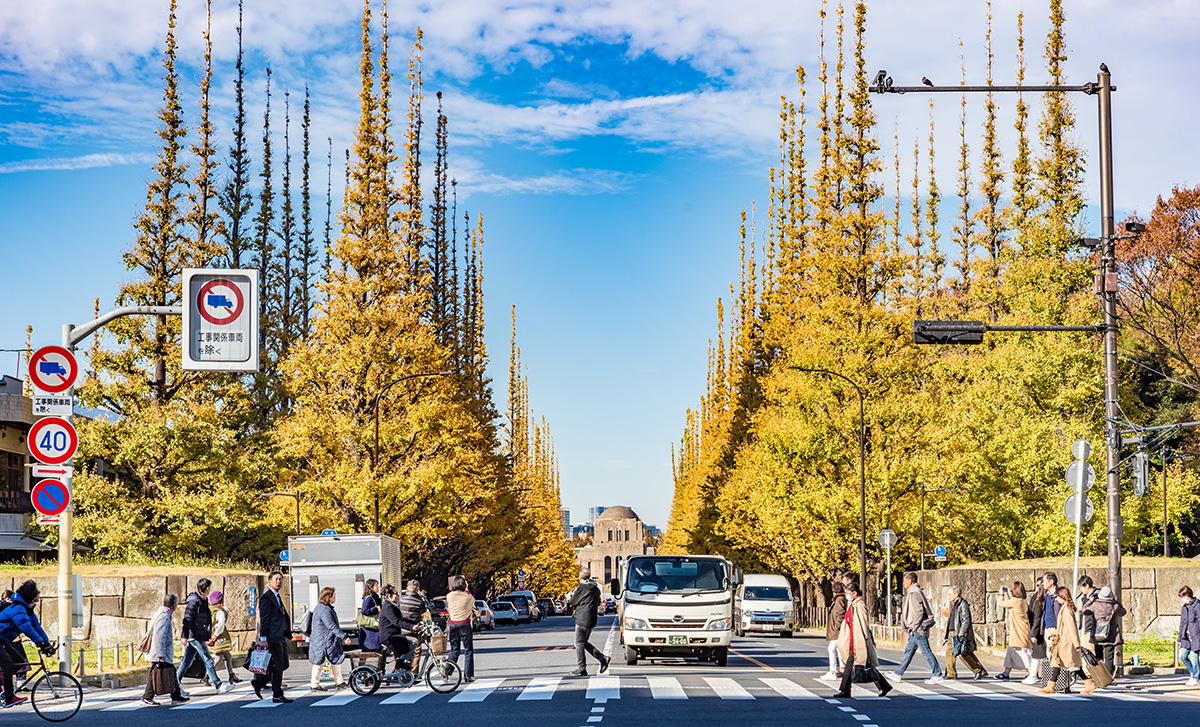
Omotesando is Tokyo’s most beautiful street. Even after decades of international travelers saying exactly this, it remains true. The zelkova trees that line it were planted after the war and are now high enough to form a canopy in summer, filtering the afternoon light into something almost ecclesiastical. Beneath them, the architecture is as considered as any city block in the world: Tadao Ando’s quiet mastery at Omotesando Hills, the Herzog and de Meuron glass lattice of Prada, the Kengo Kuma-influenced curves of the Nezu Museum just around the corner.
But Omotesando is essentially a corridor. The real life of Aoyama happens in its backstreets, which begin more or less the moment you step away from the flagship stores. Here, within a radius of five or six blocks, you will find some of the most pleasurable walking in any city in the world.
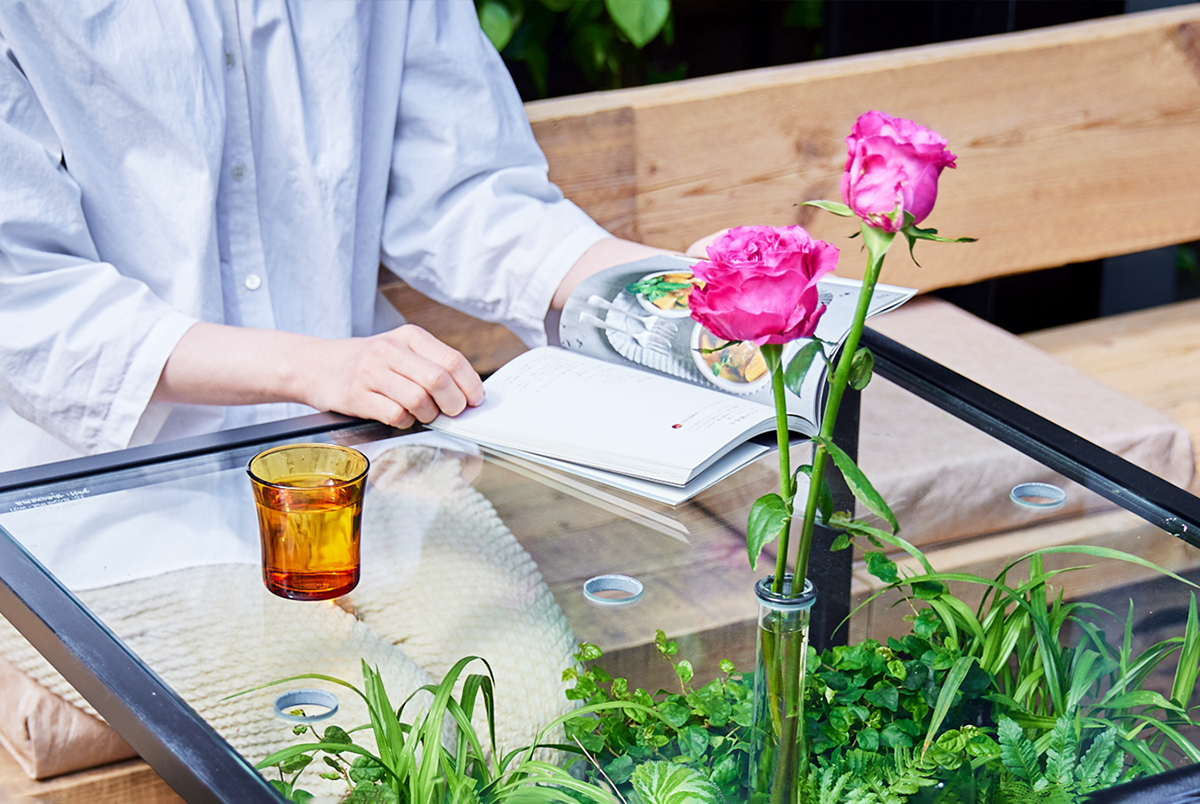
Begin, as locals do, with coffee. The Aoyama Flower Market Tea House on Minami-Aoyama sits inside what feels like an overgrown greenhouse: every surface softened with cut flowers and trailing greenery, the light diffused through humid glass. The menu is secondary to the atmosphere, though the cakes are serious and the matcha is properly made. On a grey autumn morning, it is one of the most consoling rooms in the city.
A ten-minute walk south, past the gallery-fronted blocks of Minami-Aoyama, brings you to a building at 4-15-41 that most pedestrians pass without noticing. This is the address of mærge, one of the more quietly extraordinary new restaurants in the city. Chef Hideyuki Shibata, who trained through the classical French tradition before migrating the practice to his own aesthetic, earned a Michelin star in the 2026 Guide, the restaurant’s name, an amalgam of the French ‘marge’ (margin, blank canvas) and the English ‘merge’, hints at its ambition. The prix fixe menus are architectural: each course arrives as a proposition about what French cuisine might mean when it is genuinely rethought rather than merely transported.
Nearby, in a basement below a quiet street, Manoir has become one of the more coveted tables in the Hiroo and Aoyama orbit. Owner and sommelier Tsuyoshi Nakamura won the Michelin Sommelier Award in 2026 alongside the restaurant’s first Michelin star, a dual distinction that reflects a genuinely unusual situation: a restaurant where the wine is not an accompaniment to the food but something closer to a co-author. Nakamura imports Champagne and Burgundy directly from estates he has cultivated over decades; his storytelling around each bottle is the kind that makes an already excellent meal feel like an education.
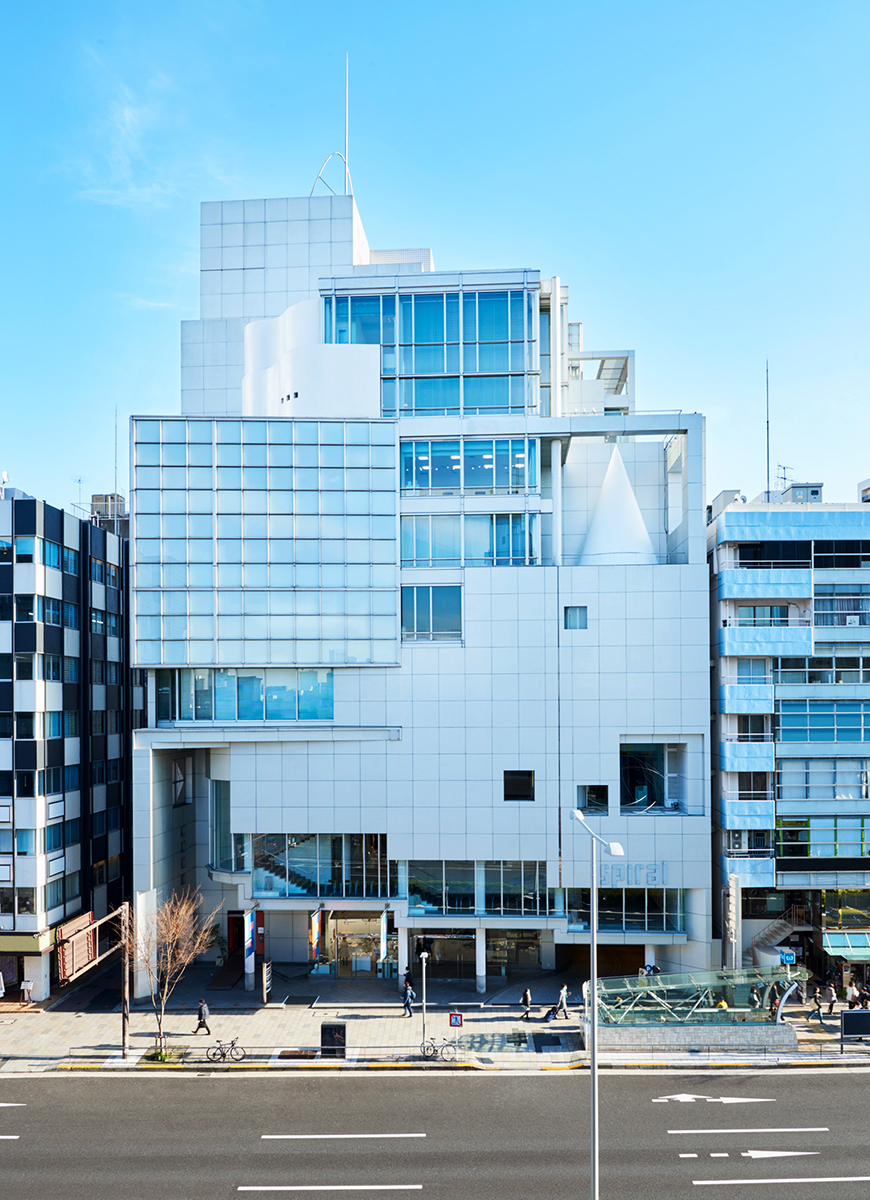
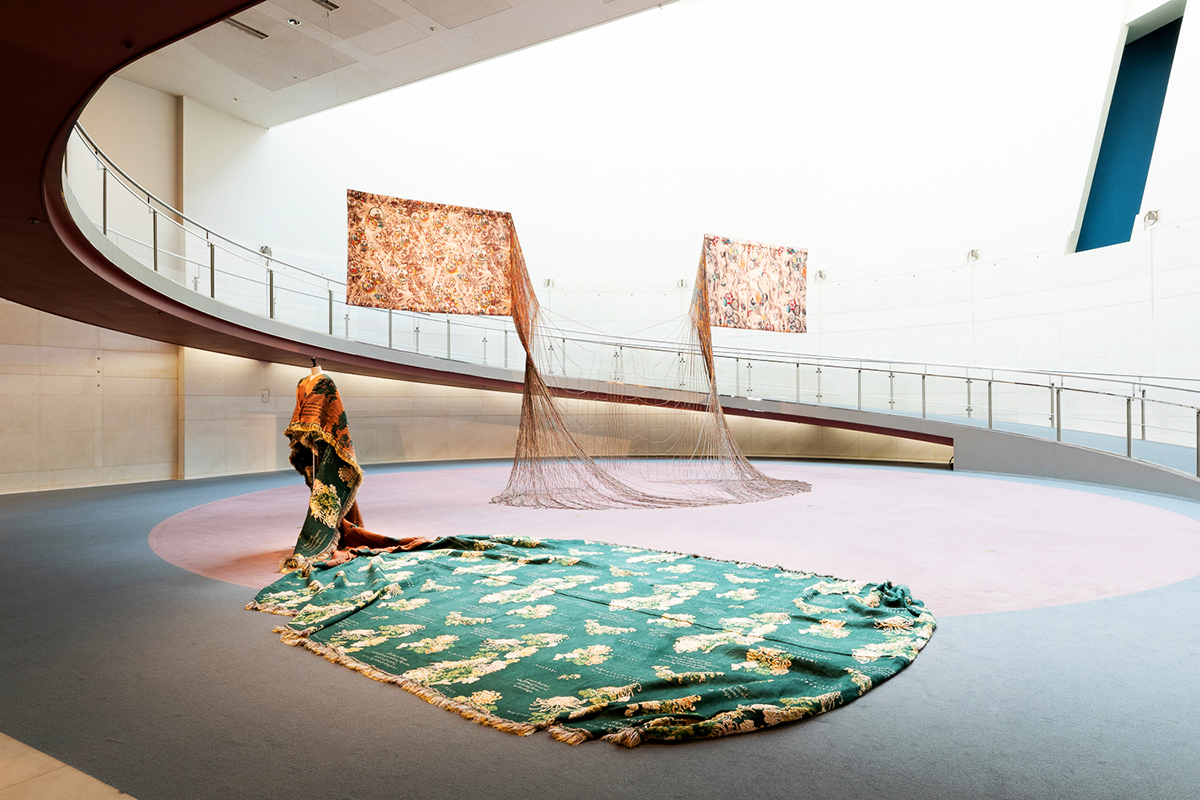
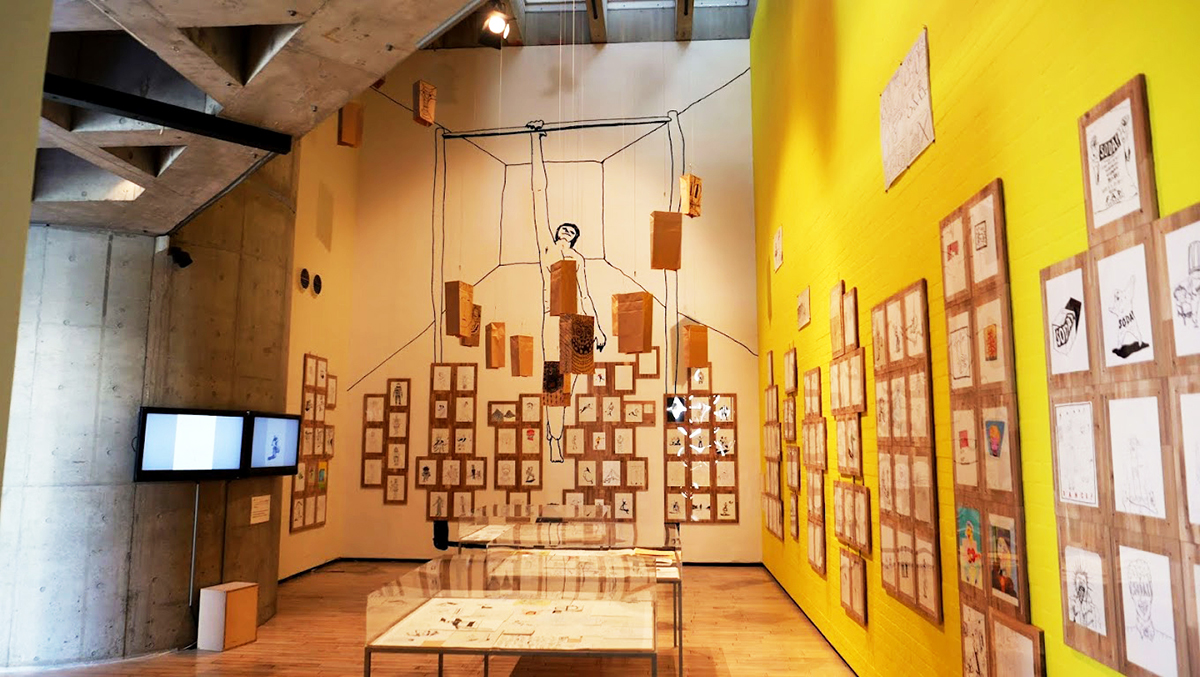
For those whose Tokyo itinerary includes a morning of art before lunch, the Spiral Building on Minami-Aoyama is essential. Fumihiko Maki’s 1985 spiral-ramped atrium is still among the finest interior spaces in the city, and its ground-floor café is entirely adequate for a second coffee. Two blocks away, the Watari-um is the sort of independent contemporary art museum that larger cities spend fortunes trying to create and usually fail: intimate, idiosyncratic, reliably interesting.
The home décor and antique shops of the backstreets deserve their own afternoon. Tokyo has a particular relationship with objects: the culture of craft here is not nostalgic or performative but entirely practical, the result of generations of people who simply could not conceive of making something poorly. Aoyama’s design quarter clusters around streets south of the main boulevard, where small shops carry furniture from Scandinavian workshops alongside ceramics from Kyoto kilns alongside things whose provenance is genuinely mysterious and entirely beautiful.
Tip
Escape the city bustle with a cup of tea surrounded by fresh blooms at The Aoyama Flower Market Tea House—Tokyo’s most charming floral hideaway.
THE NEW CITY
Azabudai Hills: A Four-Billion-Dollar Urban Village, Decoded
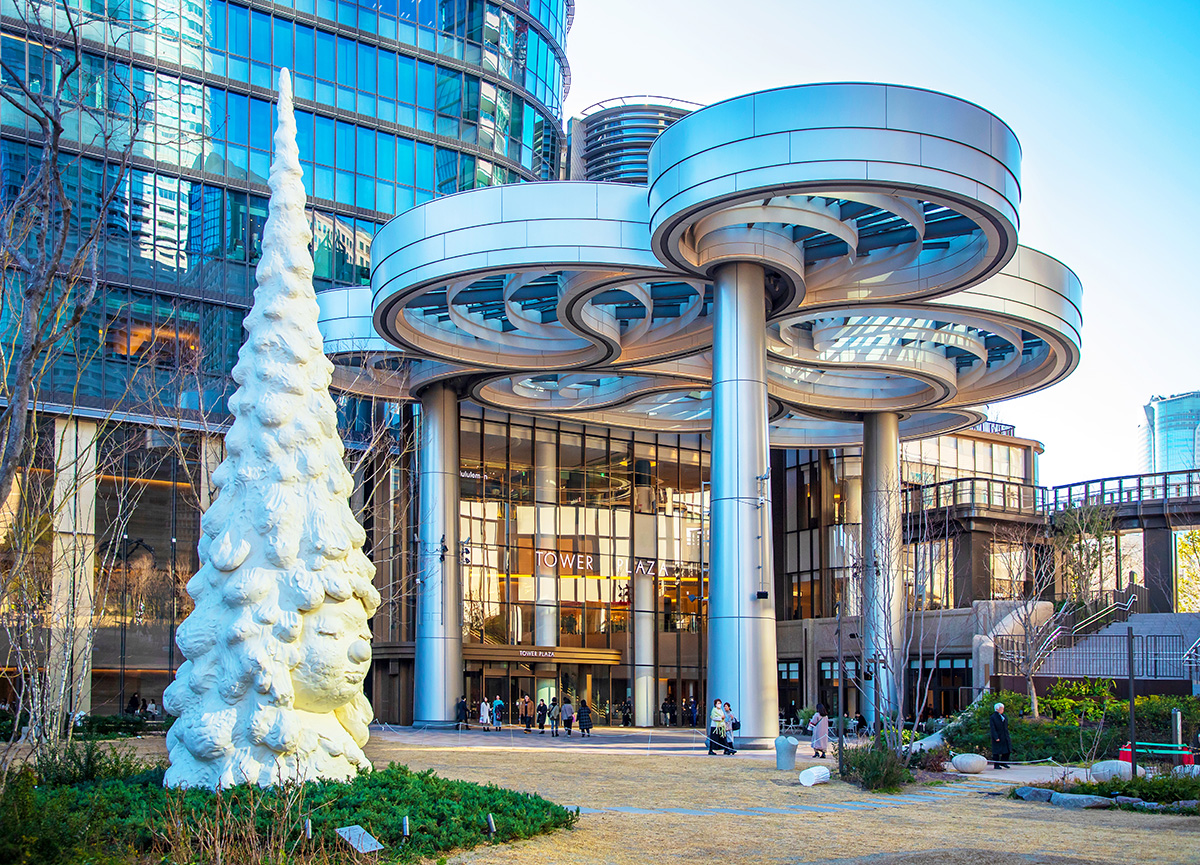
There is a moment, arriving at Azabudai Hills for the first time, when the scale of the thing makes you stop. The complex, which opened in late 2023 after a planning and construction period of more than thirty years, is not a building or even a cluster of buildings. It is a district: 8.1 hectares of former mid-rise residential Tokyo replaced by towers of extraordinary height, among them the Mori JP Tower, the tallest structure in Japan, and connected at ground level by green spaces, public plazas, and a retail street of exceptional quality.
The development’s stated ambition was to create an ‘urban village,’ a term that sounds like marketing until you spend an afternoon here and realise it is, in the most straightforward sense, what they have built. The streets at the base of the towers are genuinely navigable on foot; the landscaping is generous; the mix of offices, residences, galleries, and restaurants is varied enough to generate the kind of foot traffic that fills a neighbourhood with life rather than emptying it.
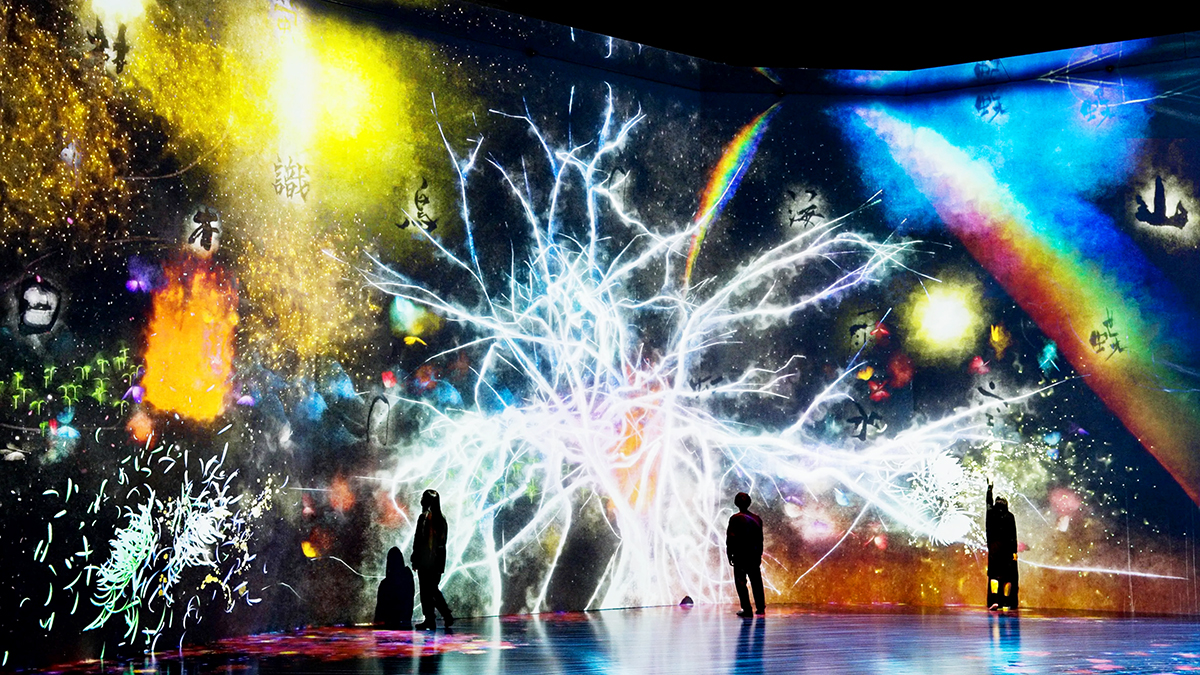
The gallery anchor is teamLab Borderless, the relaunched version of the legendary immersive art complex, which moved here from Odaiba in 2024. Its evening crowds can be prodigious, but arriving at opening time on a weekday, the digital waterfalls and forests of light have a quality of genuine strangeness, a genuine art experience, not merely an Instagram one.
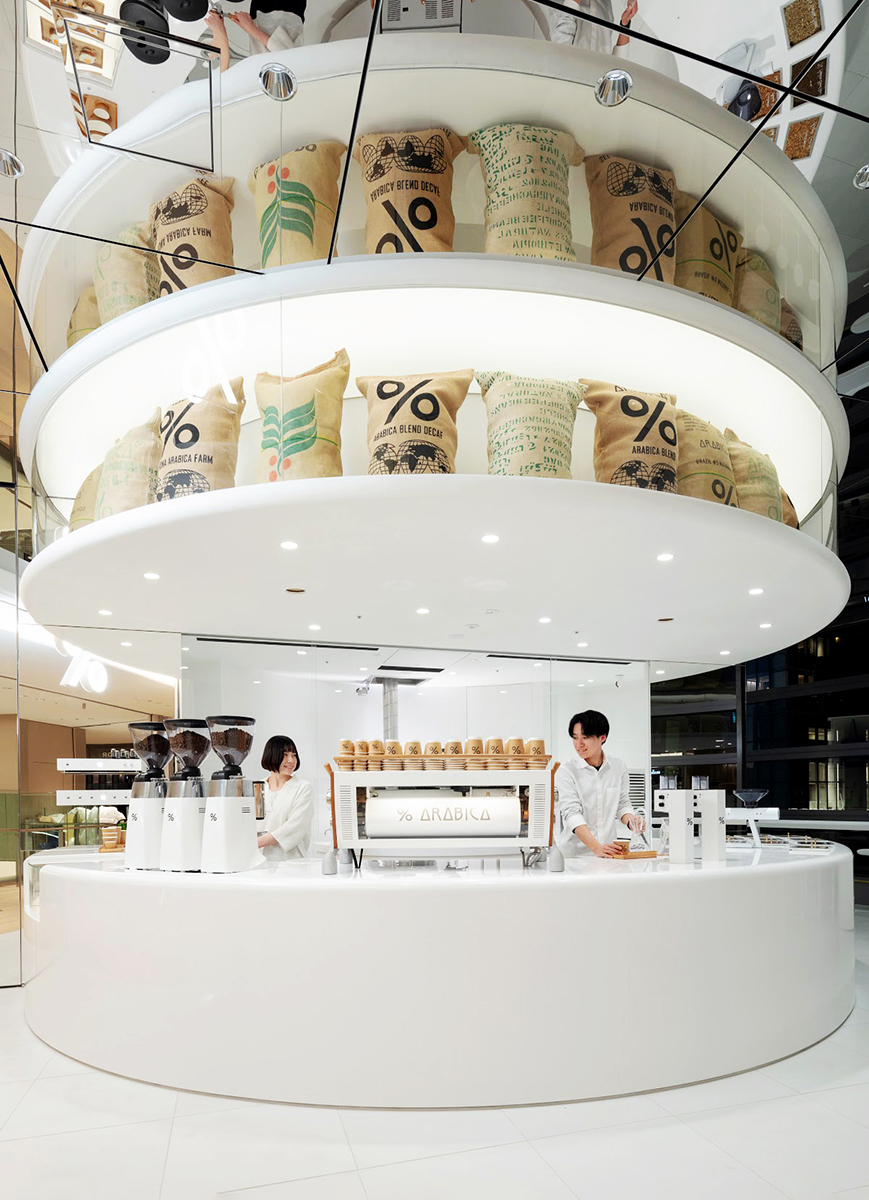
For breakfast or a mid-morning coffee, the % Arabica at Azabudai Hills has established its now-characteristic vocabulary of spare geometry and precise extraction in one of its larger and more comfortable formats. The high ceilings and natural light make it a more relaxed proposition than the compact Omotesando original.
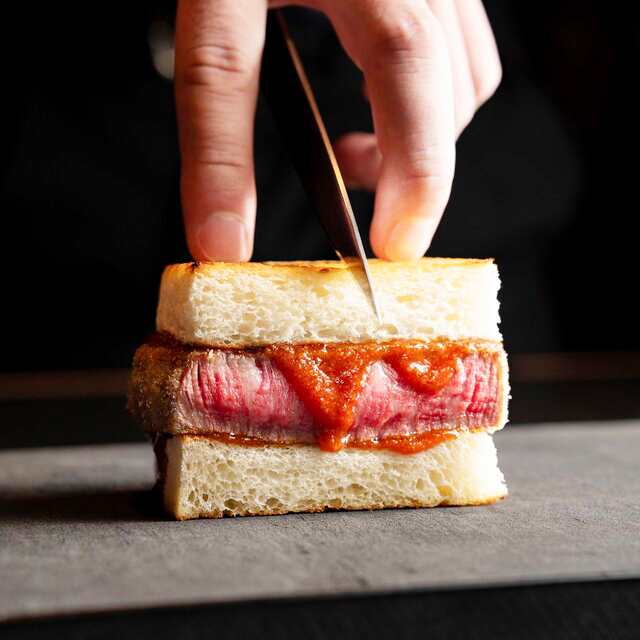
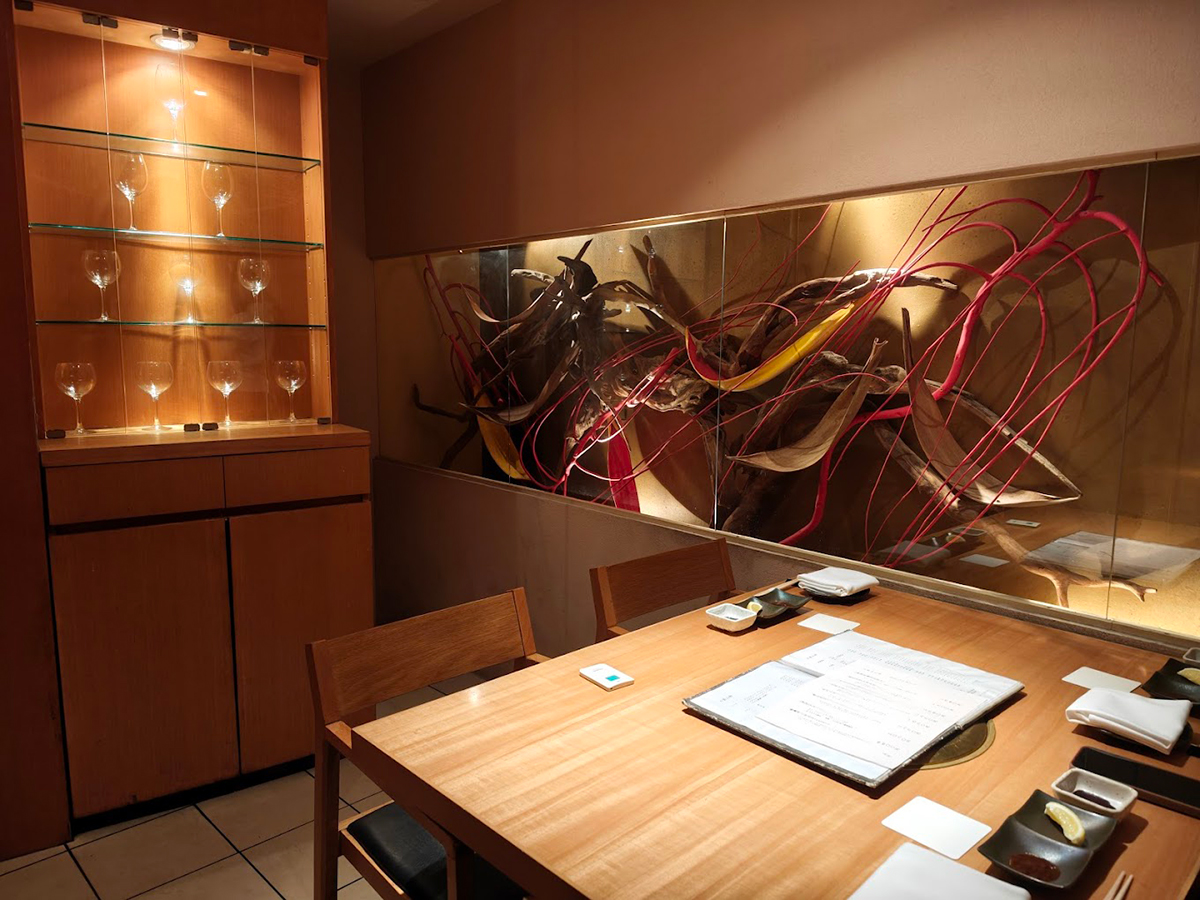
But the restaurant that has become the Hills’ defining dining experience is YORONIKU, the acclaimed yakiniku operation that has moved its flagship here from Minami-Aoyama and Ebisu, bringing with it, for the first time in the brand’s history, a set of fully private dining rooms. The setting on the third floor of Tower Plaza involves views of the surrounding greenery and a nightscape that is, on a clear evening, spectacular. The cooking practice itself invites closer attention.
Yakiniku, literally ‘grilled meat,’ is at its finest a deeply considered art form, and YORONIKU’s head chef and creative director, known as Vanne, has spent a decade finding ways to make A5 Wagyu reveal itself in unexpected registers. A signature course might move from thin-sliced Chateaubriand grilled rare over very low heat, through a sukiyaki preparation involving truffle and whipped egg yolk, to a Chateaubriand cutlet sandwich that is, in its construction and in the quality of its ingredient, a quietly revelatory object. The ‘Full Attend’ service model means your grill is tended throughout by a dedicated server who cooks each piece to its precise ideal moment. Reserve well in advance; private rooms book out weeks ahead.
For a different kind of encounter with Tokyo’s relationship to time, seek out Yokohama-ya, the kissaten (old-style coffee shop) that occupies a basement space near Tokyo Tower, directly below the new topography of Azabudai. Founded in 1982, run by an owner who took to social media in his seventies and developed, unexpectedly, a considerable following for his wry observations about the coffee business, the place is a document of Showa-era Japan that continues to actively function. The Hayashi rice, a dish of beef and onions slow-cooked until the liquid from the onions themselves has been absorbed, is one of those dishes that explains why people speak of Japanese comfort food as a category entirely distinct from the comfort foods of other cultures.
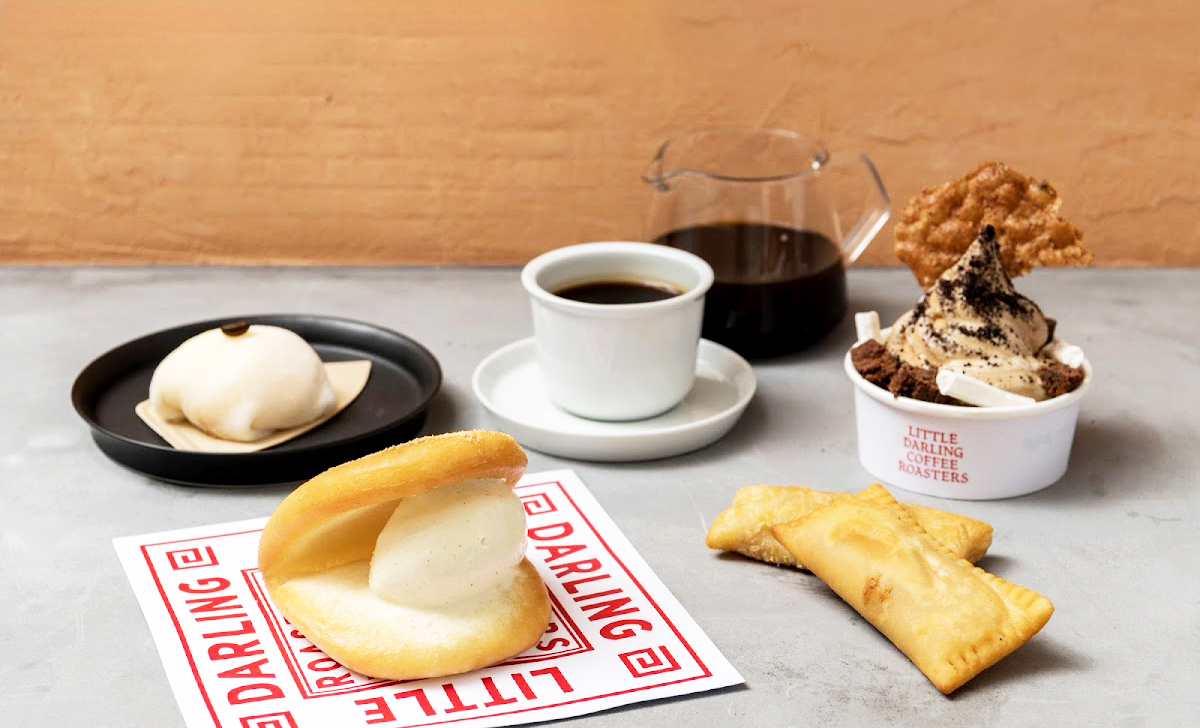
In the evenings, the 33rd floor observation café at Hills House Sky Room Café & Bar trades the formality of a cocktail bar for something approaching a living room in the sky. The coffee comes from Little Darling Coffee Roasters in Minami-Aoyama; the cocktails, a Daylight Float, a Midnight Float, are seasonal and thoughtful. The view across the Tokyo skyline, with Tokyo Tower close and lit, is not easily forgotten.
Tip
Arrive early and wander without a plan—teamLab Borderless is designed for discovery, where light, colour, and motion create a different journey with every visit.

THE NEW SHIBUYA
Reinvention Below the Surface: Vinyl Bars, Starred Tables, and the Art of the Tokyo Flea
Shibuya has spent the last decade trying to understand what it wants to be when it grows up. The Shibuya of the nineties, with its dense strata of purikura booths, gyaru fashion and karaoke buildings, gave way to the Shibuya of the 2010s, all scramble-crossing tourism and luxury mall development. Now, in 2026, a third Shibuya is emerging, and it is more interesting than either of its predecessors.
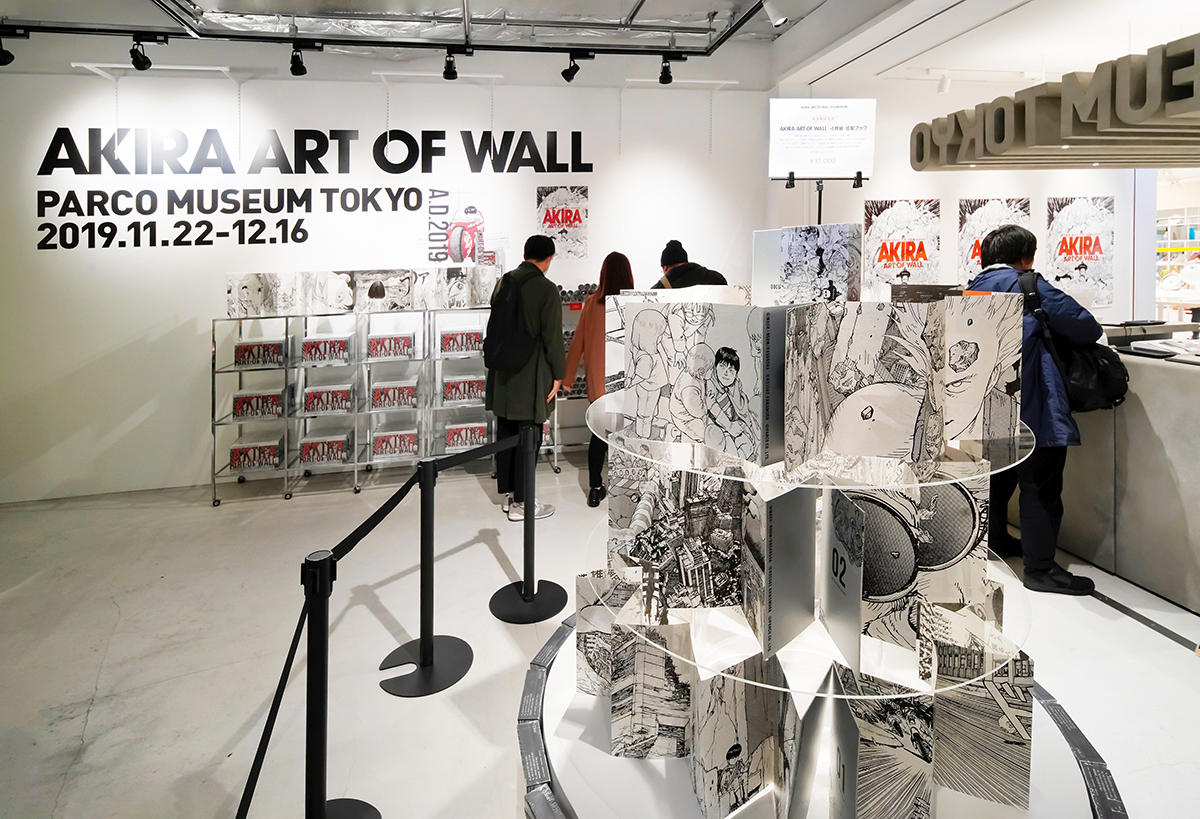
The Shibuya PARCO, which underwent its landmark redesign in 2019 and has continued to evolve since, is the cultural anchoring point for this new version of the neighbourhood. Over eight floors, it houses a mix of gallery spaces, fashion boutiques, a substantial museum floor, a Nintendo retail experience, a cinema complex, and a dining level that includes some of the most carefully curated food in any retail building in the city. It is not a shopping centre. It is a cultural institution that happens to also sell things.
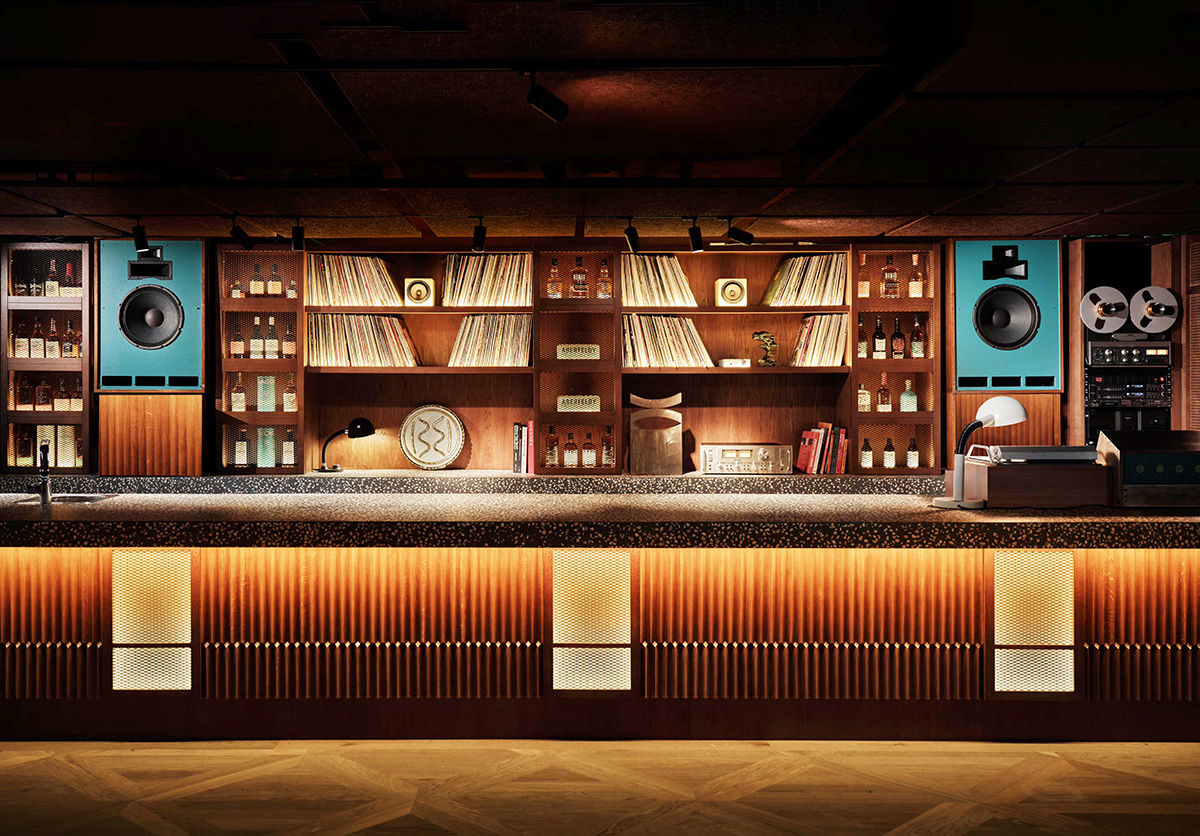
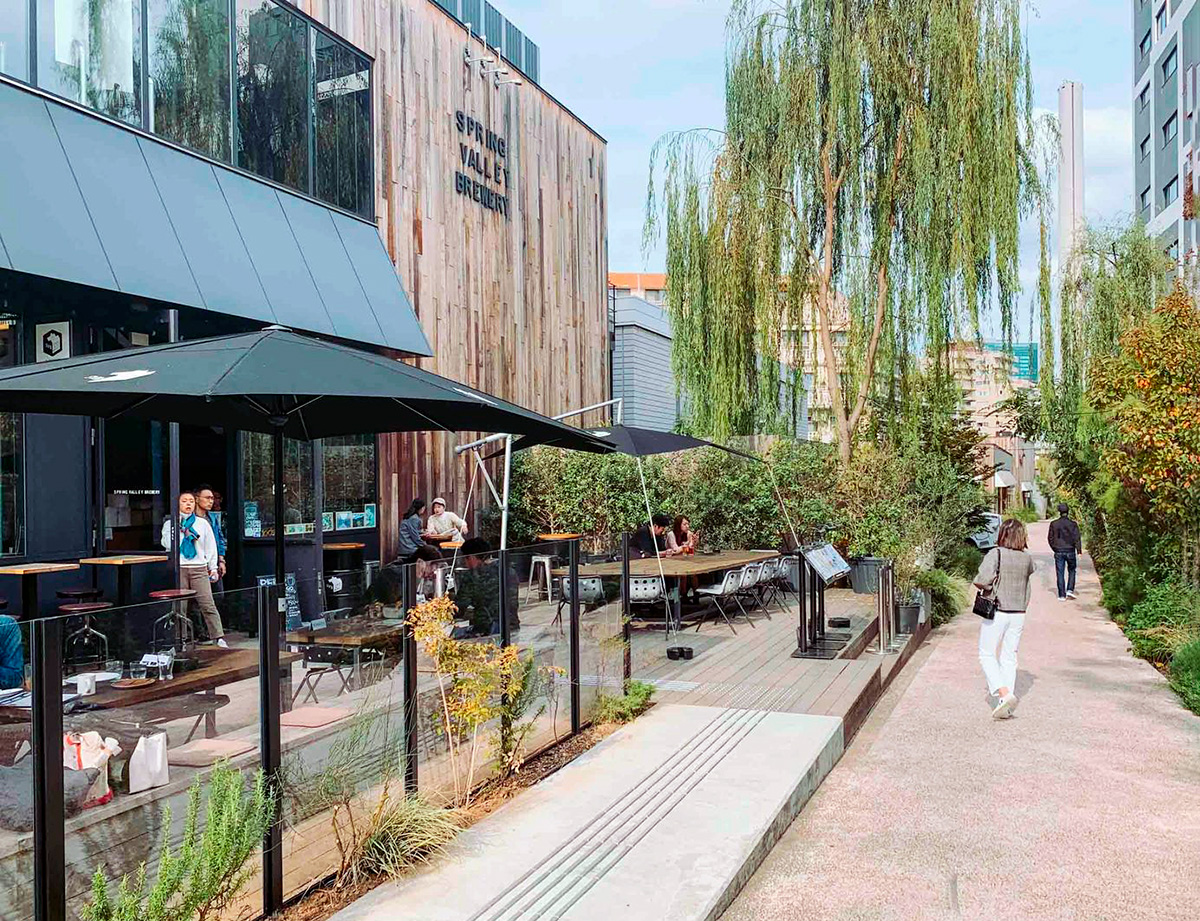
The listening bars of Daikanyama, the small district between Shibuya and Nakameguro that has quietly become one of the more sophisticated entertainment areas in Tokyo, deserve a dedicated evening. These bars, of which there are now perhaps a dozen serious practitioners within a ten-minute walk of each other, operate according to a philosophy that prioritises sound. The interiors are typically dominated by high-specification speaker systems, the walls lined with vinyl collections, the bartenders as conversant in rare pressings of ECM records or seventies fusion jazz as they are in the preparation of their drinks. Bar Musicale on Daikanyama’s back streets is a particular point of reference; Log Road Daikanyama, the repurposed railway strip nearby, provides its own rhythm for an evening’s drift.
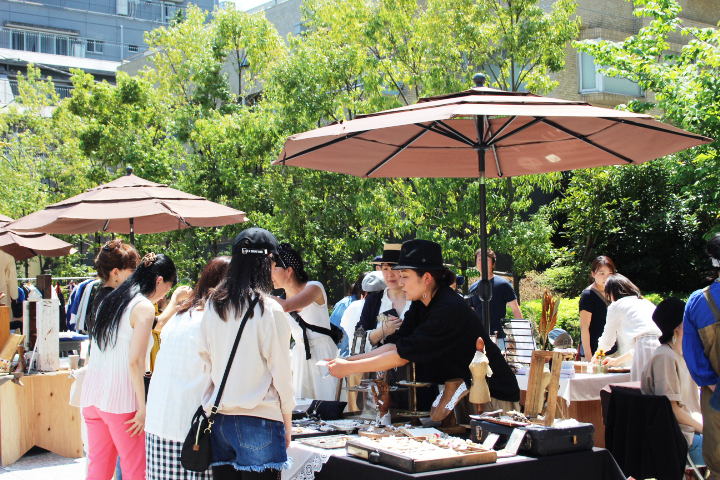
Shibuya Antique Market circuit in this part of Tokyo runs at its most interesting on Sunday mornings. Yoyogi Park’s outer precincts host a regular market that attracts sellers ranging from professional dealers in Showa-era ephemera to private individuals clearing inherited collections. What makes it genuinely rewarding is the category of object that appears here: not vintage clothing (though there is that too) but the particular artefacts of mid-20th-century Japanese domestic life, items that have no equivalent elsewhere and no consistent market valuation. Show up early, walk slowly, and budget for the unexpected.
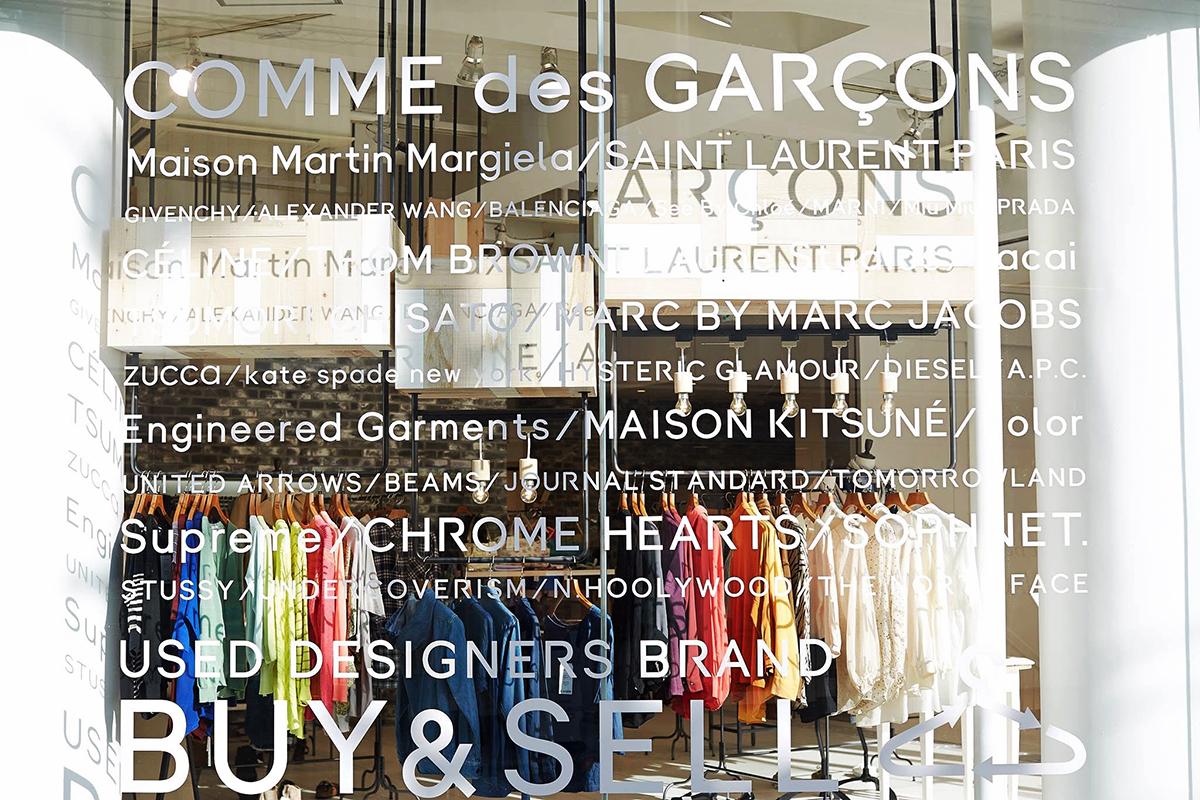
For those who prefer their vintage curated, Ragtag on Kat Street between Harajuku and Daikanyama is the most elegant of Tokyo’s secondhand clothing dealers, concentrating on European and Japanese designer pieces in genuinely excellent condition at prices that remain, relative to London or Paris equivalents, entirely reasonable.
The coffee institution for this pocket of the city is Little Nap Coffee Roasters, which operates from a small stand near Yoyogi Park with a fanatical attention to single-origin sourcing and extraction. It has become one of those places like the original % Arabica in Kyoto, or Bear Pond in Shimokitazawa that people build Tokyo mornings around. The queue is usually modest; the patience it requires is rewarded.
Tip
Arrive early for the best finds. From vintage treasures to unique collectibles, Shibuya Antique Market is a place where every discovery tells a story.
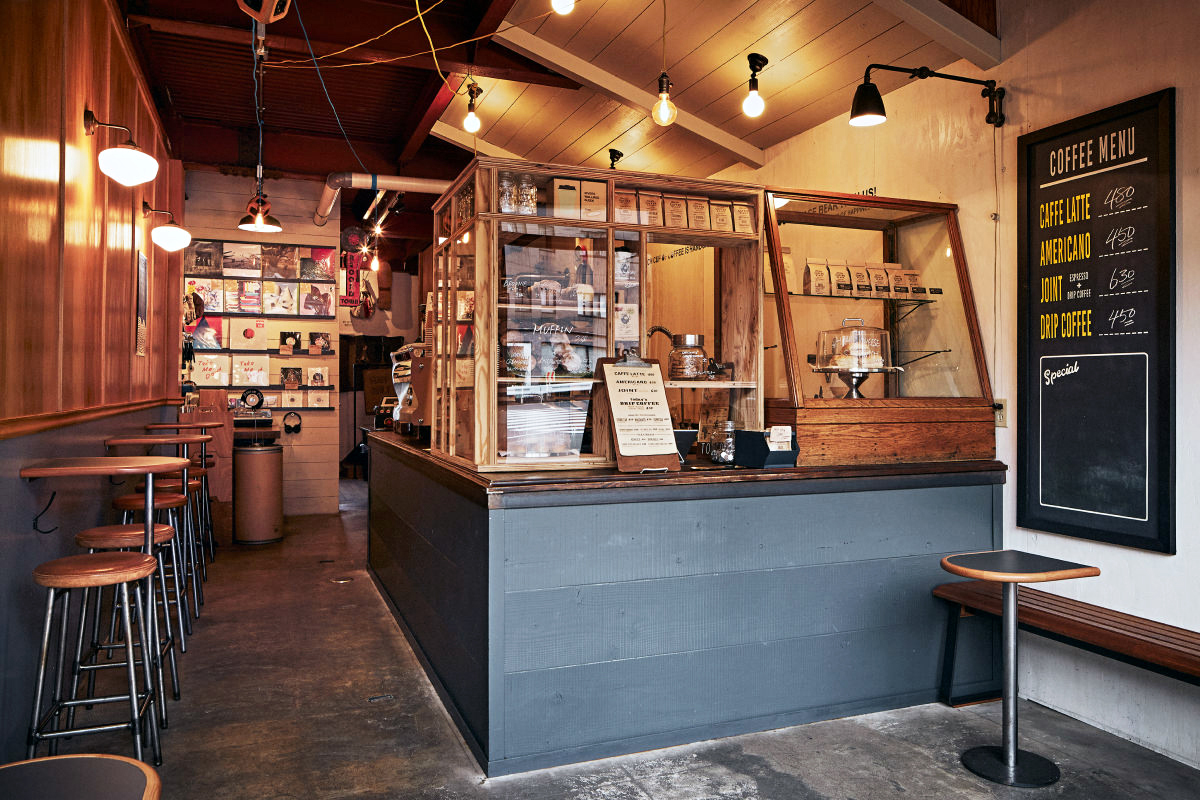
THE GREEN HOURS
Flower Shops, Garden Walks, and the Slow Pleasures of the Aoyama Morning
There is a particular quality of light in Aoyama in September that makes it worth being outside at seven in the morning. The humidity of August has broken; the air has the first suggestion of the transparency that autumn will fully deliver. The zelkova trees have not yet turned, but something in the colour of the sky has shifted overnight.
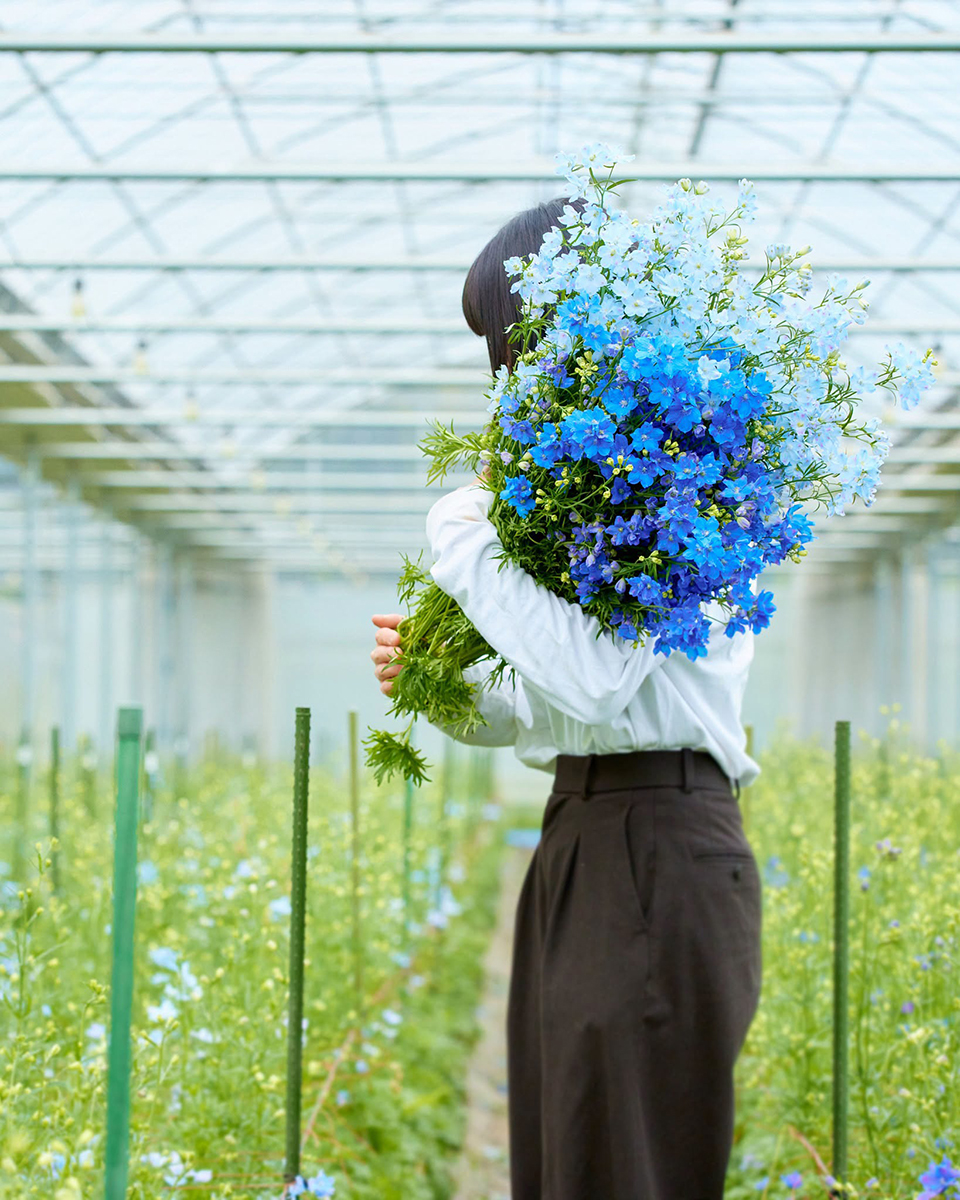
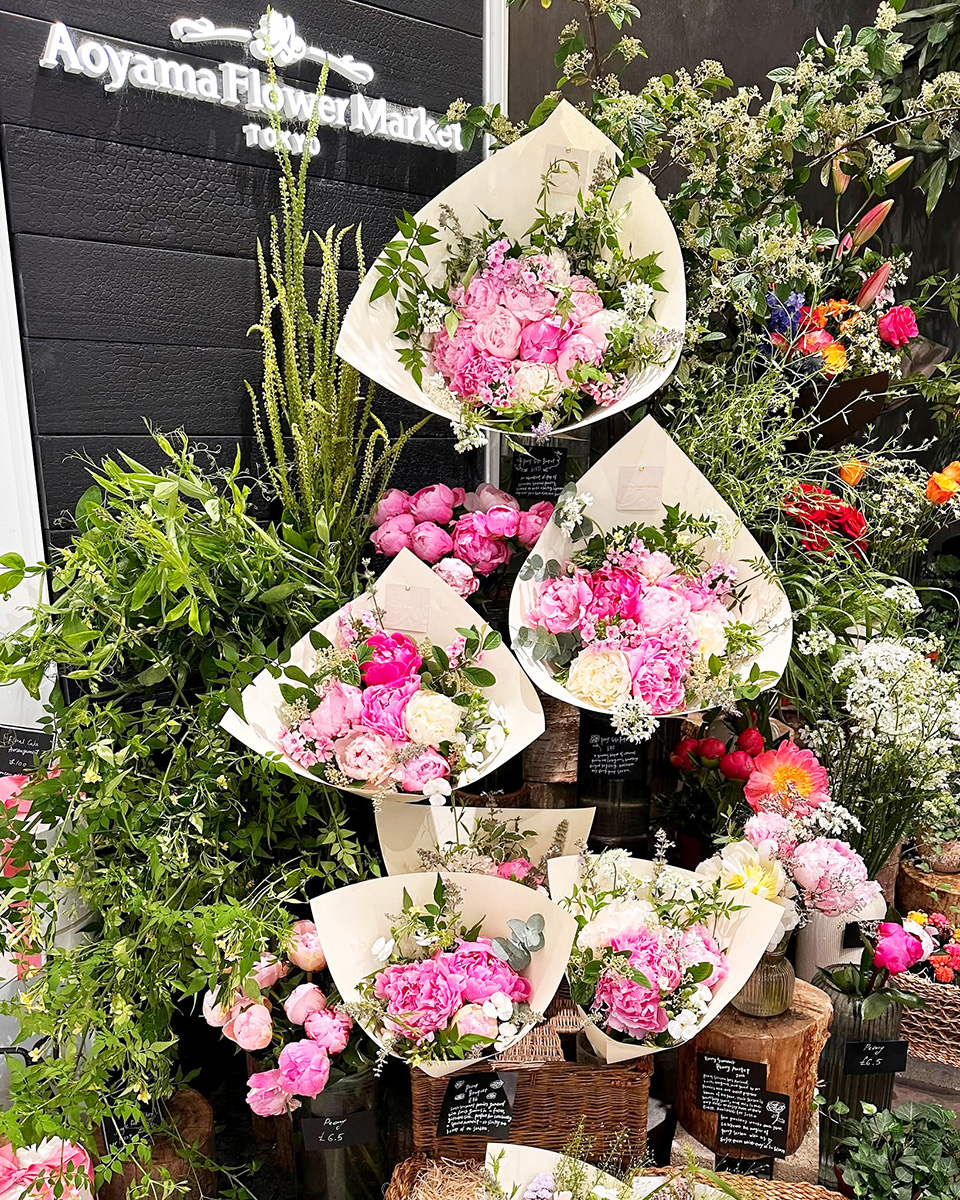
The flower culture of this neighbourhood is, for the visitor with time to notice it, one of its defining textures. Aoyama Flower Market, the company that operates the Tea House, also runs several standalone flower shops in the district, each one organised with the precision that the Japanese bring to the presentation of perishable things. The flowers are not merely for sale; they are arranged as temporary artworks, rotated daily, the entire stock turned over with the logic of a gallery changing its hang.
ADDRESSES
Aoyama Flower Market Tea House: 5-1-2 Minami-Aoyama, Minato-ku
The Royal Garden Café on Omotesando, tucked behind its own small garden, is the kind of place that rewards a weekend morning without specific plans. The terrace is unremarkable in the way that very pleasant things sometimes are; the coffee is good; the staff leave you alone. In a city that can feel relentless in its stimulation, this last quality is worth noting.
ADDRESSES
Royal Garden Café: 2-2-9 Kita-Aoyama, Minato-ku (near Gaienmae Station)

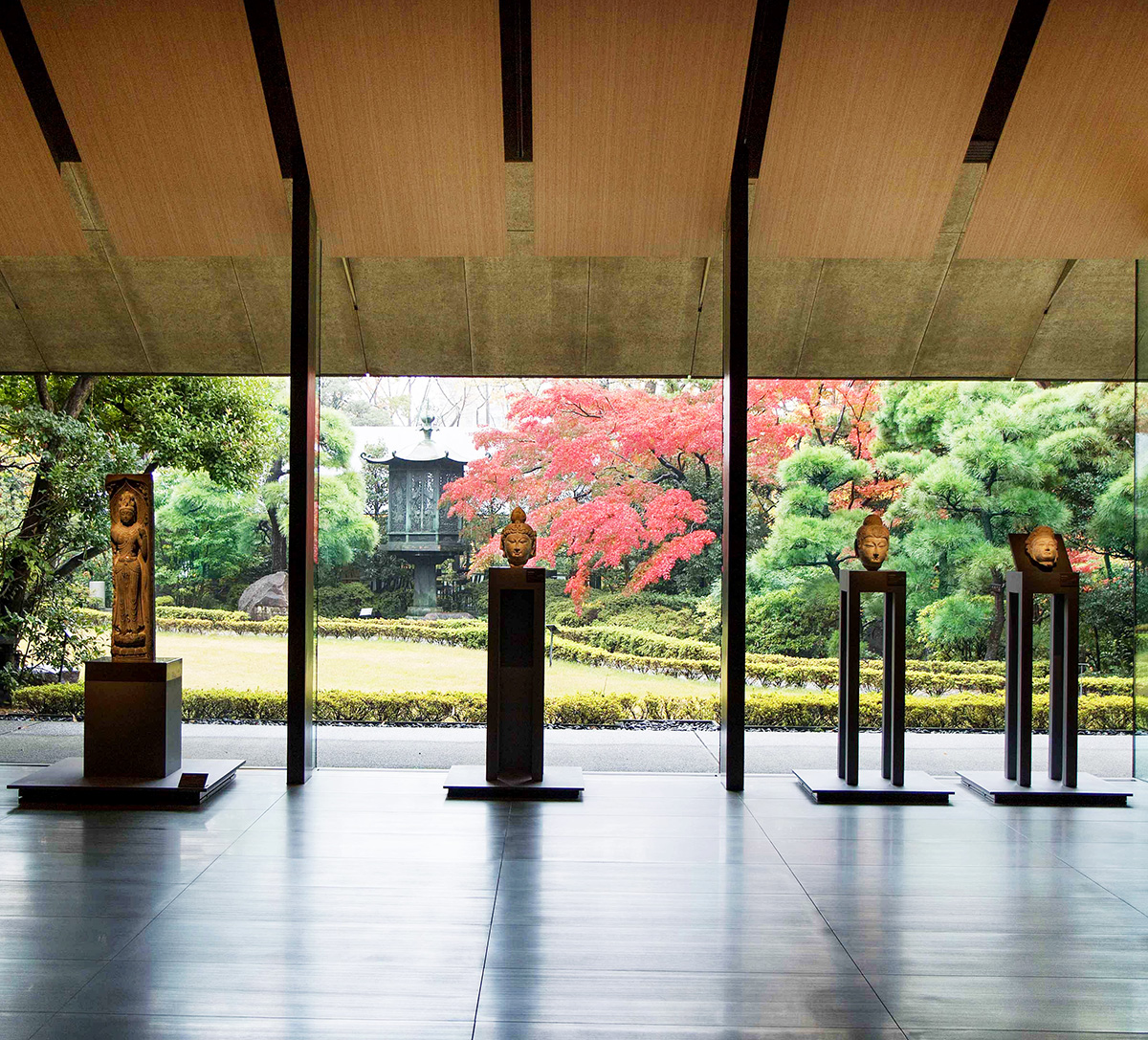
For those who wish to follow the Aoyama gallery trail, the afternoon hours between two and six are ideal. The Nezu Museum, at the far end of Omotesando, houses one of the finest private collections of pre-modern Japanese and East Asian art in the country, set within a bamboo garden that is, in all seasons, extraordinarily beautiful. The Okamoto Taro Memorial Museum in the adjoining streets is smaller and stranger, a monument to Japan’s most exuberant postwar modernist, whose Osaka Expo Tower and subsequent work continue to generate arguments about what exactly art is supposed to do.
ADDRESSES
Nezu Museum: 6-5-1 Minami-Aoyama, Minato-ku
Jazz has been part of the social fabric of Aoyama for longer than most people realise. Blue Note Tokyo, the Japanese outpost of the New York club, sits on Minami-Aoyama and programmes with the seriousness that the original earned its reputation for: international headliners, thoughtful acoustics, a kitchen that takes the food seriously. An evening here, after a day of walking, is one of those Tokyo experiences that sits entirely outside the category of tourism.
ADDRESSES
Blue Note Tokyo: 6-3-16 Minami-Aoyama, Minato-ku, bluenotetokyo.co.jp
WHERE TO STAY
From Iconic Luxury to Neighbourhood Boutique
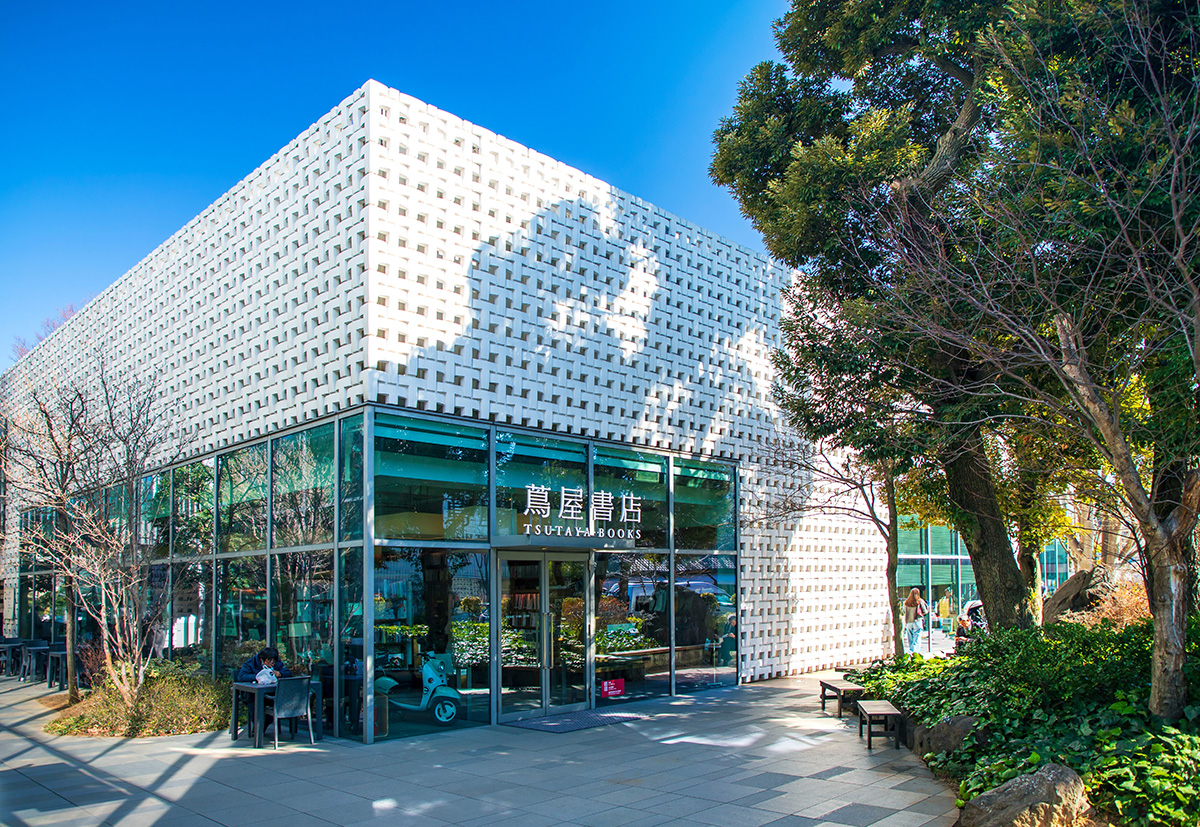
Tokyo’s accommodation landscape has never been more varied or more interesting than it is in 2026. A wave of luxury and design hotel openings over the past three years has given the city a depth of choice across every register, from the staggering heights of the Bvlgari to the consciously local pleasures of the Trunk. What follows is a selective and honest account of the options most relevant to the Tokyo this feature describes.
Trunk Hotel Cat Street
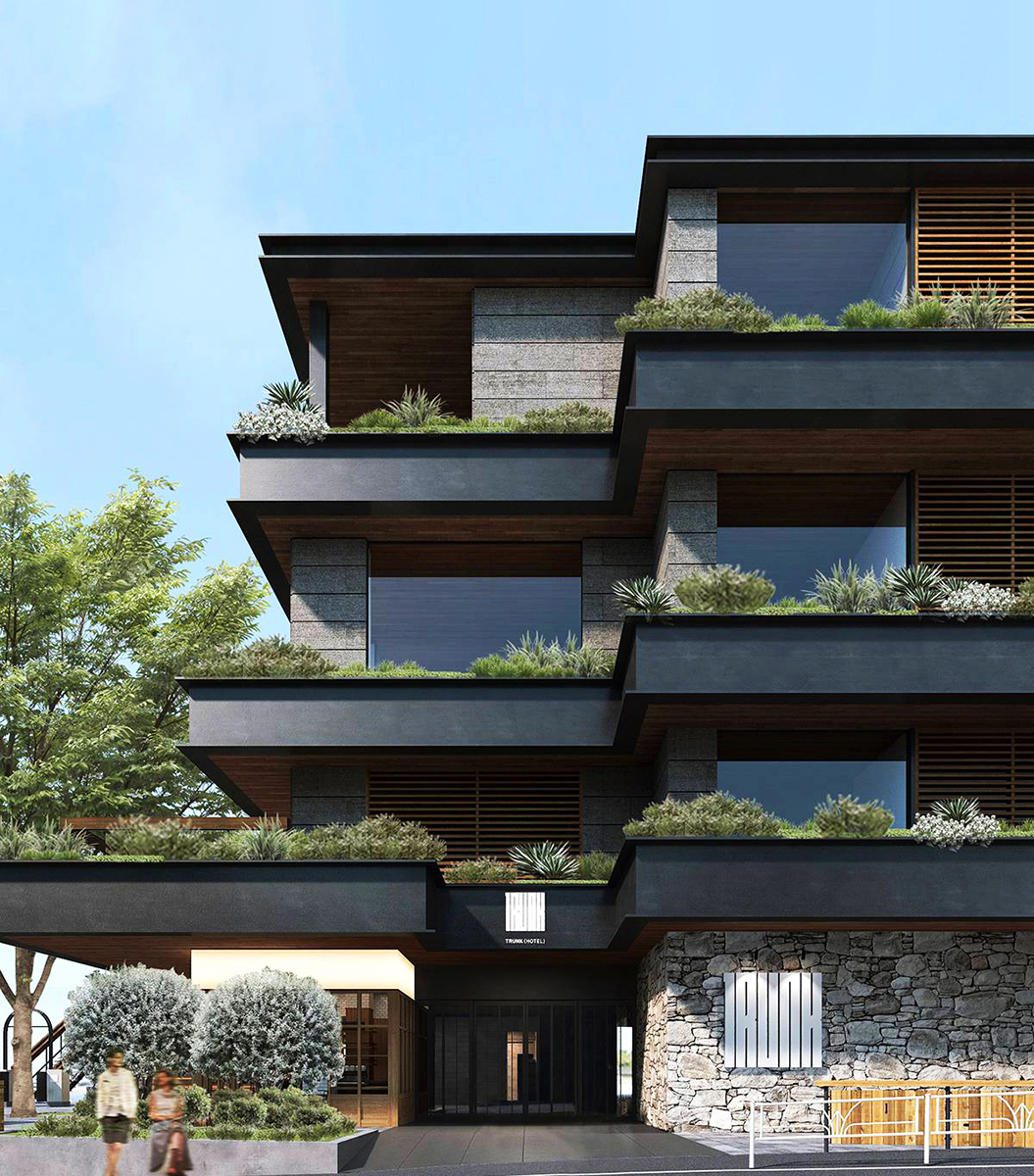
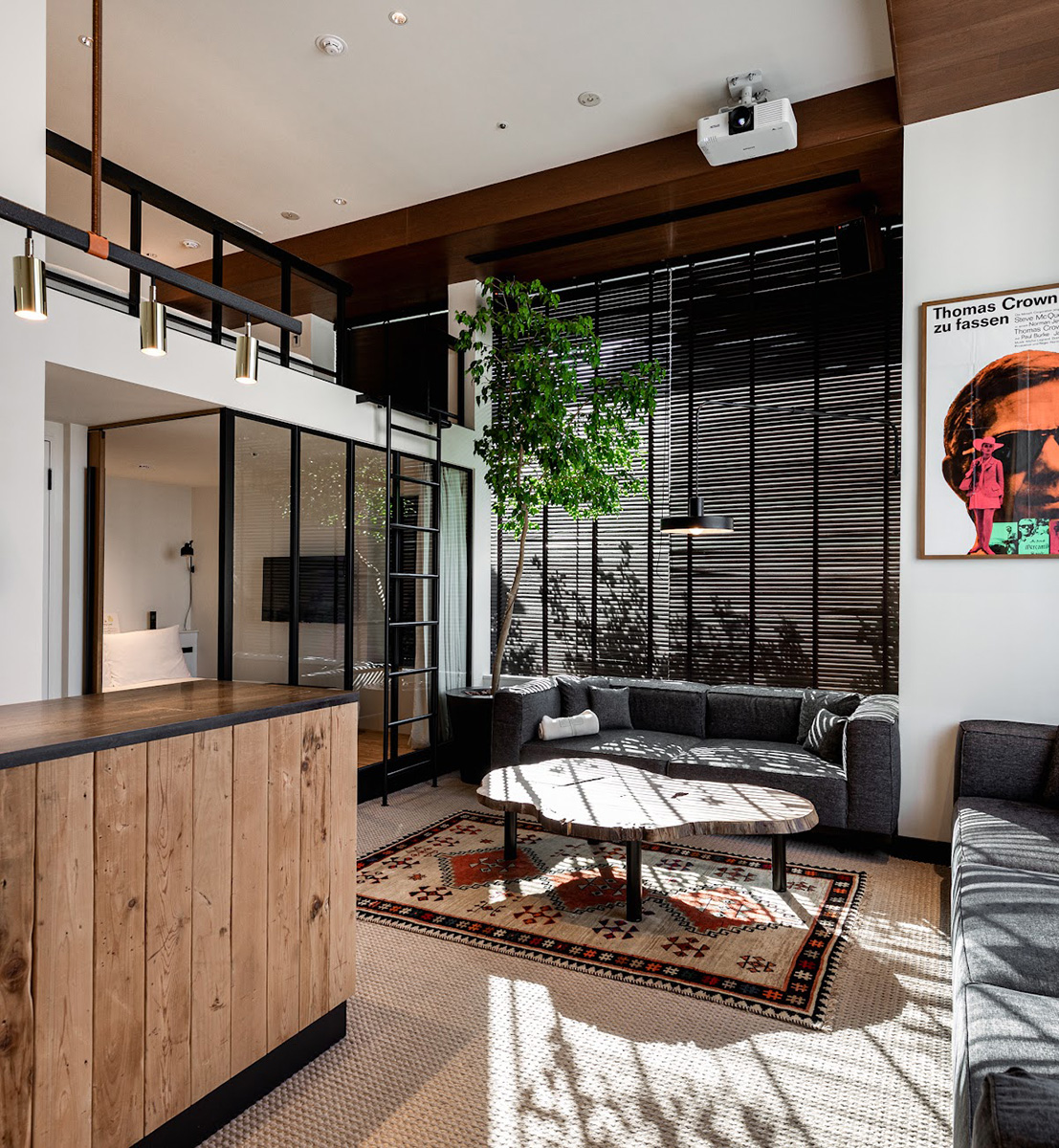
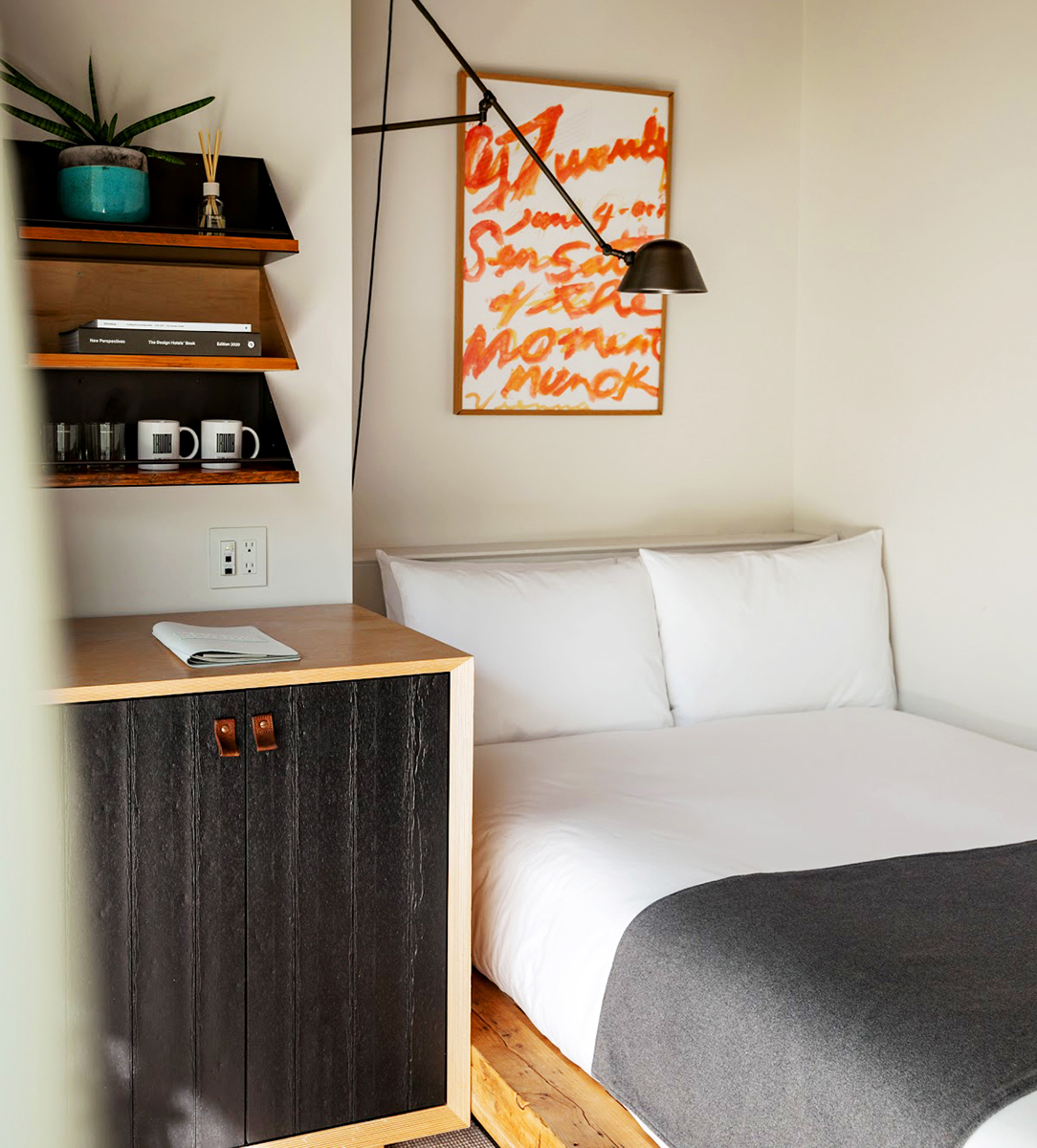
Trunk Hotel on Cat Street, which runs between Harajuku and Omotesando, established a category when it opened, the genuinely Tokyo boutique hotel, rooted in its neighbourhood, thoughtful about design, and committed to sustainability not as a marketing position but as a structural principle. The 15 rooms (most of them substantial, including the Terrace Suite at 140 square metres and a Dining Suite with a full teppanyaki kitchen) are individually designed by local designers and incorporate reclaimed and repurposed materials throughout. Every aesthetic decision here is a considered one.
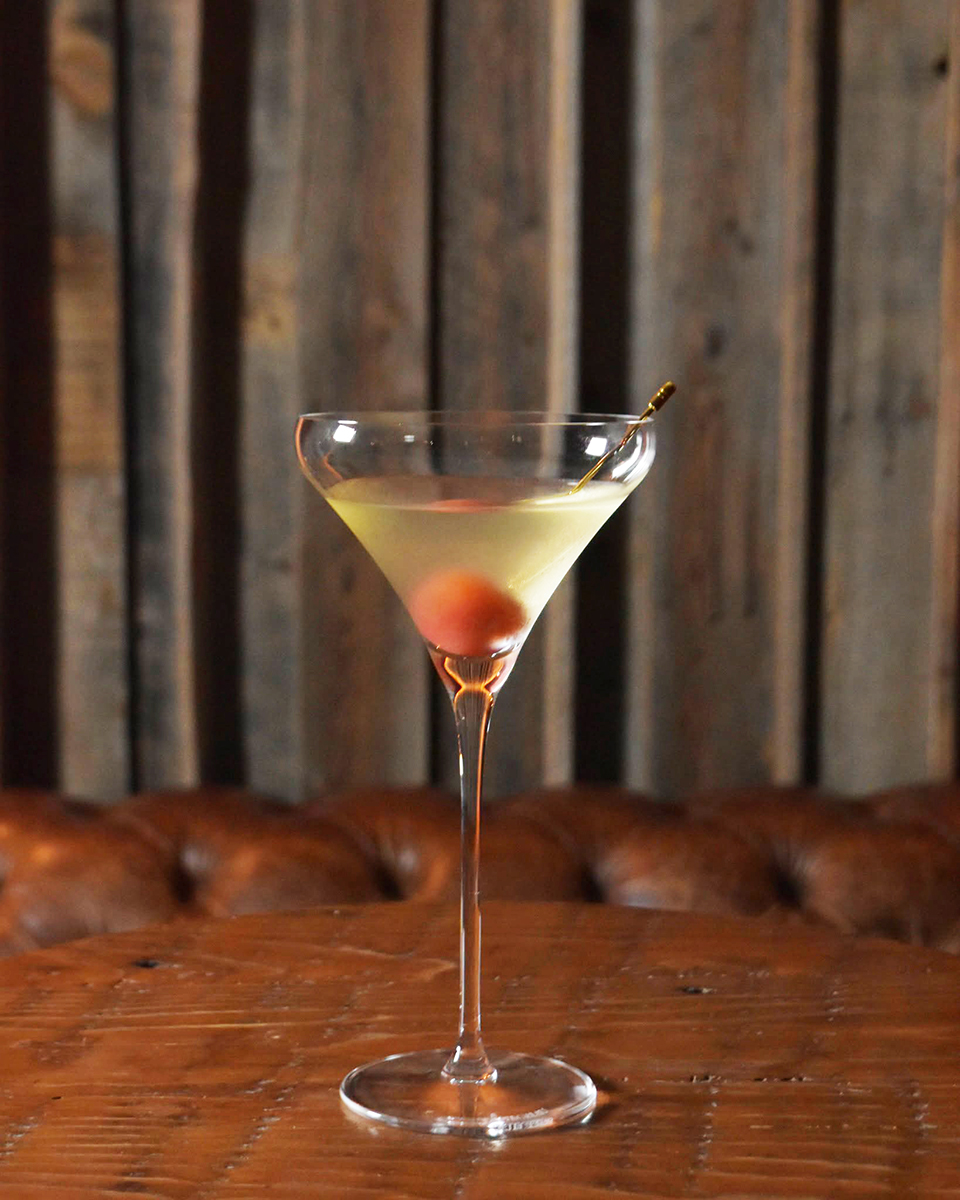
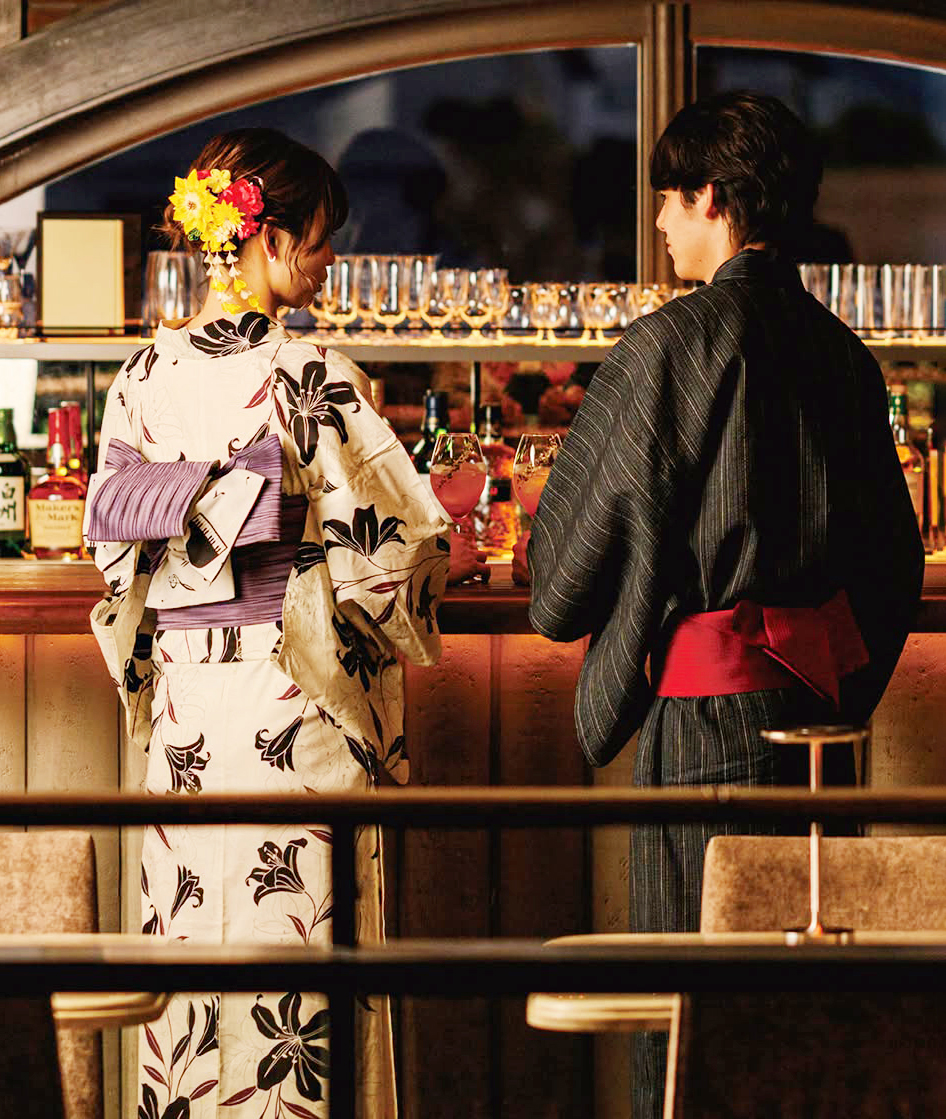
The ground floor functions as a café during the day and a cocktail bar in the evening, and this porosity between hotel and neighbourhood is entirely deliberate: the spaces are designed to attract local regulars as much as hotel guests, which means the bar at night has the energy of a place people want to be rather than a place they happen to find themselves. The restaurant, Trunk Kitchen, takes its sourcing seriously, and the rooftop wedding chapel, glass and wood, framed by sky, is one of those architectural decisions that makes you wonder why more hotels do not make similarly extravagant gestures.
Address : 5-31 Jingumae, Shibuya-ku (11-min walk from JR Shibuya Station)
Bvlgari Hotel Tokyo
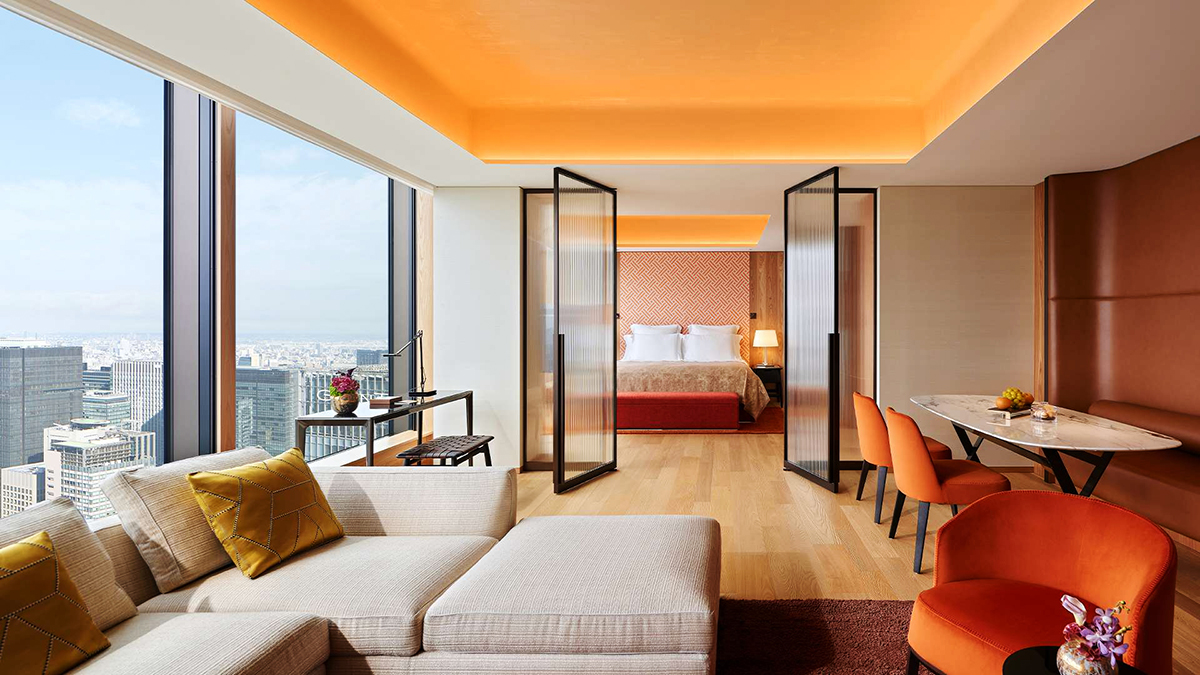
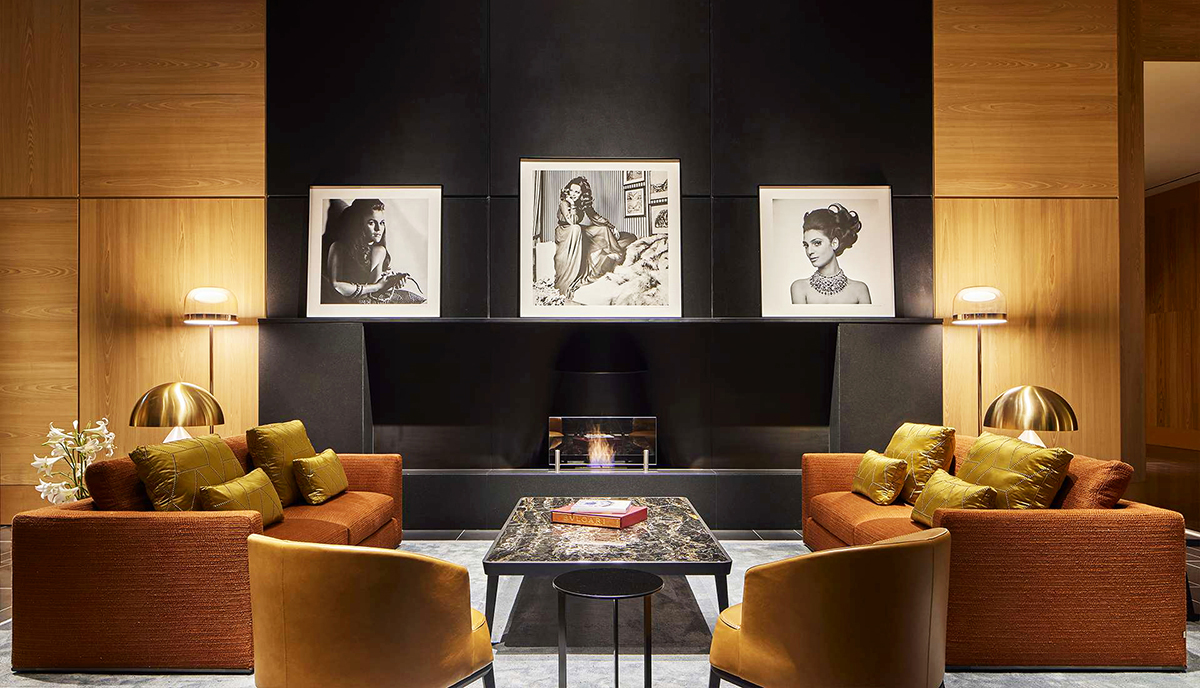
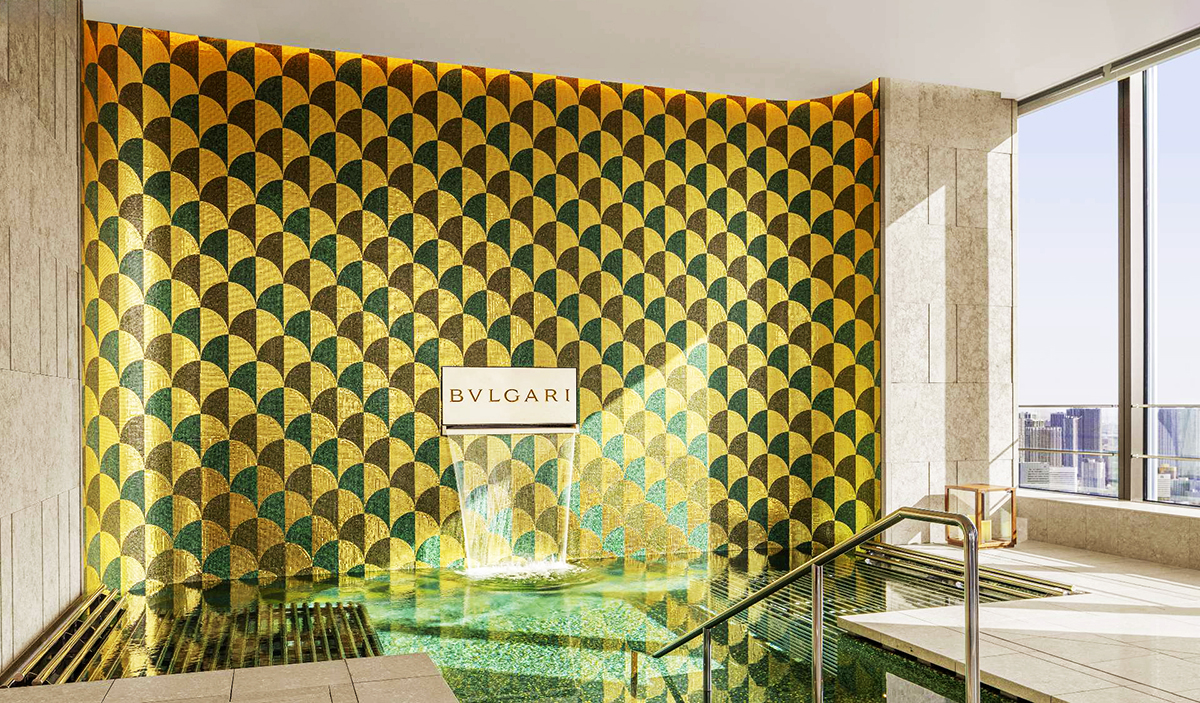
There are hotels that aspire to luxury and hotels that simply embody it, and Bvlgari Tokyo belongs decisively to the latter category. Occupying the 40th to 45th floors of the Tokyo Midtown Yaesu skyscraper, the eighth property in the Bvlgari Hotels collection brings the brand’s contemporary Italian grammar to a city whose own relationship with precision and craft makes the conversation unusually productive. Designed by ACPV Architects Antonio Citterio, the 98 rooms and suites are among the largest in central Tokyo, furnished with pieces from B&B Italia and Maxalto and dressed in warm marble and dark wood that manage to be both Italian and entirely suited to the Japanese setting. The view from a corner suite, over the Imperial Palace Gardens and across to the hills beyond the city, is one of those scenes that makes you understand why people are willing to spend the money.
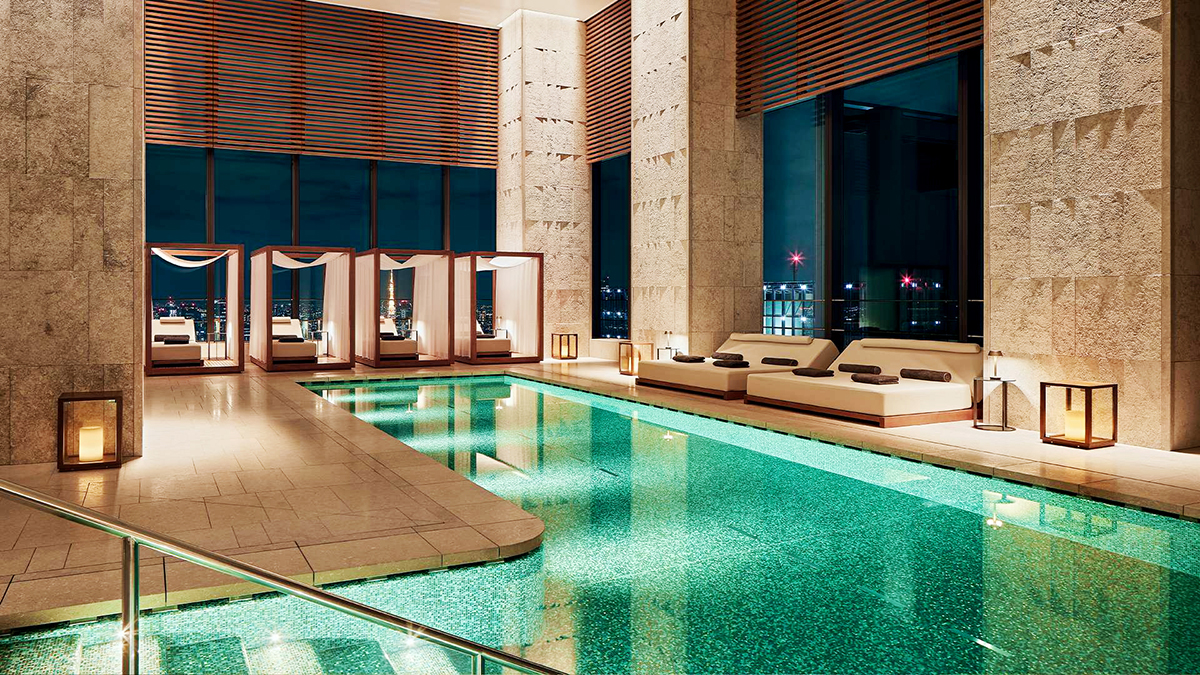
Dining is the other axis of the Bvlgari experience. Il Ristorante, operated by chef Niko Romito and holding a Michelin star, offers a restrained Italian cuisine that is both deeply classical and genuinely contemporary. Sushi Hoseki, the hotel’s Japanese counter, is among the more accomplished hotel sushi operations in a city where the bar is formidably high. The spa and indoor pool are exceptional; the concierge team, which manages to be both thoroughly professional and genuinely warm, represents what hotel service can be when it is done without visible effort.
Address : 2-2-1 Yaesu, Chuo Ward, Tokyo (Tokyo Midtown Yaesu, 40th-45th floors)
The Palace Hotel Tokyo
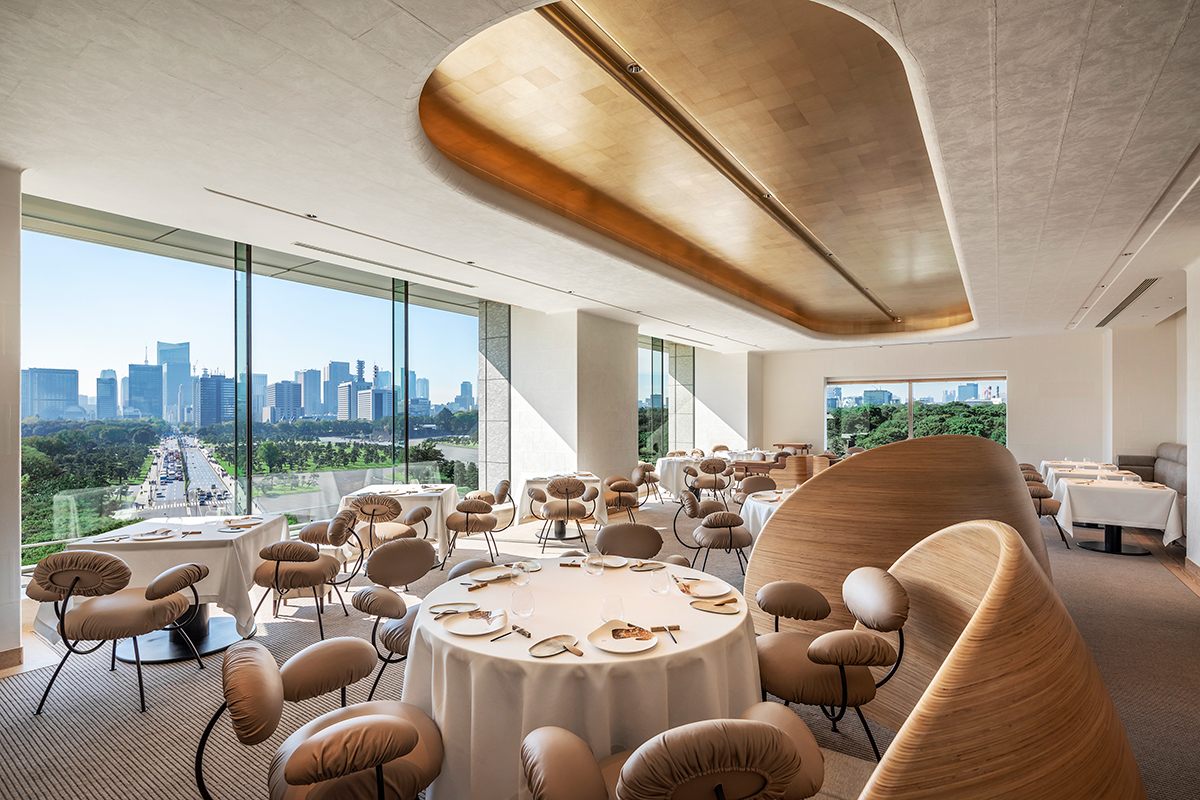
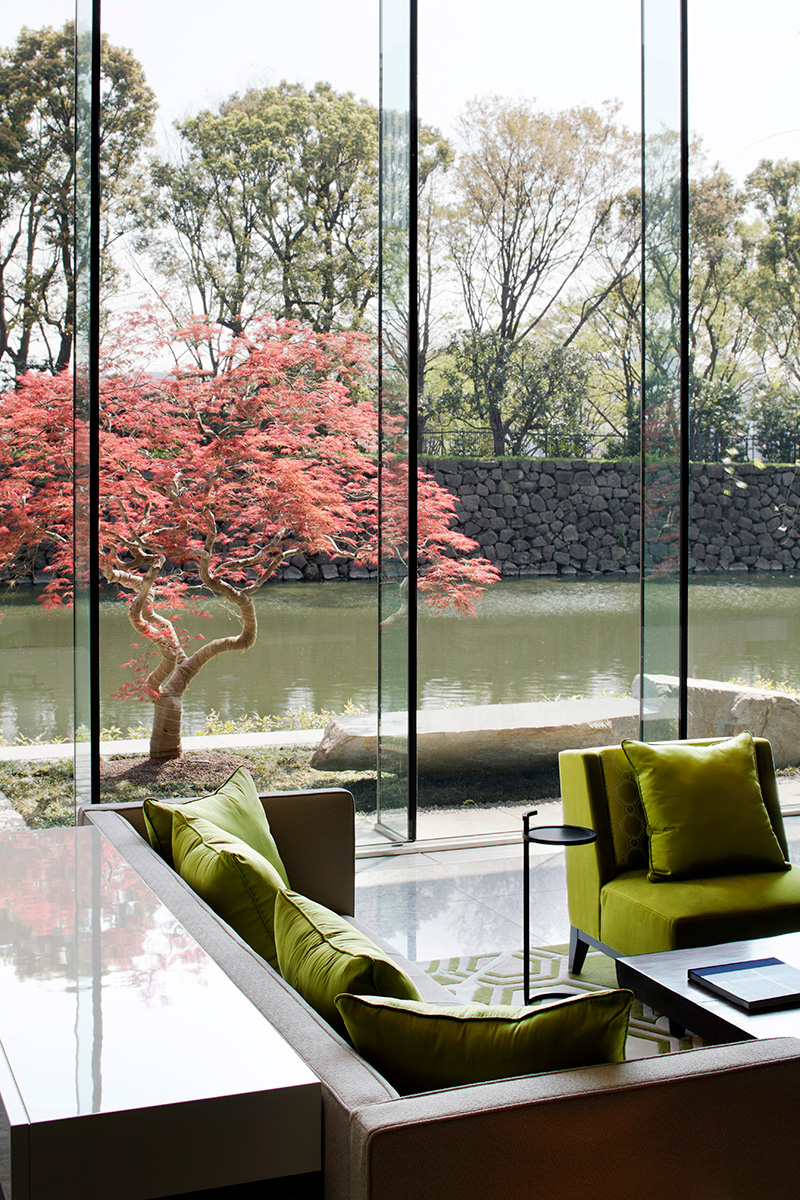
The Palace Hotel Tokyo occupies one of the city’s most distinguished addresses, overlooking the Imperial Palace moat and gardens from the northern edge of Marunouchi. Renowned for its understated interpretation of Japanese luxury, the hotel introduces “Couture Tokyo: The Art of Japanese Fashion” as the latest addition to its acclaimed “Best of Japan” series. More than a shopping-focused itinerary, the experience invites guests to discover Japanese culture through fashion, textile artistry and craftsmanship, offering a deeper perspective on the country’s enduring design philosophy.
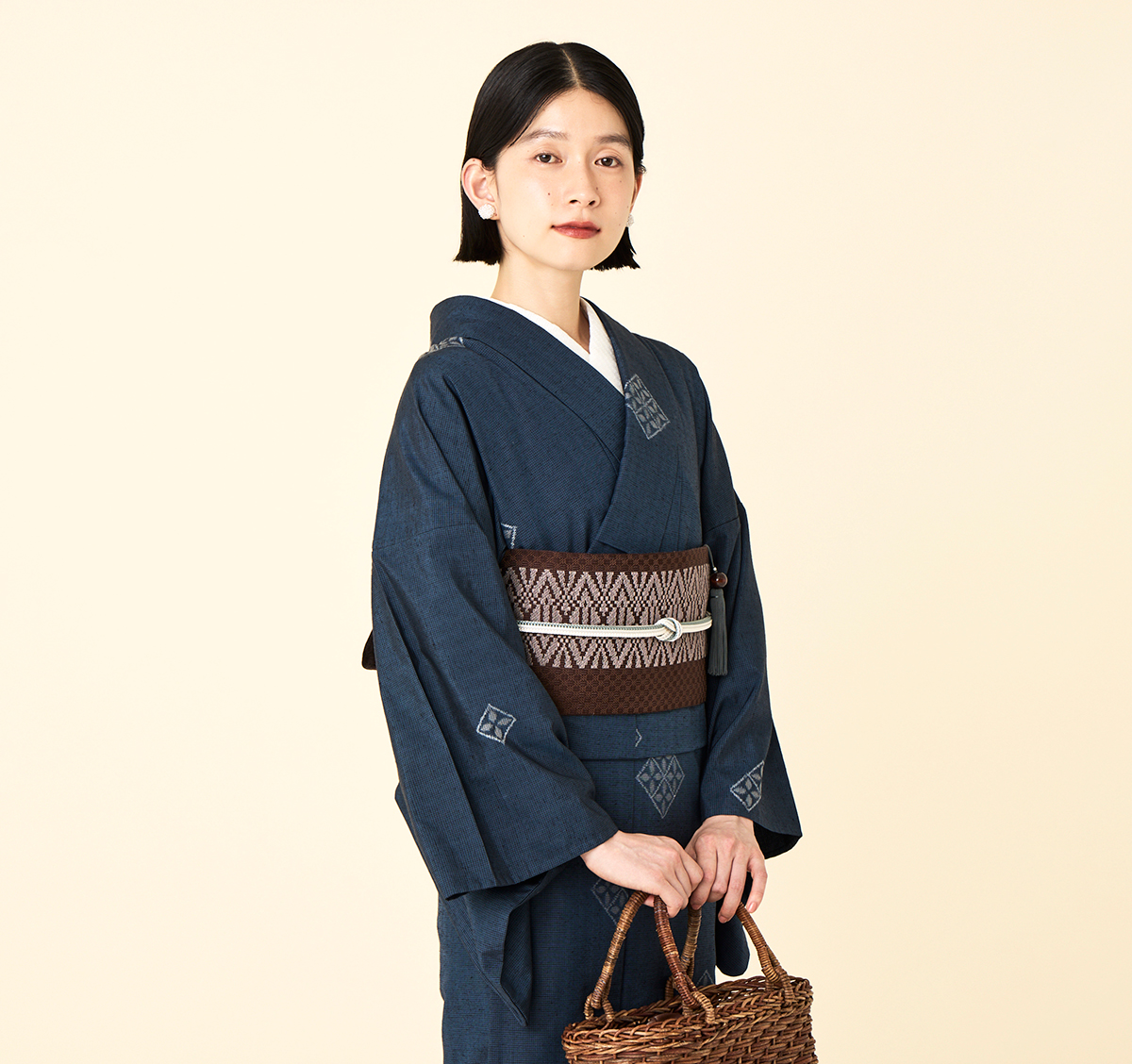
Curated in collaboration with fashion and luxury culture scholar Kaori Nakano, the programme includes a privately guided journey through one of three iconic fashion districts: Ginza, Daikanyama, or Omotesando & Ura-Harajuku. Each route introduces guests to heritage maisons and contemporary Japanese brands that have shaped the nation’s creative identity. The experience also features a special kaiseki dinner at Wadakura inspired by legendary designer Kenzo Takada, complemented by carefully selected details such as an original tote bag by Japanese textile label suzusan.
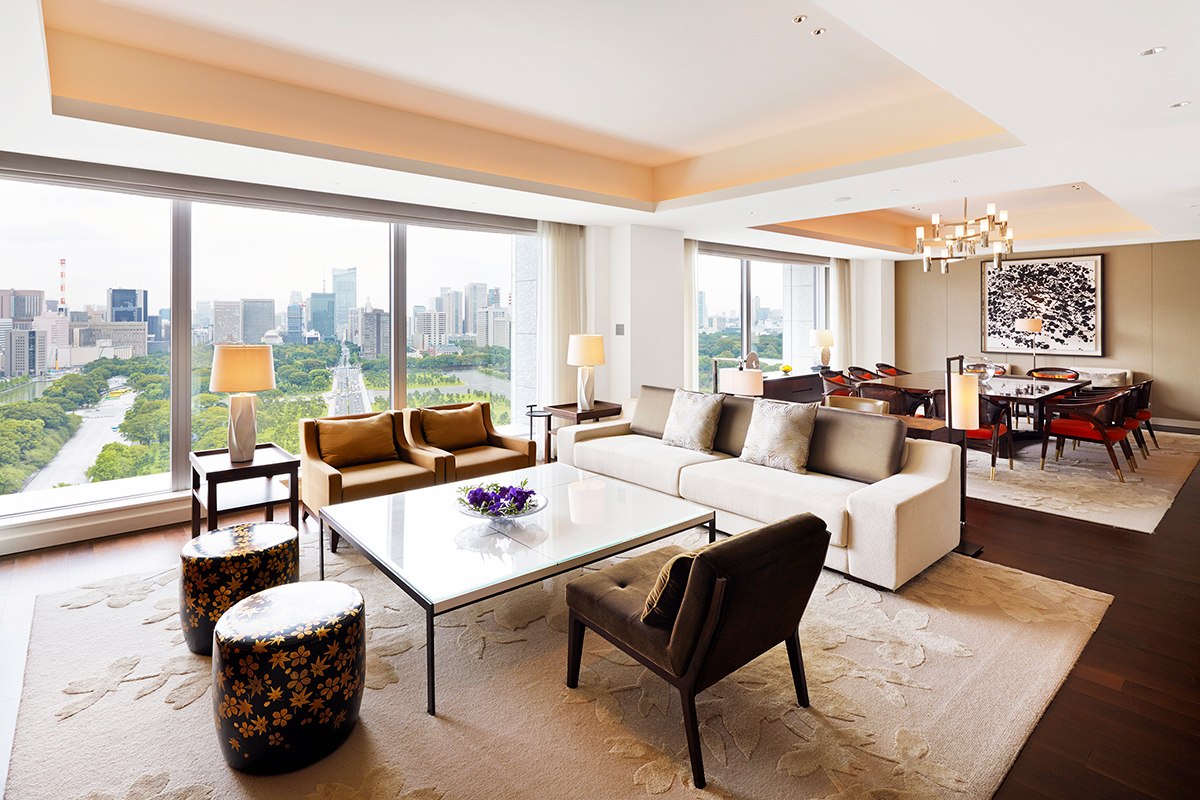
Back at the hotel, spacious guestrooms overlooking the Imperial Palace Gardens provide a serene retreat after exploring Tokyo’s design culture. Beginning at 54 square metres, the accommodations reflect the same sense of quiet sophistication found throughout the property, while six restaurants including the signature French restaurant Crown and the refined Japanese dining of Wadakura complete an experience that celebrates Japanese hospitality with elegance, authenticity and cultural depth.
Address : 1-1-1 Marunouchi, Chiyoda-ku (2-min walk from Otemachi Station)
Aman Tokyo
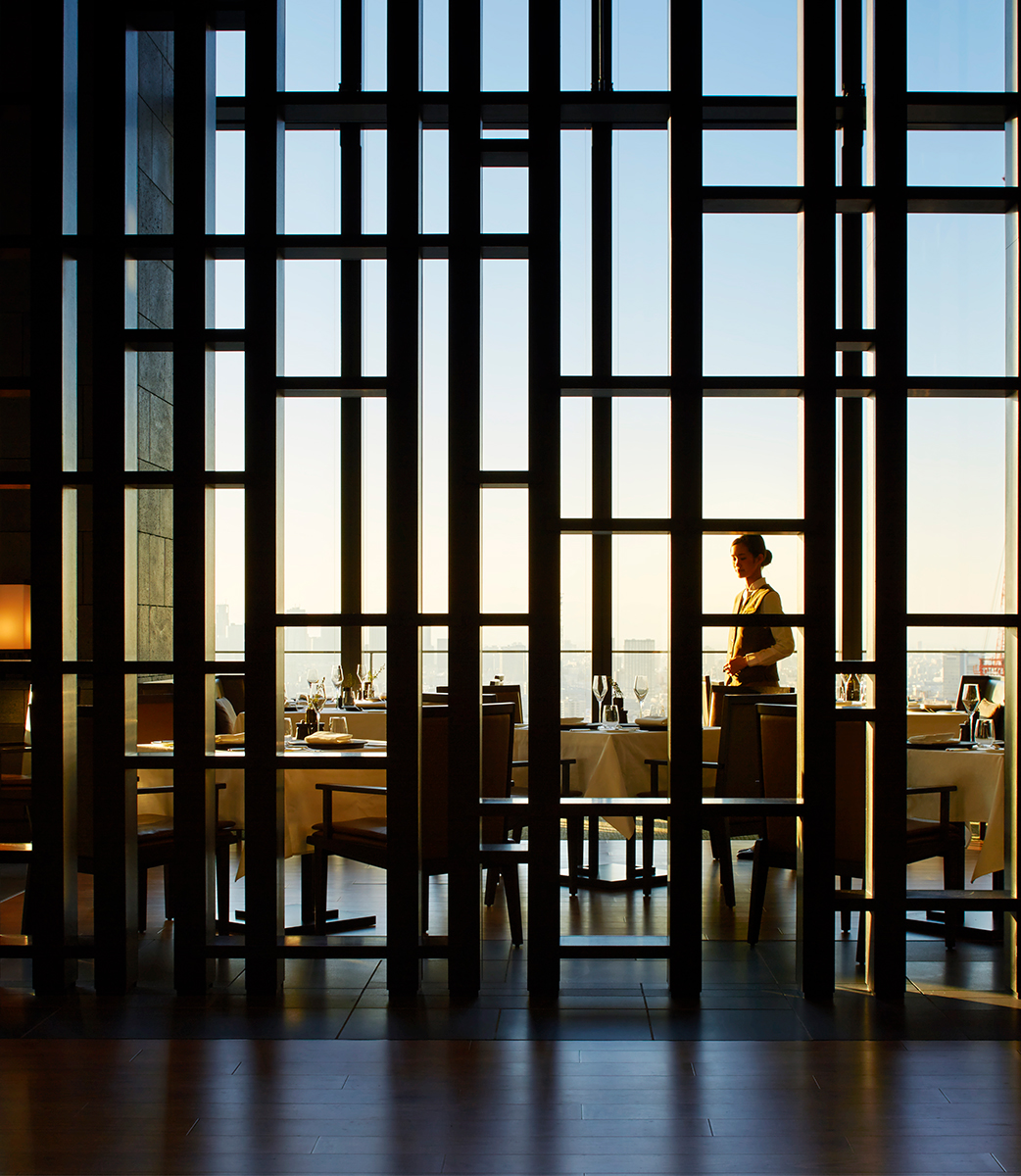
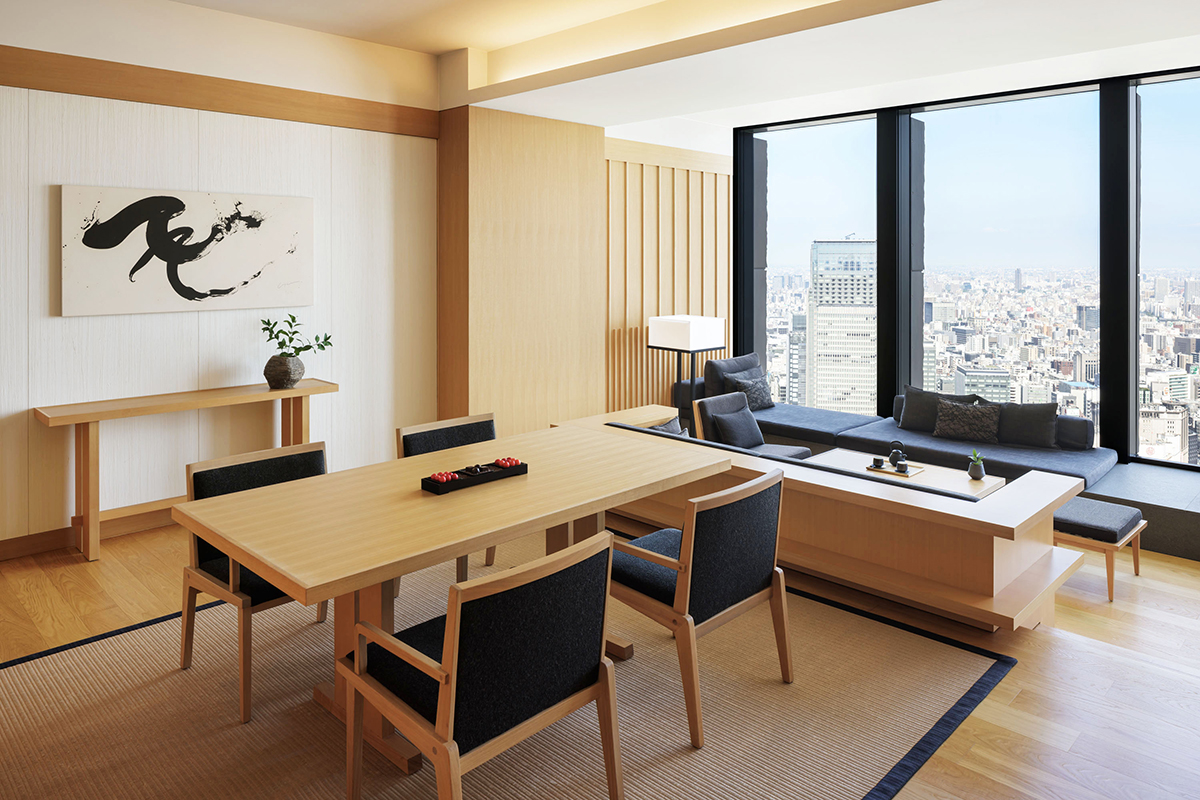
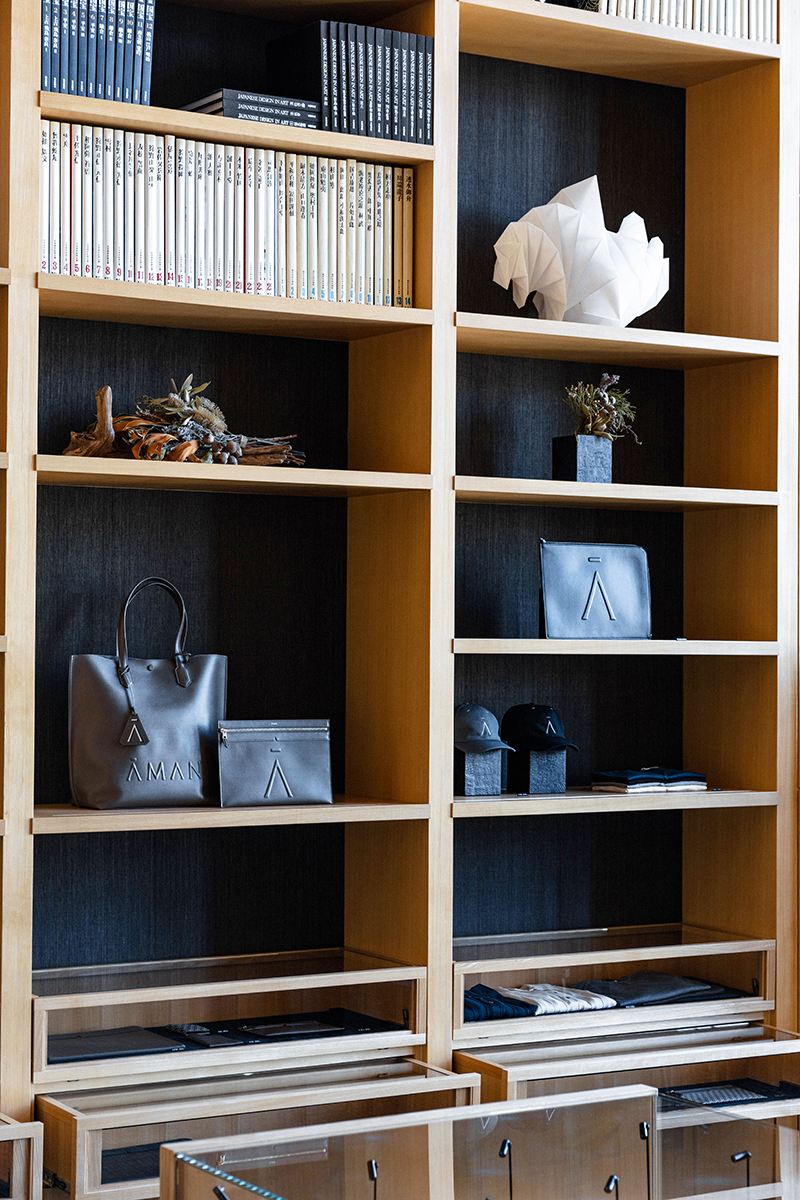
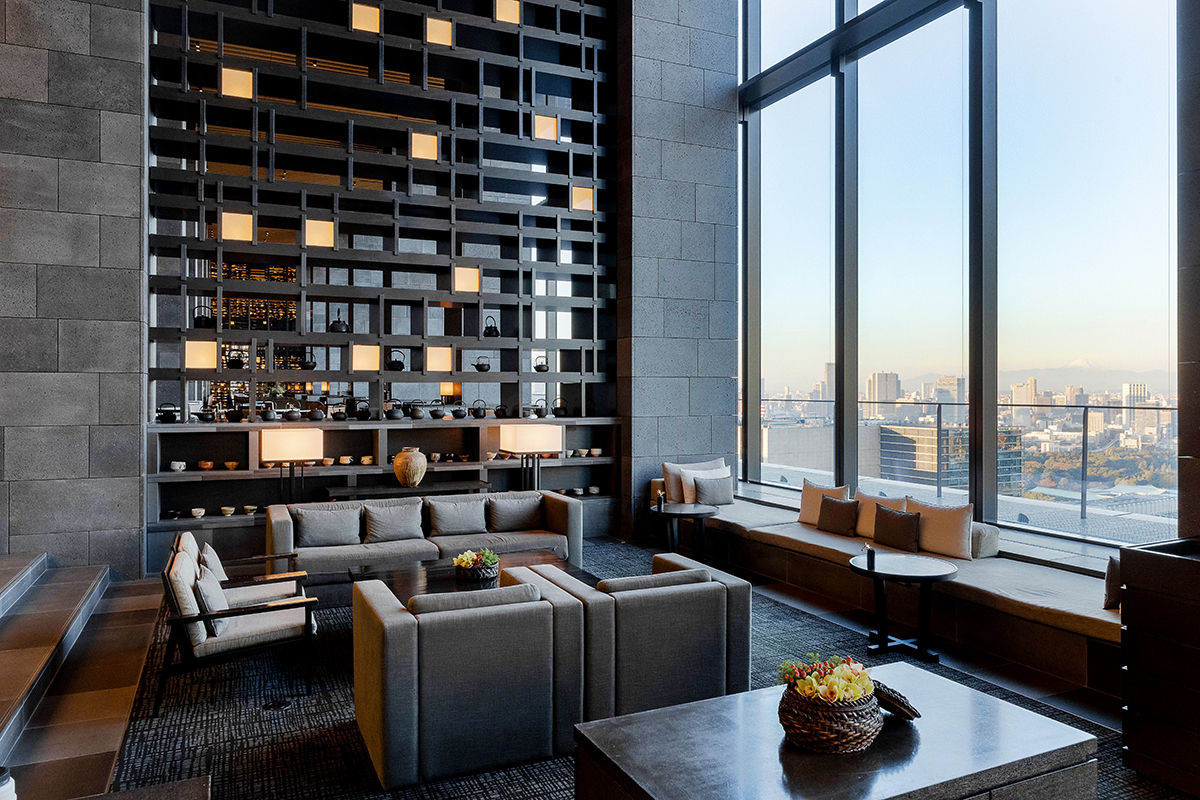
An urban sanctuary suspended above the heart of Japan’s capital, occupying the top six floors of The Otemachi Tower in the prestigious Otemachi district. As Aman’s first city hotel, it brings the brand’s signature philosophy of tranquility and refined hospitality into one of the world’s most dynamic cities. Designed with inspiration from traditional Japanese residences, the hotel’s soaring lobby, natural materials such as washi paper, wood and stone, and views extending across the Imperial Palace Gardens, Tokyo skyline and even Mount Fuji create a serene retreat above the city.
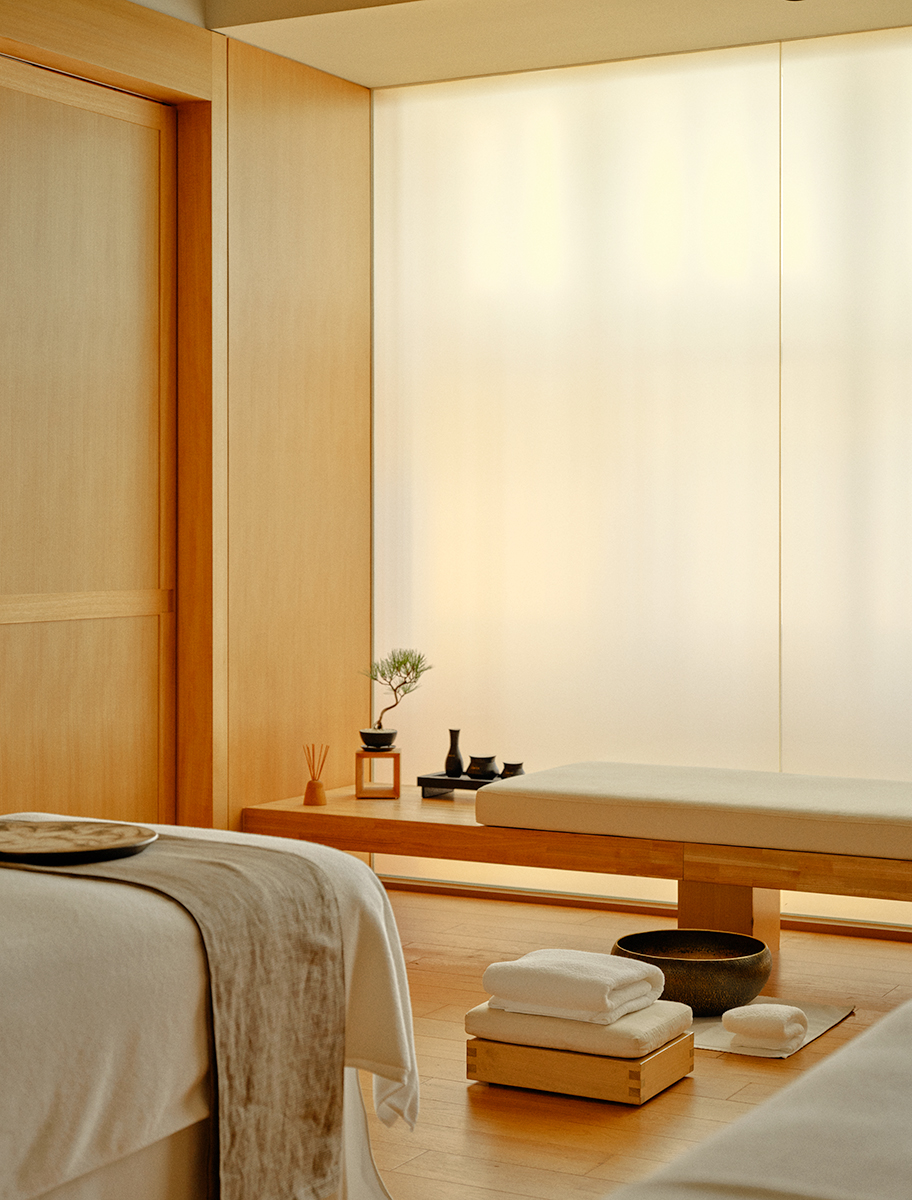
The hotel features 84 elegant suites, each designed with spacious layouts, floor-to-ceiling views and a deep-soak Japanese furo bathtub. From the intimate Tokyo Suites to the expansive Aman Suites overlooking the Imperial Palace Gardens, every accommodation reflects a balance of contemporary luxury and Japanese craftsmanship. Guests can also enjoy the exceptional Aman Spa, a 2,500-square-metre wellness sanctuary featuring treatment rooms, a 30-metre indoor pool, fitness facilities, yoga and Pilates studios, traditional Japanese baths and panoramic city views.
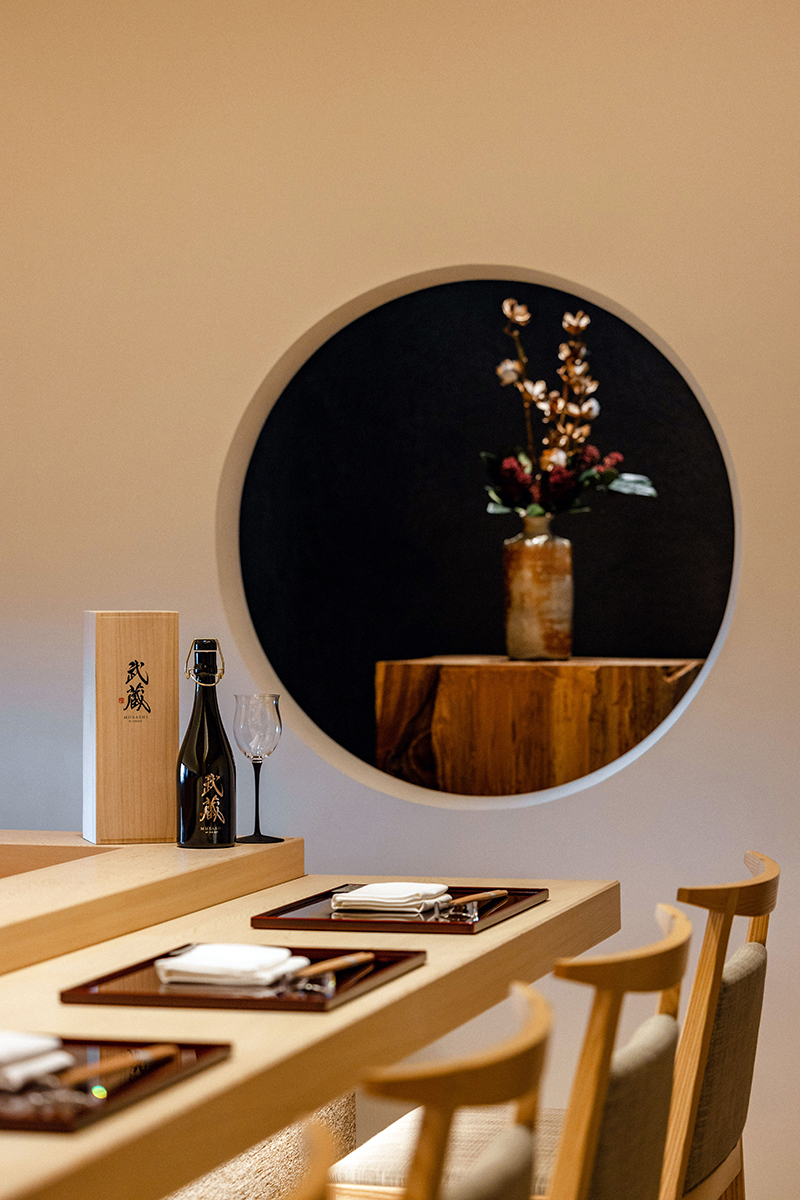
Dining at Aman Tokyo celebrates both international excellence and Japanese artistry. Arva at Aman Tokyo presents seasonal Italian cuisine with views of the Imperial Palace Gardens and a striking glass wine cellar, while Musashi by Aman offers an intimate Edomae-style sushi experience showcasing the precision of Japanese craftsmanship. Complementing these venues are The Lounge by Aman, The Café by Aman and La Pâtisserie by Aman Tokyo, offering everything from afternoon tea and casual dining to handcrafted pastries, making Aman Tokyo a destination where refined experiences unfold from morning to night.
Address : The Otemachi Tower, 1-5-6 Otemachi, Chiyoda-ku (5-min walk from Tokyo Station and Otemachi Station)