The “New Origin” of Seoul Where Design, Innovation, Fashion
Once defined by fast trends and pop culture exports, Seoul has quietly evolved into one of the world’s most compelling creative capitals. Today’s Seoul is not about loud statements, it is about intentional design, technological sensitivity, and fashion that lives with its wearer. Rooted in heritage yet driven by experimentation, the city has become a new origin point for how modern luxury is imagined, worn, and experienced.
The Creative Pulse of Contemporary Asia
Beneath Seoul’s striking architecture lies a city shaped by creativity, where heritage and modern innovation come together to define a new rhythm of contemporary Asian living.
Recommended: Combine Fashion with Culture – Pair your shopping with visits to nearby galleries, architectural landmarks, or traditional neighborhoods to experience how Seoul’s heritage and contemporary creativity naturally coexist.
Design & Innovation
The Deconstruction of Luxury
In Seoul, luxury is no longer defined by excess. Instead, it is reinterpreted through restraint, functionality, and cultural intelligence. Korean designers are dismantling traditional hierarchies blurring gender lines, questioning seasonality, and prioritizing materials that age beautifully over logos that shout.
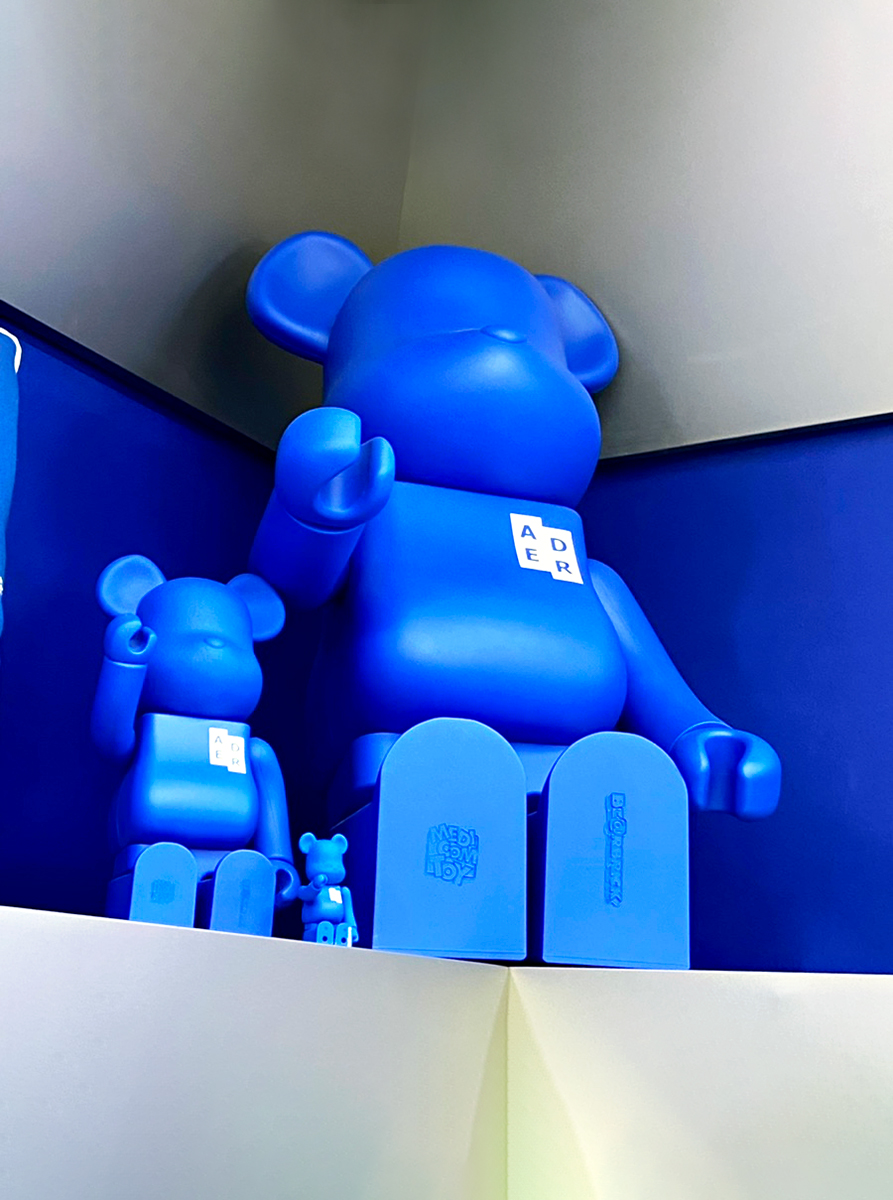
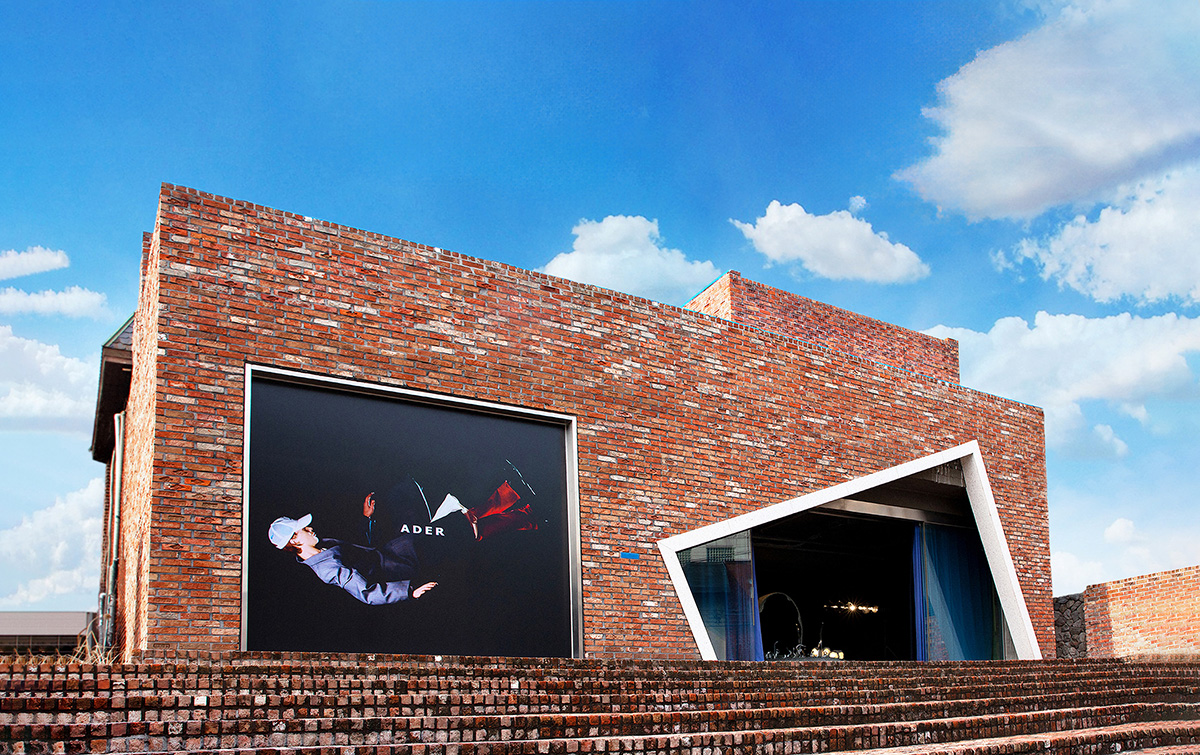
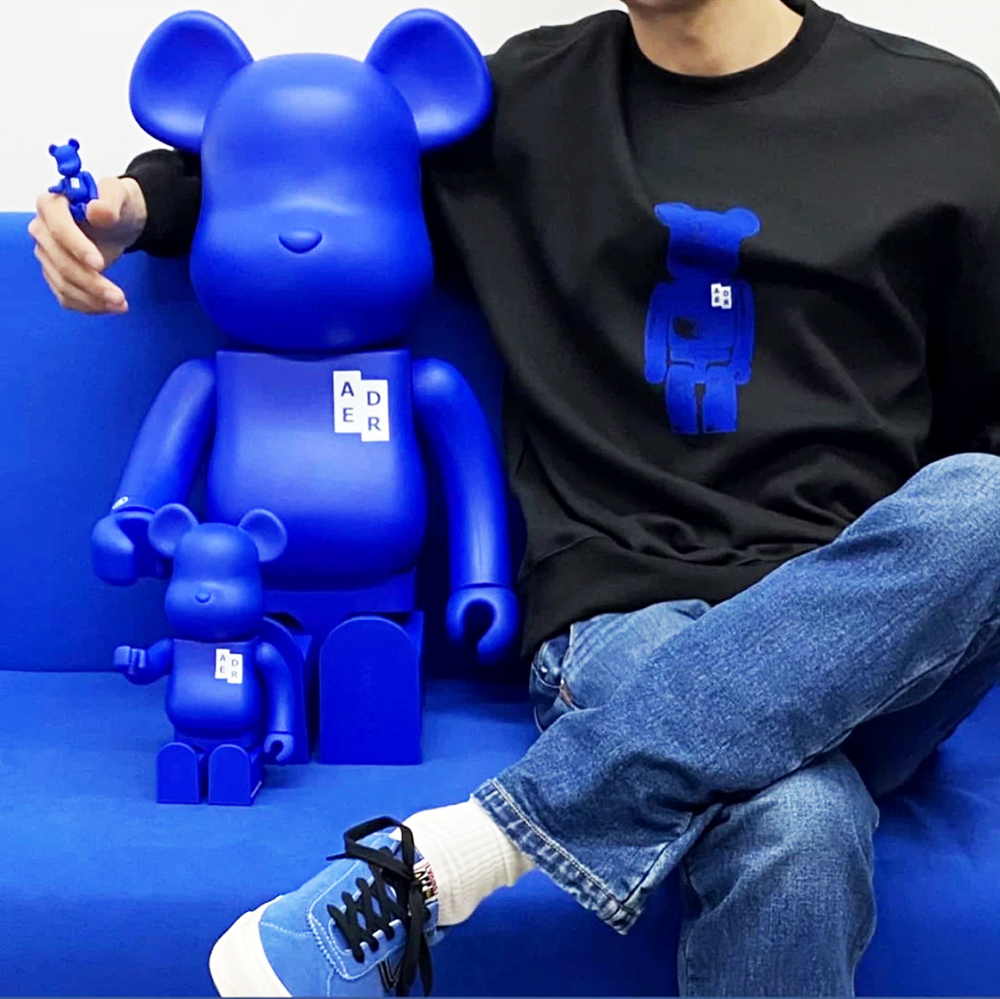
Labels such as ADER ERROR Hongdae Space and Kijun champion hyper-local narratives, turning everyday Korean silhouettes into globally relevant statements. Sustainability here is not marketed, it is embedded. Garments are designed to be worn repeatedly, layered intuitively, and adapted across lifestyles.
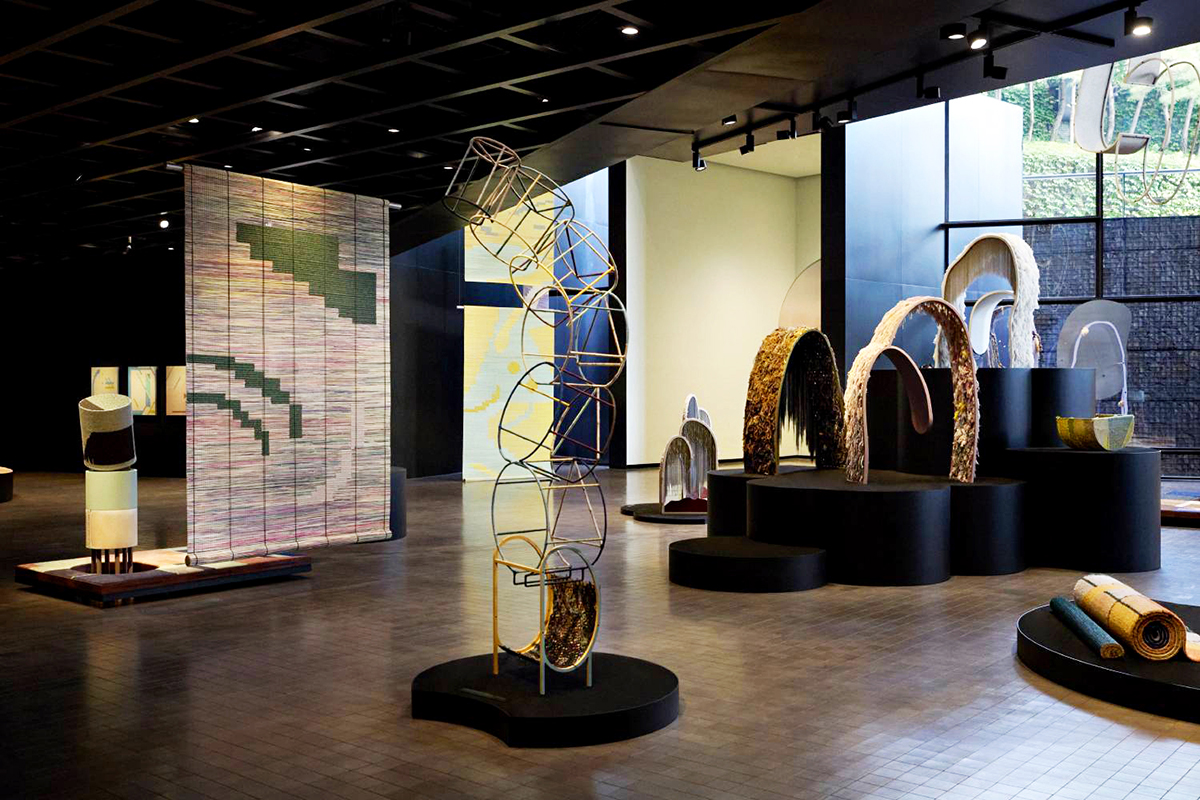
This philosophy extends beyond fashion into product and spatial design. Seoul’s creative economy thrives on small studios, experimental collectives, and design labs where craft meets code. Technology is not a spectacle, it is a tool to enhance tactility, comfort, and human connection.
Stunning Architecture
Buildings That Shape Culture
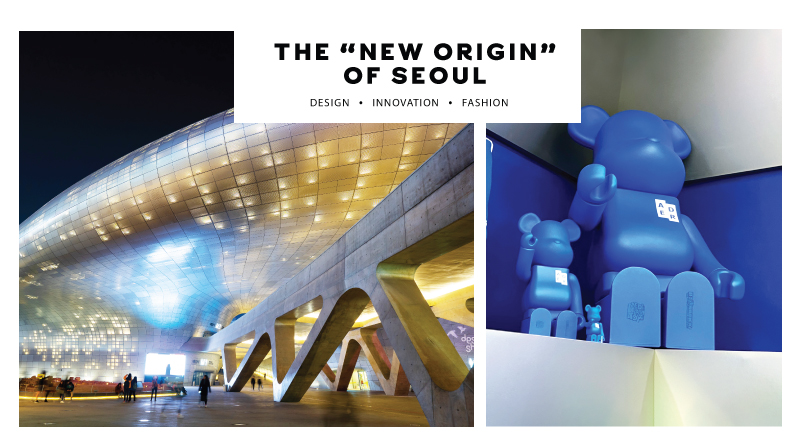
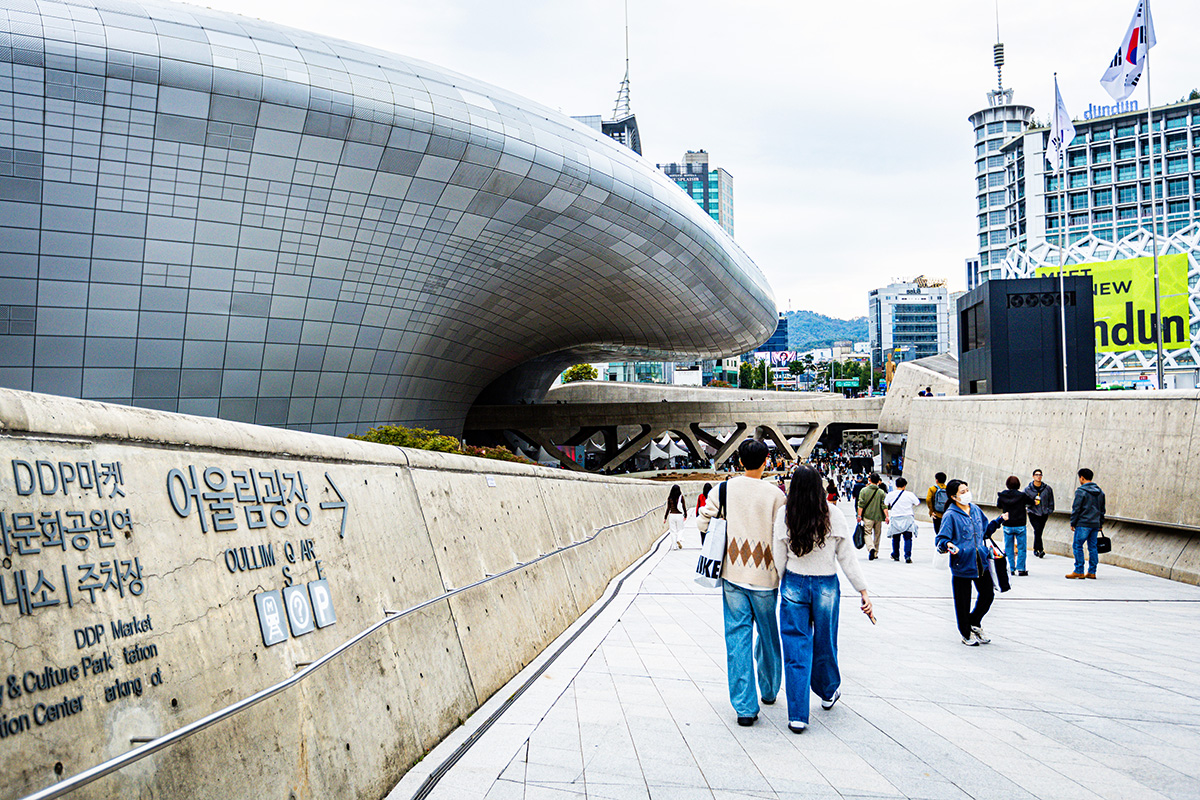
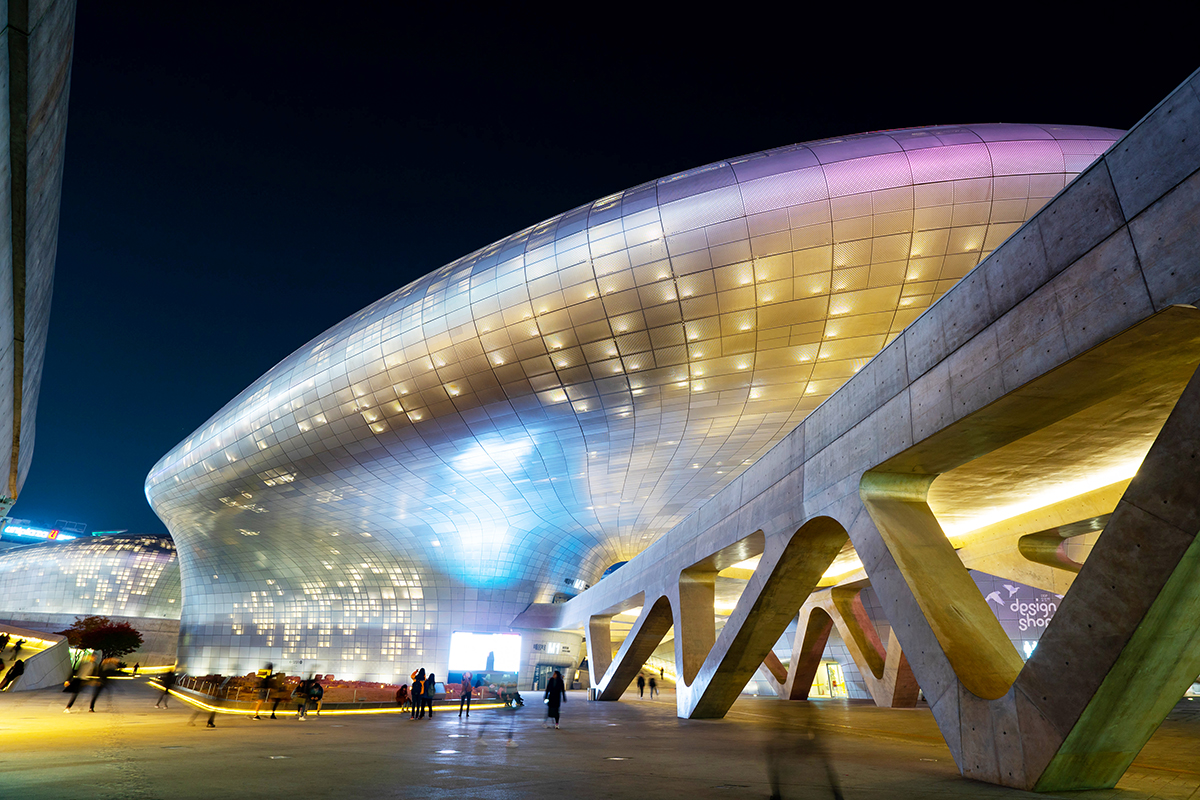
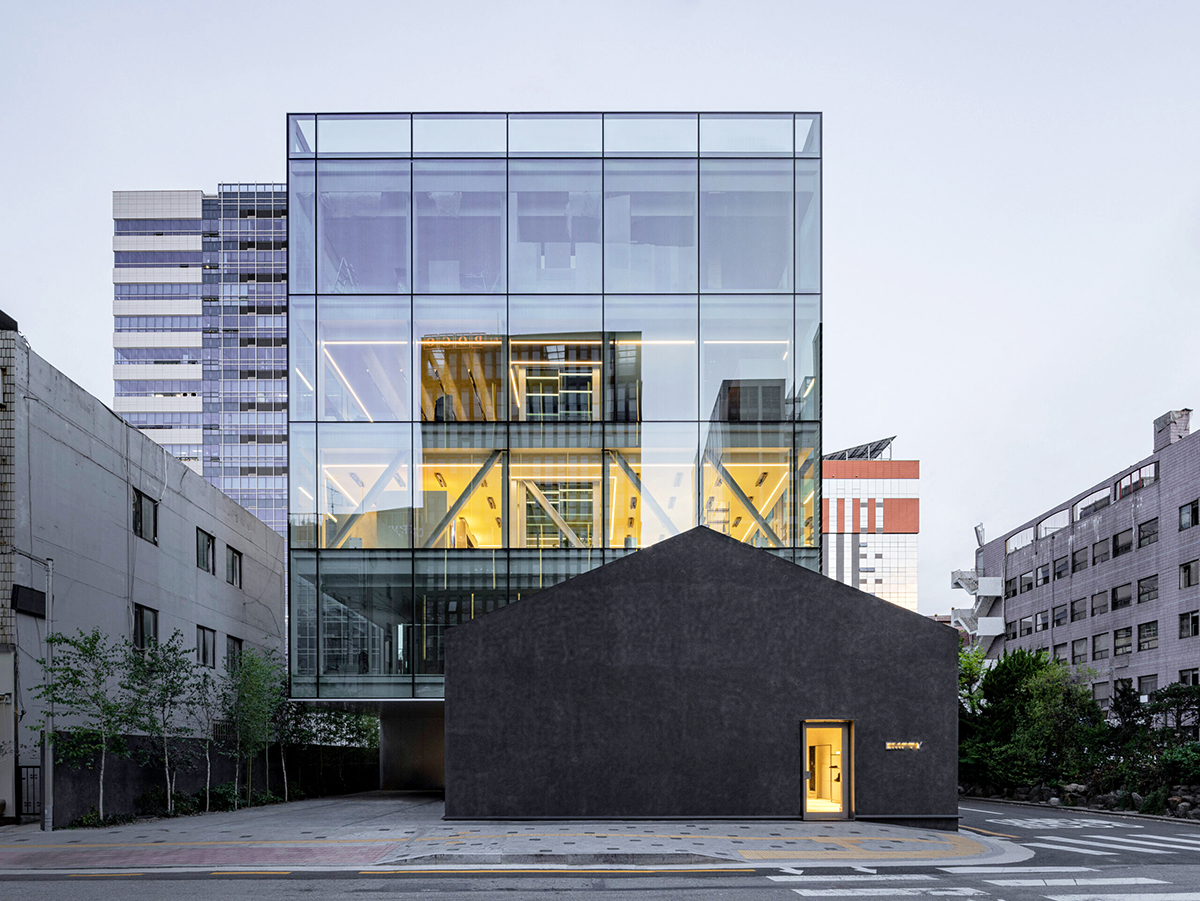
Seoul’s skyline tells a story of coexistence ancient palaces resting beside futuristic forms. Few structures embody this dialogue better than Dongdaemun Design Plaza, designed by Zaha Hadid. Its fluid curves house exhibitions, fashion shows, and design markets, functioning as both cultural engine and urban living room.
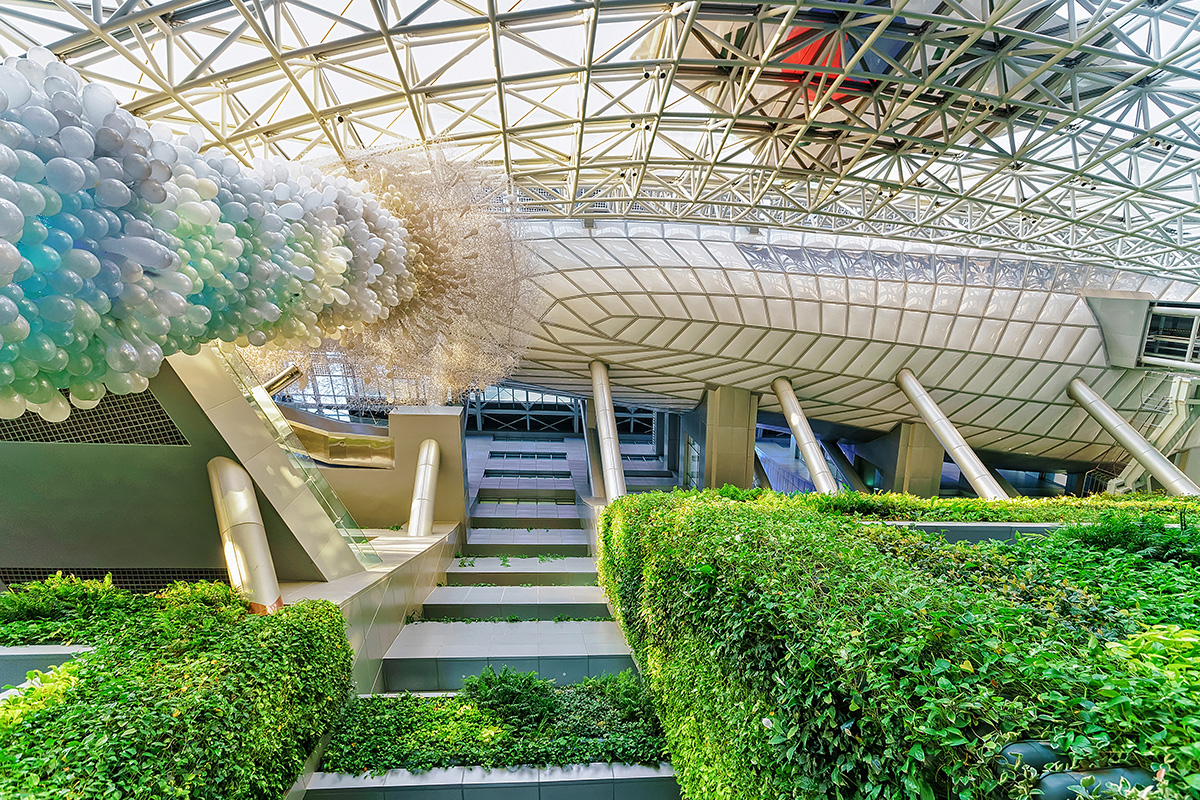
Equally symbolic is Leeum Samsung Museum Of Art, where traditional Korean art, contemporary works, and architectural brilliance intersect within a single complex. Meanwhile, Seoul City Hall with its wave-like glass extension demonstrates how sustainability and civic design can merge gracefully.
In Seoul, architecture is never static. Buildings are designed to evolve with their communities, reflecting the city’s belief that design must serve both beauty and purpose.
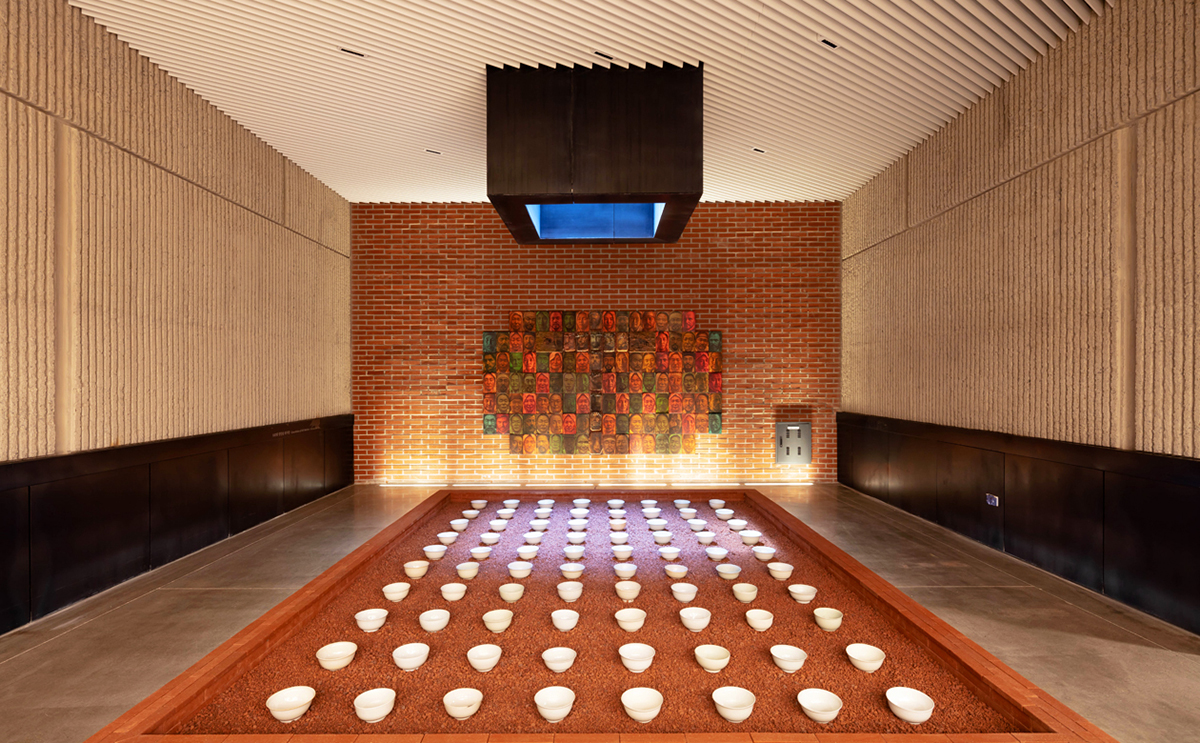
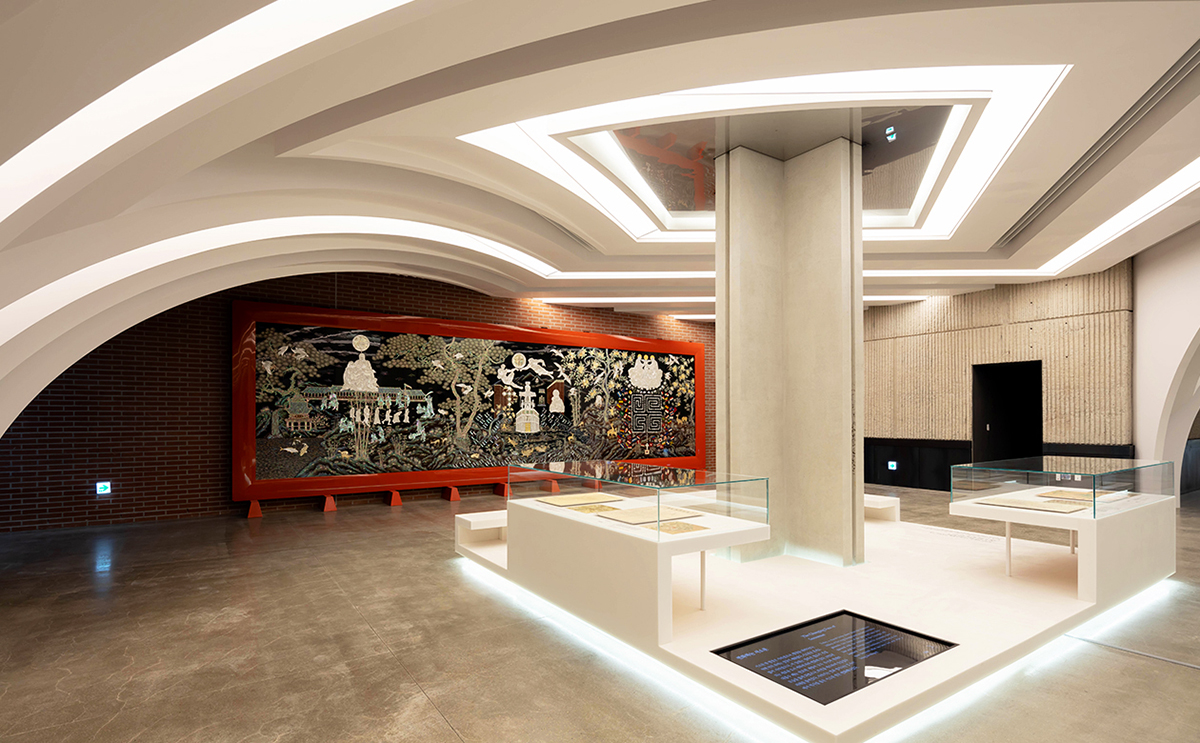
Seosomun Shrine History Museum stands as one of Seoul’s most compelling examples of contemporary architecture shaped by memory and meaning. Designed as a serene, largely subterranean space within Seosomun Historic Park, the museum commemorates one of Korea’s most significant martyrdom sites through an immersive environment where light, shadow, and silence become part of the narrative. Its minimalist design creates a powerful emotional journey, blending sacred reflection with modern spatial elegance.
More than a museum, it reflects Seoul’s ability to honour the past through visionary design. Seamlessly connected to the surrounding park and cityscape, the structure expresses the belief that architecture should preserve heritage while inspiring future generations.
Fashion as a Way of Life
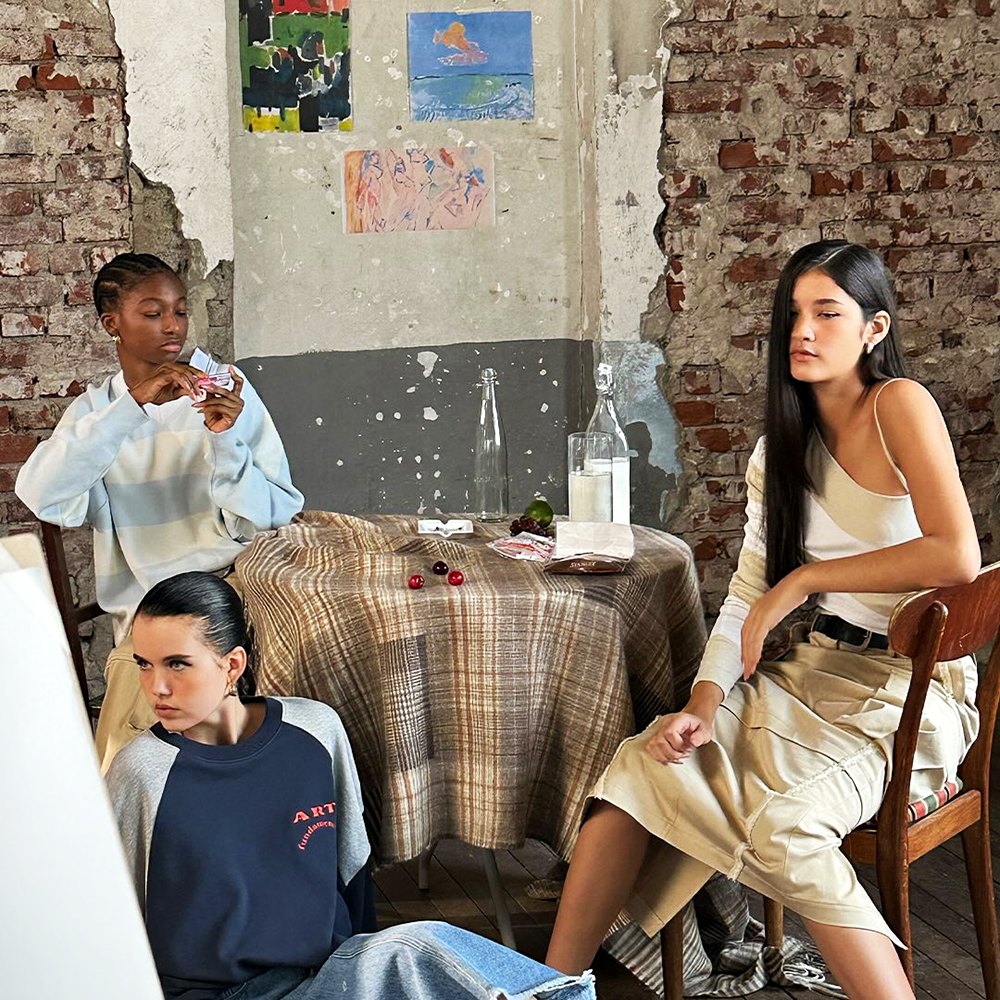
What makes Seoul’s style scene truly distinctive is its wearability. Street fashion here is thoughtful rather than performative layered looks, muted palettes, and silhouettes that prioritize movement and comfort. Trends emerge organically from neighborhoods, cafés, and university streets, not just runways.
Districts like Seongsu-dong, often dubbed the Brooklyn of Seoul, and the stylish enclave of Hannam-dong have emerged as vibrant creative hubs. Here, concept stores and independent designers flourish alongside hybrid spaces where fashion seamlessly intersects with art, specialty coffee, and a thriving sense of community, reflecting the dynamic spirit of Seoul’s contemporary culture.
New Concept of Lifestyles
In Seoul, shopping has evolved far beyond traditional retail to become a multisensory lifestyle experience, where fashion, design, architecture, and community seamlessly intersect. Rather than simply purchasing products, visitors are immersed in carefully curated environments that express identity and creativity through spatial design, materials, and storytelling. Retail spaces now function as cultural platforms, inviting people to explore, interact, and connect reflecting a city where everyday life is shaped by aesthetic awareness and intentional living. This transformation is exemplified by destinations such as Common Ground and Musinsa Empty Seongsu, each offering a distinct interpretation of modern urban culture.
Common Ground
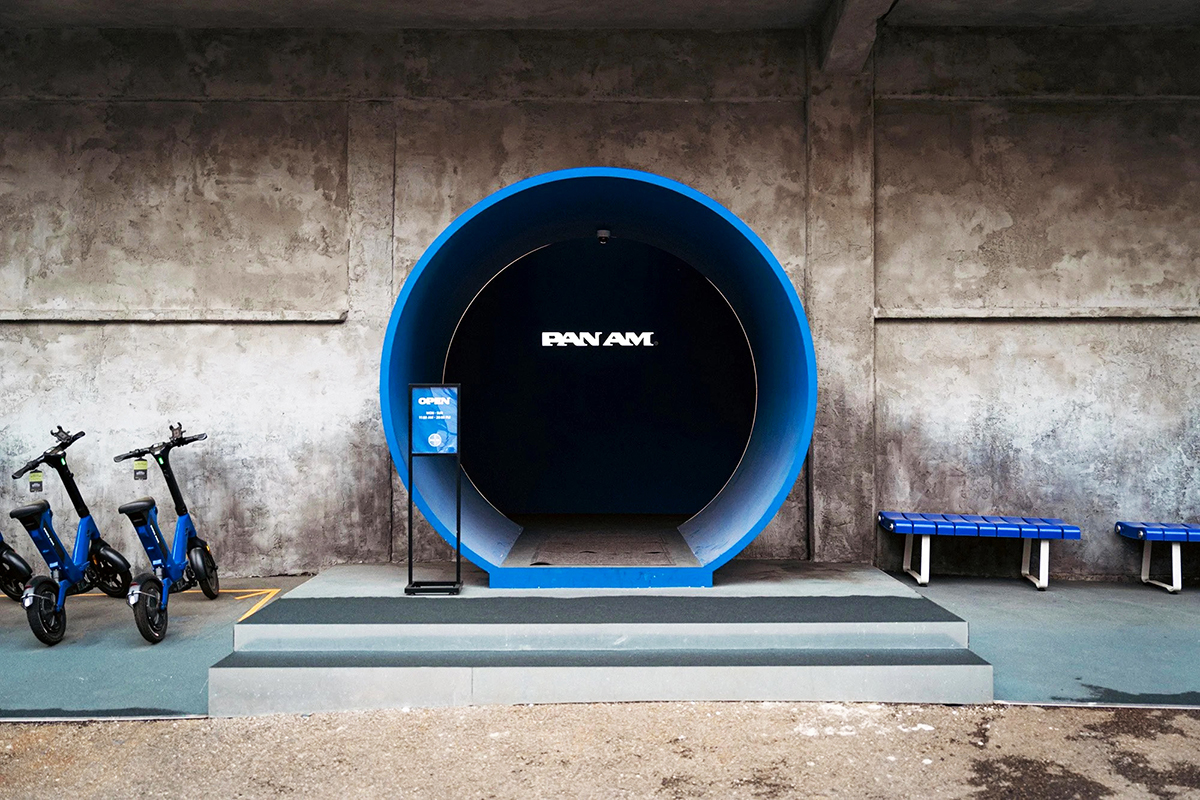
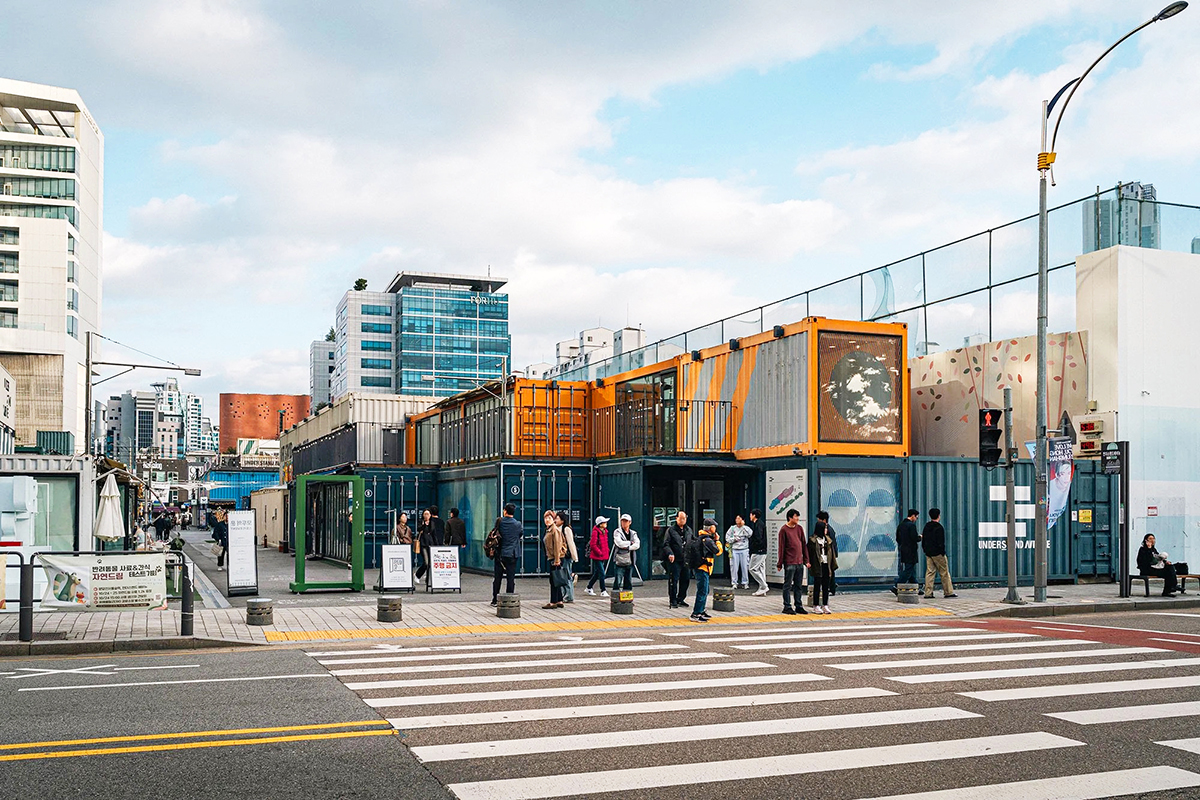
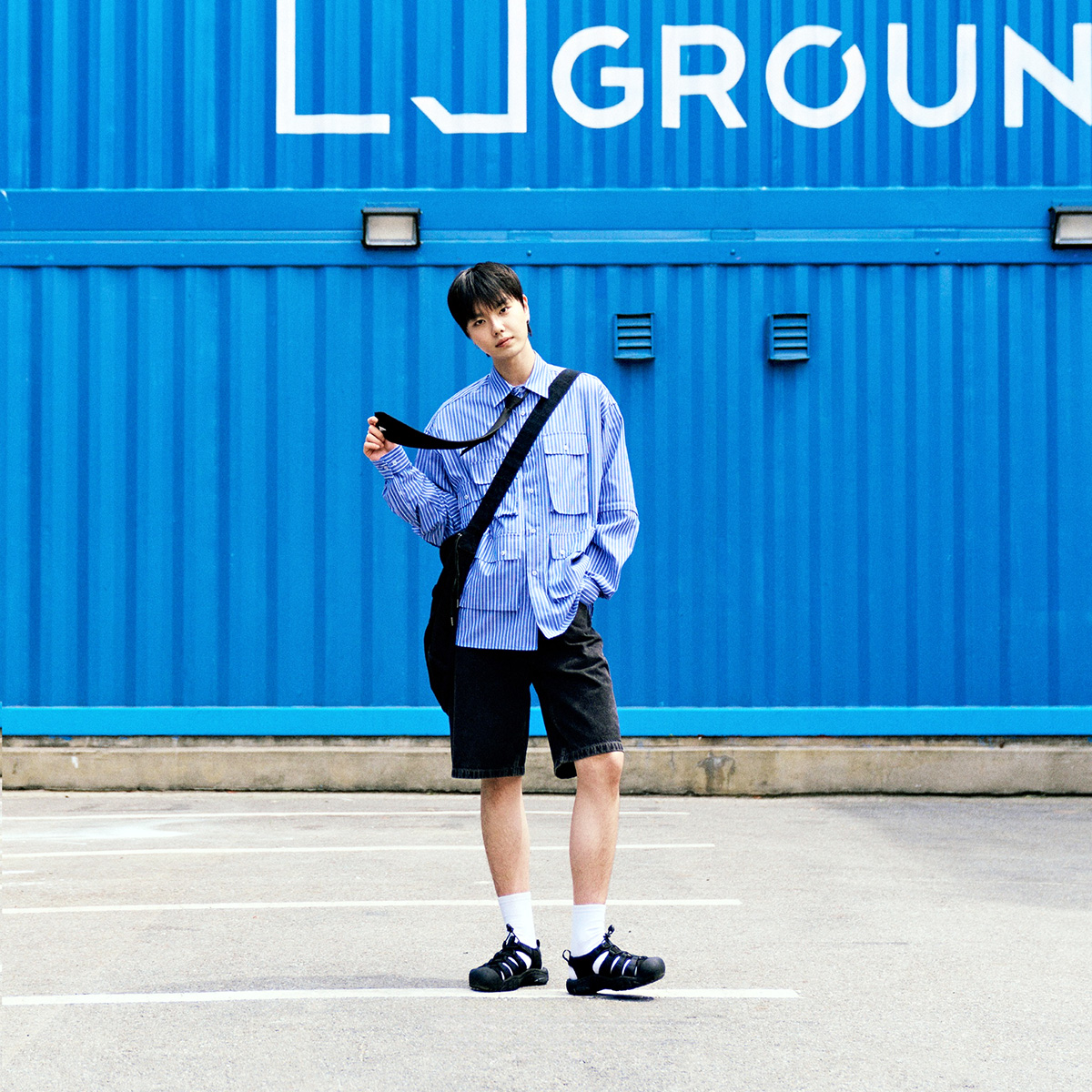
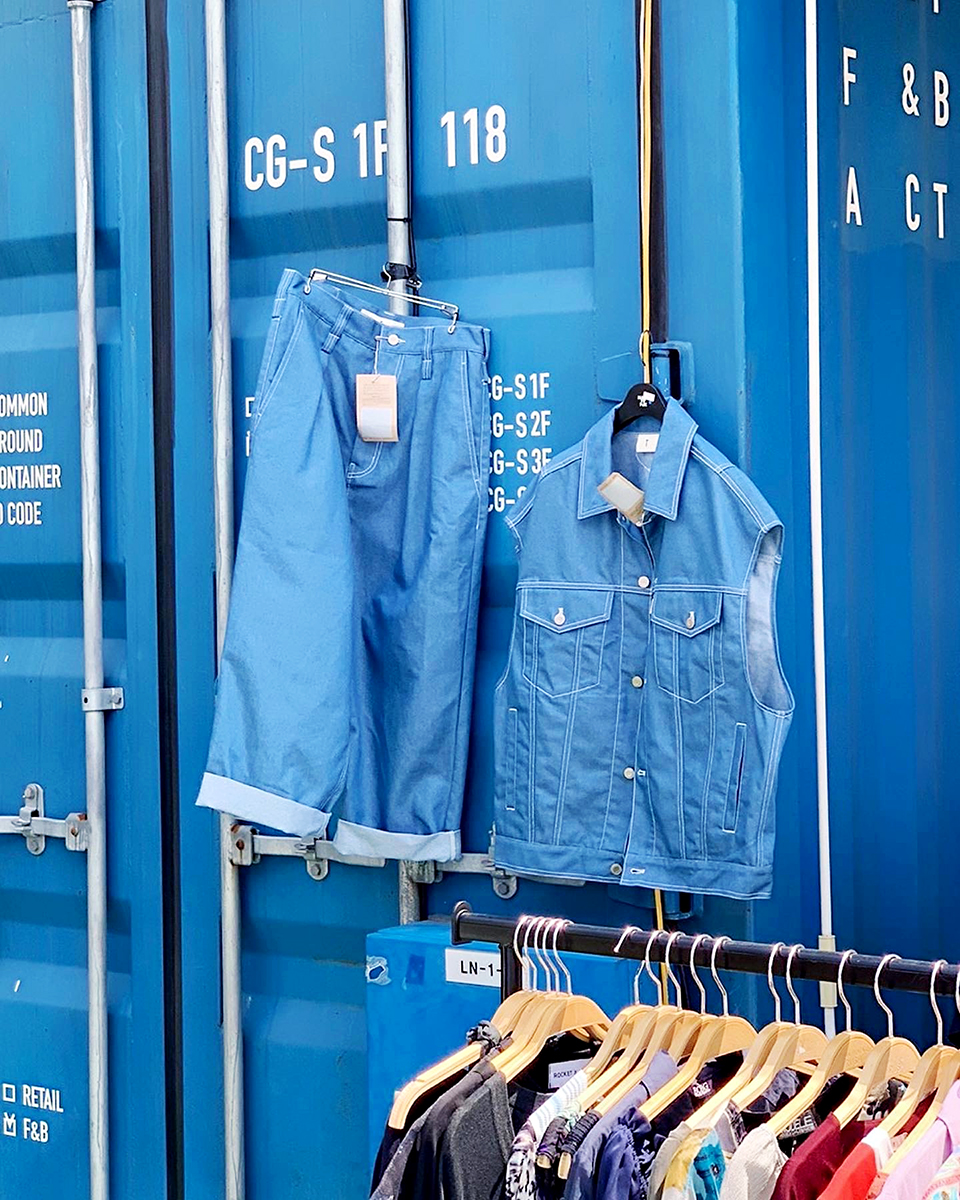
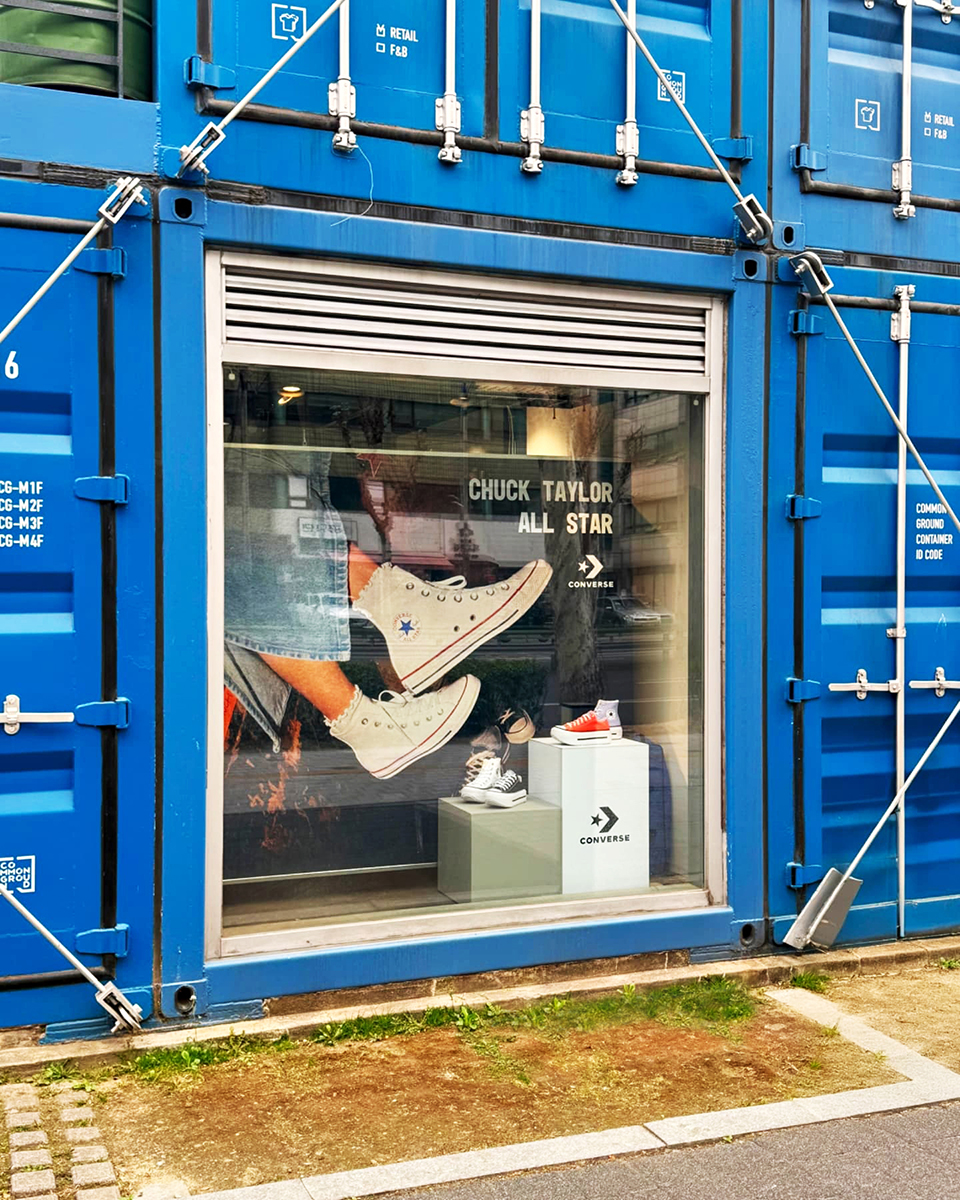
Constructed entirely from bold blue shipping containers, Common Ground reimagines the concept of a shopping mall as an open, urban playground. The modular structure houses a rotating mix of emerging streetwear brands, indie designers, and pop-up stores, creating an ever-changing retail landscape that reflects Seoul’s dynamic youth culture. Open-air courtyards and rooftop terraces encourage visitors to linger, blending shopping with social interaction, street food, and casual gatherings. The result is a space that feels spontaneous, creative, and deeply connected to the city’s street-level energy.
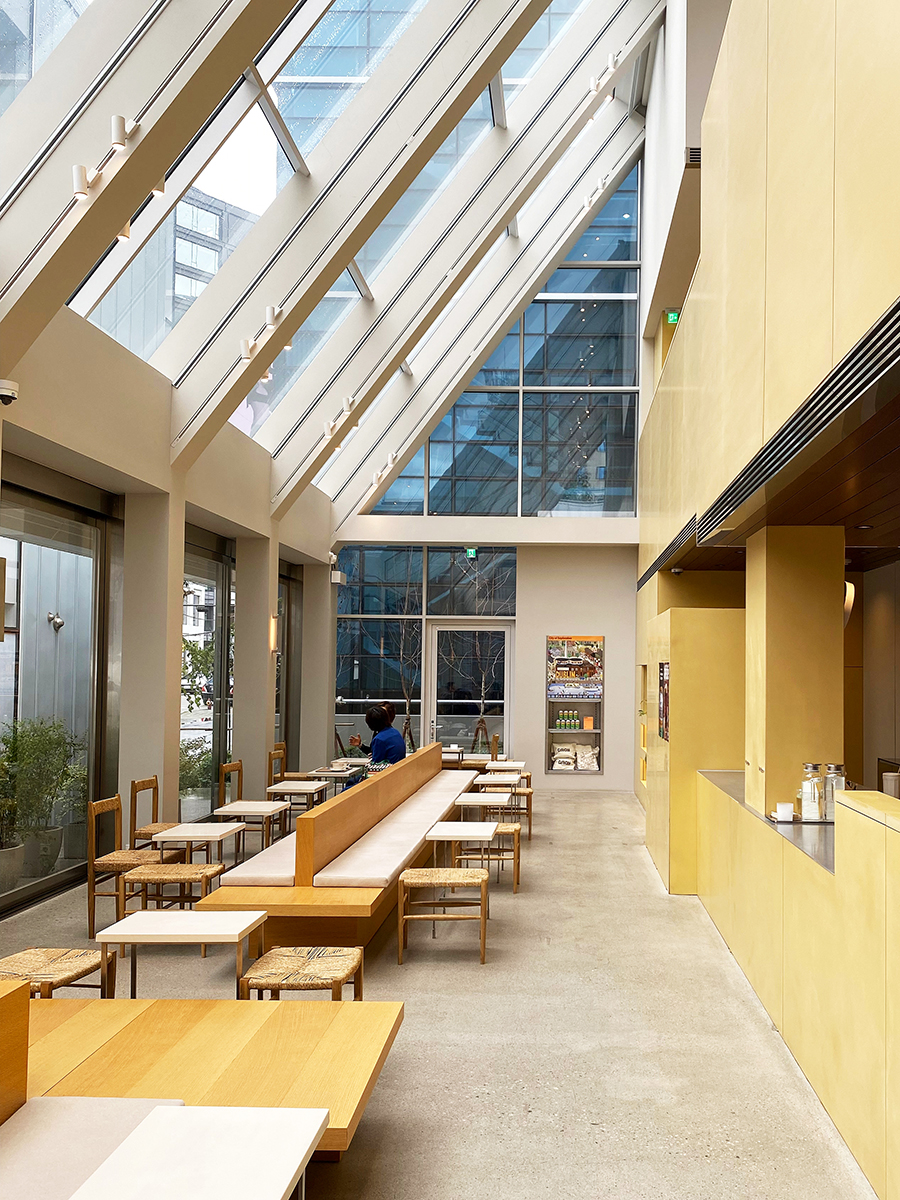
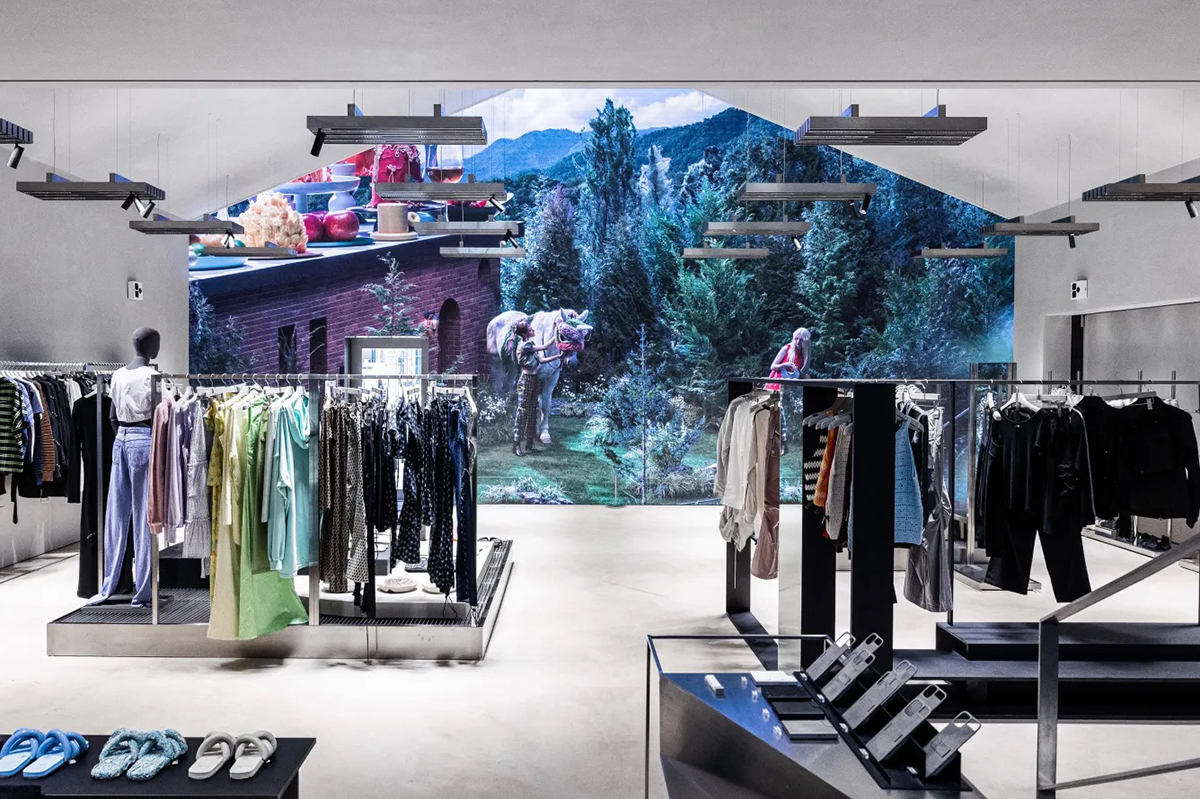
In contrast, Musinsa Empty Seongsu offers a more introspective and experimental approach, blurring the line between retail and exhibition space. Designed with a minimalist, gallery-like aesthetic, the space showcases carefully curated niche brands and rotating pop-ups, where fashion is presented as a form of cultural storytelling rather than mere consumption. Clean lines, open layouts, and immersive displays encourage visitors to engage slowly and thoughtfully, transforming the act of shopping into an experience of discovery, creativity, and self-expression.
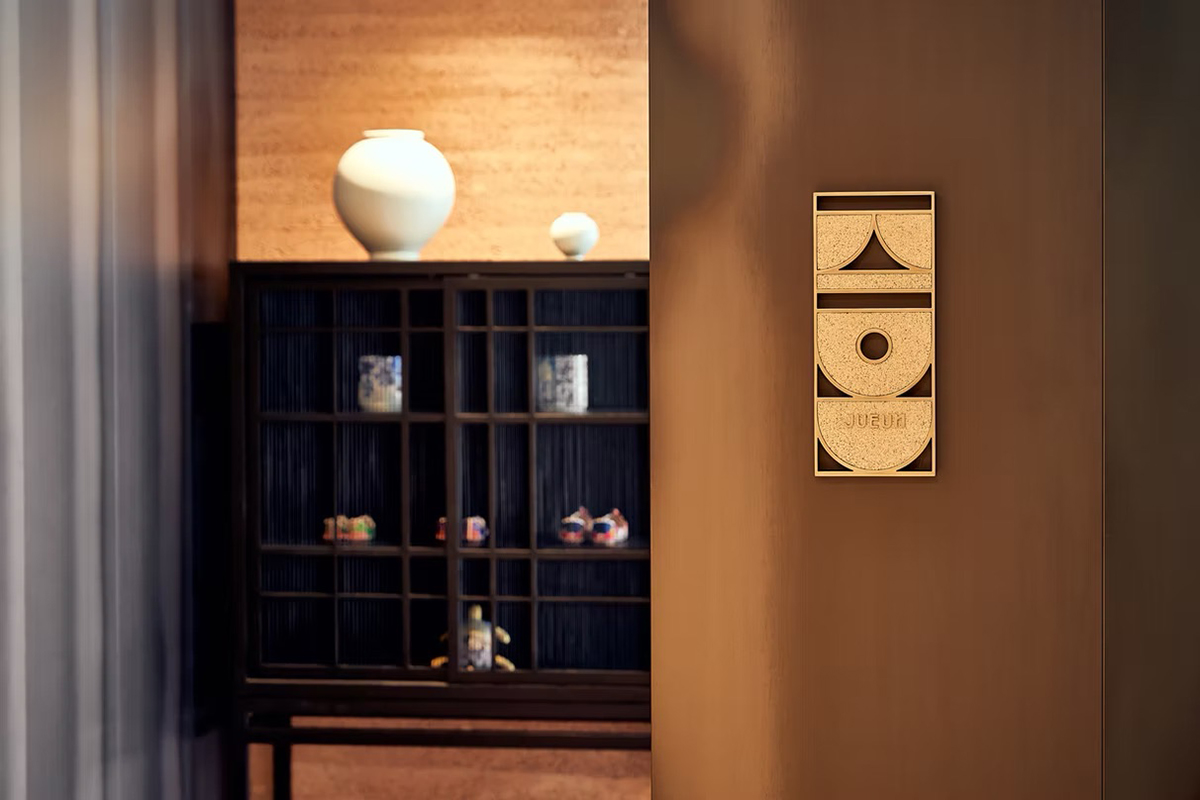
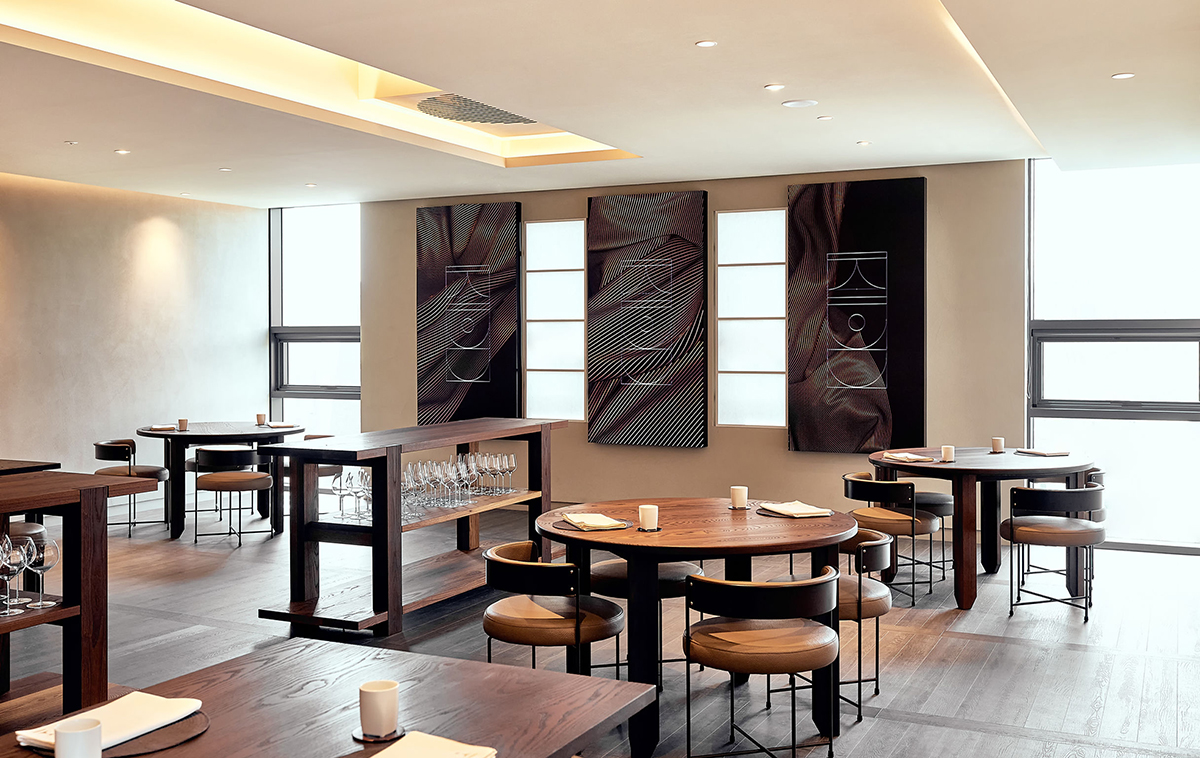
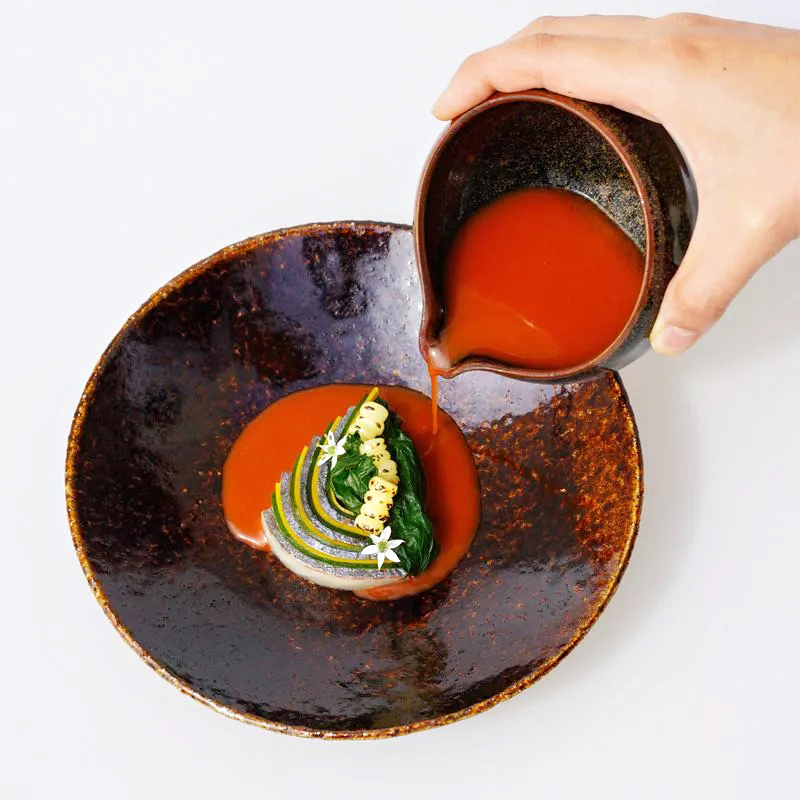
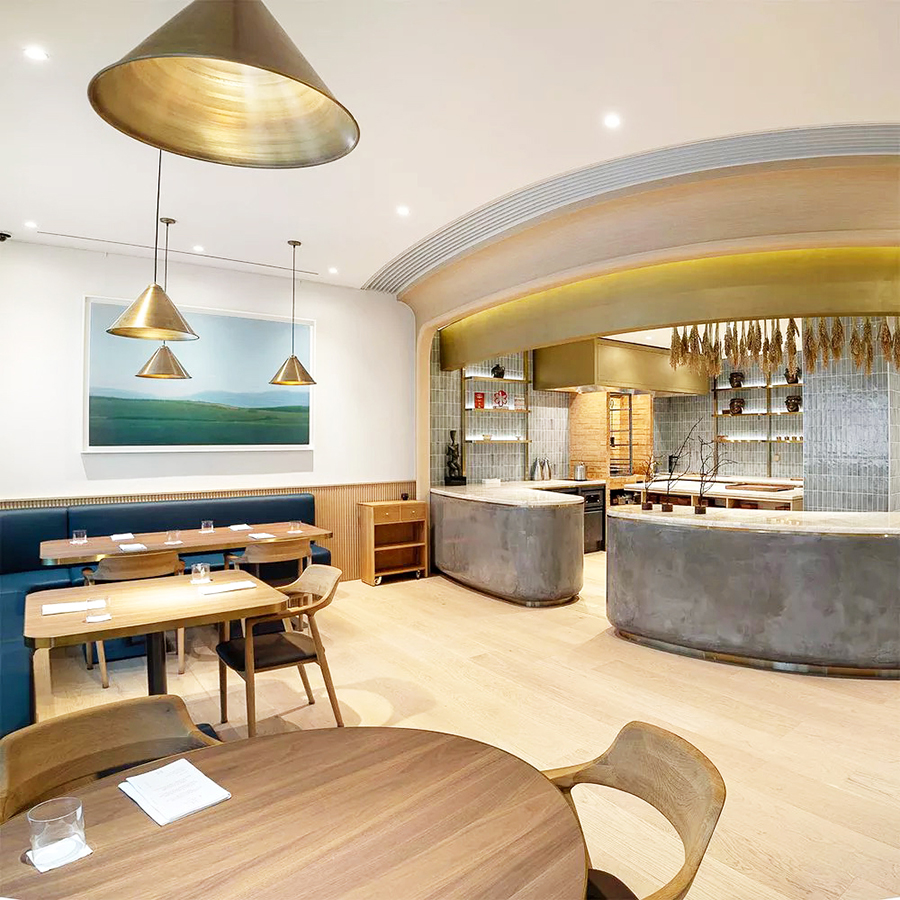
A refined take on modern Korean fine dining, this relatively new restaurant presents multi-course meals inspired by royal court cuisine and seasonal ingredients. Every dish is plated with precision, and the space itself feels like a quiet gallery—minimal, elegant, and deeply rooted in Korean aesthetics.
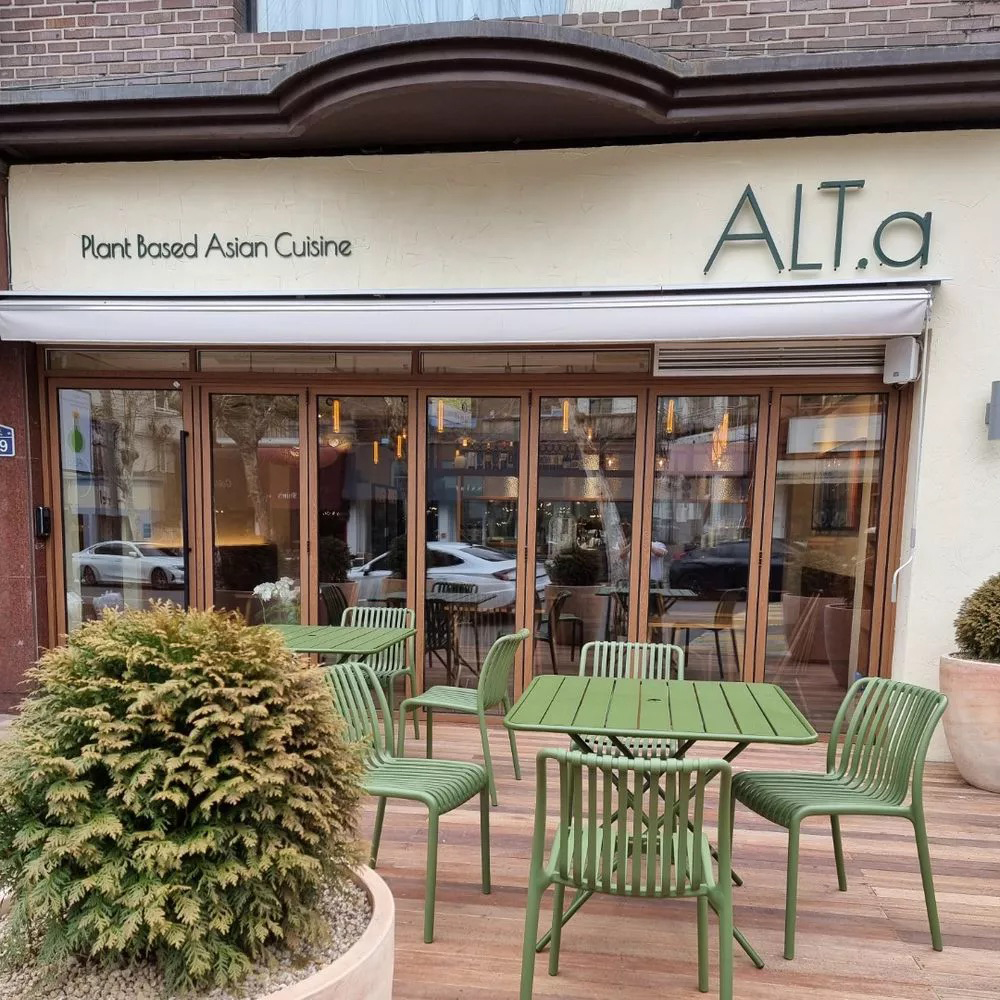
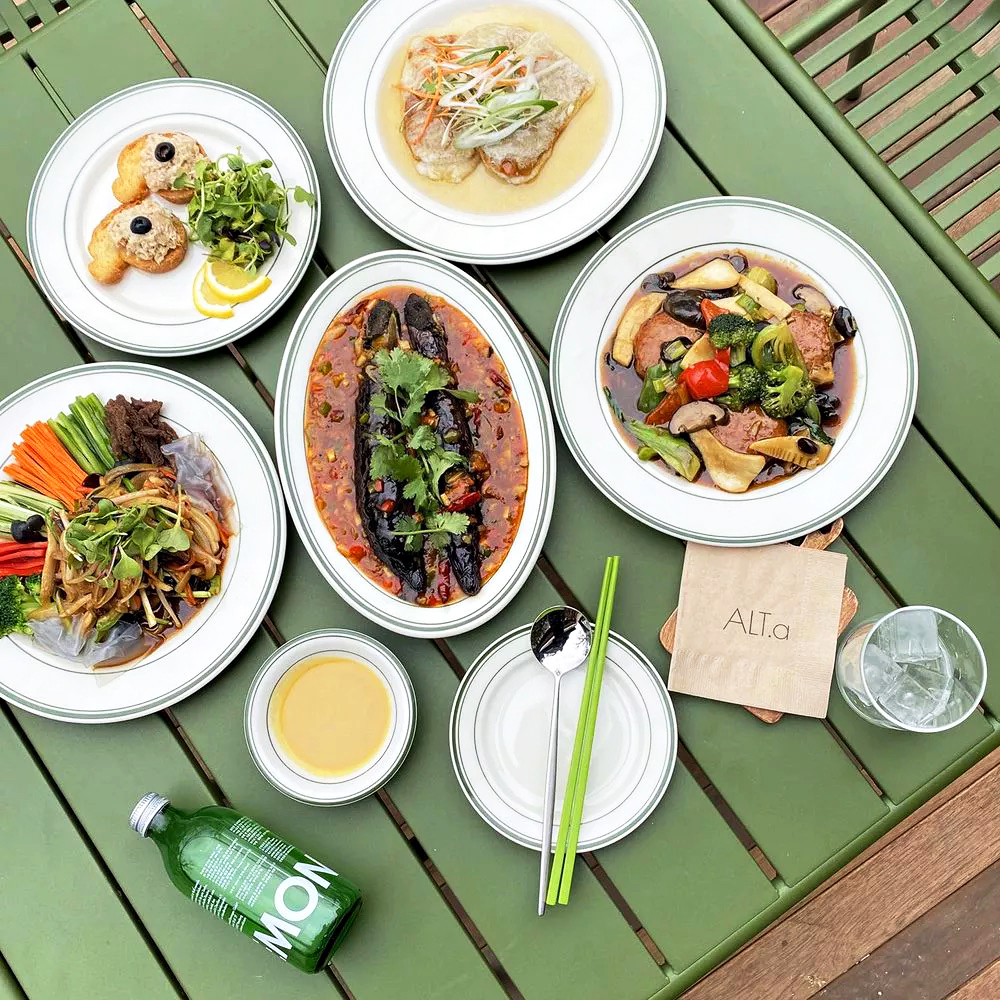
One of the most talked-about new-gen dining concepts, ALT.a reinvents Chinese cuisine through a fully plant-based approach. Expect creative dishes like vegan jjambbong and sweet-and-sour alternatives that blur the line between tradition and innovation perfect for a younger, design-conscious crowd.
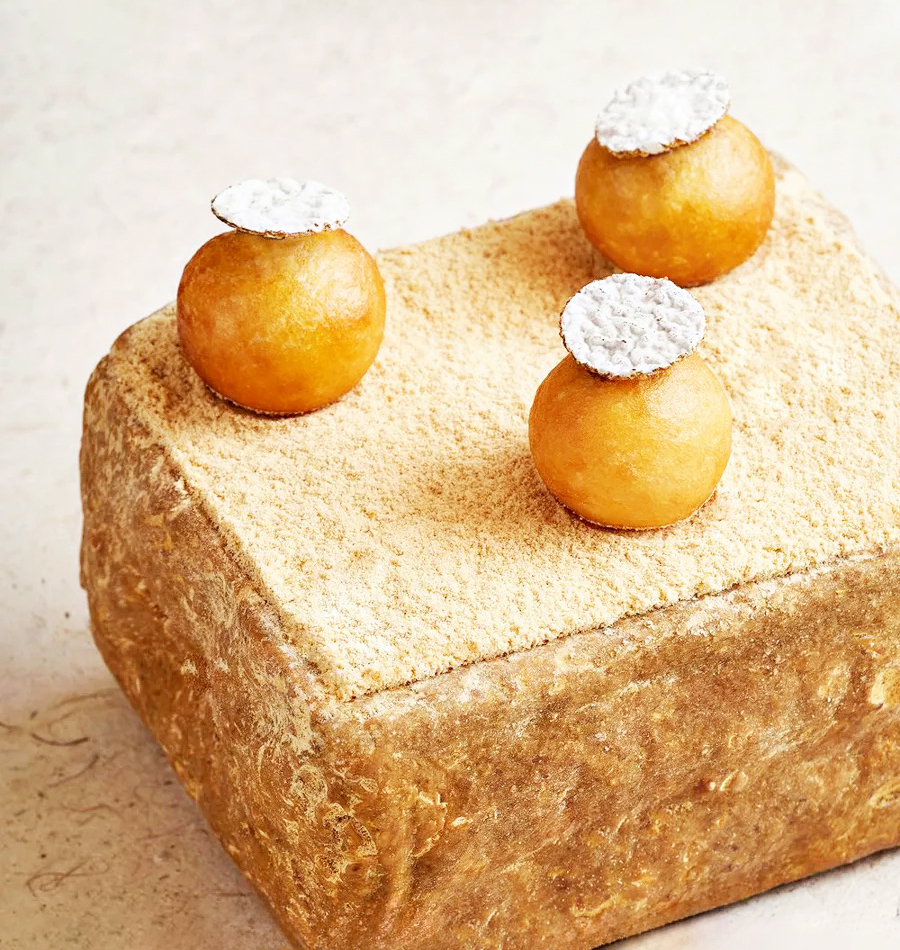
While not brand-new, Evett represents the new wave of Seoul gastronomy, recently elevated with global recognition. Chef Joseph Lidgerwood blends Korean ingredients with international techniques, creating dishes that feel both intellectual and deeply local, a defining example of Seoul’s evolving fine dining scene.
Seoul reveals itself quietly through design, texture, and thoughtful moments. It is a city where innovation meets heritage, and modern luxury feels both intentional and human. What lingers is not just what you see, but a sense of inspiration and quiet transformation defining Seoul as a true new origin of contemporary living.