Taipei Textile Trails
Where thread, time, and the act of making become a city's quiet rebellion
There is a kind of fashion that does not announce itself. No billboards, no season launches, no breathless trend reports. It lives instead in the weight of linen folded on a wooden counter, in the smell of indigo mordant warming on a studio stove, in a seamstress at Yongle Market whose machine has not changed in forty years. This is the fashion Taipei keeps quietly, stitched into the grain of its oldest streets.
The city’s engagement with cloth long predates the language of sustainability. Through the mid-nineteenth centur y, Dadaocheng, the riverside quarter now anchored by Dihua Street was among the most active trading ports in the region. Tea and textiles moved through its warehouses with the tides. Merchants built baroque shophouses flush against the Tamsui River. The district made its name on material things, on knowing the difference between one bolt of silk and another, on the patience required to handle goods with care.
That knowledge never entirely left. What has changed is who carries it forward and what they choose to make.
THE OLDEST STREET IN TAIPEI
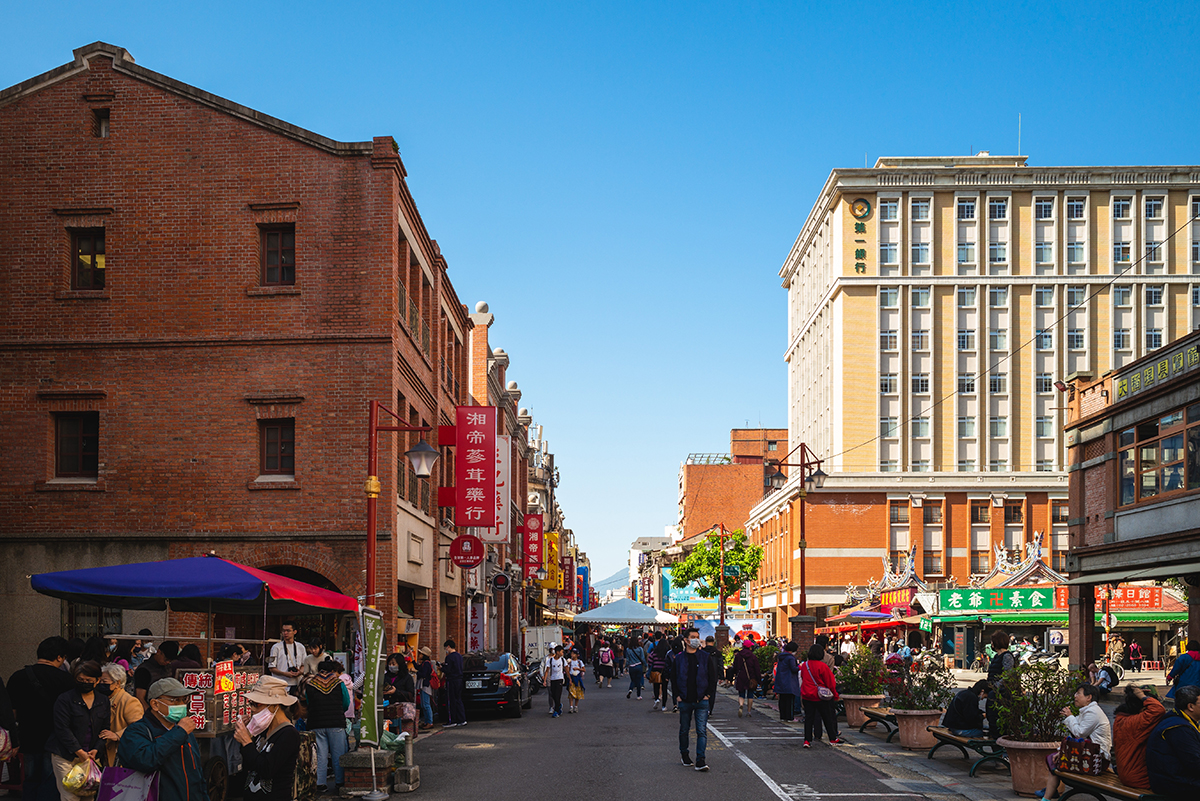
Dihua Street does not perform its history. It simply lives in it. Walk its one-kilometre spine on a weekday morning and the commerce is entirely unselfconscious: dried plums measured into paper bags, bolts of fabric stacked to the ceiling in jewel-like configurations, a calligrapher’s sign painted directly onto a shopfront wall. Architectural styles collide without apology, Southern Fujian red brick beside Japanese-era baroque revival, a 1930s pharmacist’s shophouse beside a courtyard café whose owners have barely touched the bones of the building.
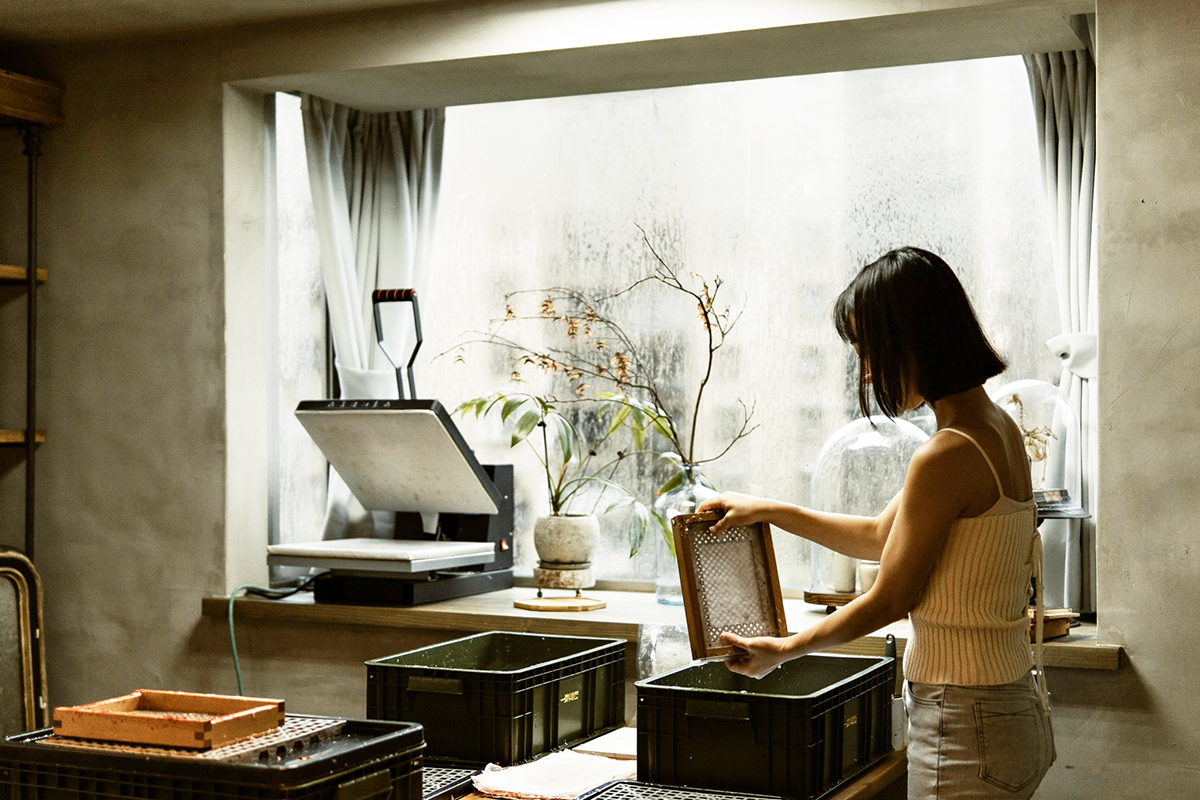
It is within this layered grain that a younger generation of makers has found its footing. Working with natural fibres, raw linen, hand-loomed cotton, plant-dyed silk, they operate not from manifestos but from something closer to stubbornness: a refusal to separate the making of clothes from an understanding of materials. Their ateliers sit beside century-old herb merchants and fabric wholesalers who supply them without drama. The neighbourhood absorbs them as it has absorbed everything else as useful commerce conducted at a human scale.
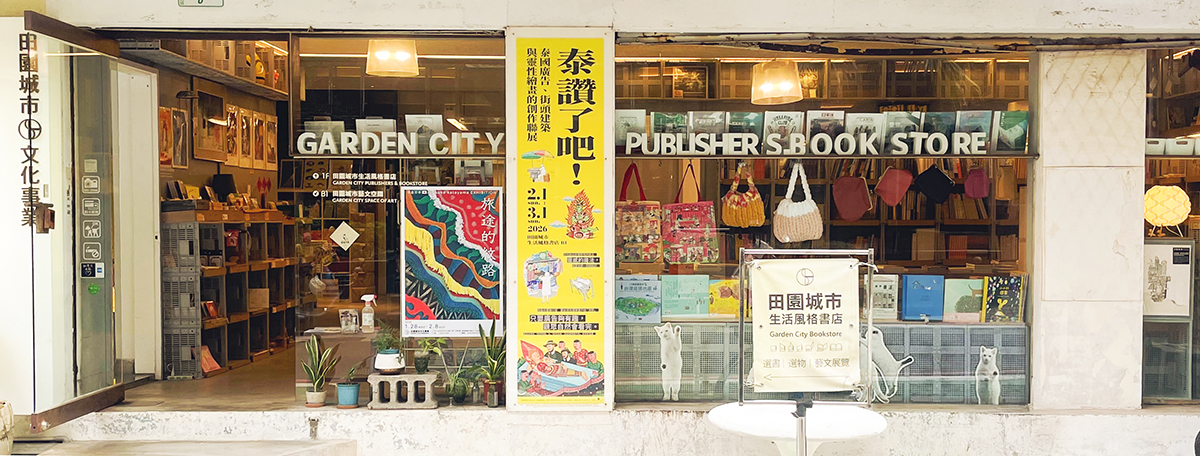
Spaces like Taipei Garden City Bookshop and Xiaoqi Ceramic Store deepen the circuit. Books on material culture, hand-thrown cups fired in local clay, letterpress printed ephemera from Aletterpress Giftshop, each one an argument, however modest, that things made carefully are worth keeping. The neighbourhood’s logic is cumulative. One shop leads to another, and the walk becomes something more than browsing.
The neighbourhood absorbs new makers as it has absorbed everything else, as useful commerce conducted at a human scale.
THE MANSION AND THE MOVEMENT
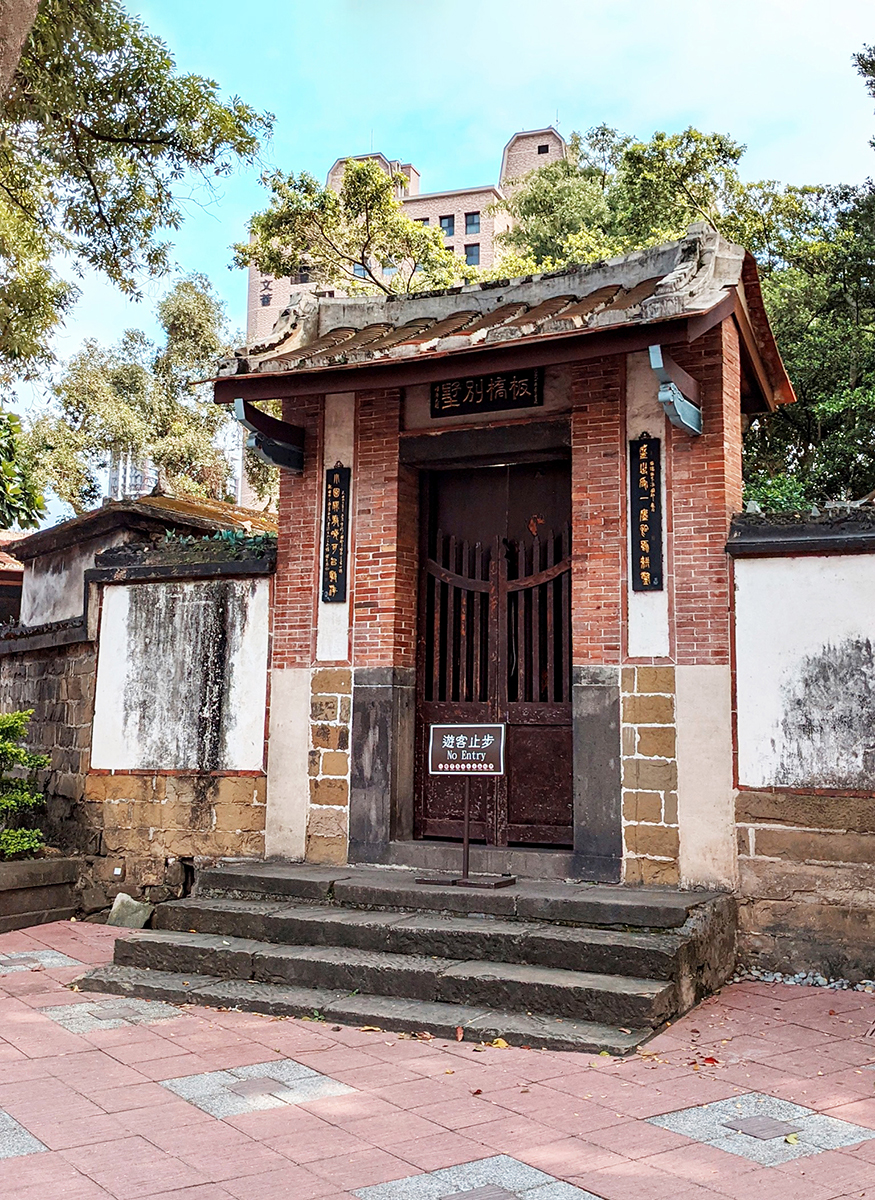
A few streets from Dihua, The Lin Family Mansion and Garden stands as the district’s deepest argument for craft. Built in the nineteenth century by one of Taipei’s preeminent merchant families, the compound is not a ruin preserved under glass but a living space of sunlit courtyards and carved wooden screens. The beams overhead bear the marks of the craftsmen who shaped them. The tiled floors, each pattern chosen with intent, record a sensibility that equated beauty with moral seriousness.
To move through its rooms slowly is to understand something that resists being explained: that the care given to materials is never merely aesthetic. It is an ethic. The nearby ateliers did not invent this idea. They inherited it.
EAST OF THE OLD CITY
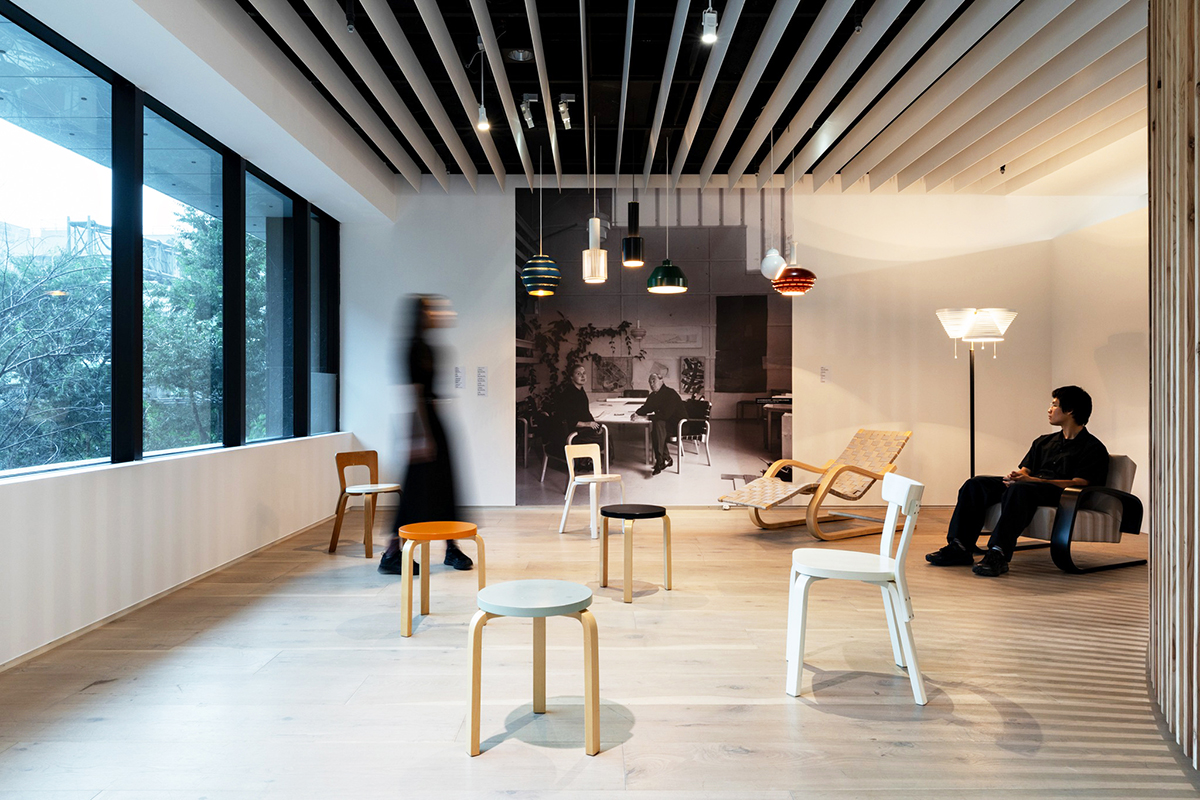
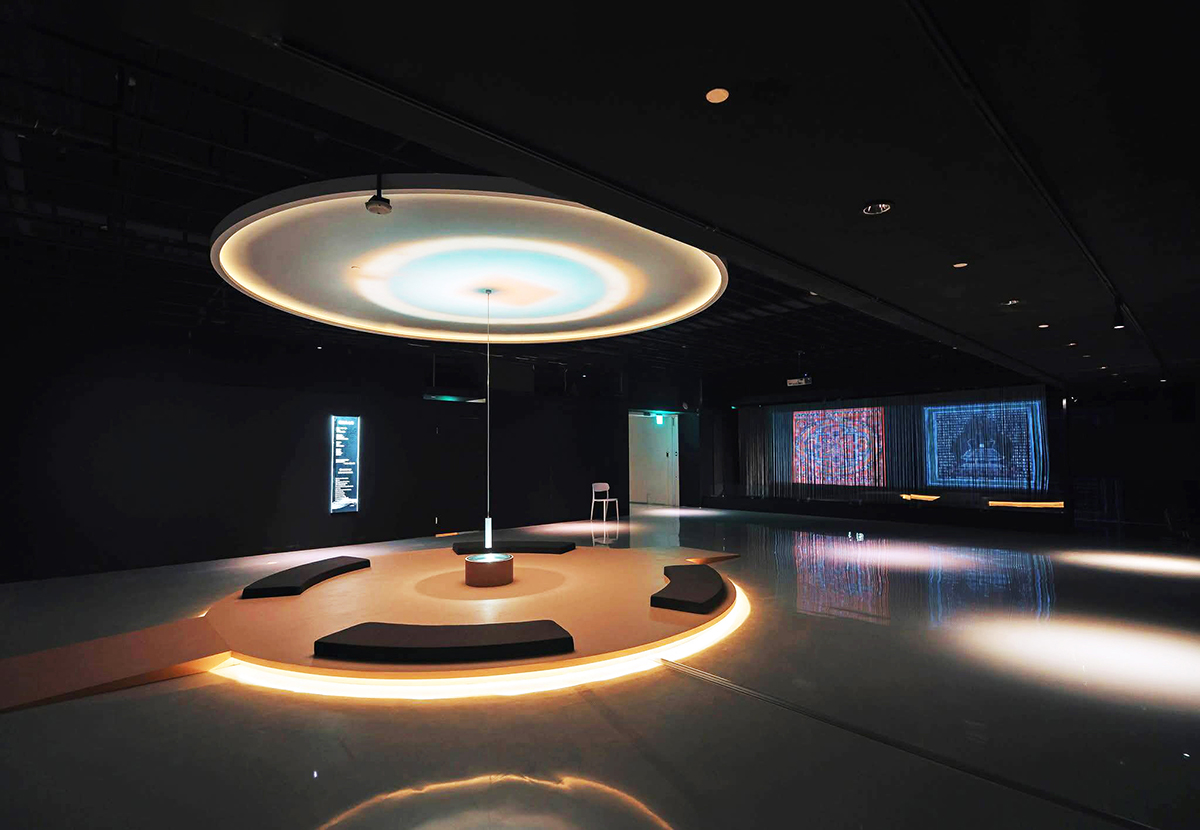
The story shifts register as the city shifts geography. Songshan Cultural and Creative Park, a former tobacco factory whose industrial bones were left largely intact during its conversion, offers a different angle on Taiwanese creativity, one that is more declarative, more interested in conversation between tradition and contemporary form. Exhibitions cycle through with regularity; the campus itself provides the mood: red brick, generous light, the particular silence of a large industrial building given over to quiet purpose.
Nearby, Jut Art Museum extends the journey into architectural and visual culture, while SPOT, Taipei Film House, housed in a former American embassy building shaded by old trees, treats cinema as another material, one capable of carrying questions about identity and belonging that fashion alone cannot answer. The Museum of World Religion, further south in the city, offers something rarer still: a space designed to produce reflection rather than conclusions, a reminder that every aesthetic choice is, finally, a value.
THE CEREMONY OF TEA
Tucked into a residential lane off Xinsheng South Road, Wistaria Tea House carries more history than most buildings twice its size. The 1920s Japanese timber structure served as a governor’s residence, then as government dormitory, then most consequentially as a gathering place for political dissidents during Taiwan’s White Terror years of the 1980s. Writers, scholars, and democracy activists drank tea here under wisteria vines while the country worked slowly towards itself. In 1997 the Taipei city government designated it a historic monument, the first living cultural site in Taiwan honoured for its humanistic rather than purely architectural significance.
Today the house is a teahouse in the most complete sense: a place where one sits, brews, and is not rushed. Rickety wooden floors, tatami rooms, ceramic gongfu sets arranged with care, the atmosphere is one the website describes simply as “a peaceful haven away from everyday hustle.” Teas are charged by the person; each order comes with enough leaves for multiple steepings, the flavour evolving across an afternoon. Staff, unhurried and genuinely knowledgeable, will demonstrate the brewing process if asked. Most visitors are content to sit and let the hours move at their own pace.
In the same spirit, ASW Tea House occupies the opposite end of Dihua Street’s cultural spectrum, younger in atmosphere, housed in the city’s first Western pharmacy building, where a British-inflected afternoon tea shares space with high-mountain oolongs. The approach is different; the underlying patience is the same.
Writers, scholars, and democracy activists drank tea here under wisteria vines while the country worked slowly towards itself.
AT TABLE
Taipei’s dining culture shares the same instinct as its textile movement: a preference for depth over display, for technique that reveals itself gradually rather than all at once. The restaurants gathered below each inhabit a distinct register, but they move together, all of them concerned, in some way, with how food carries memory.
Heritage Bakery & Café
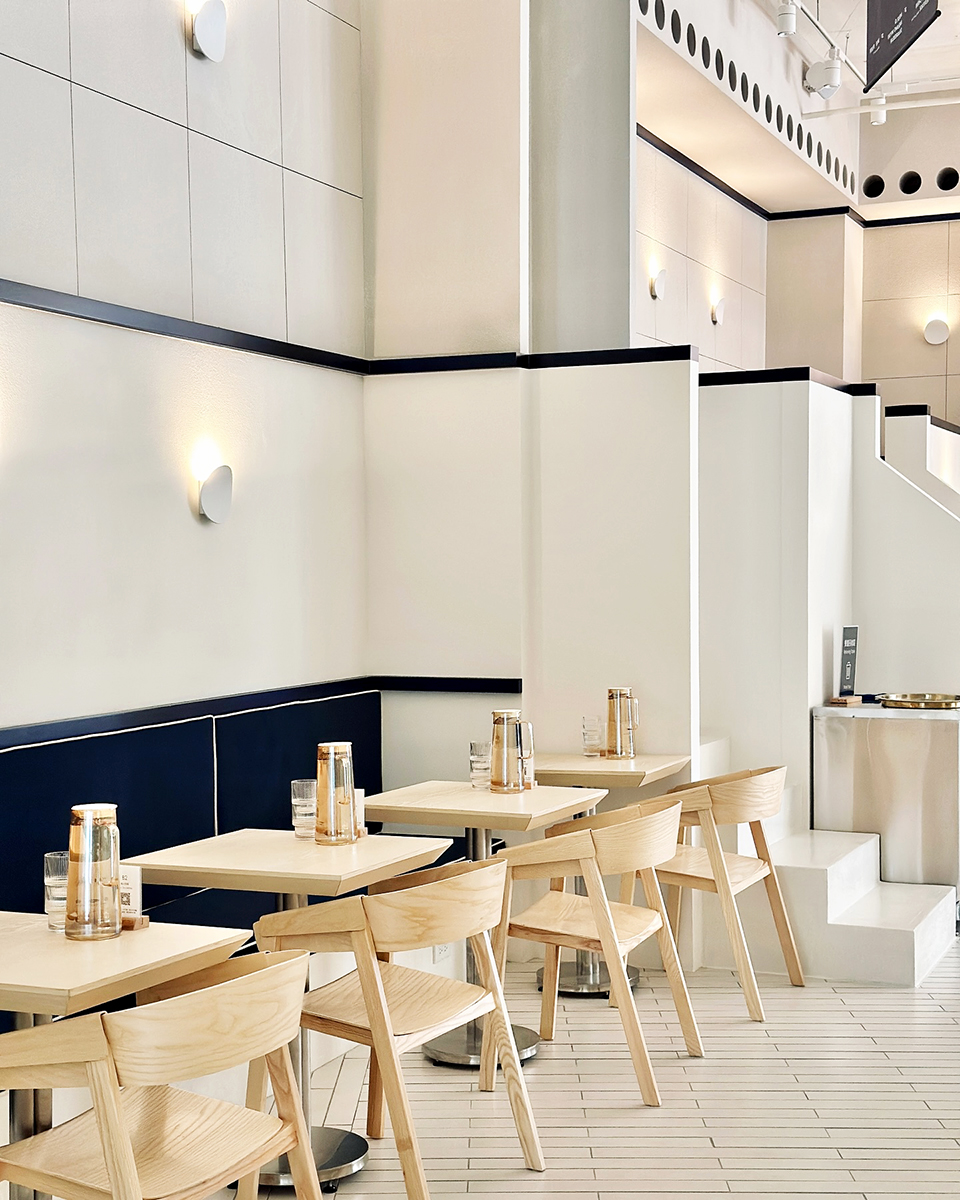
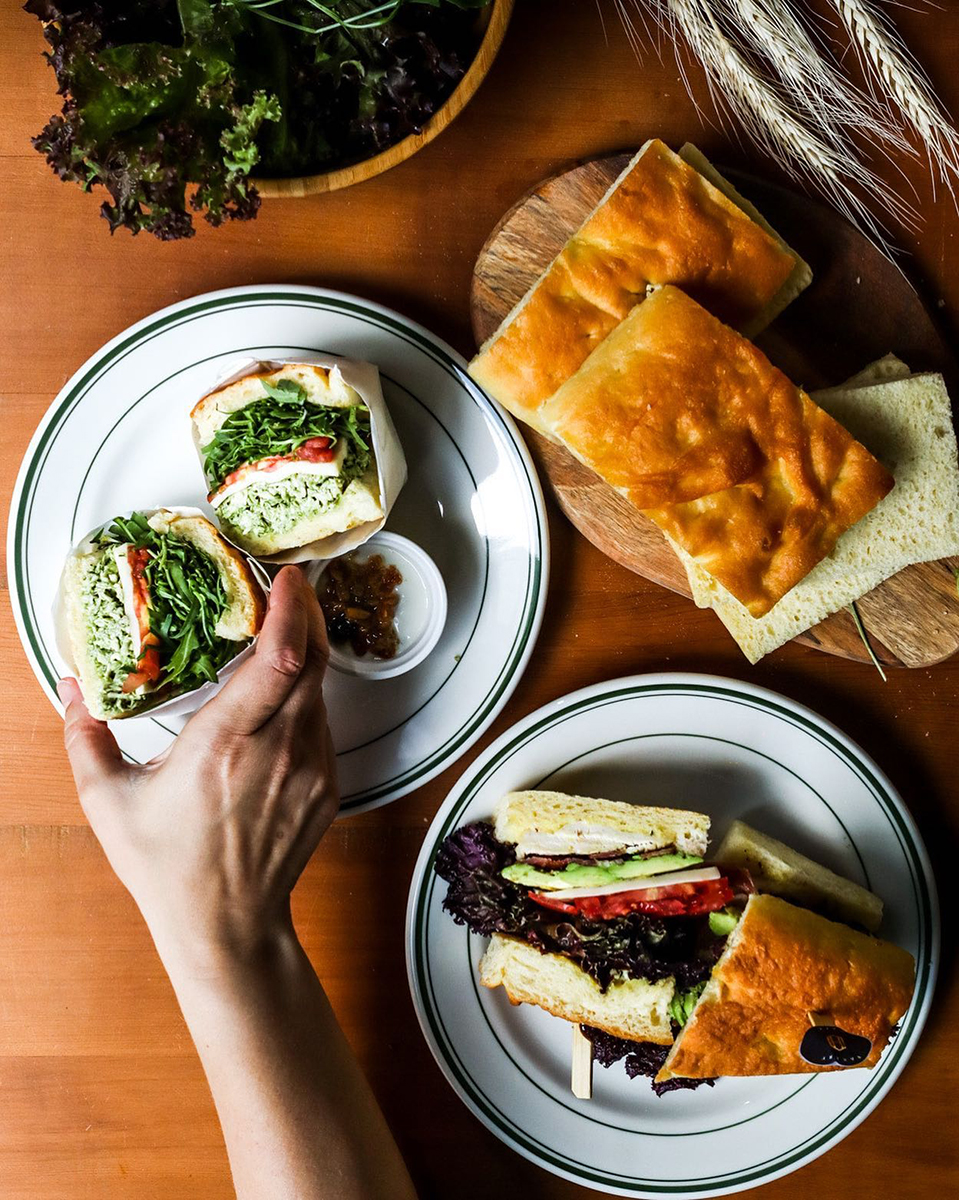
There is something deliberately unhurried about Heritage’s interior, the light comes in at a low angle, the tables are never too close, and the pastry case is stocked without excess. The kitchen draws on European technique and local ingredient sensibility: croissants made with enough care to be eaten slowly, bread with a crust that tells you something about the flour. A good place for a morning that is not yet ready to become a day.
Address: No. 73/2, Section 1, Hankou St, Zhongzheng District, Taipei City.
Tel: +886 2 2311 1079
Open: Daily 9.00 – 19.30
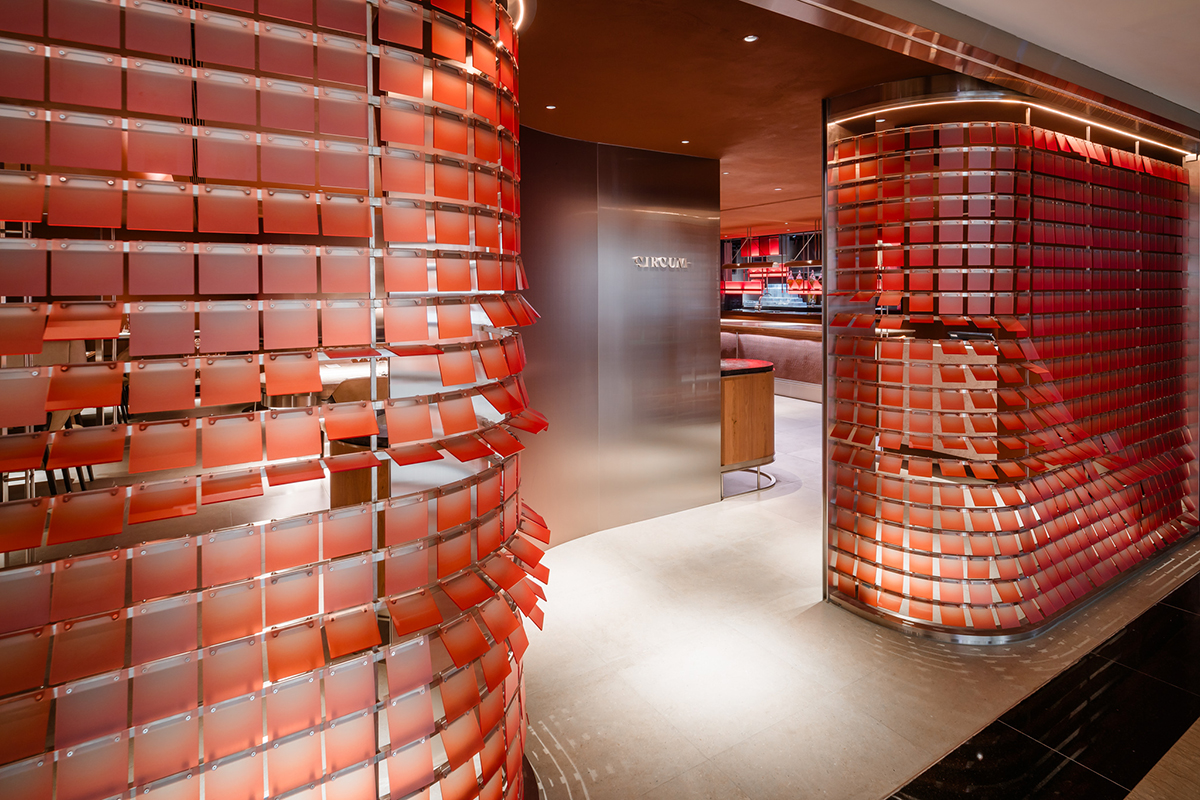
Circum-
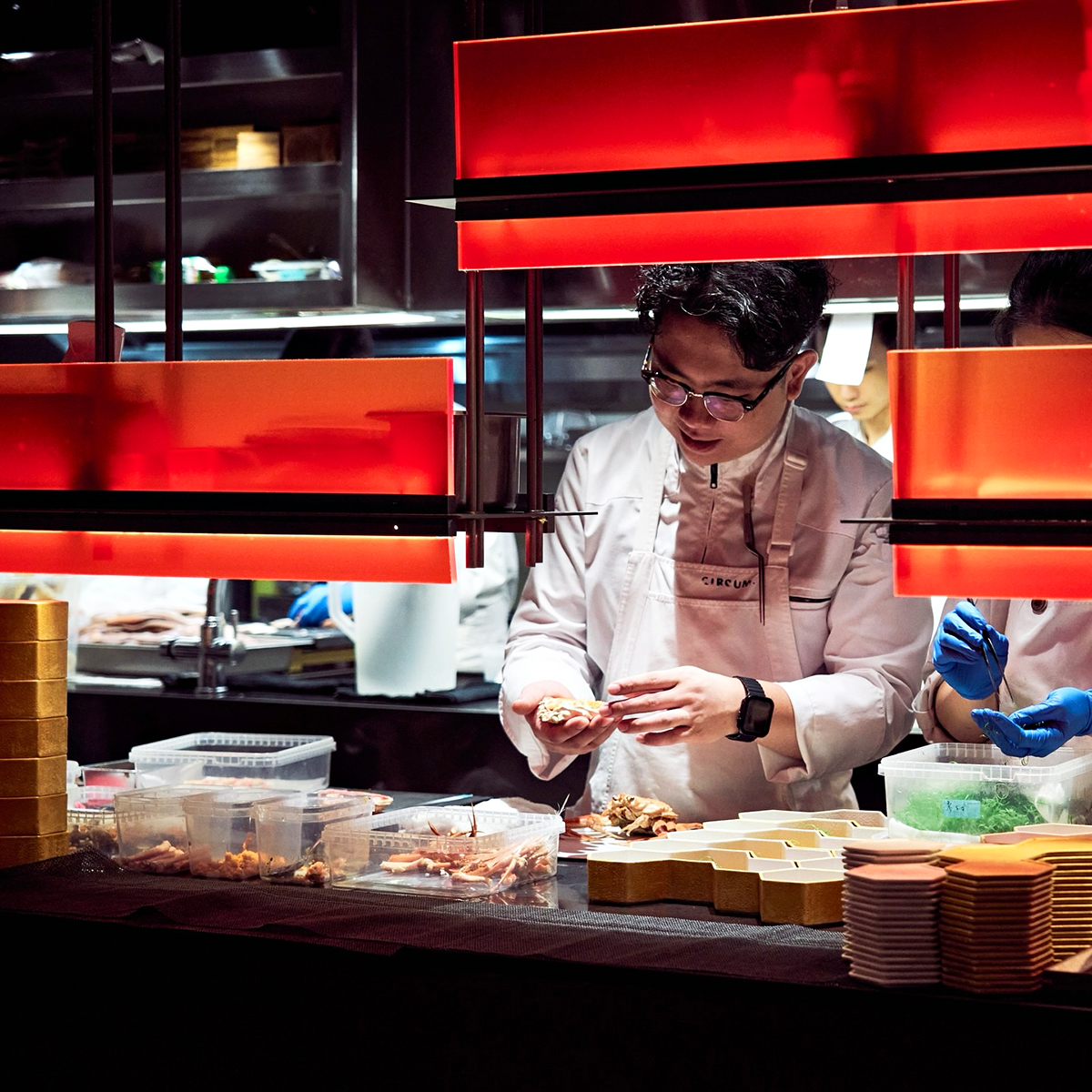
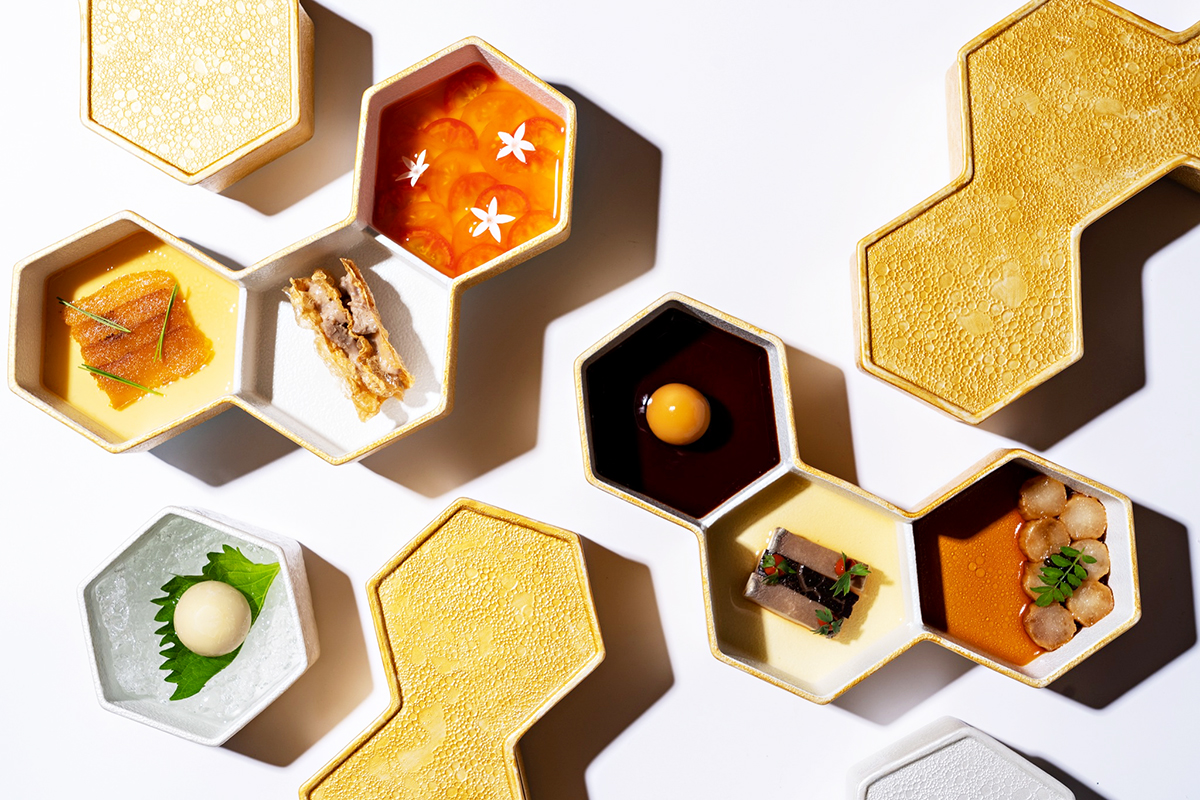
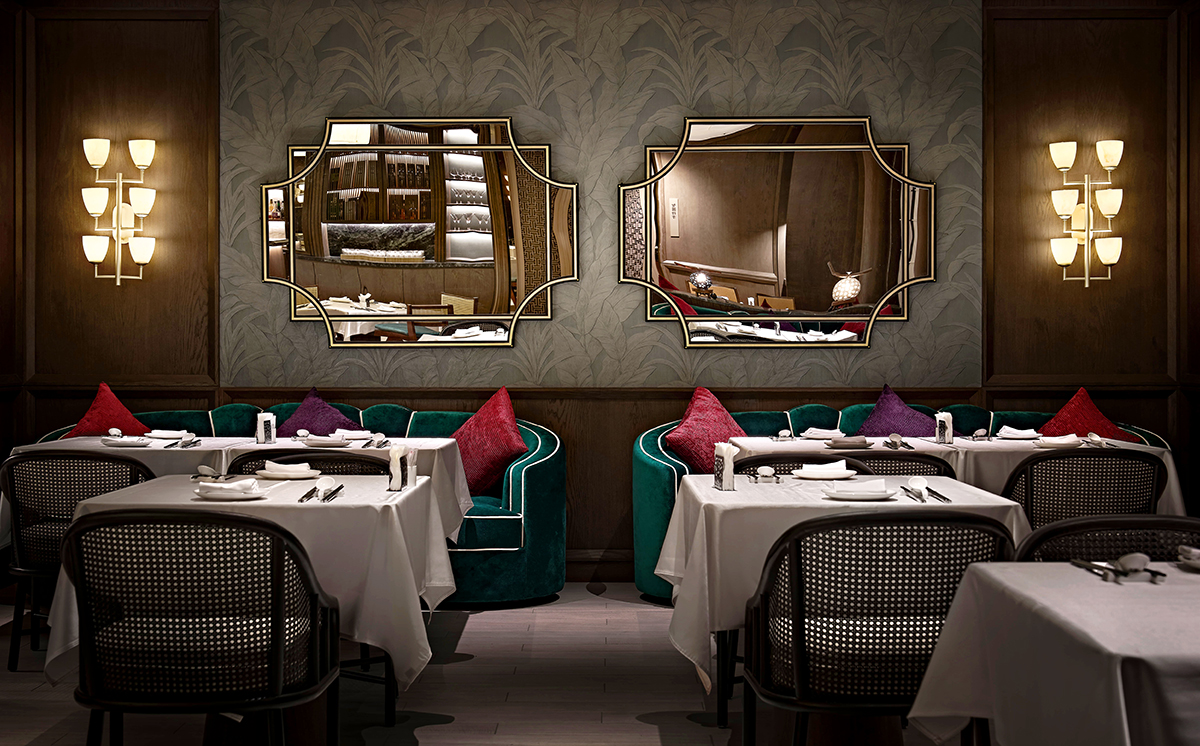
The name refers to a circle, wholeness, return, continuity and the restaurant takes that proposition seriously. Installed below the Regent Hotel, it is led by a kitchen team drawn to the question of how Chinese culinary culture moved across borders and was remade in transit. The answer arrives through a Frenchinfluenced tasting format: each dish composed with the precision of someone who has thought hard about what to leave in and what to remove. Childhood memory, diaspora, the weight of a specific broth, it is intellectual food that manages, somehow, to also be nourishing.
Address: B2, Regent Hotel, 3, Lane 39, Section 2, Zhongshan North Road, Zhongshan District, Taipei City.
Tel: +886 2 2581 6575
Open: (Wed – Thu) 18.00 – 21.30 / (Fri – Sun) 12.00 – 14.30 / 18.00 – 21.30
Yi Jia Zi
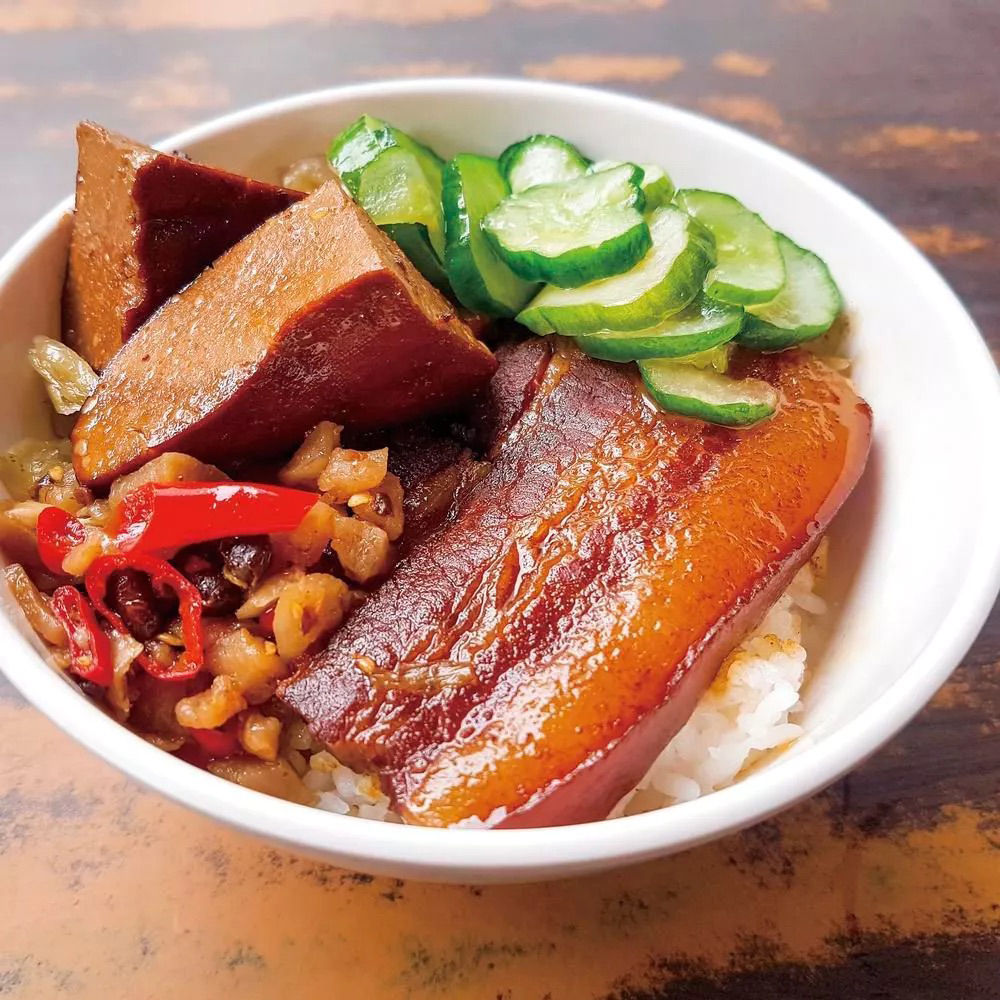
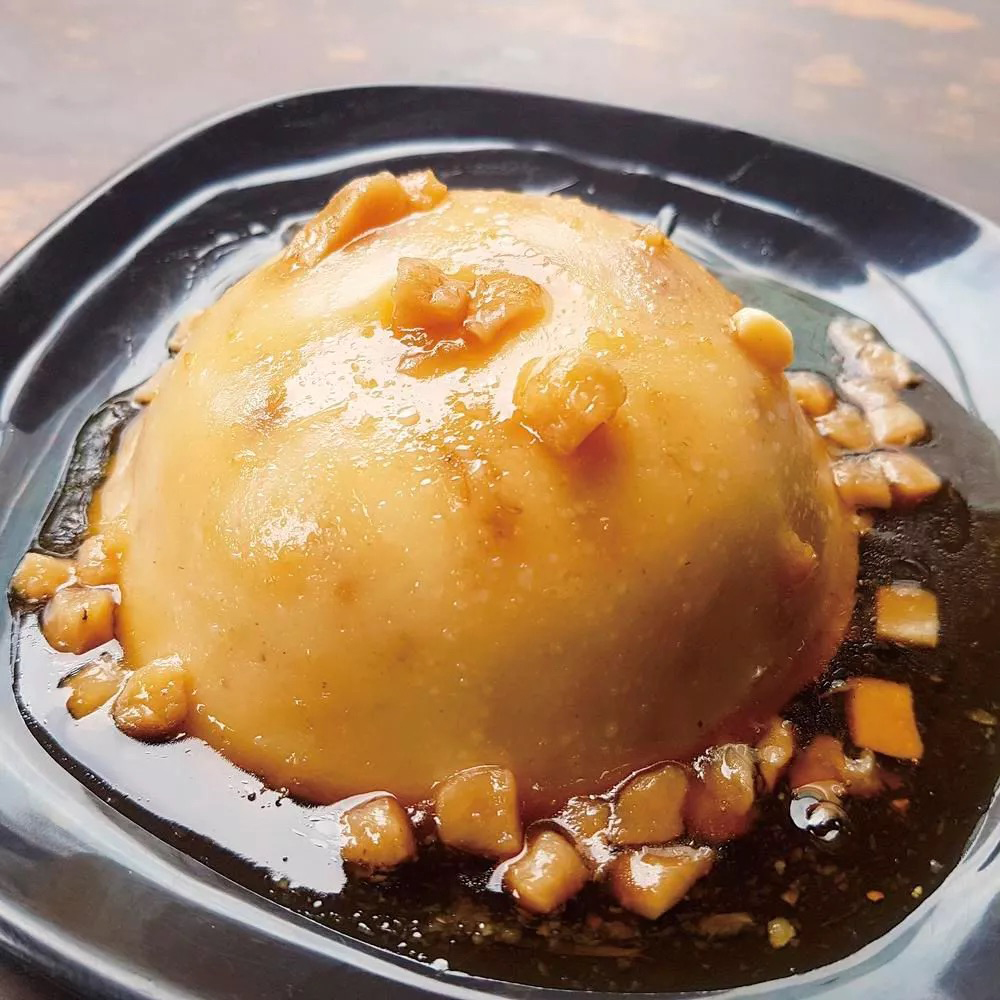
Third-generation Tainan street food, made daily from scratch and served without ceremony. The braised pork belly over rice, richly reduced, fragrant with soy and five-spice is the kind of dish that makes every other version feel like an approximation. Order the gua bao if you arrive early. The madou rice cake frequently sells out before noon, which tells you everything you need to know about its standing in the neighbourhood.
Address: 79 Kangding Road, Wanhua District, Taipei City.
Tel: +886 2 2311 5241
Open: Mon – Sat 9.00 – 19.00
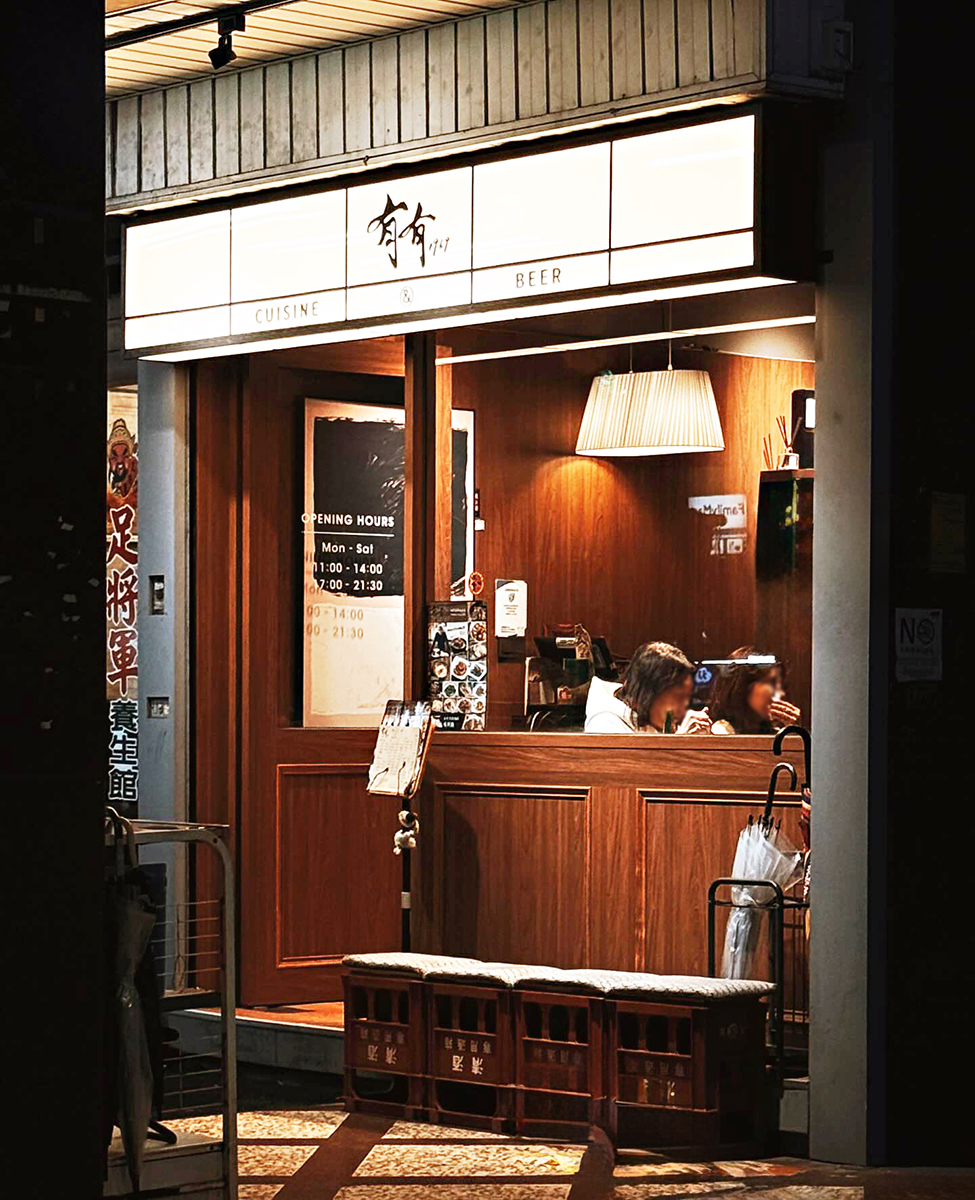
Yu Yu 1969
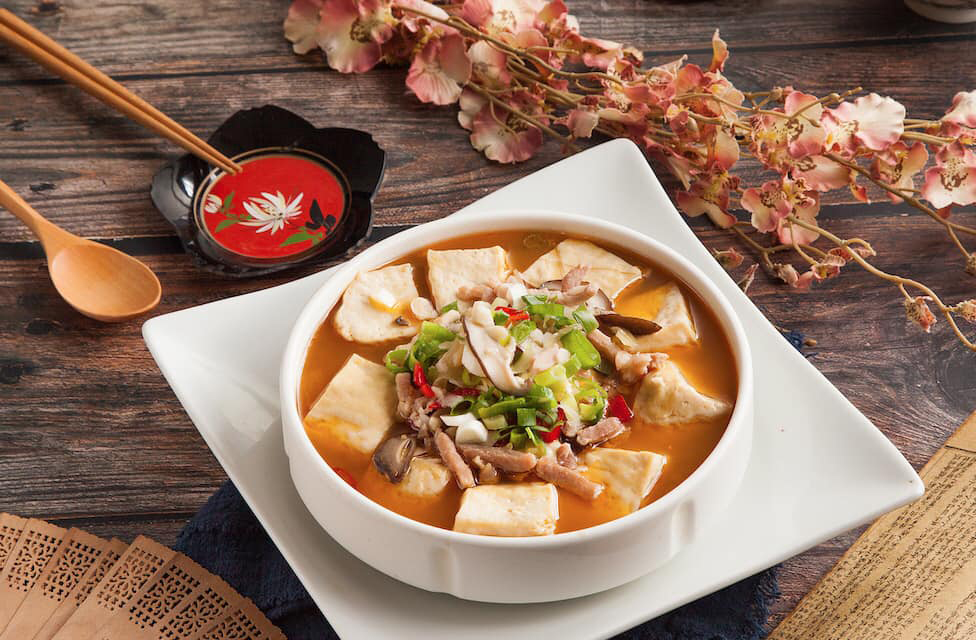
Inherited by its third-generation owner and quietly recomposed into something a little more design-forward than its origins, Yu Yu 1969 keeps the culinary argument entirely traditional. The Taiwanese stir-fries arrive with pronounced wok hei; the braised pork rice carries the flavour of something cooked for far longer than anyone asked. Portions are calibrated for sharing. The deep-fried dough stick with shrimp and cuttlefish is not on many menus, which is reason enough to order it.
Address: 48 Liaoning Street, Zhongshan District, Taipei City.
Tel: +886 2 2776 0443
Open: Daily 11.30 – 14.30 / 17.00 – 22.00
Mountain and Sea House
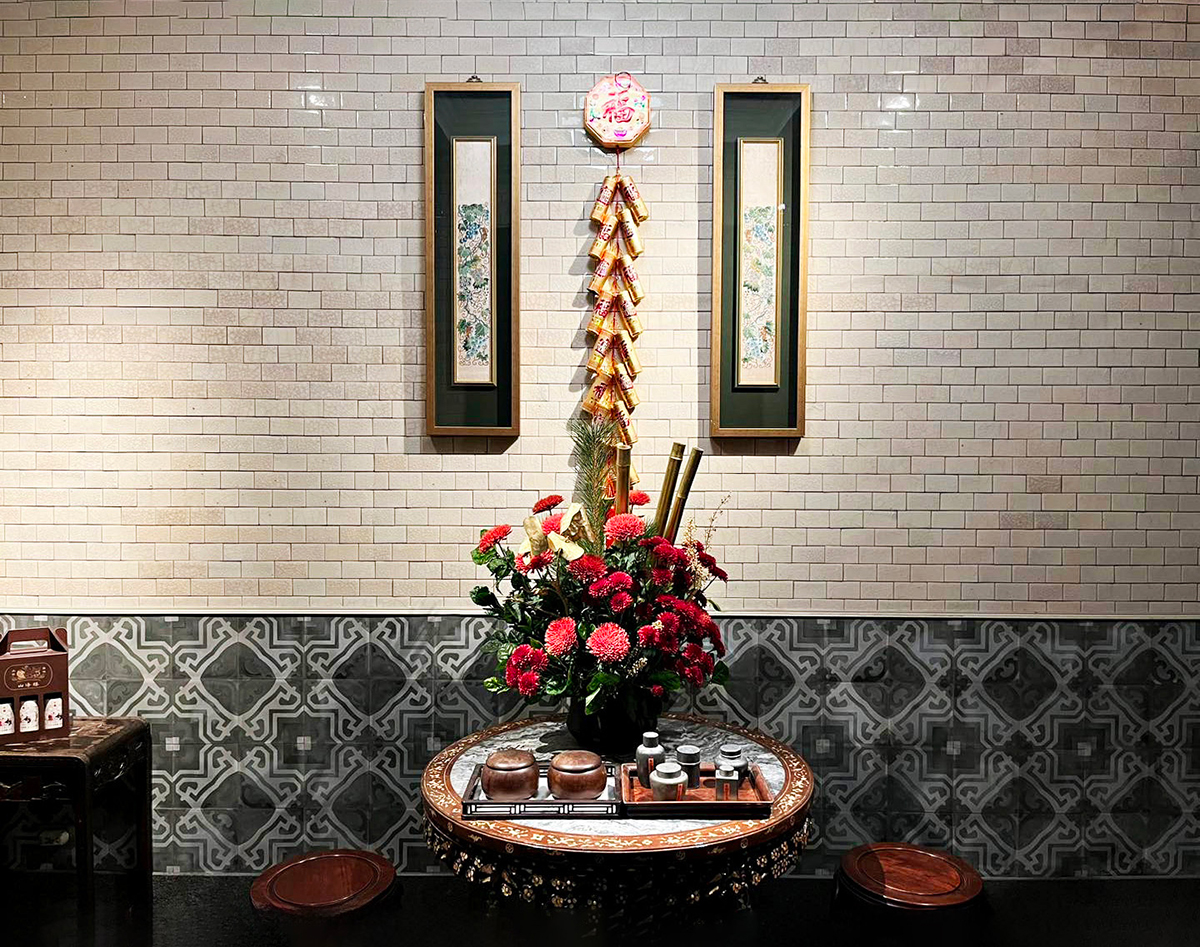
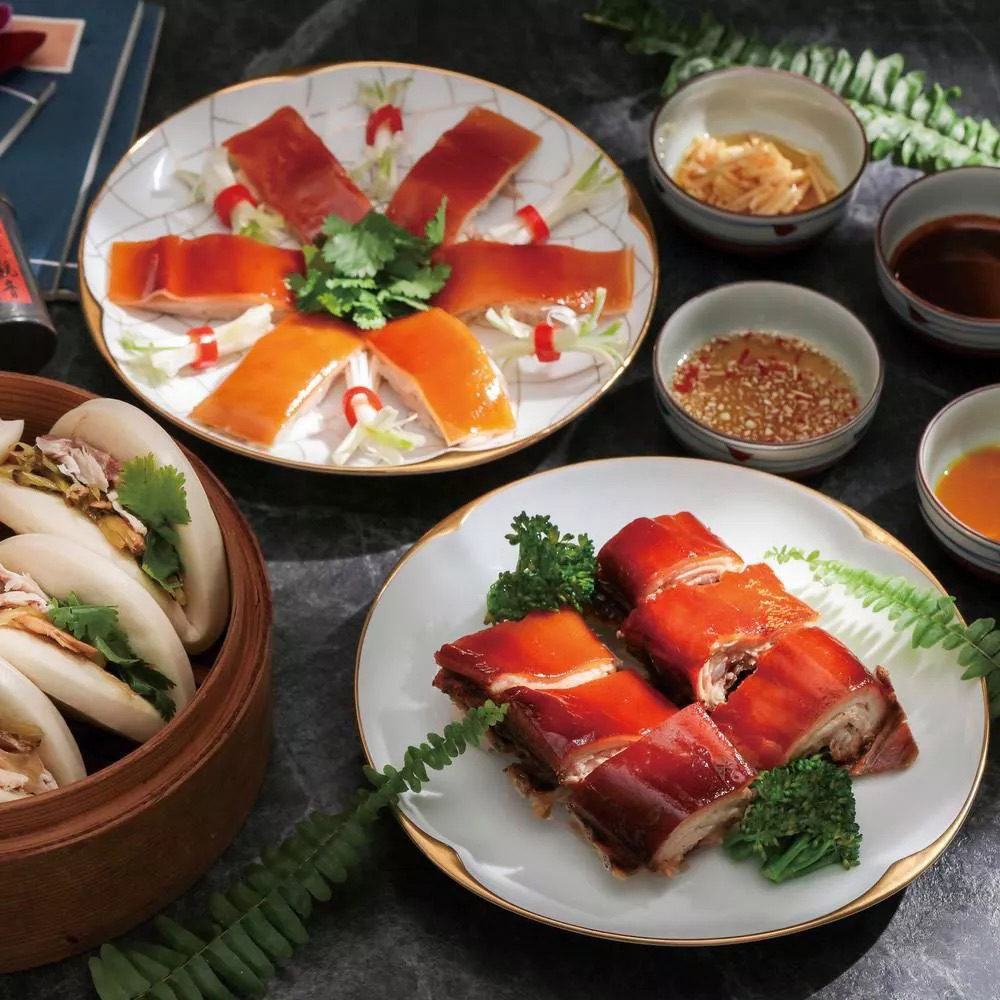
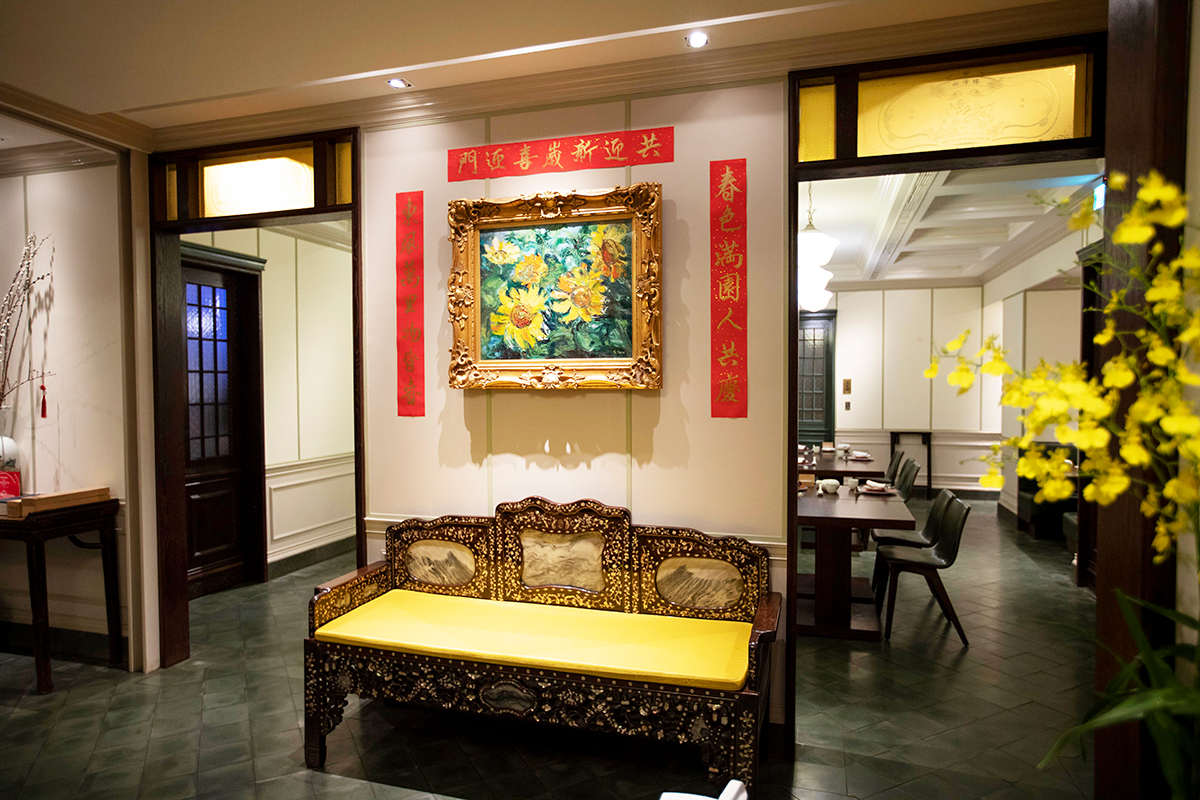
The building announces itself before the menu does: a restored mansion with high ceilings and a courtyard where light arrives and behaves as though it has manners. The kitchen works with heritage Chinese recipes, not the simplified versions that travel well, but the labour-intensive originals once reserved for elite households, the ones that require three preparations and two days. Roast suckling pig arrives in three distinct styles on the same plate. Yilan-style goza, crisp outside, a custard of pork and shrimp within, carries the specific flavour of a regional tradition preserved without irony. End with kumquat and mashed taro, and let the afternoon slow around you.
Address: 94, Section 2, Ren’ai Road, Zhongzheng District, Taipei City.
Tel: +886 2 2351 3345
Open: Daily 12.00 – 14.30 / 18.00 – 21.30
ICONIC STAYS IN TAIPEI
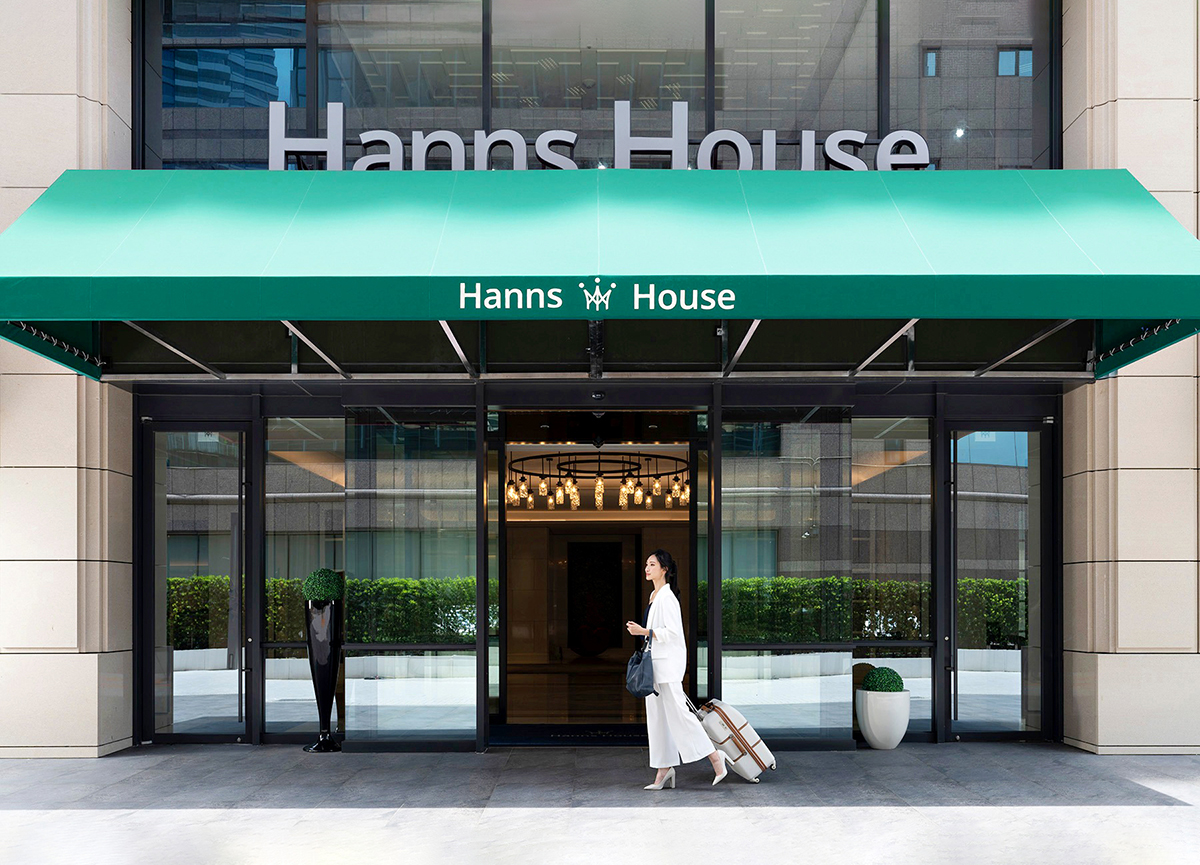
HANNS HOUSE TAIPEI
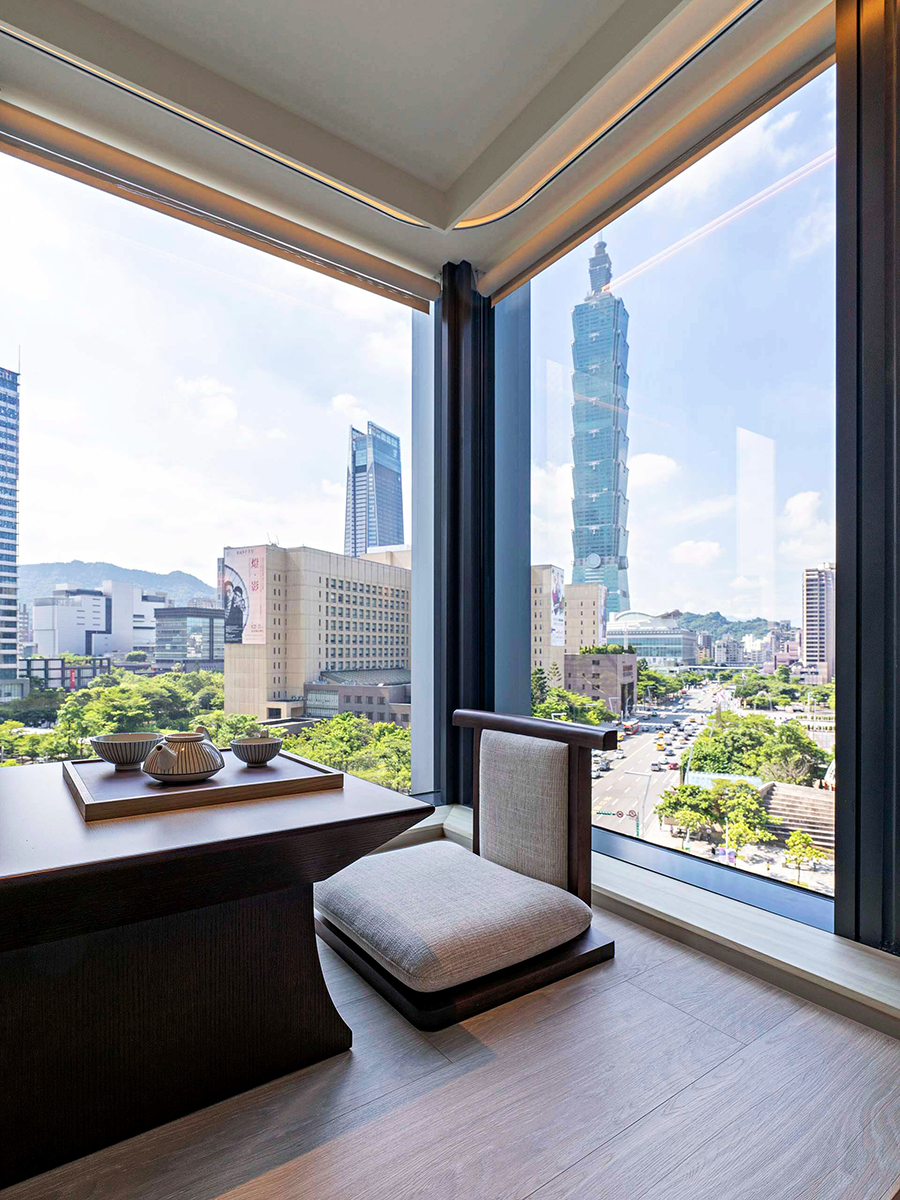
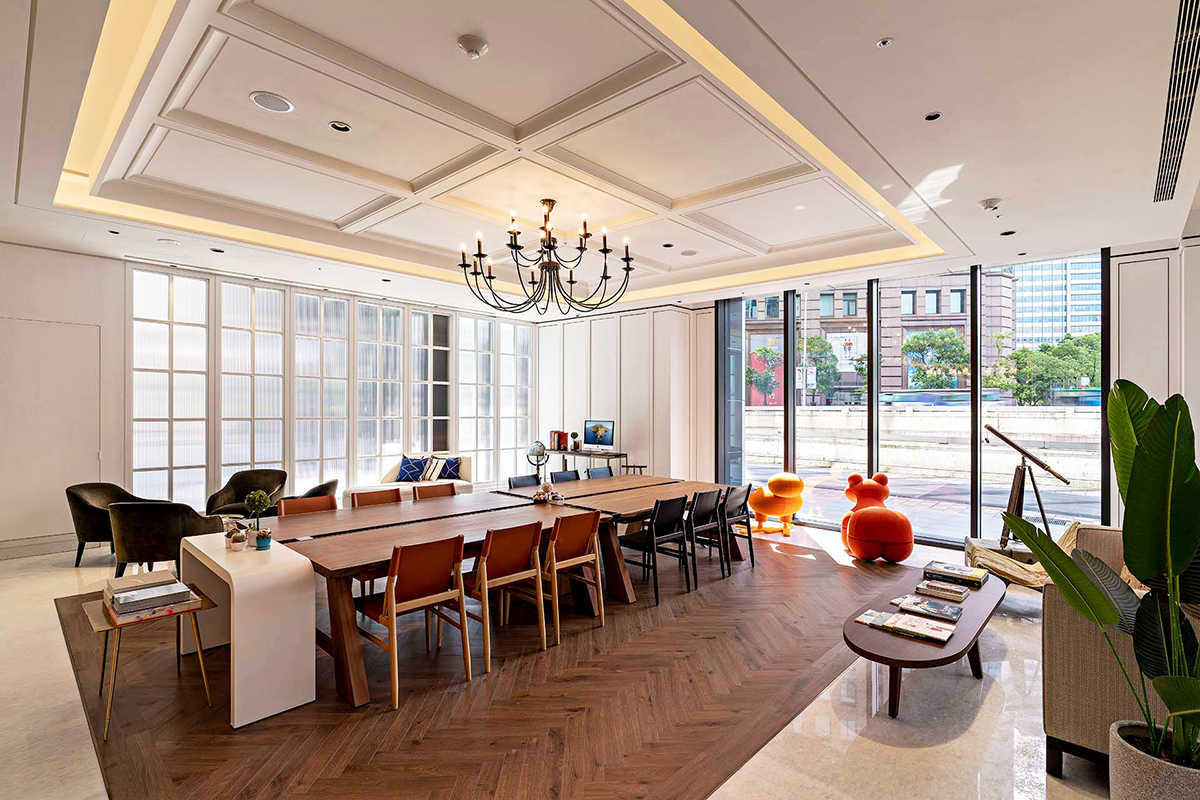
Located in Taipei, Taiwan’s vibrant Xinyi District, just moments from Taipei 101, Hanns House Taipei offers a serviced apartment stay designed for comfort, convenience, and ease.
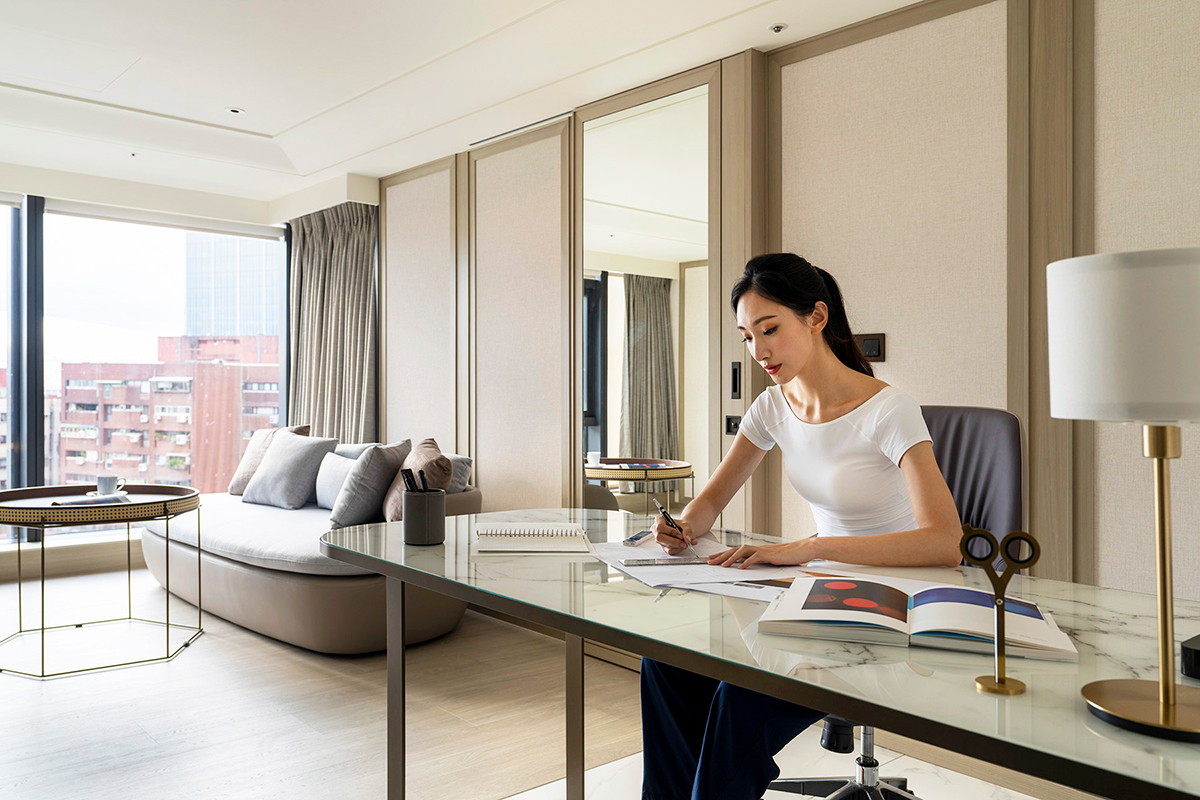
Blending the warmth of home with contemporary design, the hotel creates a calm and livable environment for international travelers. Subtle Chinese cultural elements are thoughtfully integrated into the interiors through materials, textures, and spatial details, adding depth without overwhelming the space.
Guest rooms are designed as functional living spaces rather than traditional hotel rooms. Each room features a kitchenette, diningware, and generous storage, allowing guests to settle in comfortably. Spacious layouts and lounge areas enhance the residential feel, making the hotel well suited for both short stays and extended visits. Select rooms also offer views of Taipei 101.
A semi-buffet breakfast is served at Jacob’s Dream, where regional Chinese cuisines are presented with a modern approach. Additional facilities, including a lobby lounge, fitness center, and selfservice laundry, further support a relaxed and flexible stay.
Hanns House Taipei offers a balanced experience of city access and residential comfort, an ideal base for exploring Taipei at your own pace.
Address: No. 206, Sec. 1, Keelung Rd., Xinyi District, Taipei City 110, Taiwan.
Tel: +886-2-8758-3777
Website: www.hannshouse.com

HANNS SUMMER
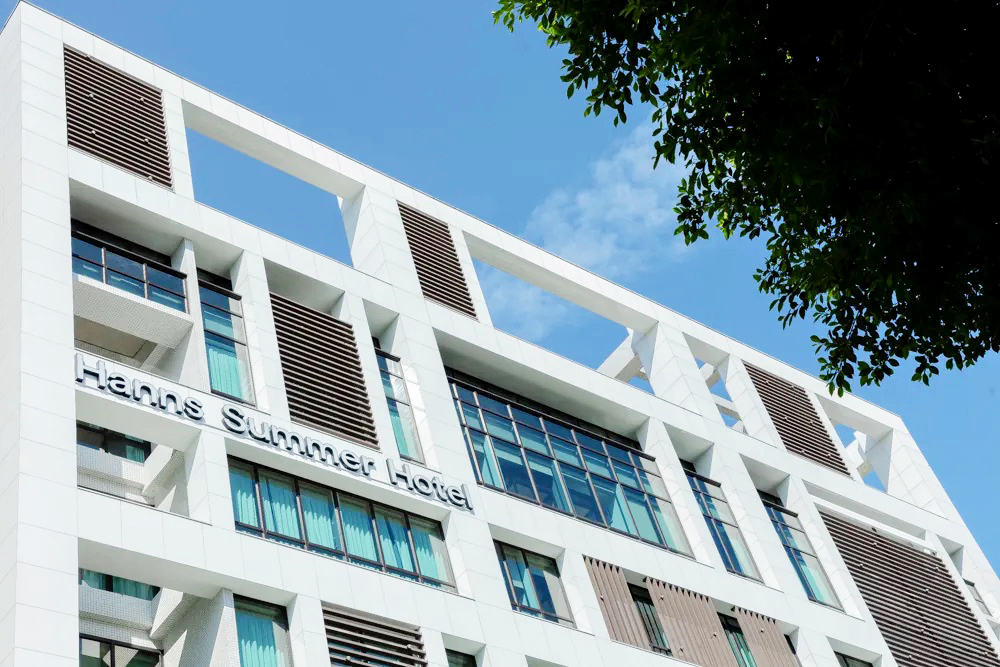
Located in Taipei’s lively Gongguan district, Hanns Summer offers a relaxed, design-focused stay in a neighborhood known for its youthful energy. Just a short walk from the MRT, it is surrounded by universities, cafes, bookstores, and local eateries, with Ximending, one of Taipei’s most popular districts just 10–15 minutes away by MRT.
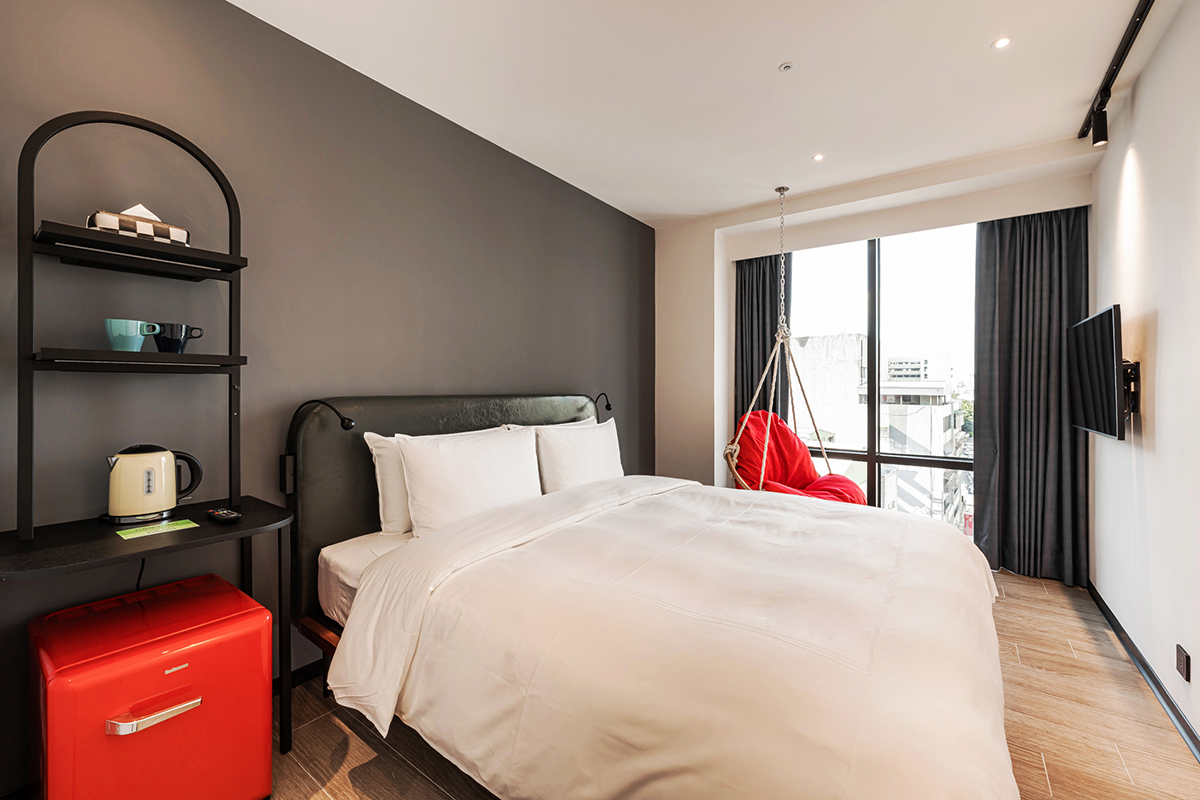
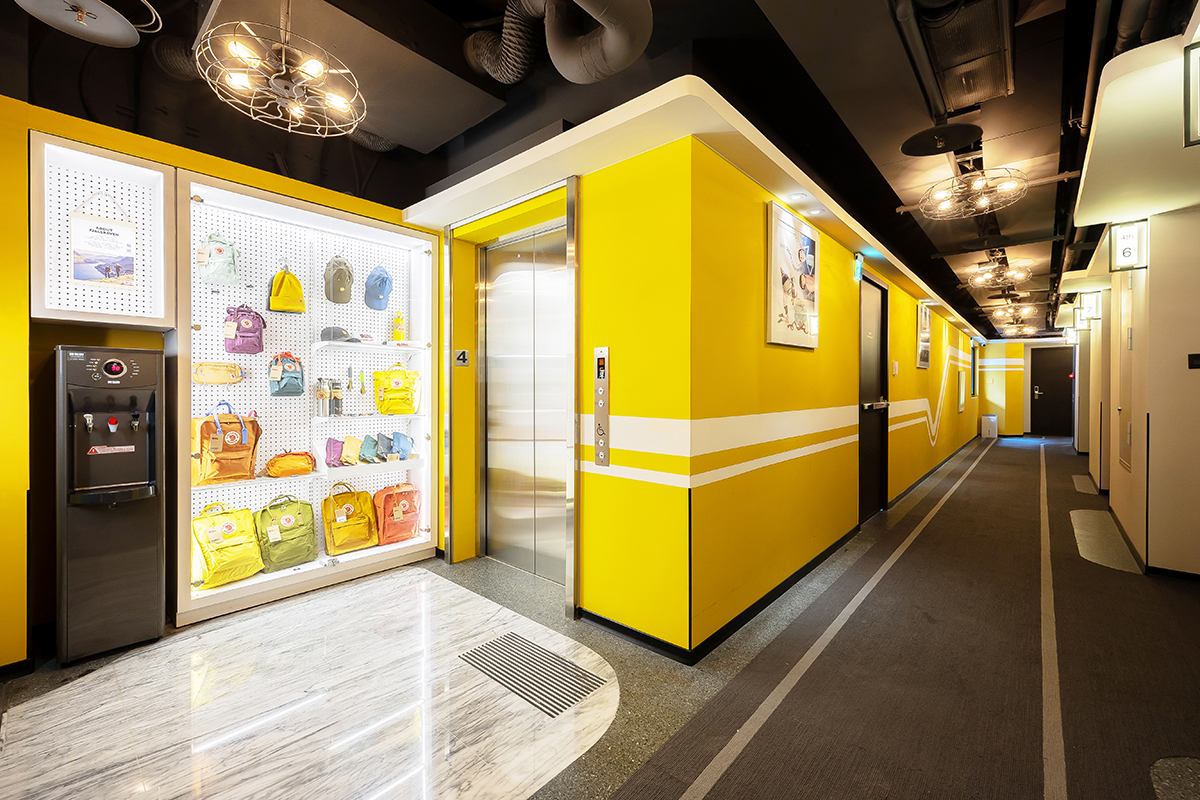
Inspired by railway heritage, the hotel features clean lines and subtle details that reflect the rhythm of travel. Soft, muted tones create a calm, cohesive atmosphere with a modern touch of nostalgia.
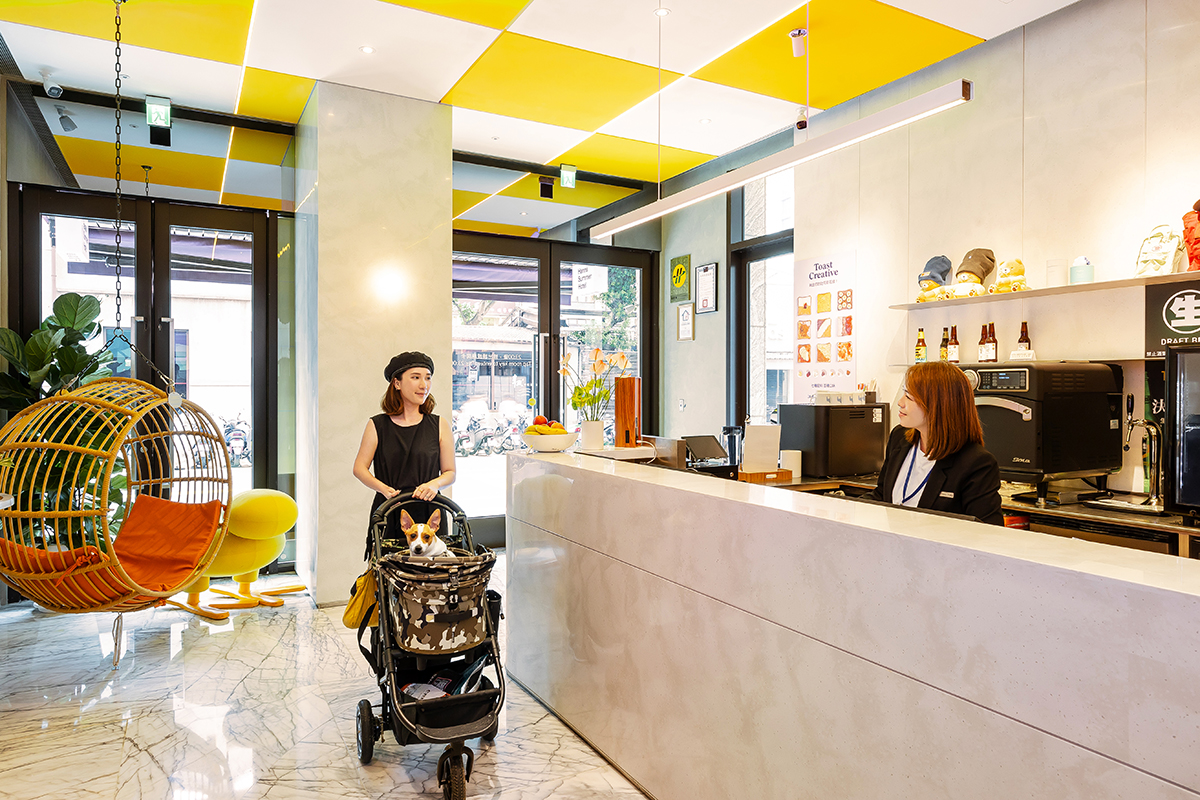
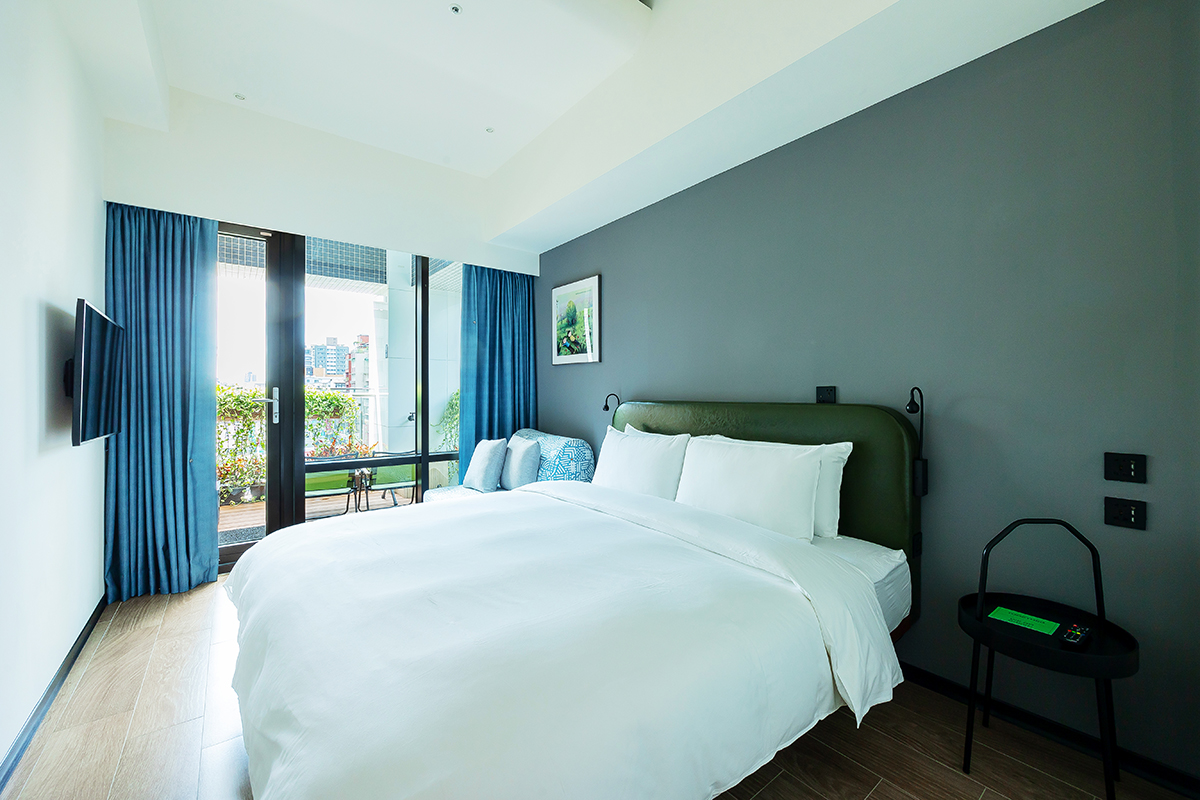
Rooms are designed for different travel styles. Compact layouts suit solo travelers or remote work, while larger rooms accommodate couples or small groups. Across all categories, the focus is on simplicity, functionality, and comfort.
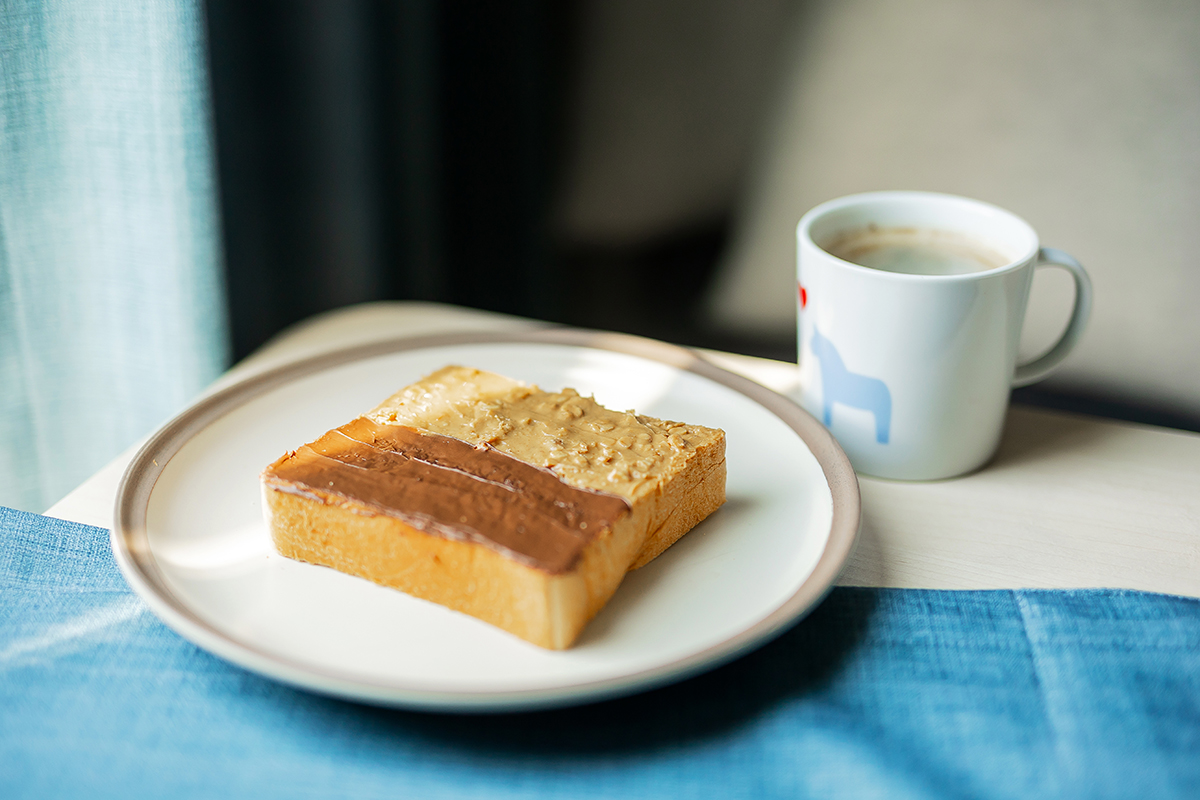
Shared spaces support a flexible stay, from self-service coffee to a relaxed evening happy hour. A light breakfast of toast and coffee offers an easy start to the day.
Hanns Summer combines convenience, character, and laid-back comfort, perfect for experiencing Taipei at a local pace.
Address: No. 62, Sec. 3, Tingzhou Rd., Zhongzheng District, Taipei City.
Tel: +886 277 557 747
Website: www.hannssummer.com
As the global fashion industry recalibrates in the face of its own excess, Taipei offers a different model, not as corrective or counter-narrative, but simply as evidence that another way of working has always existed. Progress here does not declare itself. It shows up in the weight of cloth, in the patience of a maker, in the particular quiet of a lane where the business of making things well has been conducted, without interruption, for well over a century.