
Milan – Athlete and Aesthete
The Olympic flame went out in February. The scaffolding came down by March. And then, in the weeks that followed, something happened that cities almost never manage after staging the world’s largest sporting event: Milan did not go back to normal. It went forward. Not noisily, not with the self-congratulatory energy of a city performing its own transformation. But with the particular confidence of a place that was already very good at being itself and has been quietly given, by the effort and investment of an Olympic cycle, a further set of reasons to believe it.
The winter games brought athletes and a global audience. They also brought infrastructure, public investment, new piazzas, and a civic renovation project that rewired several of the city’s most compelling neighbourhoods in ways that will take years to fully appreciate. What they left behind is the subject of this piece. Not the Olympics, but what the Olympics made possible. Not the torch relay, but the city it passed through: reinvigorated, re-examined, and arriving into the autumn of 2026 with a hotel landscape, a cultural depth, and a dining scene that collectively constitute the most complete version of Milan that has ever been available to the visiting traveller.
Come in September or October. The summer crowds have gone. The fashion weeks have not yet arrived. The light over the Duomo in the late afternoon turns the marble a colour that Milanese painters spent centuries trying to capture. The aperitivo hour starts at six and continues until the city decides it is time for dinner. This is Milan at its most generous, and its most genuine.
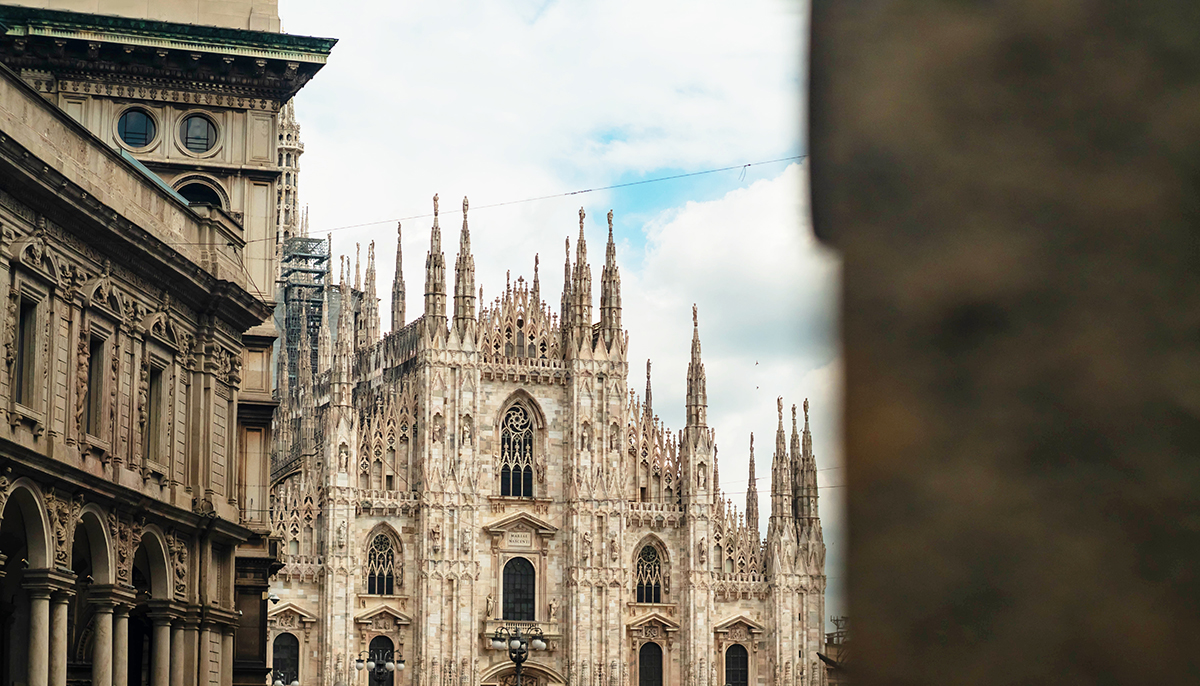
Milan has always required a particular kind of attention. It is not a city that announces itself in the manner of Rome or Venice or Florence, whose beauty arrives immediately and without invitation. Milan asks you to look twice, to walk a block further than the obvious route, to sit in the aperitivo bar long enough for the neighbourhood to reveal its actual character. The reward for this patience has always been a city of extraordinary density: design, fashion, cuisine, art, architecture, and a civic life conducted with a seriousness of purpose that the rest of Italy views with alternating admiration and gentle suspicion.
The post-Olympics period has added a further dimension to this proposition. The new public piazzas installed for the games have become functioning civic spaces, taken over by the Milanese with the speed and completeness of people who recognised something they needed. Permanent art installations commissioned for the Olympic legacy programme now anchor several of the city’s most interesting neighbourhoods. And the hotel investment triggered by the games, once it arrives, will not be reversed. Six Senses, Rosewood, and Soho House are all confirmed for Milan openings between 2026 and 2027. The city that exists right now, in the interval between those openings and the ones that preceded them, is the version worth arriving for.
Five Experiences That Define The City
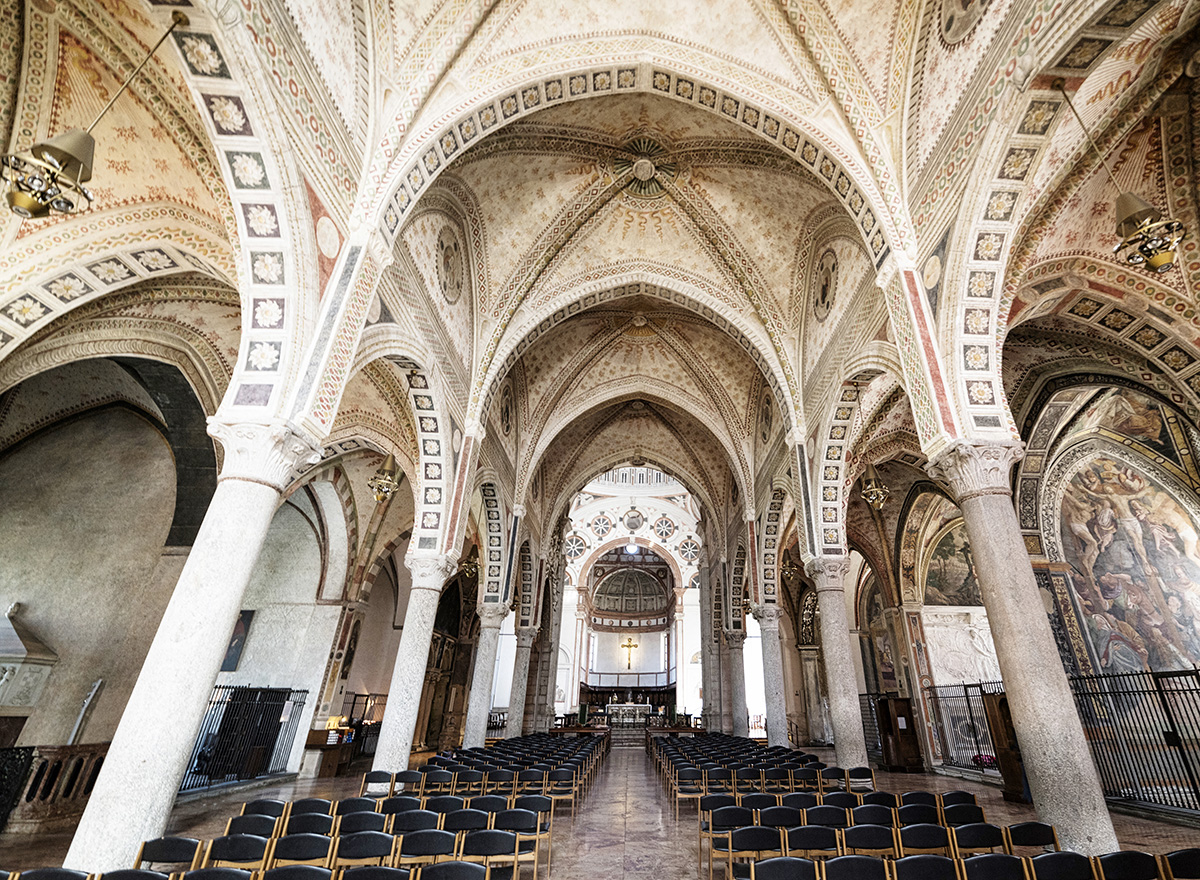
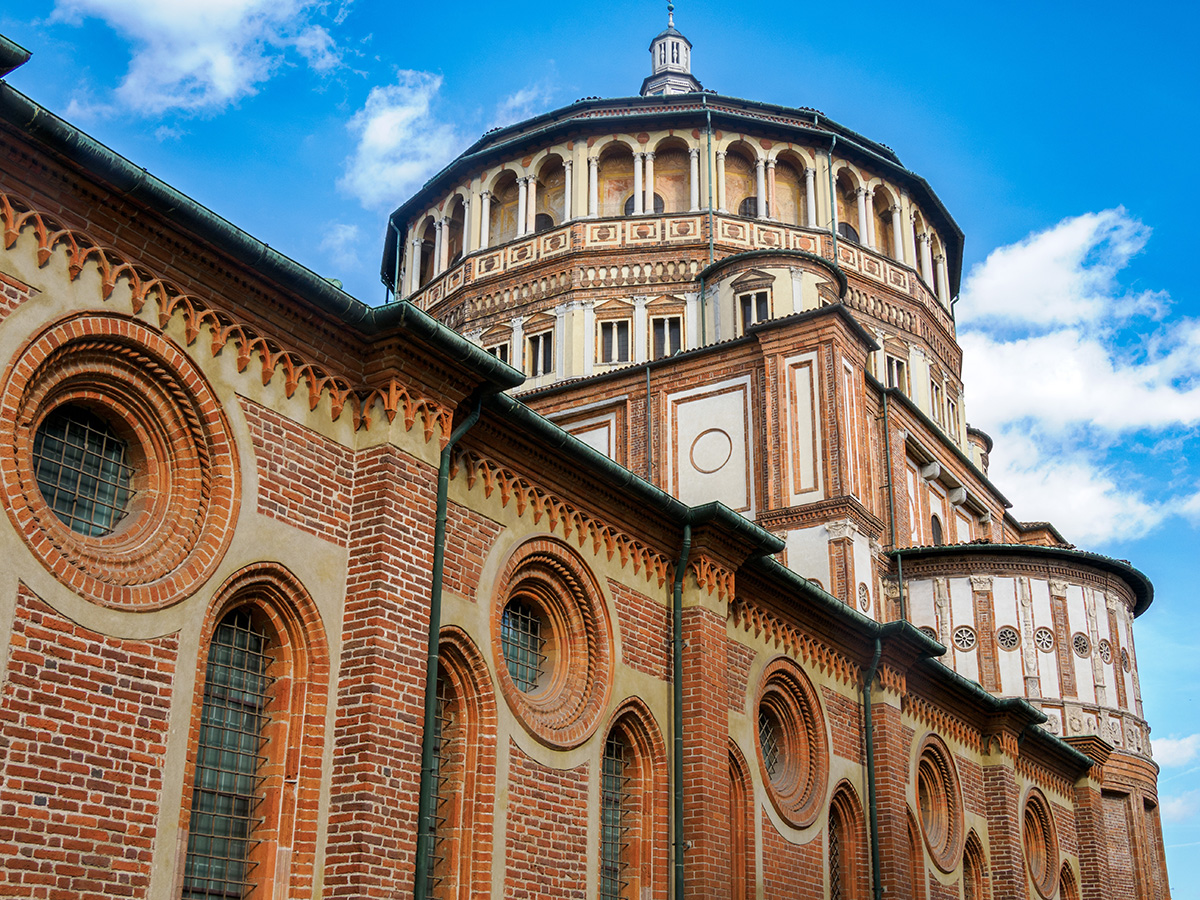
01 The Last Supper at Santa Maria delle Grazie
the world for five hundred years since. The painting covers the north wall of the refectory of Santa Maria delle Grazie and is experienced under conditions that other world-class works of art would not tolerate: a maximum of thirty visitors at a time, fifteen minutes per session, humidity and temperature controlled to a degree that makes the experience feel slightly like entering a scientific facility. Book three months ahead, without exception, through the official booking system. What you find inside the room is the work itself, considerably more alive at close proximity than any reproduction has ever suggested, and the long silence that tends to descend on people who are standing in front of something that has been thought about more than almost any other object in the history of Western visual culture.
02 The Neighbourhood Walk: Isola to Brera
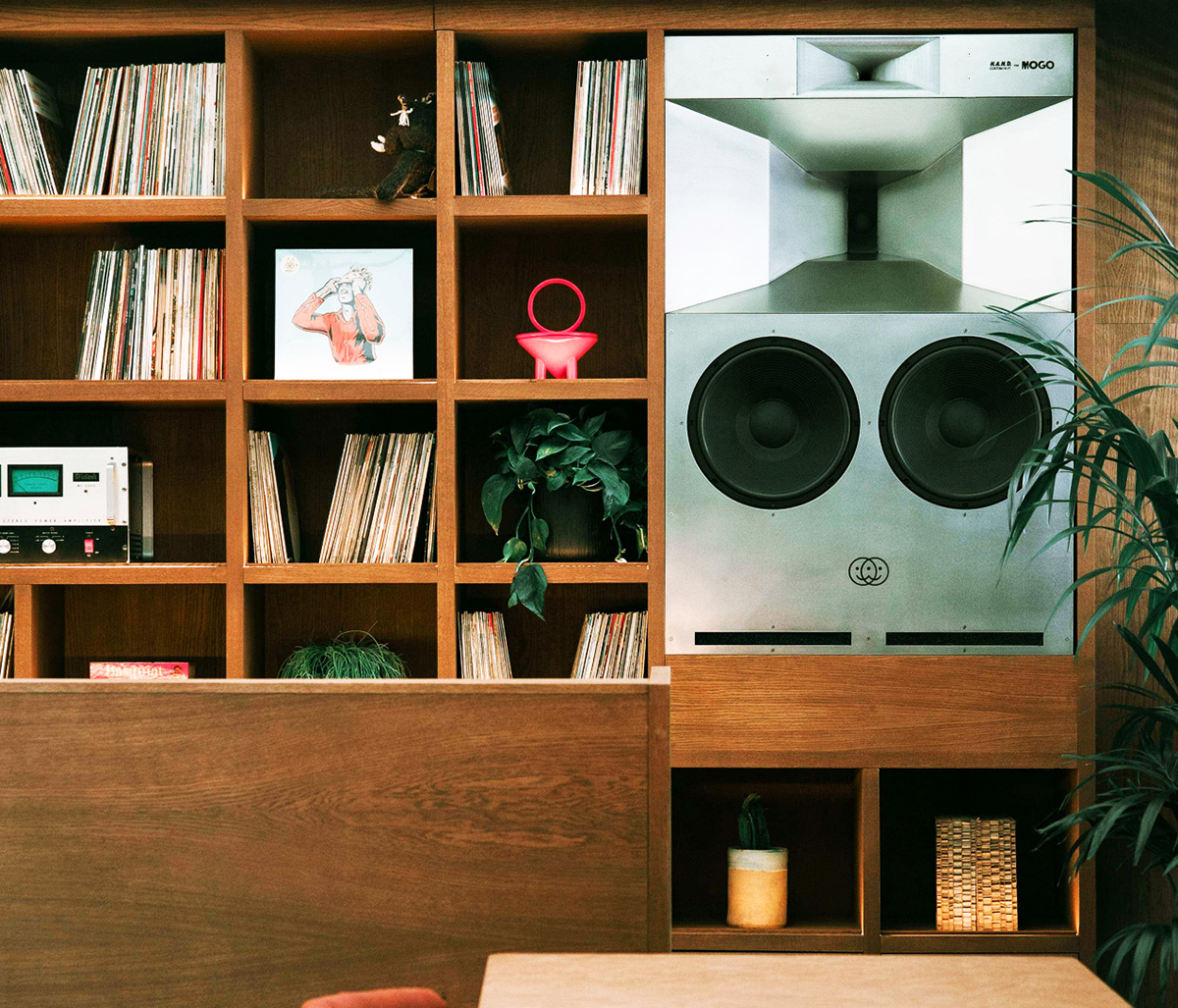
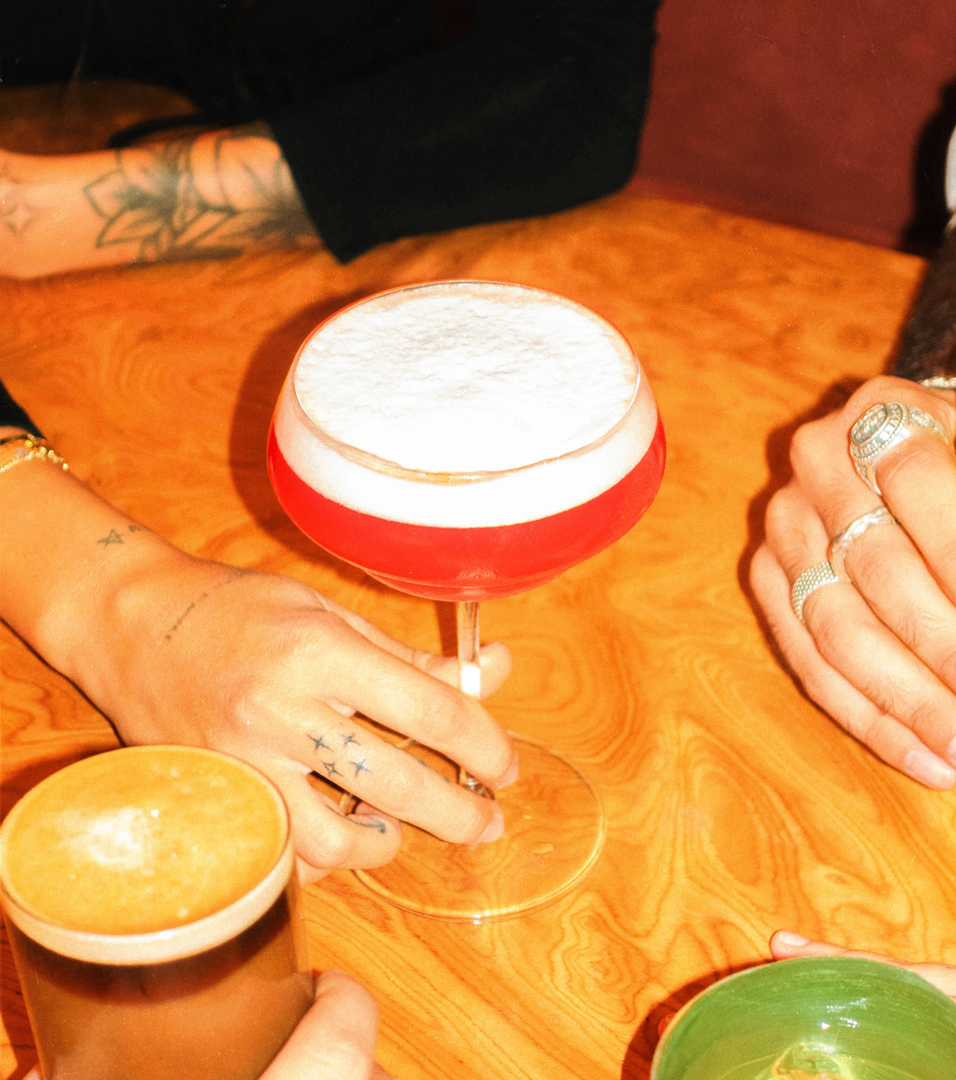
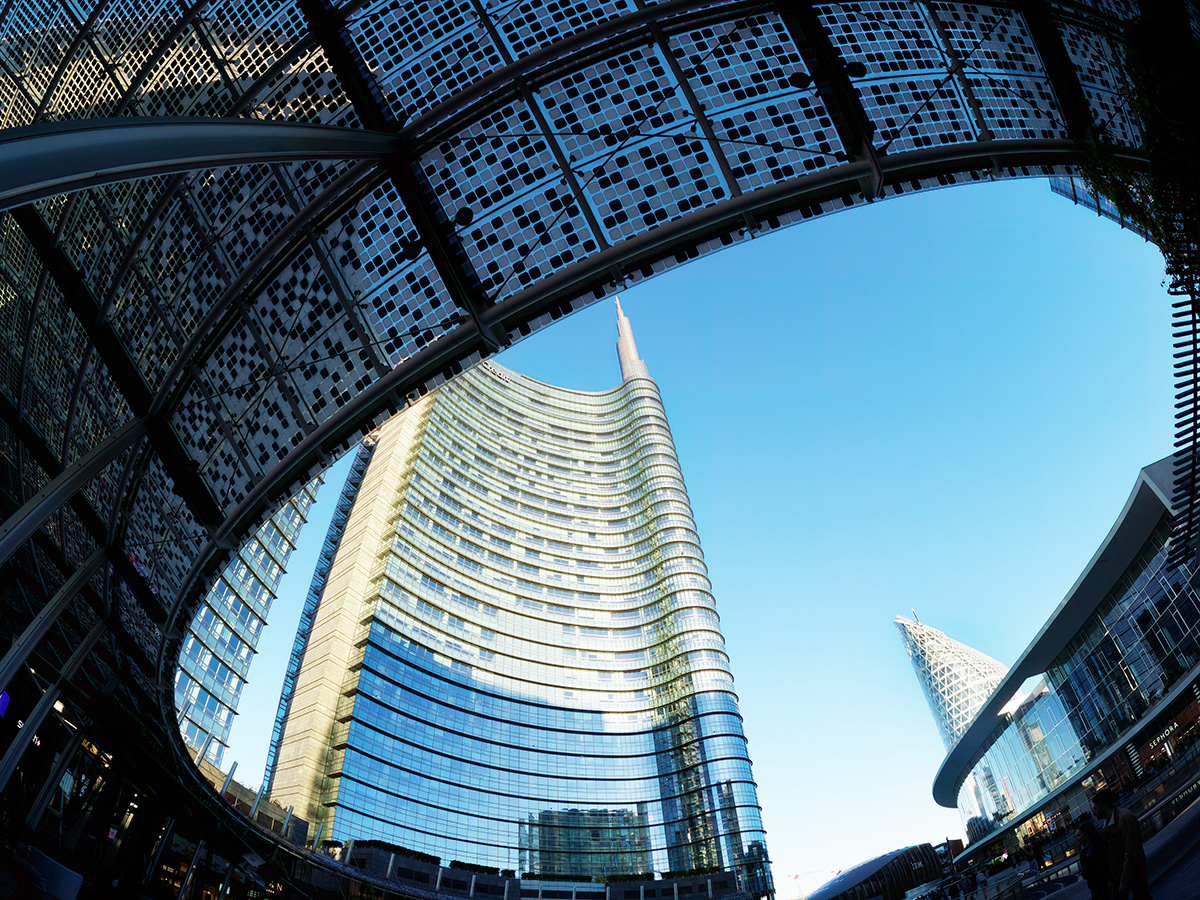
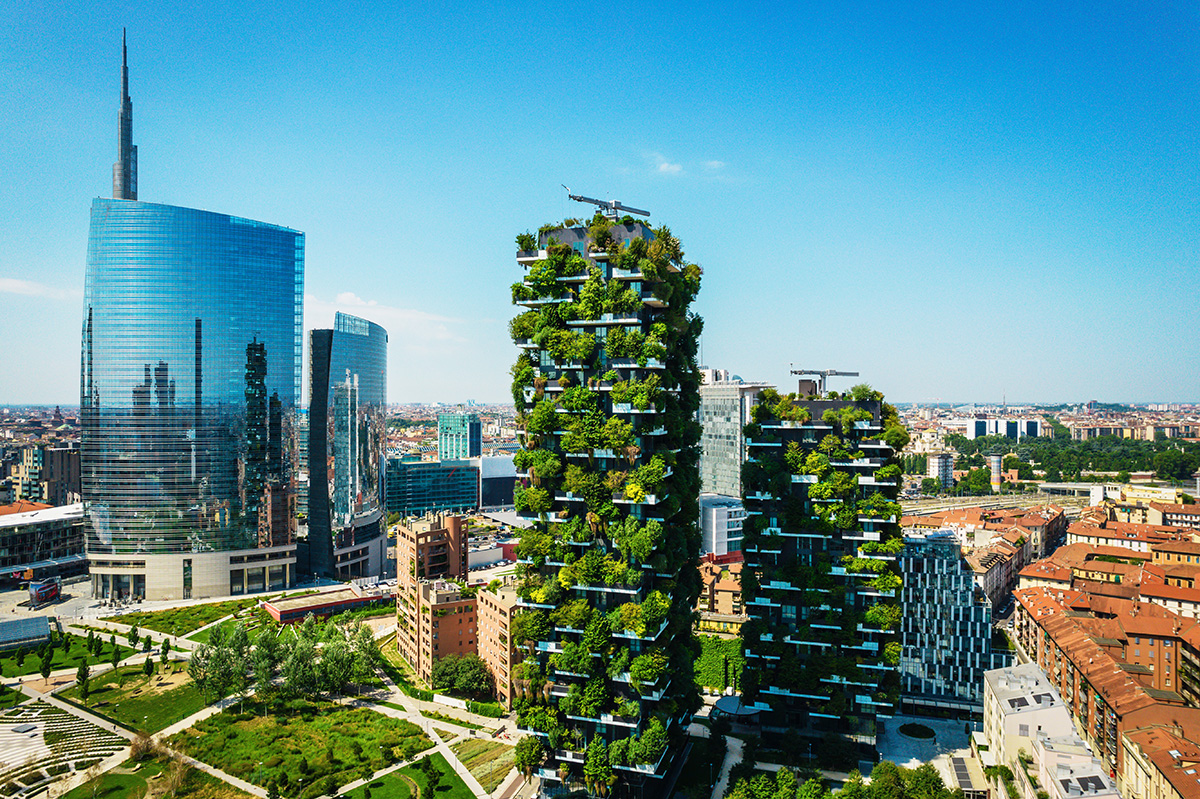
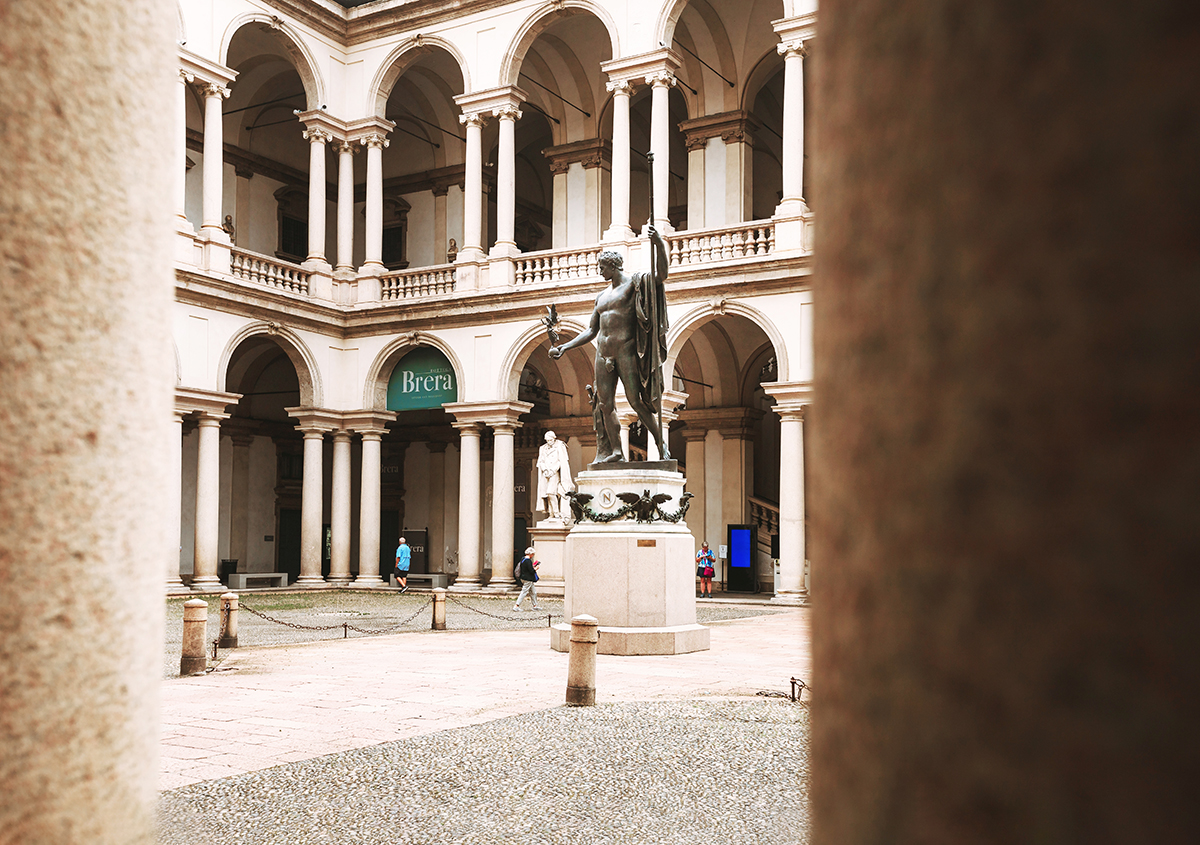
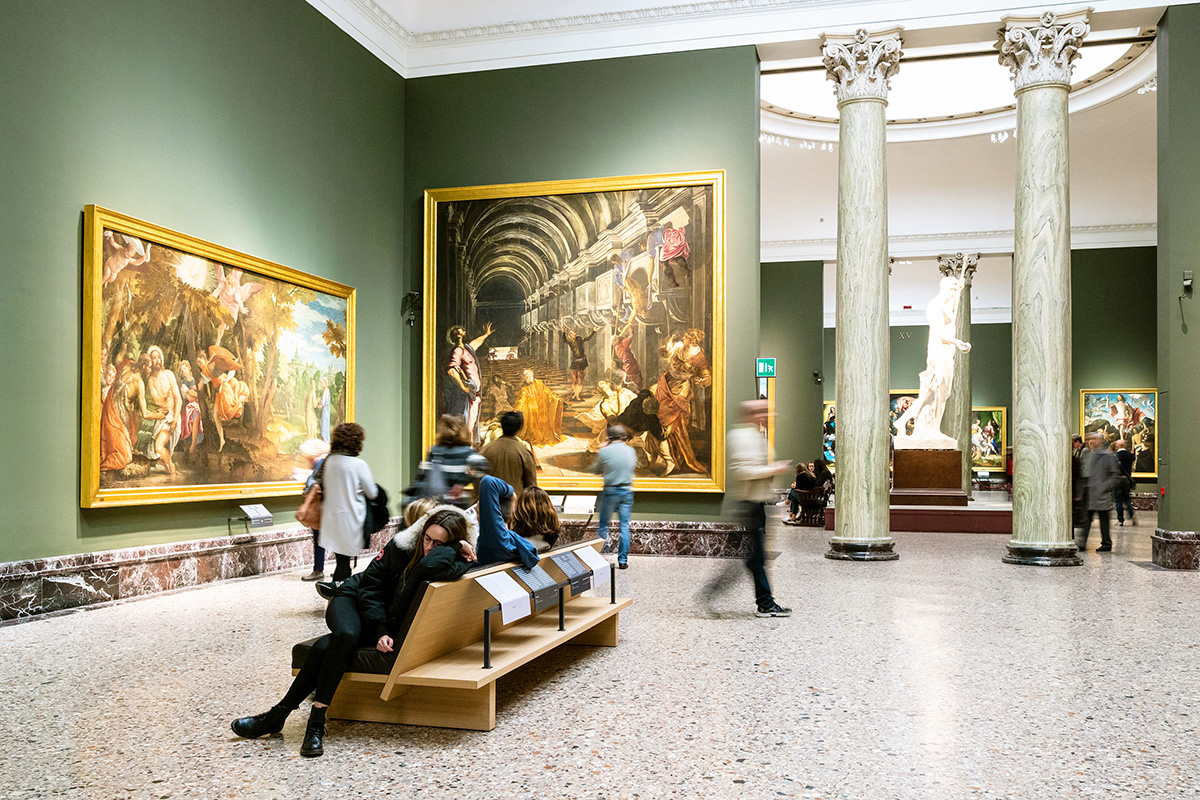
Isola is the neighbourhood that Milan’s more attentive visitors have been discovering for several years and that the city itself is now acknowledging as something it needs to protect. The streets north of Porta Garibaldi Station are close enough to the centre to be convenient and far enough from the tourist circuit to have retained the texture of actual Milanese life: small trattorias, independent bookshops, the new MOGO hi-fi bar that opened in April 2025 with a vinyl selection and a cocktail programme that represents the current high-water mark of aperitivo culture in the city. From Isola the walk continues south through Porta Nuova, past the Bosco Verticale towers and the Olympic-era public installations, and into the cobblestone calm of Brera, where the Pinacoteca houses one of the more extraordinary collections of northern Italian painting available without advance booking, and the botanical garden behind it offers the specific peace of a well-tended green space surrounded by a city that is very much still functioning.
Tip
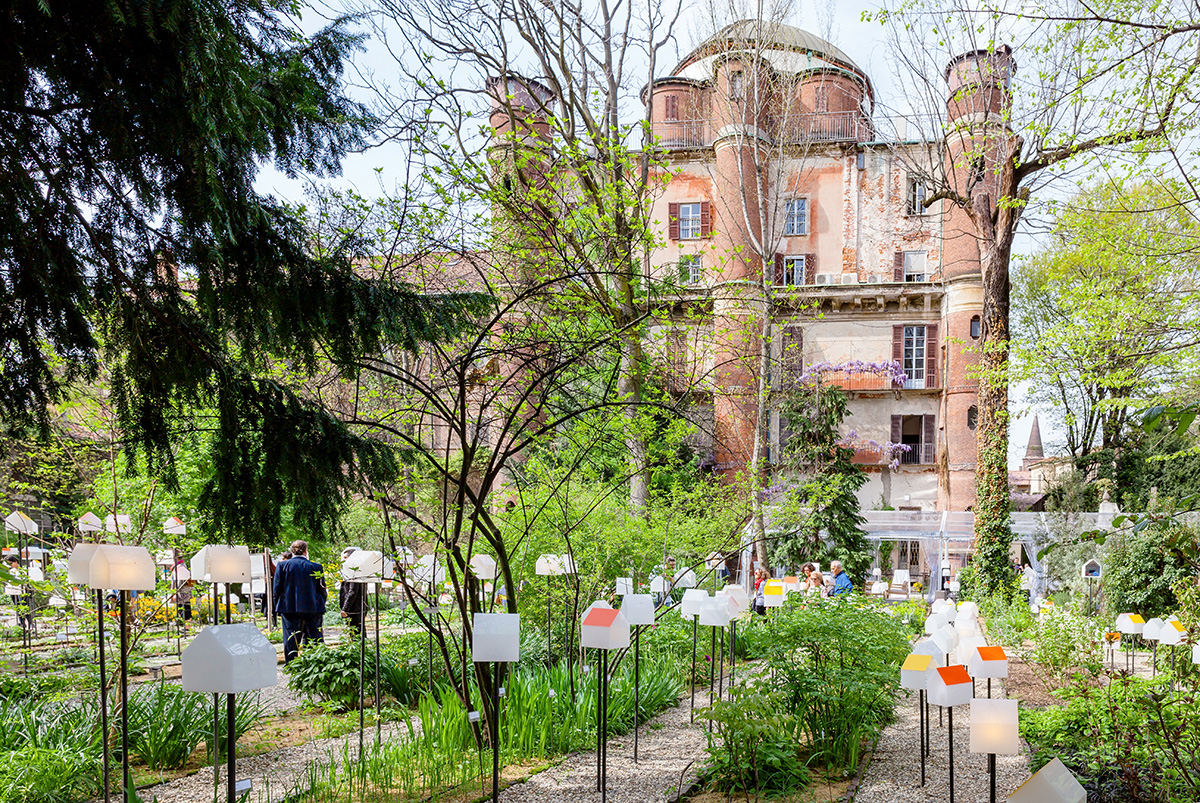
Established in 1774, Brera Botanical Garden is a compact green oasis tucked within Milan’s historic Brera district and part of the University of Milan. It makes a tranquil stop between exploring the neighbourhood’s galleries, cafés and design boutiques.
03 Aperitivo on the Navigli
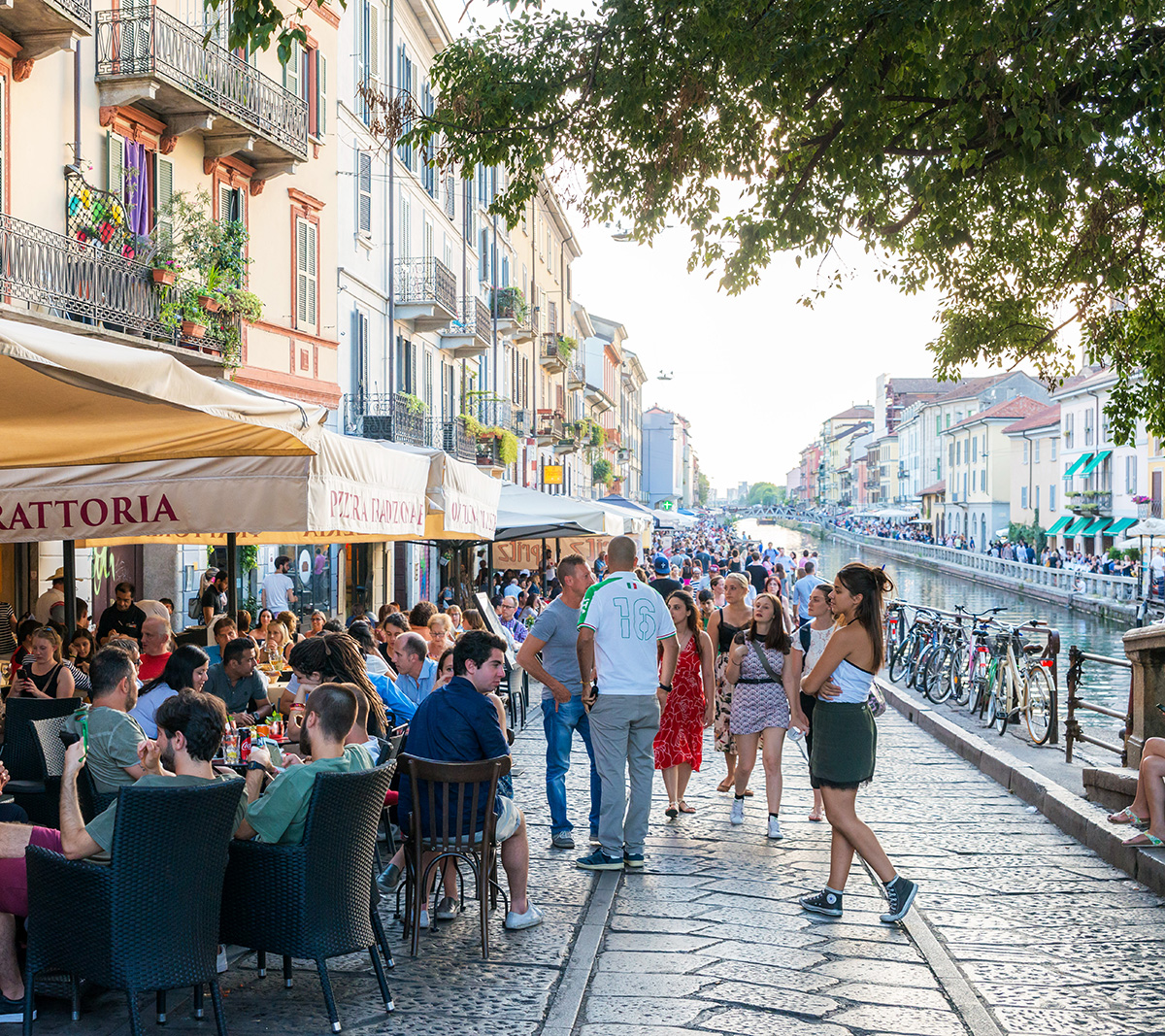
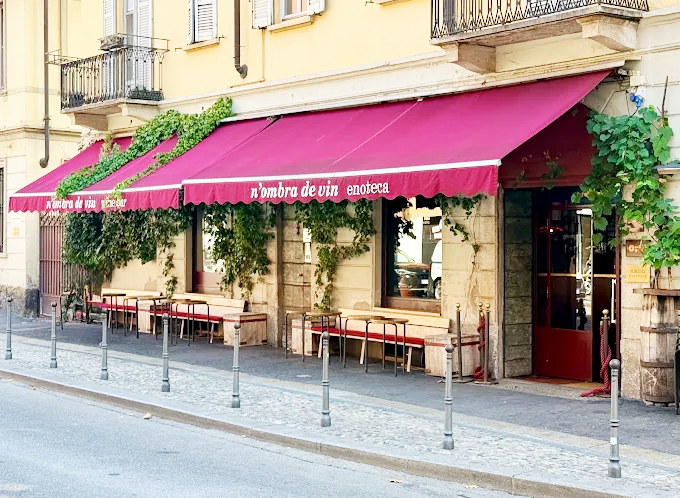
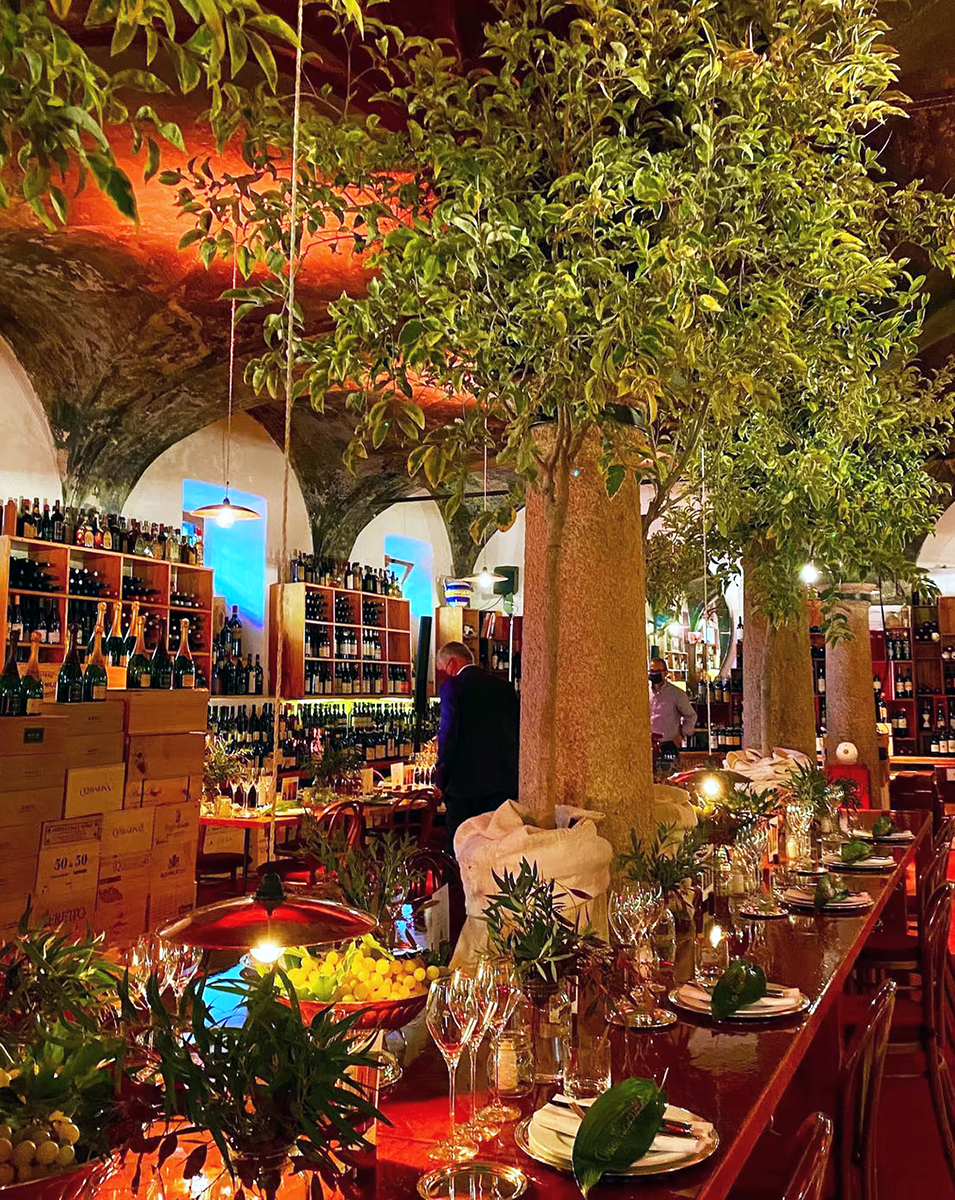
The Navigli canal district has been practising aperitivo since before aperitivo was a category that anyone discussed in international food media, and it shows. The ritual begins at six o’clock at the canal-side tables and proceeds through Campari and Aperol and the house negroni and the small plates that keep arriving until the distinction between aperitivo and dinner becomes a question of emphasis rather than fact. N’Ombra de Vin, on Via San Marco, is the wine bar that the Milanese have been using as a reference point for decades: a vast cellar, a considered list, and the kind of unhurried service that comes from a place that has never needed to try particularly hard to fill its tables. The canal light at this hour, reflecting off the water in a way that has no exact English equivalent, is part of the reason this ritual has persisted for so long and shows no sign of evolving into anything more convenient.
04 Casa Museo Boschi di Stefano
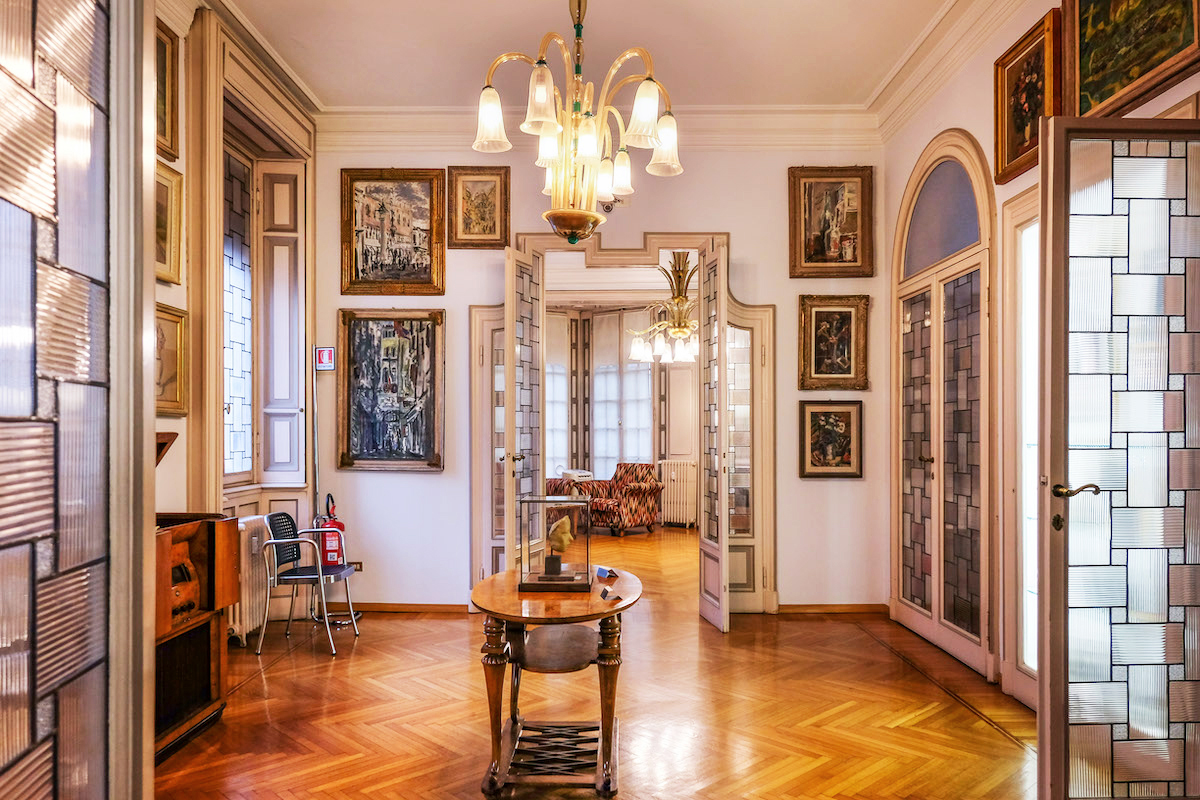
The apartment on Via Jan, in a rationalist building in the Porta Venezia district, is where Antonio and Marieda Boschi di Stefano spent their adult lives assembling a collection of Italian modern art that is now, in the words of the museum that their apartment became after their deaths, one of the most complete surveys of twentieth-century Italian painting in private hands. The rooms are arranged exactly as they were lived in: paintings stacked floor to ceiling in the manner of people who bought art because they loved it rather than because they planned to display it to advantage. The collection includes major works by Carrà, de Chirico, Balla, Morandi, and Fontana, and the experience of encountering them in domestic context, without the white walls and measured spacing of institutional presentation, is one of the more disorienting and affecting things that Milan offers. Admission is free. It is, for reasons that have never been adequately explained, almost always uncrowded.
05 Peck and the Architecture of Appetite
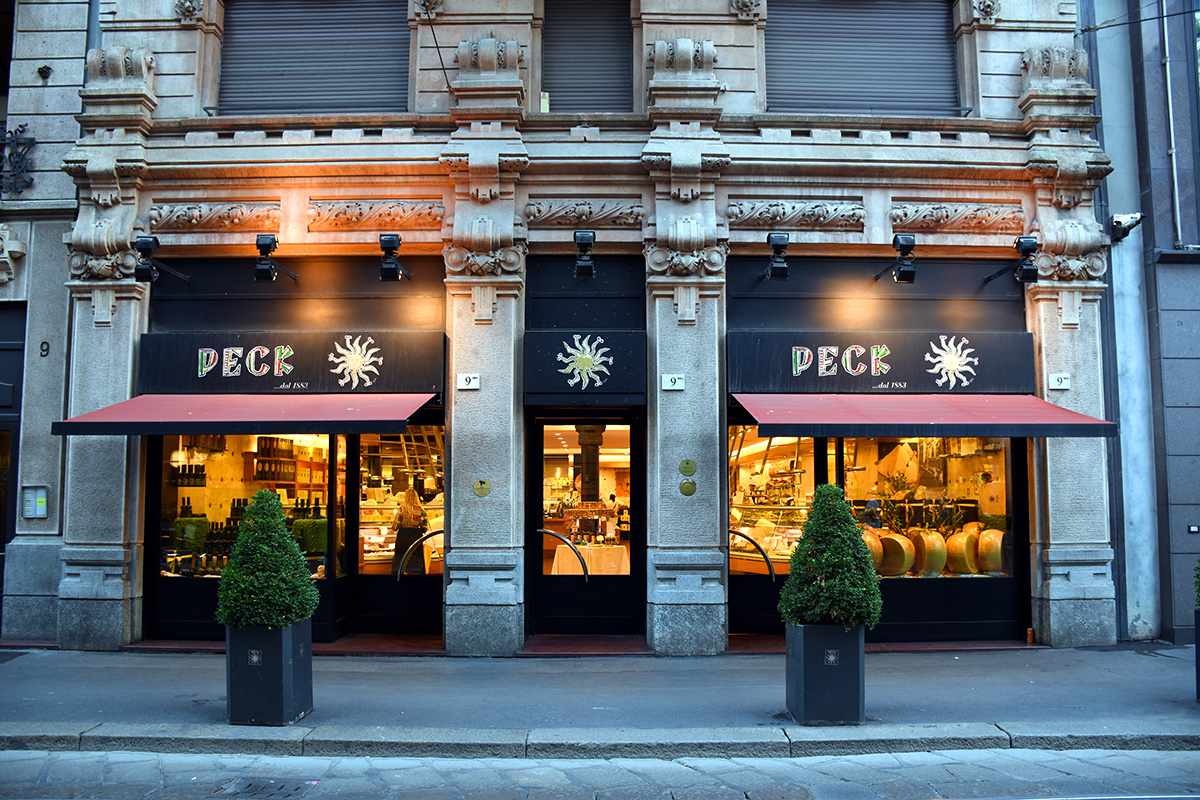
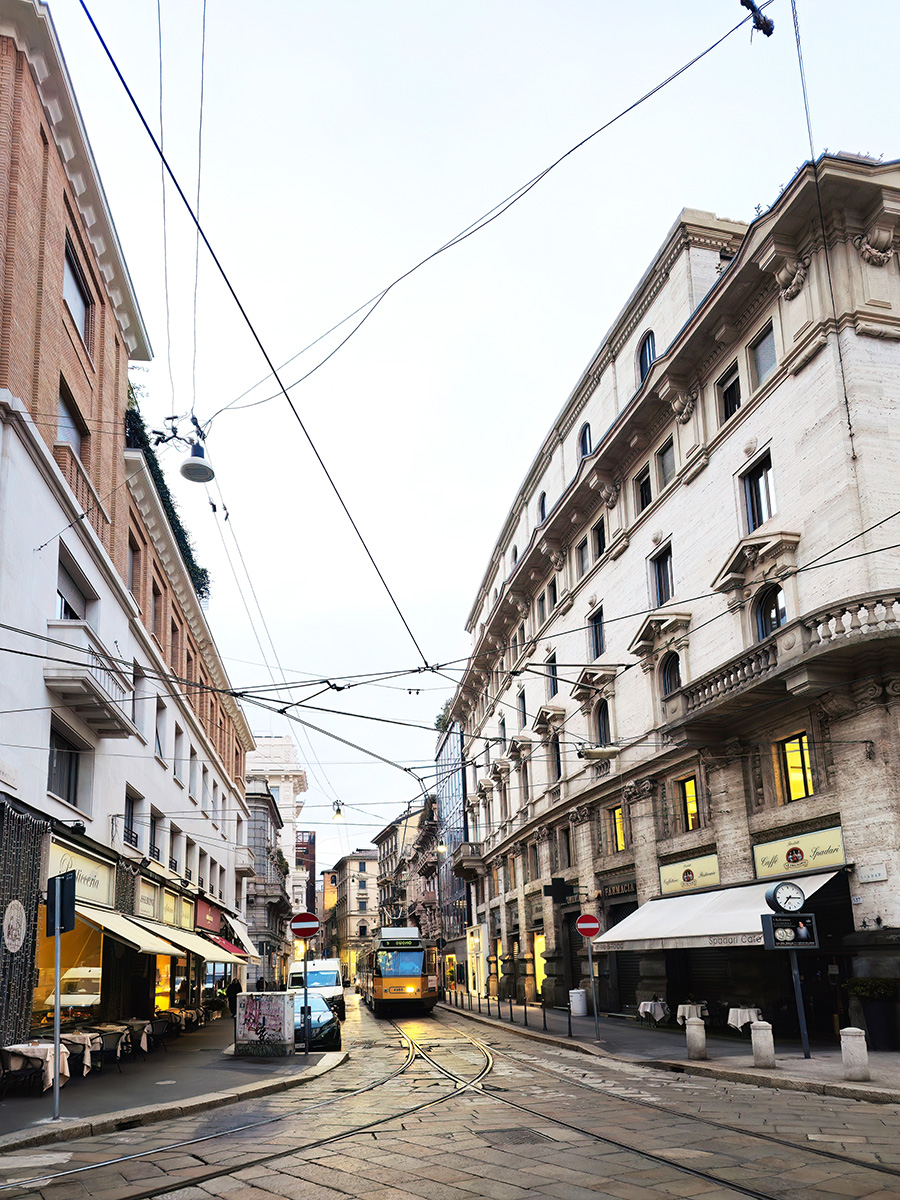
Peck has been on Via Spadari since 1883, and the continuity is not incidental. The gourmet market occupies three floors of a building that functions more like a serious argument about Italian food culture than a retail establishment. The ground floor is for charcuterie, cheese, and prepared food. The cellar is for wine, in quantities and at depths that constitute a genuine education in the Italian wine landscape. The upper floor handles gastronomy in the broader sense. An hour spent moving through the building in the late morning, before the lunch service begins and the counters become properly busy, is the best possible introduction to the Milanese approach to eating: an approach based on the conviction that the quality of ingredients is not a luxury but an obligation, and that the obligation has been understood and honoured here for over a century.
Tip
Allow time to explore Peck’s fresh produce, fine chocolates, pastries and carefully curated wines. More than a gourmet destination, this Milan institution offers an elegant glimpse into the city’s enduring food culture—and a refined selection of Italian delicacies to take home.
Where To Eat
The Milanese relationship with food is based on a conviction that the regional tradition is not a museum piece but a living standard that demands active maintenance. Osso buco and risotto alla Milanese are not dishes that the city has outgrown. They are dishes that the city continues to test its restaurants against, and the restaurants that pass the test, whether they are doing the original or an intelligent variation on it, are the ones worth finding.
Spiga at The Carlton Milan
Contemporary Milanese | Via Senato | Osso Buco Reimagined
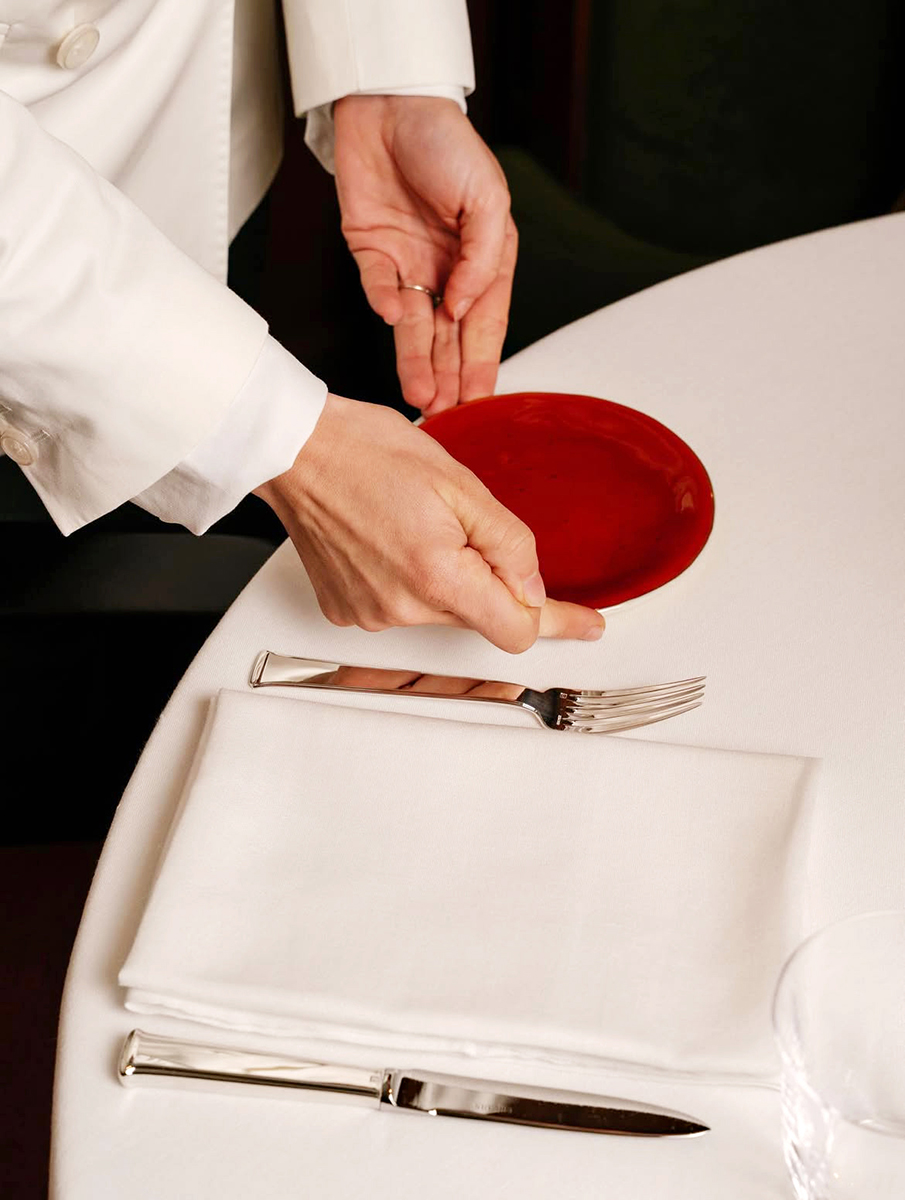
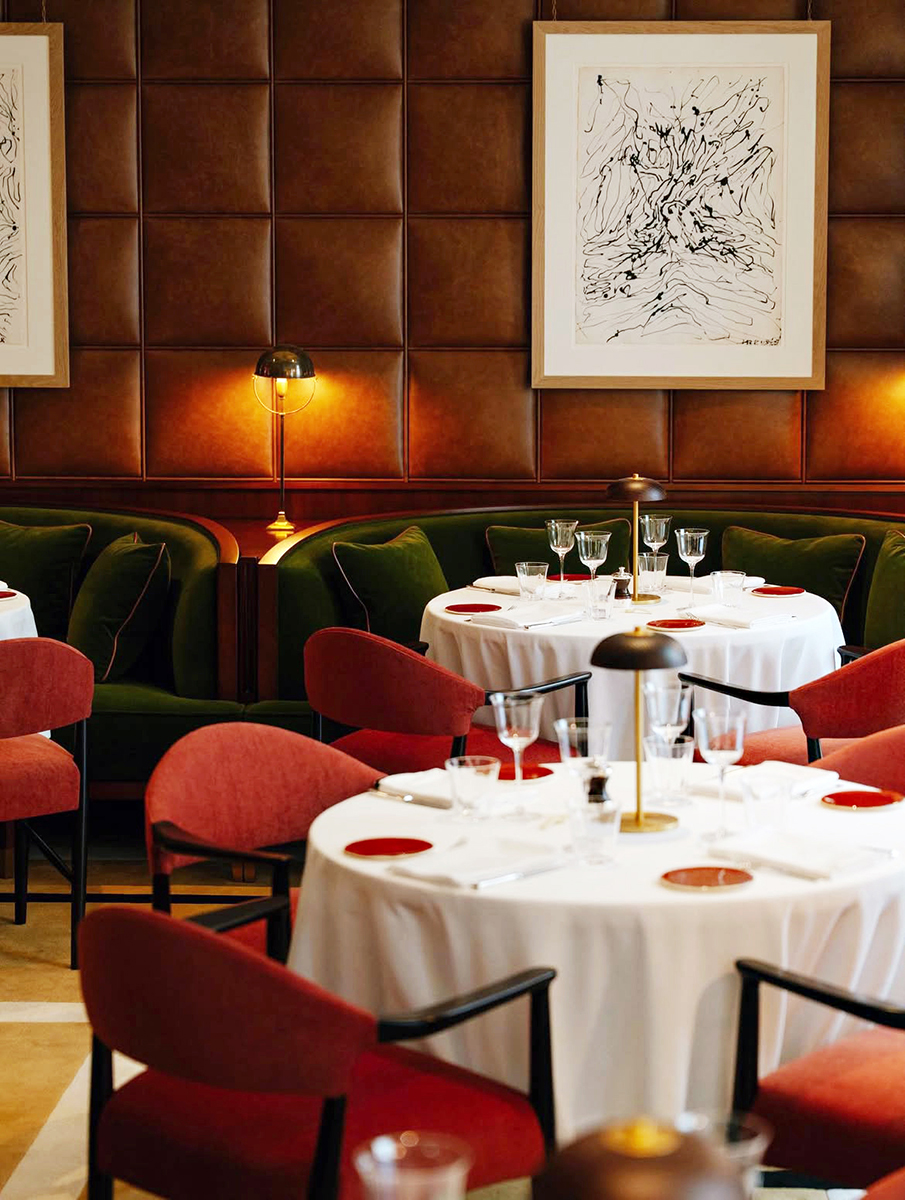
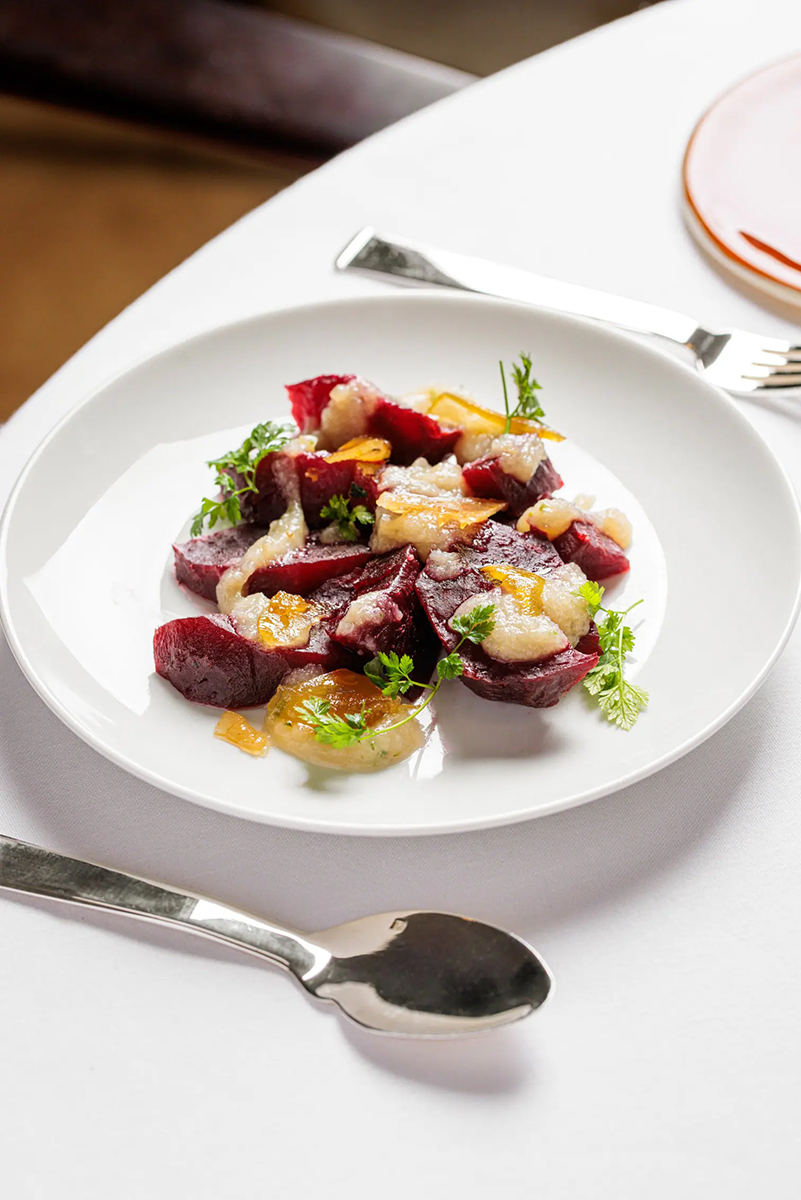
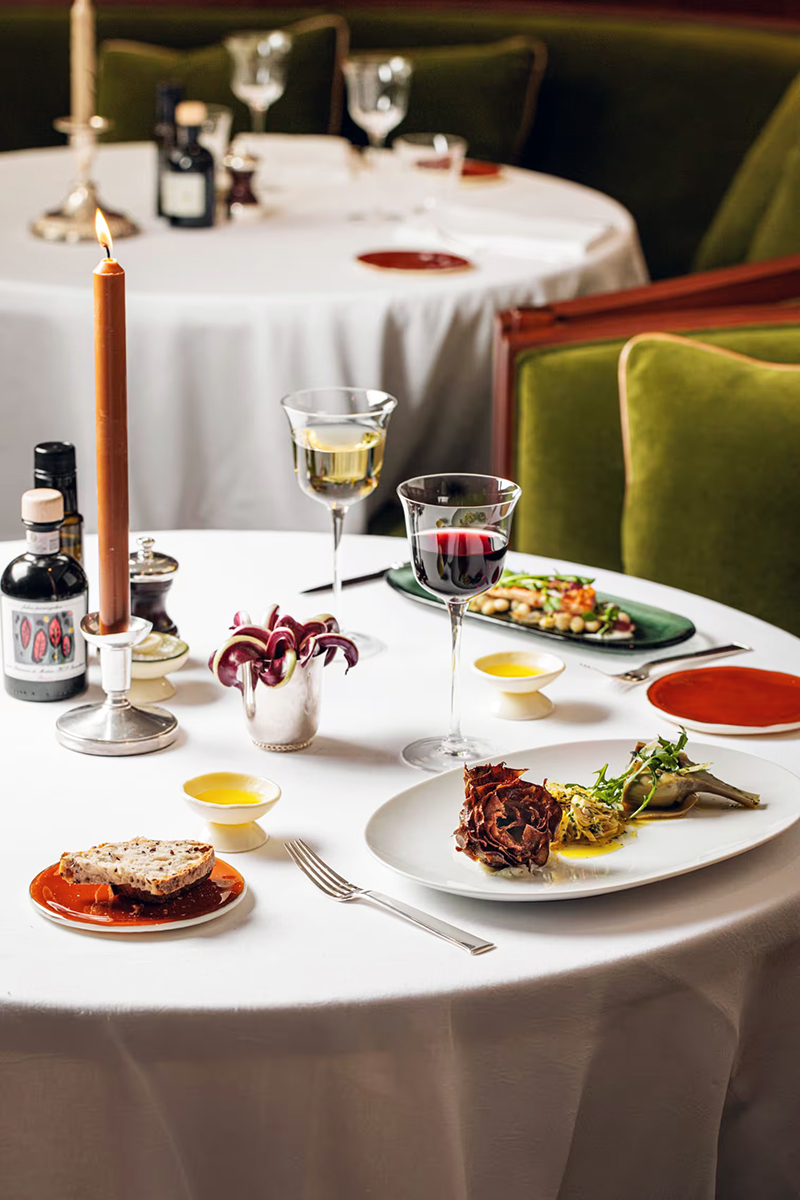
reconstructs it as ravioli with lemon and candied tomatoes, which is the most concise statement available of what contemporary Milanese cooking is actually doing: it knows the tradition so completely that it can play with it without losing it. Patricia Urquiola’s room is excellent dining architecture: warm without being theatrical, well-lit without being flattering in the compensatory way that restaurant lighting often is. The Carlton Garden outdoor dining opens in spring 2026 and is anticipated to become the most discussed new terrace in the city.
Trattoria Milanese
Old Guard | Via Santa Marta | Osso Buco And No Fuss
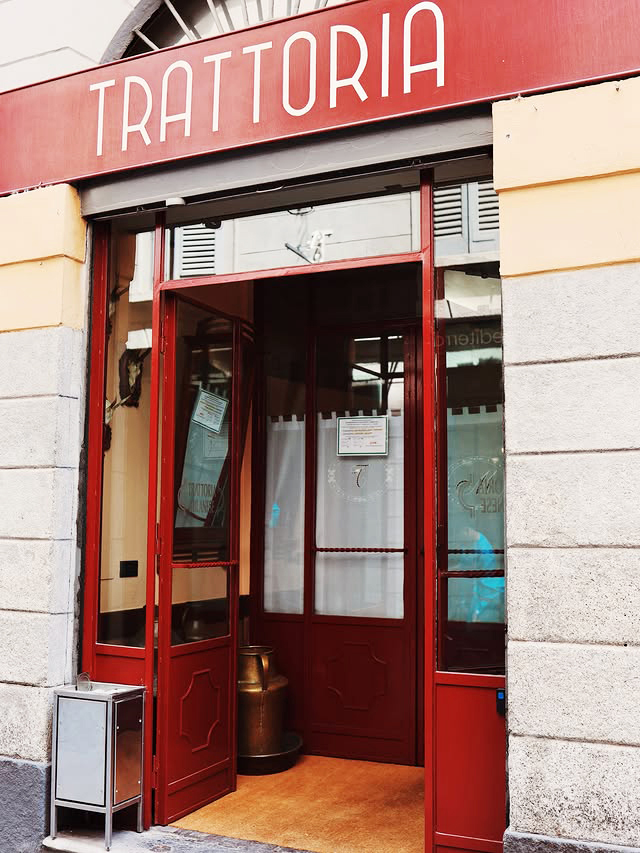
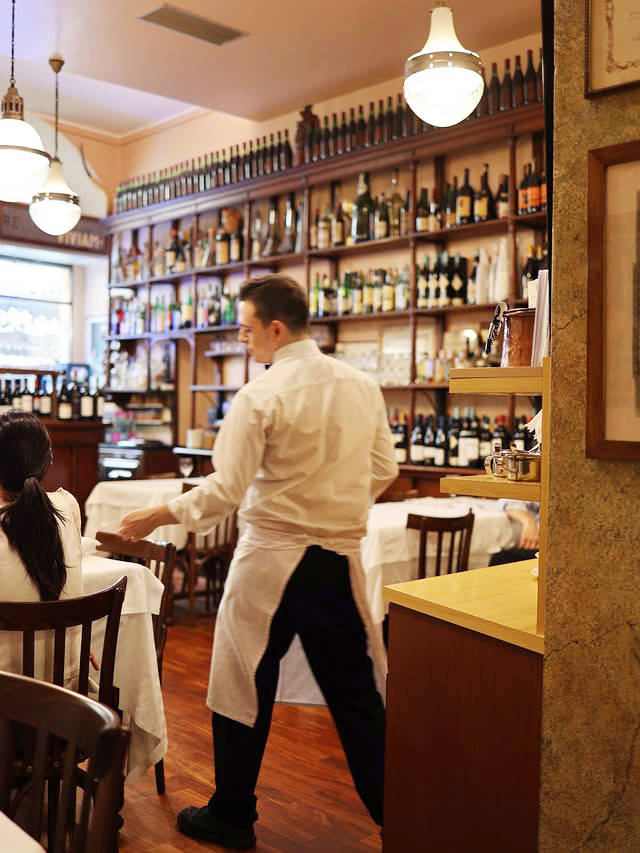
The trattoria on Via Santa Marta has been serving the Milanese version of lunch and dinner since 1933, and the menu has not undergone significant revision since then, which is the point. The osso buco is braised to a tenderness that constitutes an argument about patience. The risotto arrives correctly: bone marrow in the stock, saffron in the rice, the whole thing slightly firmer than most contemporary kitchens would dare to serve it. The room is tiled and practical and lit with the unambitious clarity of a place that knows its food is the reason anyone is there. Booking is necessary. Arriving without one and hoping for the best is a legitimate approach, provided you are prepared for the particular judgment of the front-of-house staff.
Where To Stay
The Olympic cycle triggered the most significant reconfiguration of Milan’s luxury hotel landscape in a generation. Several of these openings are already operational. Others are confirmed and imminent. What they share is an understanding that Milan’s hospitality standard needed elevation to match the city’s permanent position as one of the world’s leading cultural and commercial capitals.
The Carlton Milan
Rocco Forte | Opened November 2025 | Via Senato
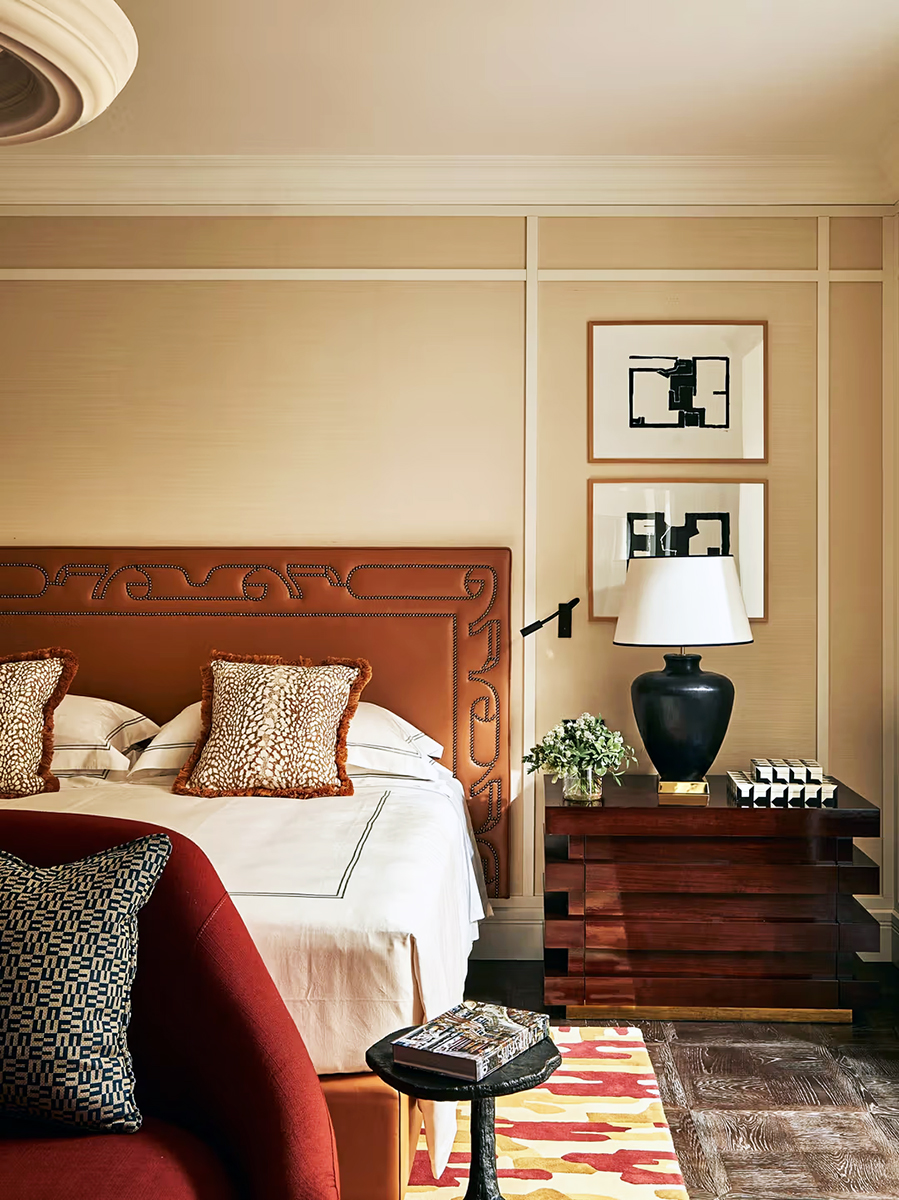
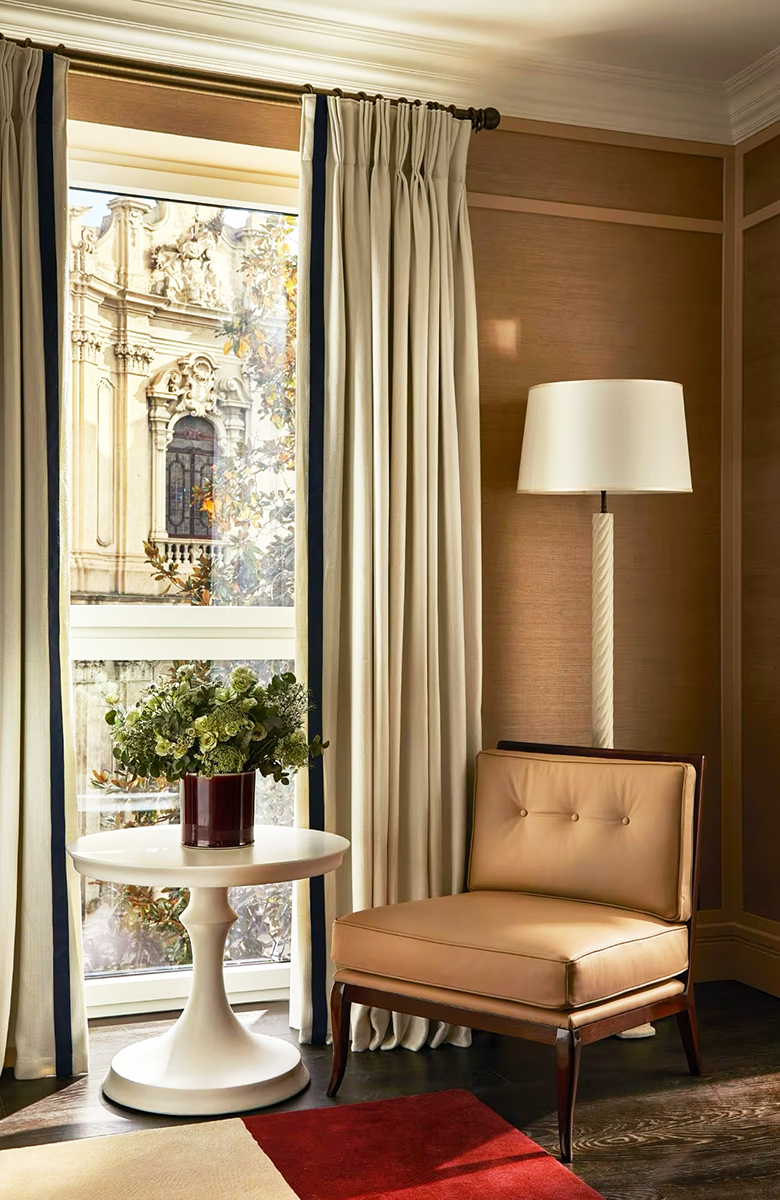
Rocco Forte returned one of Milan’s most storied hotel addresses to the standard it always suggested it was capable of, and the result is the most significant luxury opening the city has seen in a decade. Patricia Urquiola, herself Milanese by adoption and the most important Italian designer of her generation, handled the interiors with the specificity of someone who knows precisely what this building should feel like. The rooms are a conversation between the city’s design heritage and a contemporary confidence that never tips into self-consciousness. The rooftop pool, with views extending over the Giardini Pubblici toward the Duomo, is a piece of luxury infrastructure that sets the terms for everything that follows it in the city. The Spiga restaurant on the ground floor does for Milanese cuisine what the hotel does for Milanese hospitality: it honours the tradition with complete technical mastery and just enough creative intelligence to make it feel alive.
Bvlgari Hotel Milano
The Fashion Set's Address | Via Privata Fratelli Gabba
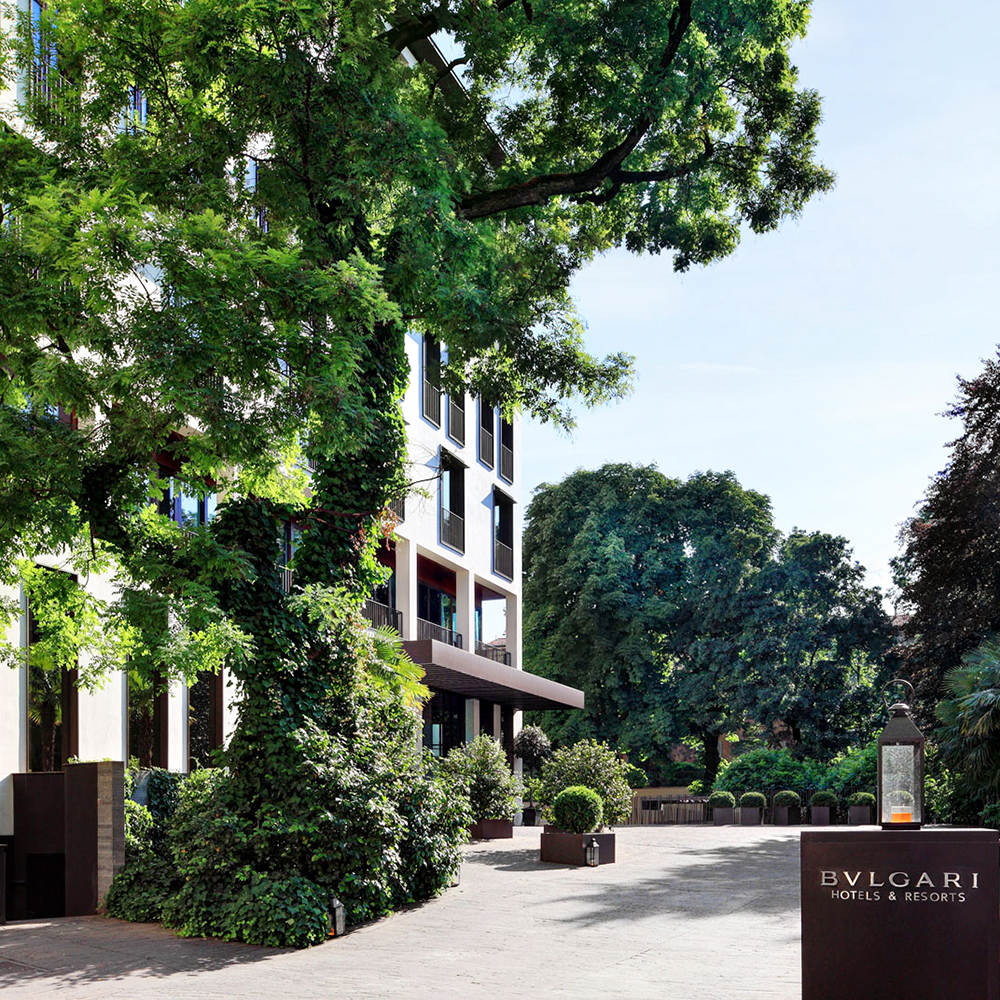
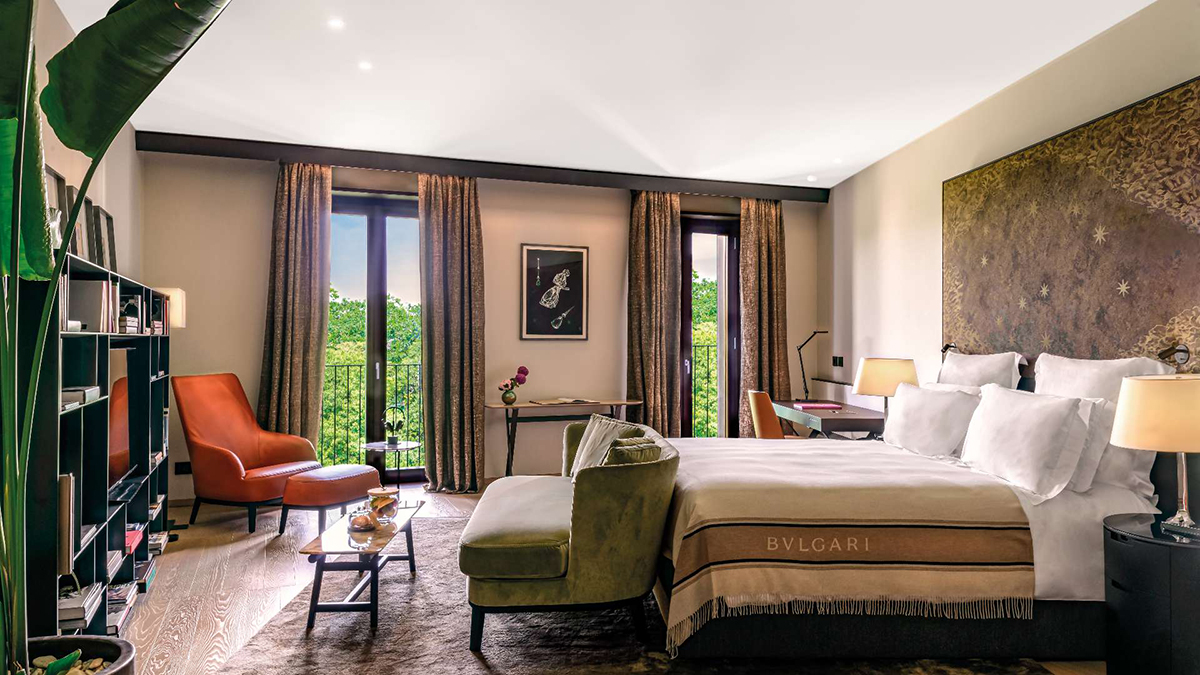
The Bvlgari remains the reference point against which every other luxury hotel in Milan is measured, and this is not only a function of its address in the Brera district’s quietest private garden. It is a function of what the hotel does with its position. The spa is among the finest in northern Italy. The bar, which has been the aperitivo destination of choice for the fashion industry for longer than most of its current clientele have been attending the shows, maintains a standard of mixology and discretion that has never required updating because it was correct from the beginning. The rooms face a canopy of forty-year-old trees.
Casa Brera, Luxury Collection
Arts Focus | Steps From La Scala
Marriott’s Luxury Collection placed its Milan property in deliberate proximity to La Scala, and the programming of the hotel reflects an understanding of what that adjacency means. The art curation is serious rather than decorative: works by emerging Milanese artists rotate through the public spaces, the concierge team maintains relationships with the city’s galleries and cultural institutions, and the experience of staying here has been designed for guests who come to Milan because of what it thinks, not only because of what it wears. A considered alternative for those who find the fashion-circuit hotels slightly studied in their cool.
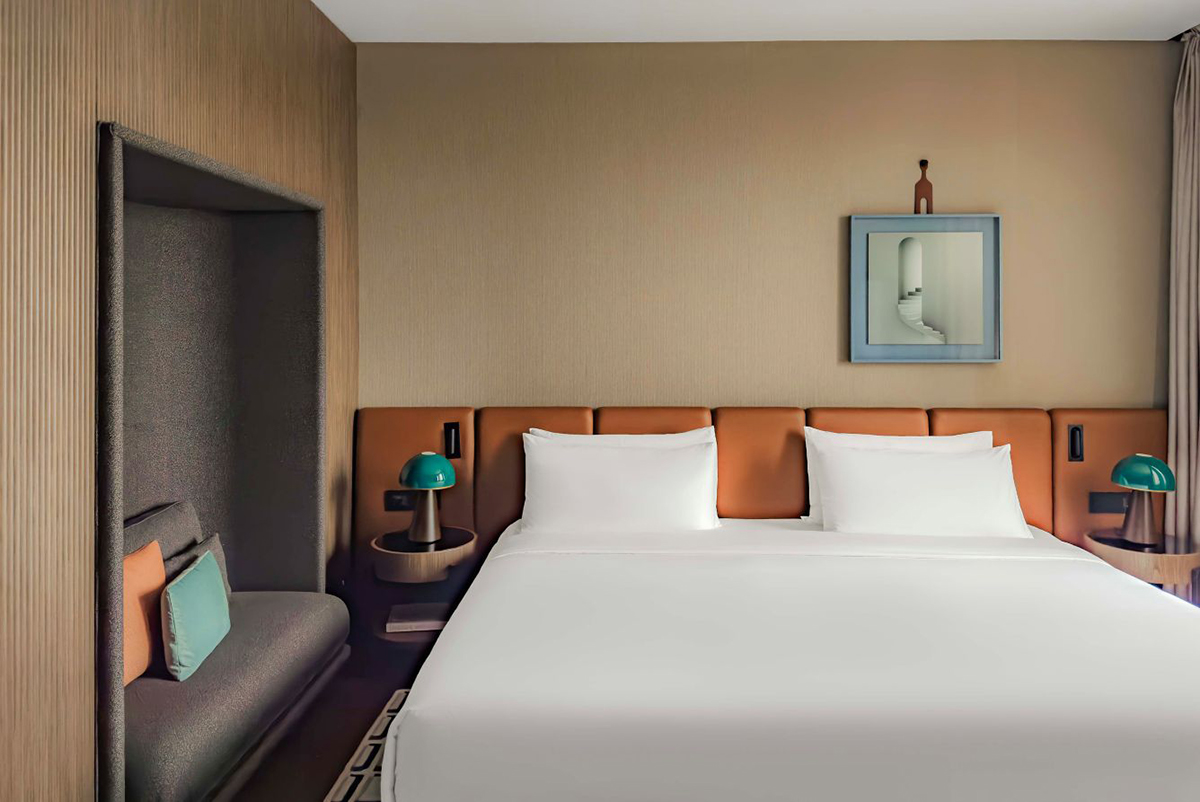
Calimala Milano
Porta Venezia | Alex Meitlis Design | Rooftop Pool
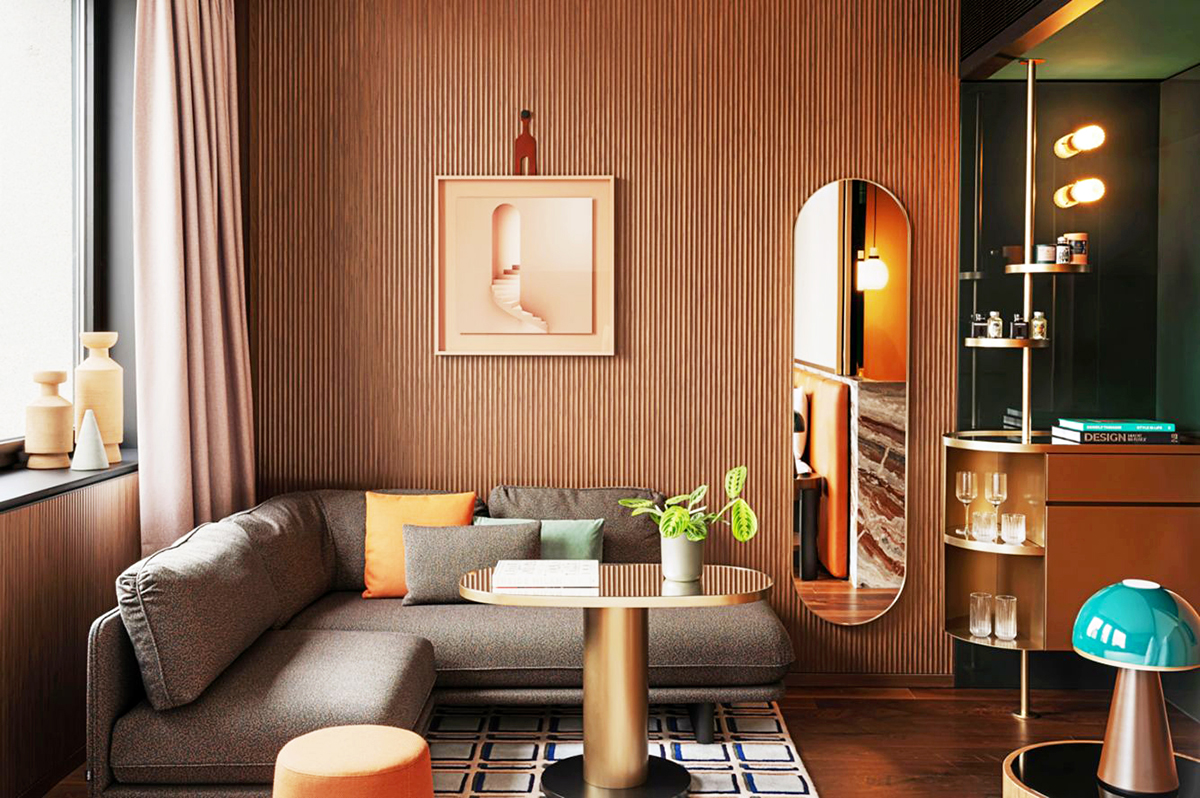
The Porta Venezia property designed by Alex Meitlis is the most architecturally adventurous hotel currently operating in the city, and the neighbourhood it occupies is the right one for it: Porta Venezia’s 19th-century boulevards and independent boutique culture provide an environment in which a design-forward property can exist without irony. The rooftop pool and panoramic restaurant constitute a new evening landmark in a part of the city that the previous hotel infrastructure had largely overlooked. The interiors are the work of someone who understands that design confidence in a hotel means knowing when to stop, and the rooms achieve a considered restraint that improves over the course of a stay.
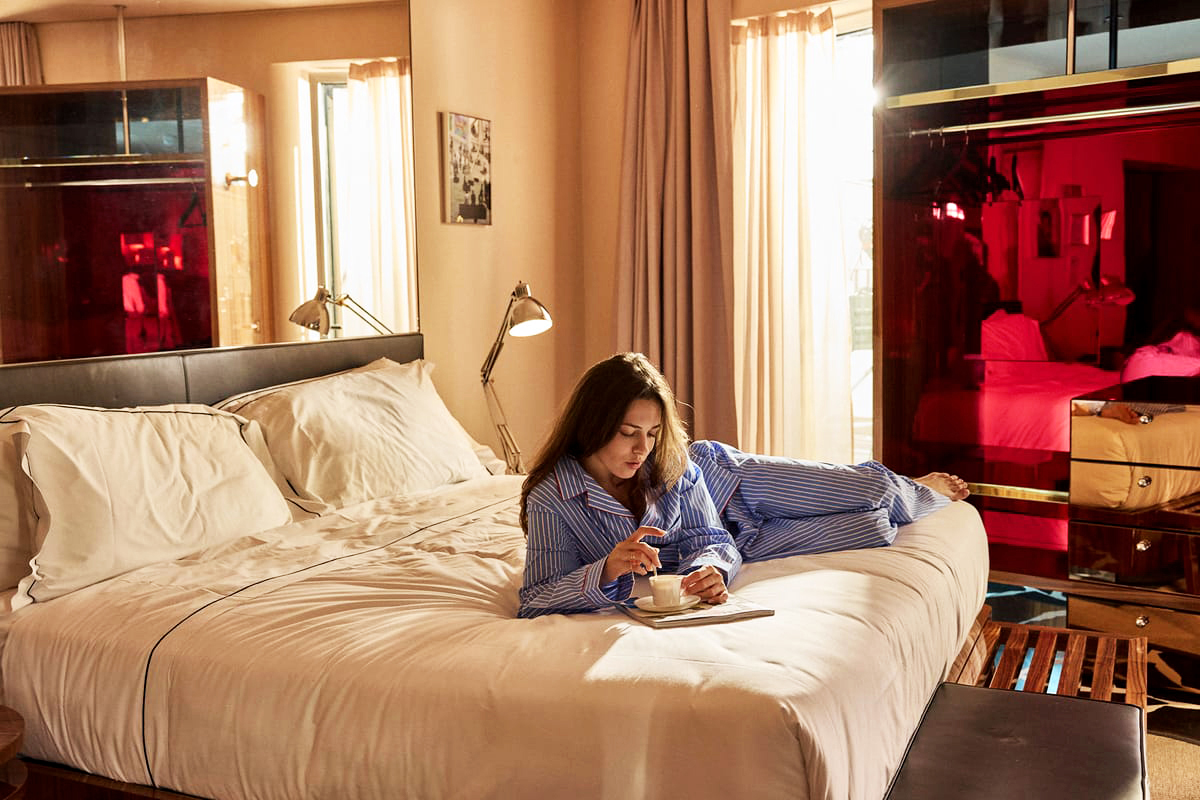
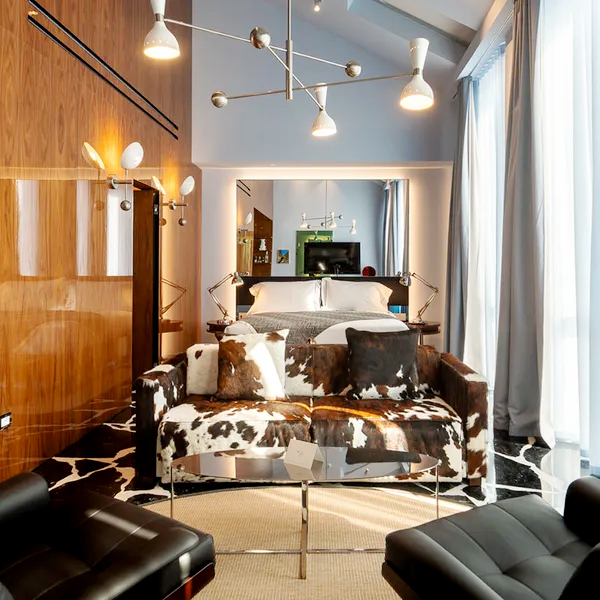
Coming: Six Senses Milan and Rosewood Milan
2026 To 2027 Openings
Six Senses will bring its wellness architecture and depth of programme to a city that has been waiting for exactly this category of property. Rosewood’s forthcoming Milan address is anticipated to set a new benchmark for the ultra-luxury tier. Soho House Milan will arrive for a different but overlapping audience. For the reader planning an autumn 2026 visit, the properties above are the confirmed landscape. For those planning further ahead, the forthcoming openings suggest that Milan’s hotel proposition will look considerably different again by 2027.
What The 2026 Winter Olympics Left Behind
The 2026 Winter Olympics were hosted across Milan and Cortina d’Ampezzo, with the city serving as the primary hub for the games. The competition venues in Cortina operated in the mountain air of the Dolomites. The ceremonies, the culture programming, and the accommodation infrastructure operated in Milan.
What the investment cycle produced, beyond the games themselves, was a reconfigured public realm: new piazzas in Porta Nuova and Isola that have been absorbed into daily life with the completeness of spaces that were always there and simply needed to be built. Permanent public art installations by international and Italian artists now anchor several neighbourhoods. The Porta Nuova skyline acquired two further buildings during the Olympic preparation period.
The hotel investment triggered by the games will continue to reshape the city’s hospitality landscape through 2027. Six Senses, Rosewood, and Soho House are all confirmed. The Carlton Milan opened in November 2025. The accommodation landscape that exists in autumn 2026 is the best that Milan has ever offered, and it will be better still by the time the next design cycle completes.
The Olympic legacy that matters most, however, is the one that does not appear on any official legacy document: a city that was forced to examine itself in front of the world, found it liked what it saw, and decided to keep looking.
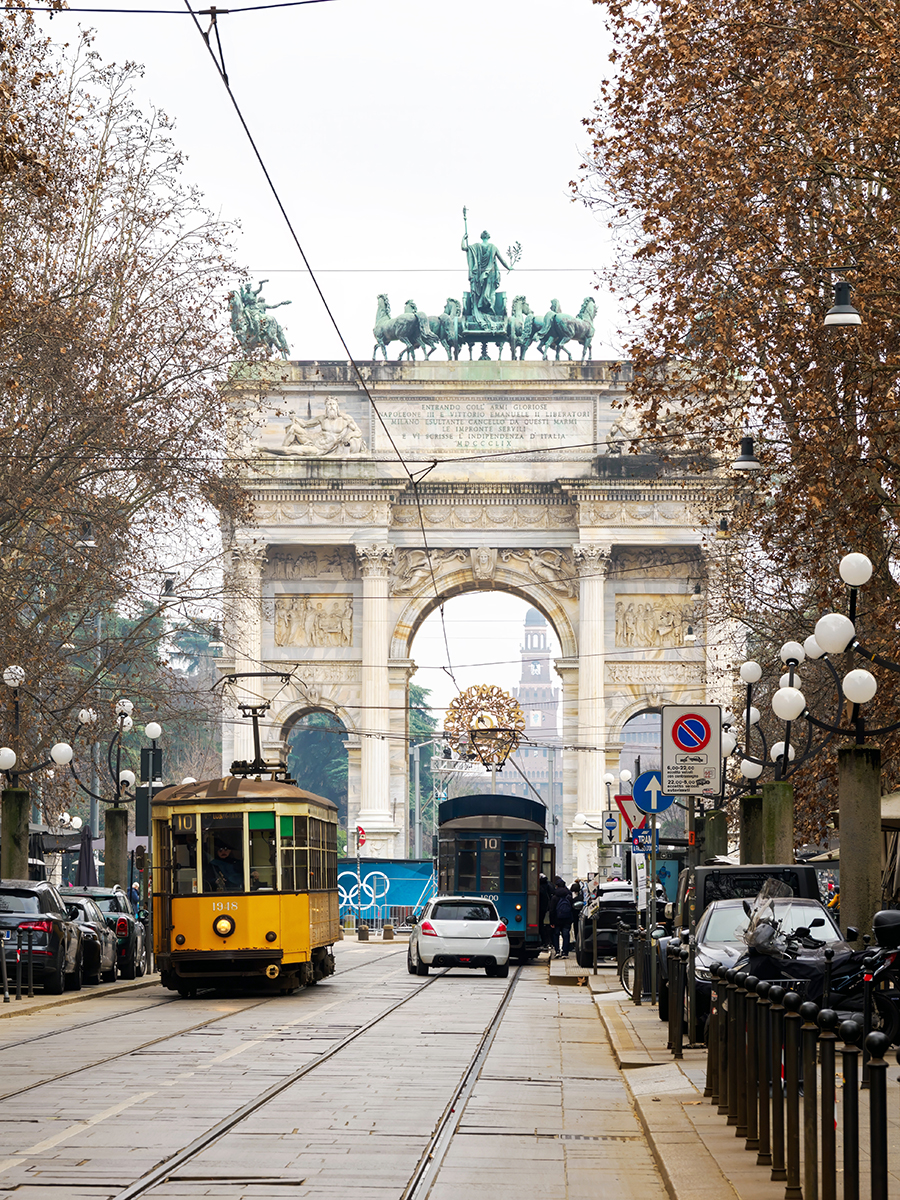
PLAN YOUR VISIT MILAN ESSENTIALS
BEST TIME: September and October offer the ideal conditions: summer crowds have cleared, the fashion weeks have not yet arrived, and the city is at its most relaxed and most itself. Temperatures are mild enough for the neighbourhood walks that Milan rewards.
GETTING THERE: Milan is served by two international airports: Malpensa (MXP), the primary hub for long-haul flights, approximately 50 minutes from the centre by the Malpensa Express train; and Linate (LIN), 20 minutes from the city and used primarily for European routes. Most Asia-Pacific connections route through Malpensa with European hubs.
GETTING AROUND: The Metro is the correct tool for crossing the city. Walking is the correct tool for experiencing it. Taxis are reliable and metered. The city is considerably more walkable than its size suggests, and the most interesting things are frequently found between the stations rather than at them.
THE LAST SUPPER: Book a minimum of three months ahead through the official vivaticket system. Sessions last fifteen minutes. Thirty people per session. There is no queue-management option that produces a better outcome than advance booking.
APERITIVO: Begins at six. The standard in Milan is higher than in any other Italian city, and the best version of it is found in Navigli, Isola, and Brera rather than in the centre. Order what the bar recommends. Stay as long as the evening allows.