

KTC Builds Nationwide Wellness Ecosystem with 5,700 Partners as Health Becomes a Long-Term Investment
As rising medical costs, urban stress, and longer life expectancy force Thai consumers to rethink how they manage their well‑being, health is increasingly viewed not as a reactive expense, but as a long‑term personal investment. This shift is accelerating the growth of Thailand’s health economy and reshaping consumer behavior across generations, prompting Krungthai Card Public Company Limited (KTC) to take a proactive role in building a nationwide wellness ecosystem.
KTC has partnered with more than 5,700 health and wellness providers nationwide to develop a comprehensive Wellness Ecosystem under the concept “KTC Wellness: The Journey to Well‑being.” The initiative connects services across preventive healthcare, fitness, and recovery into an integrated platform designed to support holistic health throughout different life stages. The strategy was officially introduced at KTC FIT Talk 23, a public forum bringing together experts from medicine, fitness, and recovery services to examine how prevention is becoming a more effective and sustainable response to rising healthcare costs.
Prevention costs less than treatment
From a medical perspective, Dr. Piyanart Preeyanont : Interventional Cardiologist, MedPark Hospital, said disease patterns among Thai consumers are changing rapidly, particularly among working‑age adults. “Those aged 20–35 are increasingly exposed to cumulative stress, irregular sleep, and lifestyle behaviors that affect cardiovascular health without obvious warning signs, while chronic non‑communicable diseases such as hypertension, diabetes, and high cholesterol are becoming more prevalent among people aged 35–50. Conditions including cardiac arrhythmia, coronary artery stenosis, and cerebrovascular abnormalities are now being detected in younger patients, often without prior symptoms. Many patients appear healthy yet experience sudden, life‑threatening events. Early risk detection is becoming critical.”
According to Dr. Piyanat, preventive screening may require higher upfront costs, but these are far lower than the long‑term financial and quality‑of‑life impacts associated with emergency treatment following sudden cardiac arrest or stroke. Advances in precision medicine, artificial intelligence, and preventive and predictive healthcare are making early risk assessment more accurate, reinforcing prevention as a sound long‑term investment.

From fitness trend to everyday health routine
On the fitness side, Miss Thunwasaka Nawatthammakun known as “Kroo Kaew,” CEO of Kaew Pilates Studio, said Pilates has evolved beyond a temporary fitness trend. While younger consumers in Gen Y and Gen Z are increasingly drawn to Pilates as part of long‑term body awareness, Gen X continues to rely on it for recovery and physical sustainability.
“Pilates focuses on building core strength and posture, which are essential to efficient movement and injury prevention. Noting that many working professionals experience physical deterioration driven more by behavior than age, particularly those between 25 and 30. As attention shifts from appearance‑driven exercise to functional health, the growing focus on mobility and longevity has positioned Pilates as a regular wellness routine. Partnerships with platforms like KTC help reduce barriers related to cost and access, enabling consumers to begin and maintain healthier routines more consistently.”

Wellness becomes a necessity for urban life
Recovery‑focused wellness services are also undergoing a shift in perception.Miss Noppamon Samart COO of Yunomori Onsen, operator of Yunomori Onsen, said urban consumers no longer see recovery services as an occasional indulgence. Over the past three to five years, city residents facing chronic stress and demanding lifestyles have increasingly integrated recovery into their regular health routines. “Customers no longer ask whether it is worth it. They ask how often they should come to see results. Better understanding of the nervous system, circulation, and hormonal balance has reframed onsen and spa experiences as tools for long‑term health management rather than short‑term relaxation. Smith emphasized that quality rest plays a fundamental role in preventing prolonged stress responses that can lead to physical and mental health issues, helping drive the growth of what is increasingly referred to as the Healing Economy.

Wellness economy emerges as a consumer megatrend
According to Miss Sireerat Corvanich, Head of Credit Card Marketing Division at KTC, internal spending data over the past three to four years clearly reflects this behavioral transformation. “Thai consumers are investing more across multiple health dimensions, including fitness, preventive healthcare, nutrition, and mental well‑being. In 2025, KTC card spending in the medical and beauty category grew by 6%, while fitness spending increased by 20%, highlighting a move away from reactive treatment toward preventive and holistic care.”
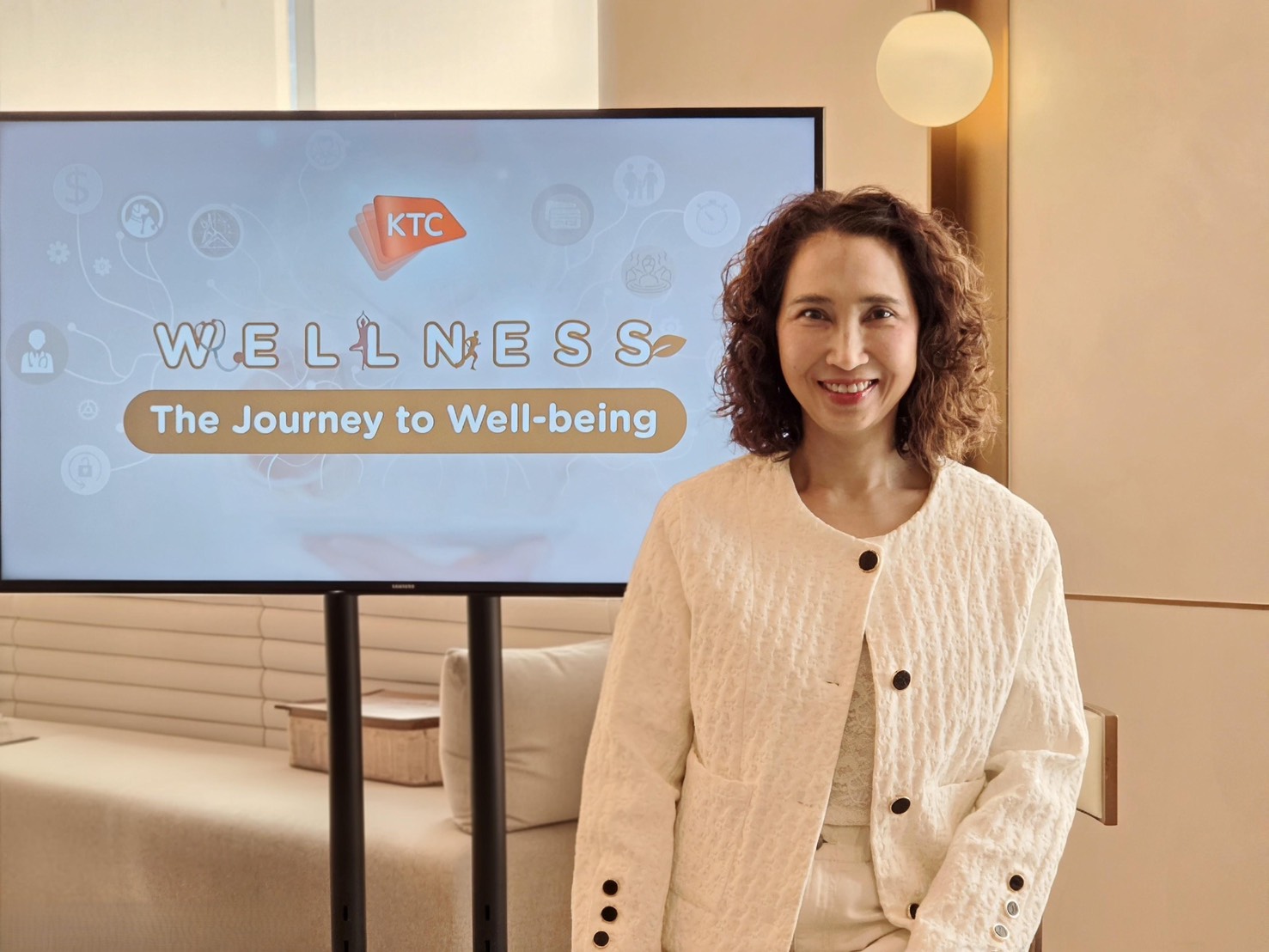
“To support this momentum, KTC continues to expand its Wellness Ecosystem through partnerships with providers such as MedPark, Kaew Pilates, and Yunomori Onsen, alongside its broader nationwide network. KTC has also launched the Health Level Up campaign and a series of wellness initiatives throughout 2026, including Move Step 2026 with Thai Run, onsite yoga and strength‑training sessions, a Silver Run Club for older adults, and future programs such as Burn & Earn under KTC Sports. These initiatives reflect our commitment to making wellness practical and sustainable in everyday life. Our role is not just to facilitate transactions, but to support healthier lifestyles at every stage of life.”