Bigger Budgets, Smarter Trips: South East Asia’s Next Travel Growth Wave
- Travel spend is set to rise across South East Asia, with 59% of travelers from the region planning to invest more per trip, outpacing those planning to take more trips, stay longer, or visit more destinations per trip. Thailand also shows one of the region’s strongest spending signals, with 69% planning to spend more per trip.
- Younger travelers are driving regional momentum, with Thailand-based Gen Z travelers standing out for spending intent as 73% plan to spend more per trip.
- Even with bigger budgets, value for money and food experiences still drive destination choice in South East Asia. Thailand-based travelers, however, stand out for their stronger focus on wellness and rest, with 35% seeking opportunities to unwind and 72% citing the need for time away as a top reason to plan a trip.
- Bangkok, Phuket, and Pattaya rank among South East Asia’s top 10 destinations of interest, highlighting Thailand’s appeal within the region, while Thailand-based travelers show an appetite for variety and making more of each journey.
- Social media remains the stronger source of travel inspiration, while AI is emerging as a planning companion for accommodation and itinerary decisions.
Travel across South East Asia is expected to continue to rise, with 96% of travelers from the region planning to take a trip within the region in the next 12 months. According to Hilton’s South East Asia Pulse Check, the next phase of growth will be driven not just by greater travel frequency, but by travelers’ willingness to spend more on trips that feel worth their time and budget.
Nearly six in 10 travelers from the region (59%) plan to increase their spending on South East Asia trips, making it the strongest growth signal in the survey. By comparison, 50% plan to visit more destinations per trip, 43% expect to take more trips, and 41% anticipate longer stays. Taken together, these findings suggest that the next wave of travel growth will be driven not just by more frequent travel but also a desire to make each journey more meaningful.
Growth signals are driven by different motivations across the region, with Thailand standing out for higher spending intent (69%). This higher-spend outlook is paired with a desire for variety, as 57% of Thailand-based travelers plan to visit more destinations per trip, while 46% expect to travel more frequently and 40% intend to take longer trips. Meanwhile, across the region, Vietnam leads on plans to travel more frequently (55%) and visit more destinations per trip (60%), while Indonesia (68%) also shows one of the strongest spending signals.
“What stands out is not only that travelers across South East Asia want to keep traveling, but that they are intentional about the experiences and memories each trip creates. They are looking for value and experiences that feel worth their time, whether that’s quality time with loved ones, a well-earned escape, or the confidence to explore somewhere new. For Hilton, that is where our diverse award-winning portfolio of brands is especially relevant: giving travelers more ways to shape a trip around what matters most to them and help turn every trip into a journey worth taking,” said Alexandra Murray, area vice president and head of South East Asia, Hilton.
Younger Travelers Are Reshaping Travel in South East Asia, Prioritizing More Frequent and Experience Led Journeys
Across South East Asia, younger travelers – Gen Z and Millennials – are poised to drive travel growth in distinct ways. 54% of Gen Z travelers plan to travel more frequently, visit more destinations per trip (58%), and take longer trips (47%), while 63% of Millennials intend to increase their travel spending per trip. On the other hand, older travelers plan to maintain their travels, with Gen X and Baby Boomers indicating that they plan to maintain their travel frequency (59% and 66%), trip length (60% each) and number of destinations visited per trip (50% and 62%).
In Thailand, Gen Z travelers also show the strongest appetite for travel, with 73% intending to spend more per trip, 65% planning to visit more destinations per trip, 57% expecting to travel more frequently, and 44% planning to take longer trips.
Value Drives Destination Choice, Even as Travelers Plan to Spend More
Even as travel budgets rise, travelers from South East Asia remain discerning about where they spend. Value for money (51%) is the top consideration when choosing a destination in the region, followed closely by food and culinary experiences (47%), showing that travelers seek memorable local experiences without compromising on value.
While Thailand-based travelers also prioritize value for money (47%) and food and culinary experiences (44%), their preferences also reflect a focus on personal wellbeing. About a third (35%) seek wellness and relaxation when they travel, aligning with 72% who cite needing time away as one of their top reasons for planning a trip – the highest proportion in the region.
Travelers from South East Asia Seek New Discoveries Without Losing Familiarity
Travelers from South East Asia are also balancing a desire for discovery with the pull of familiar favorites, seeking out new destinations while continuing to return to places they know and love. More than half (54%) typically visit multiple cities or areas within a country on a single trip, reflecting a strong appetite to experience more destinations in one journey. They are also not leaving familiar favorites behind. Nearly half (46%) prefer a mix of revisiting destinations while exploring somewhere new, compared to 43% who plan to focus primarily on new destinations and just 11% who intend to revisit mainly familiar places.
In Thailand, more than half (57%) enjoy visiting multiple cities or areas within a country on a single trip, reflecting a desire to experience greater variety and make more of each journey. This appetite for variety also shapes destination choice, with more than half (55%) planning to balance exploring new destinations with returning to familiar favorites, while 34% plan to mostly go somewhere new.
The balance for discovery and familiarity is also reflected in the destinations travelers are choosing. Bangkok (41%), Singapore (38%), and Bali (34%) are the top three destinations that travelers from South East Asia want to visit over the next 12 months, underscoring the enduring appeal of the region’s iconic destinations that continue to offer fresh experiences. Beyond the region’s gateway cities, destinations such as Pattaya, Phu Quoc, and Penang also rank among South East Asia’s top 10 destinations of interest, pointing to traveler appetite for leisure hotspots beyond the most familiar urban centers.
Social Media Remains a Key Source of Travel Inspiration, While AI Grows as a Planning Companion
Digital tools are now shaping every stage of the travel journey, from inspiration to itinerary building. Social media remains the stronger source of inspiration, with travelers from the region saying it influences where they travel (78% vs. 63% for AI) and the experiences and activities they choose during a trip (72% vs. 63%). At the same time, AI is emerging as a meaningful planning companion, coming closest to social media when choosing accommodation (67% for social media vs. 61% for AI). This shift points to a more digitally assisted travel journey, where travelers are not only discovering destinations online, but increasingly looking for tools that help them translate inspiration into the right stay. Reflecting this evolution, Hilton recently introduced the Hilton AI Planner, a generative AI-powered digital concierge on Hilton.com that helps travelers explore Hilton’s global portfolio, compare properties and amenities, and receive curated recommendations through a conversational interface.
YouTube (75%) and TikTok (71%) are the region’s leading travel inspiration platforms, with TikTok dominating among Gen Z (84%). This suggests that even as travelers embrace AI to research and plan their trips, they continue to rely on visually rich content from creators, communities, and fellow travelers to inspire where they go and what they do.
Experience-Led Hotel Stays are Emerging as a Stronger Travel Driver
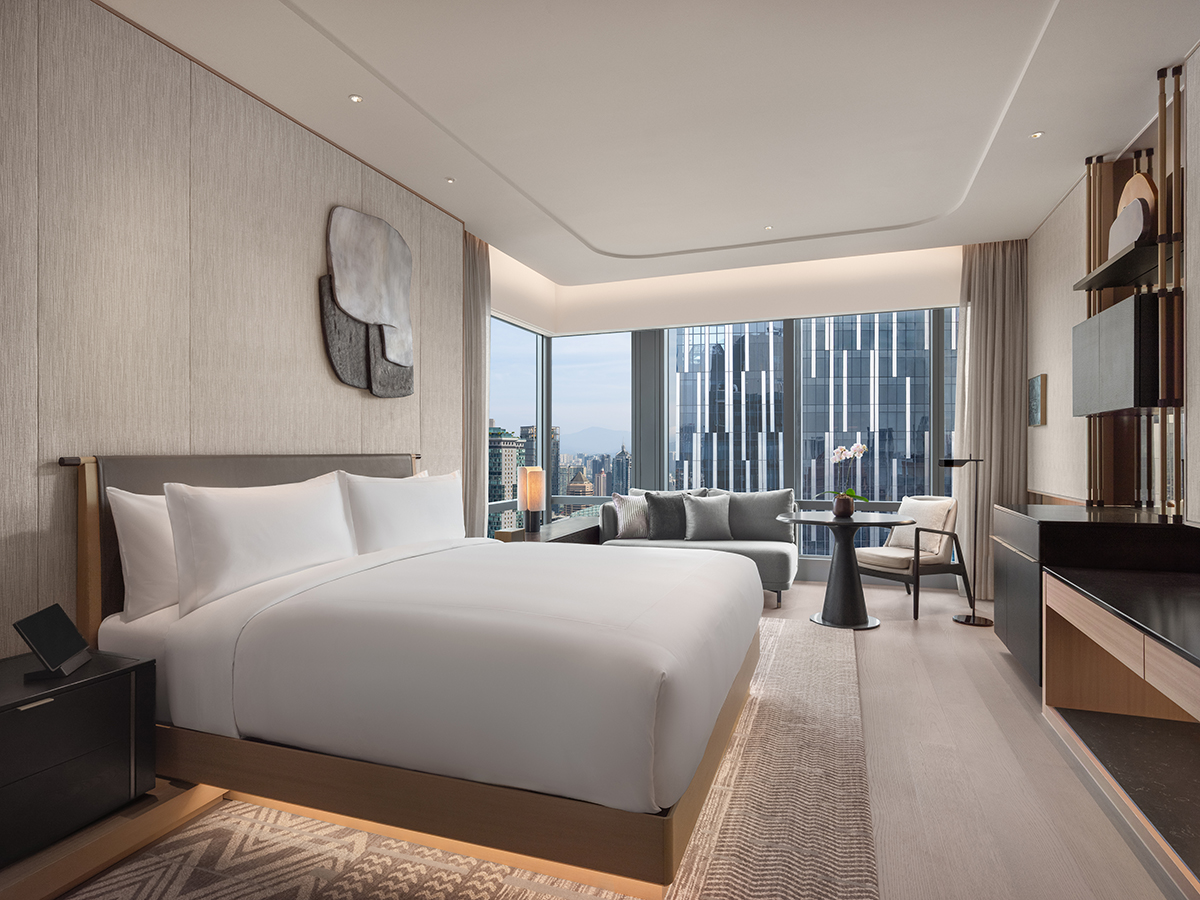
The findings also point to a more expansive role for hotels in the travel experience. While value for money (67%) and location (59%) remain the top booking considerations, travelers from the region are also placing emphasis on quality dining (47%) and family-friendly amenities (45%). This suggests that accommodation is increasingly expected to contribute to the trip itself – through food, ease, comfort, and experience, rather than simply providing a place to sleep. For families and groups, this includes practical innovations such as confirmed connecting rooms by Hilton, which allows guests to book and instantly confirm connecting or adjoining rooms, giving them added peace of mind that their party can stay close together.
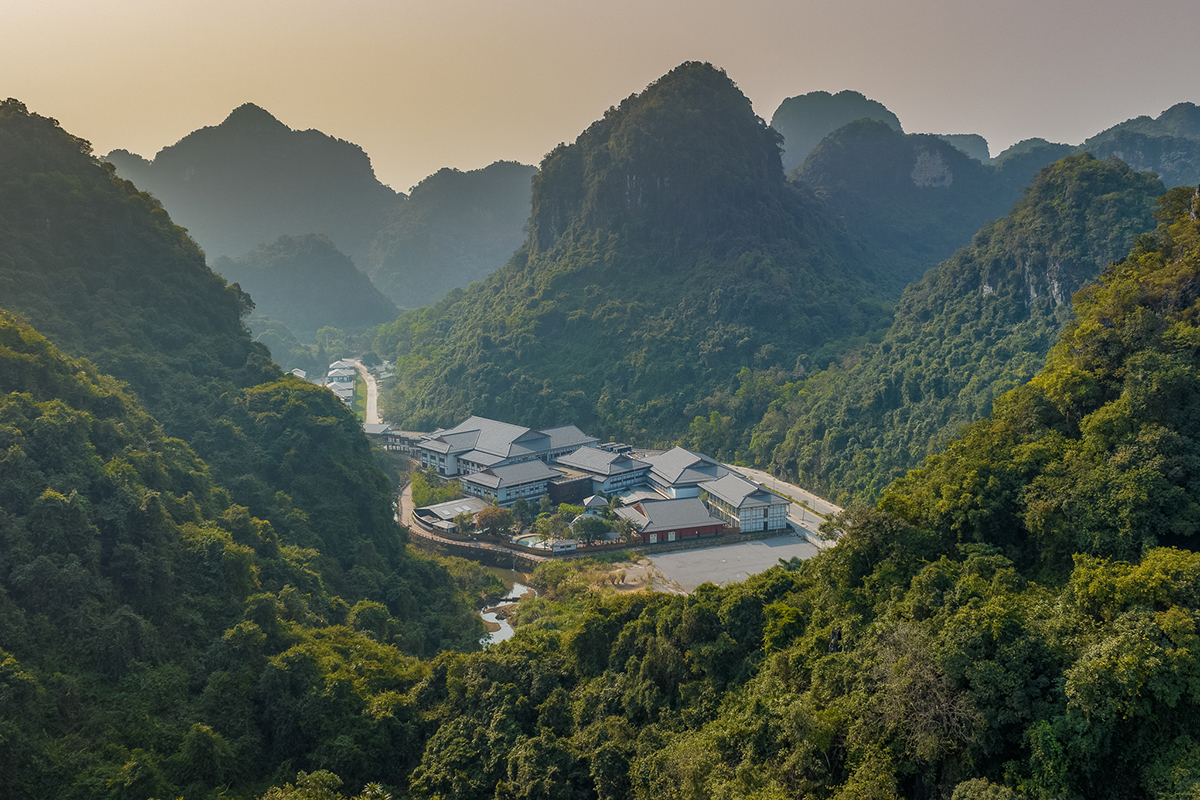
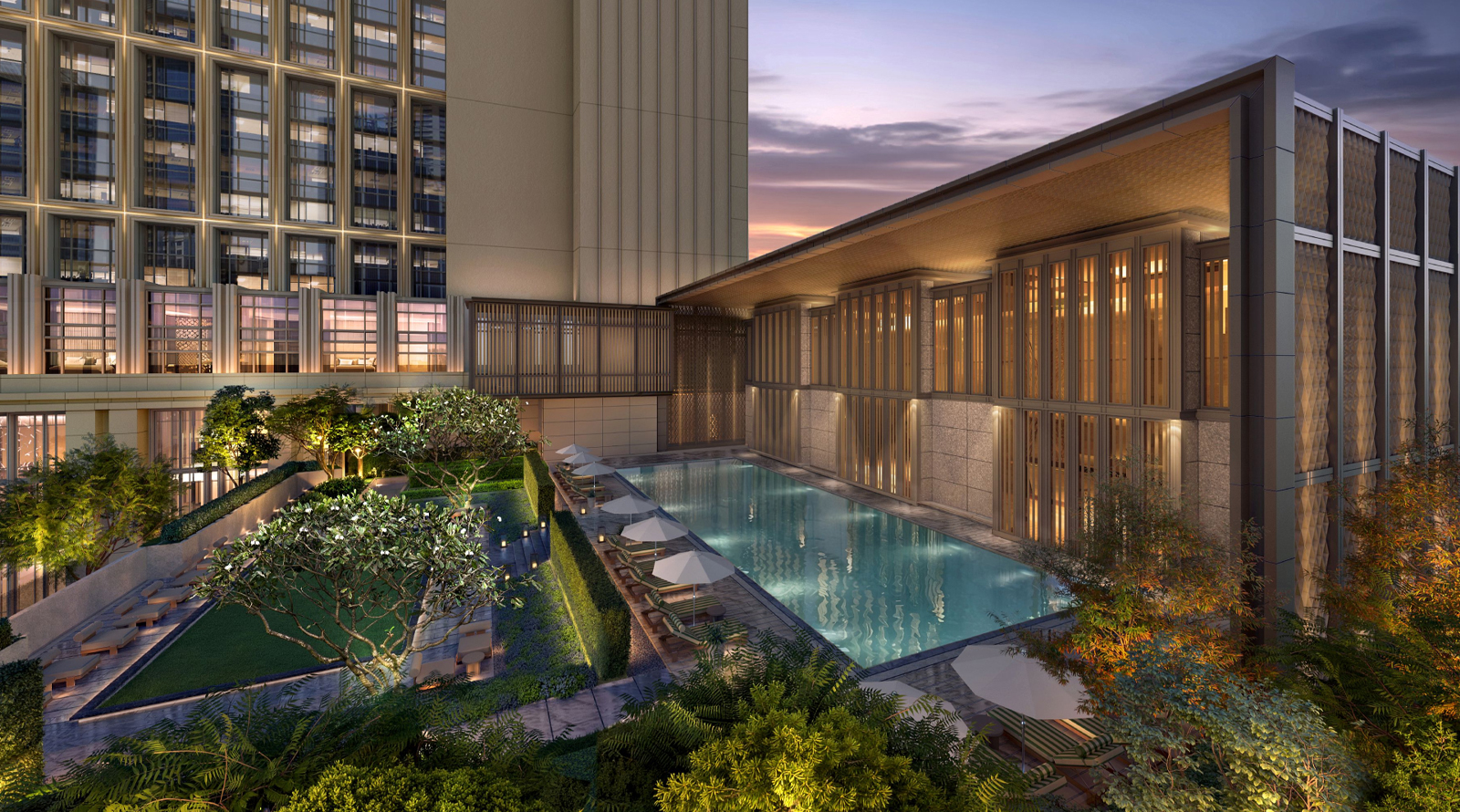
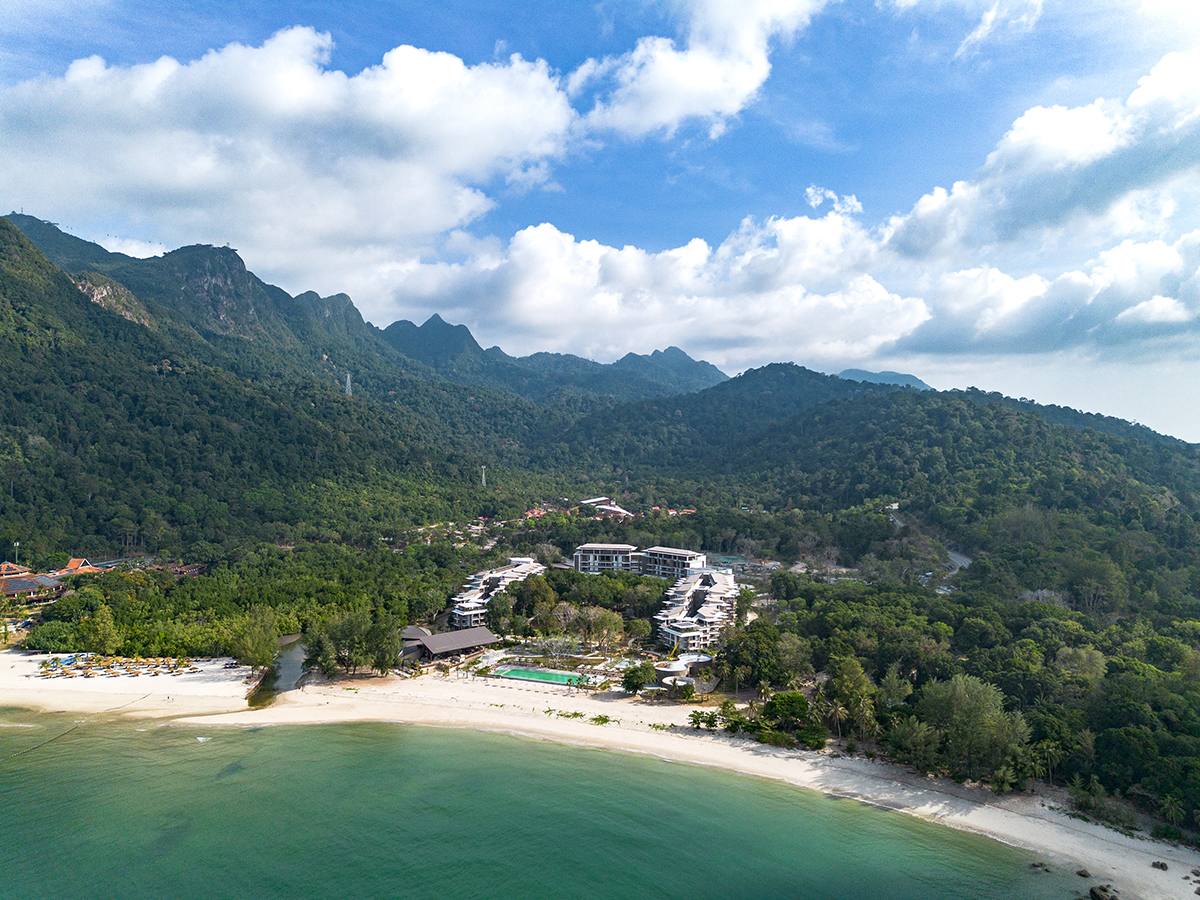
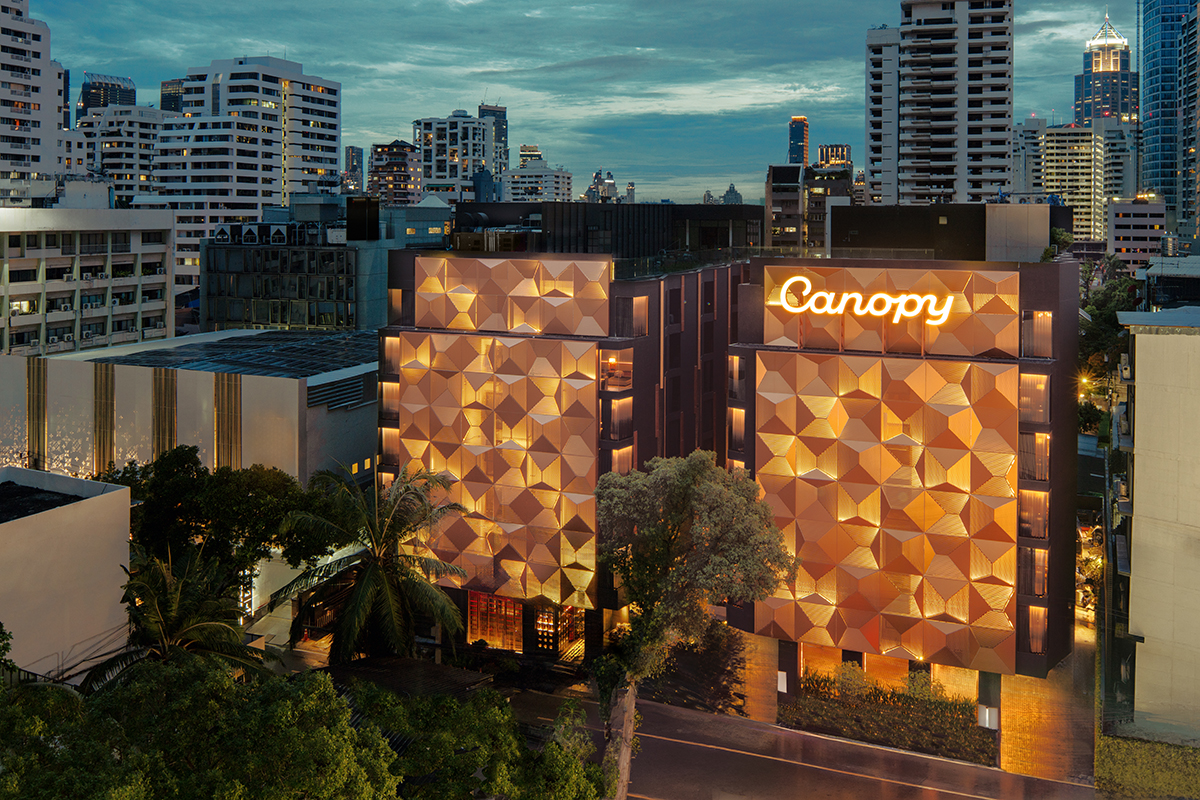
With 124 properties across South East Asia, Hilton continues to expand its footprint in the region to meet growing demand for value-driven, meaningful travel experiences. Recent openings such as Hilton Bangkok Suvarnabhumi Golf Resort & Spa, Hilton Quang Hanh Onsen Resort, and Hilton Burau Bay Langkawi Resort reflect growing demand for short breaks, resort escapes, and wellness-led stays. Lifestyle additions including Canopy Bangkok Sukhumvit, Kahavadi Chiang Rai, Curio Collection by Hilton and NHAAN Resort & Spa Hoi’An, Tapestry Collection by Hilton respond to travelers’ appetites for distinctive, locally connected experiences, while upcoming openings including Conrad Phu Quoc, Hilton Phu Quoc, and DoubleTree by Hilton Phu Quoc will further strengthen Hilton’s presence in one of the region’s emerging leisure and meetings destinations. As Hilton plans to more than double its luxury and lifestyle portfolio in the region, the company is well positioned to respond to the needs of South East Asia’s next wave of travelers.
From the growing appetite for meaningful experiences and discovery to the changing role of technology in travel planning, these findings point to several shifts that will continue to shape the region’s travel landscape. These insights will help inform Hilton’s 2027 Trends Report, which will explore the trends and behaviors set to define travel in South East Asia in the year ahead.