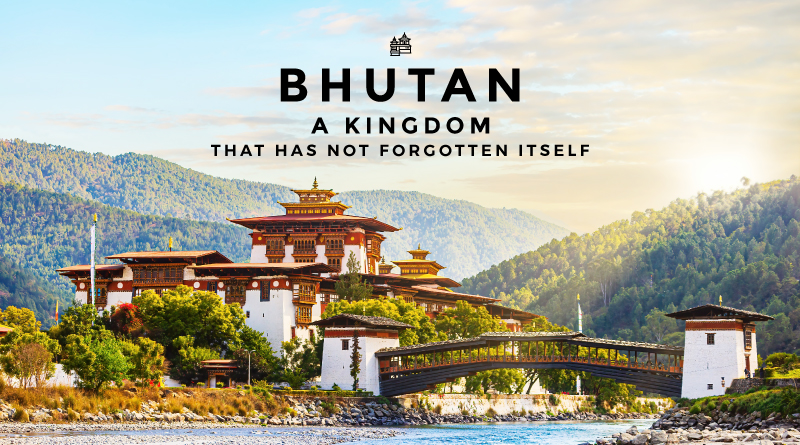
Bhutan – A Kingdom That Has Not Forgotten Itself
The morning light in the Paro Valley arrives bronze and nearly horizontal, catching the prayer flags first, then the whitewashed faces of the farmhouses below, then the river itself, which runs the colour of hammered pewter until the sun climbs fully above the eastern ridge. It is the kind of light that makes other light seem approximate. I stood at the window of my Amankora suite at six in the morning, watching all of this happen in unhurried sequence, and felt the particular stillness that descends on a person when they are somewhere that has actively decided not to become like everywhere else.
Bhutan begins before you land. The Druk Air approach into Paro International Airport threads through peaks that press against the fuselage on both sides, and the pilots, certified specifically for this route and no other, must navigate the final valley visually on an angle that generates applause from first-time visitors with the reliability of a reflex. It is the most beautiful arrival sequence in commercial aviation, and it is also the most deliberate. Bhutan controls the number of aircraft permitted to land with the same considered precision it applies to everything else. The country is not interested in volume. It is interested in something considerably more difficult to legislate: the quality of what remains when enough of the right things are kept out.
Every guest arrives having paid, or having had their operator pay on their behalf, a Sustainable Development Fee of USD 100 per person per night. The language of fee suggests bureaucracy. The reality is philosophy rendered as a line item on an invoice. Its effect is visible from the first morning: in the uncluttered trails, in the dzong courtyards where monks attend to their rituals for reasons entirely uncoupled from the tourist calendar, in the particular texture of silence that Bhutan protects with the same constitutional rigour it applies to its forest coverage. Sixty percent of the country is legally required to remain forested. The silence is informal, but it too holds.
Tip
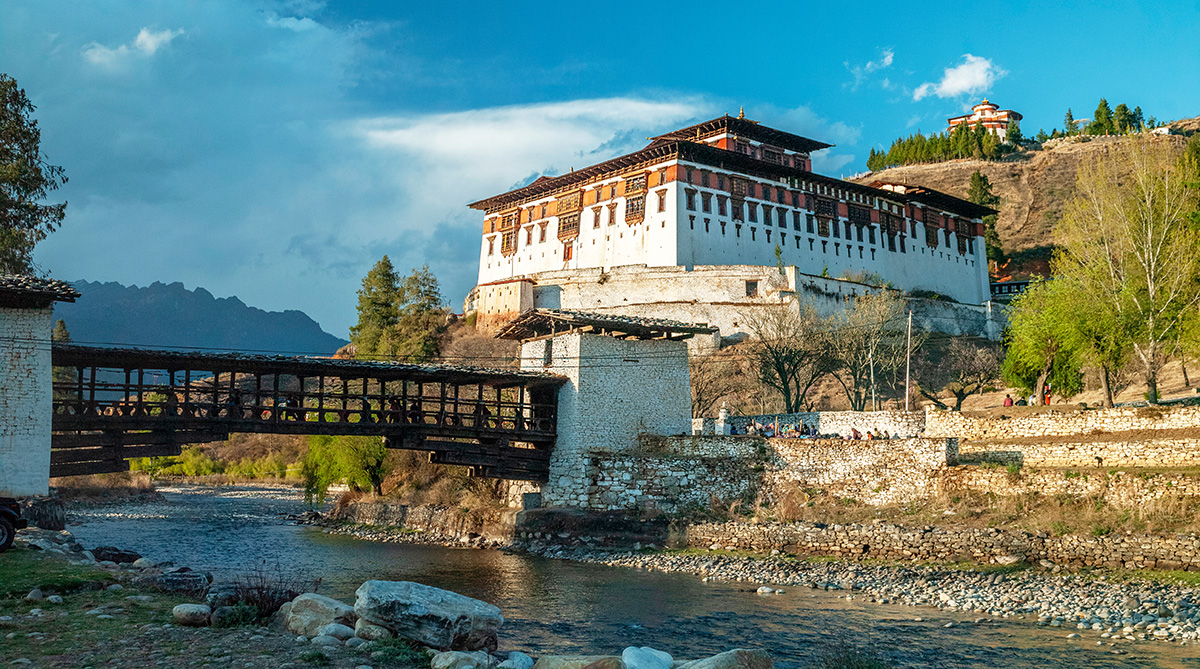
Visit Rinpung Dzong in the early morning or late afternoon when the changing light beautifully illuminates its whitewashed walls and intricate timber details. The quieter atmosphere during these hours also offers a deeper appreciation of Bhutan’s spiritual heritage and timeless architecture.
The most coveted thing in travel turns out to be somewhere that still smells like itself, sounds like itself, moves at its own pace and feels no obligation to apologise for any of it.
PARO
THE VALLEY OF ARRIVALS
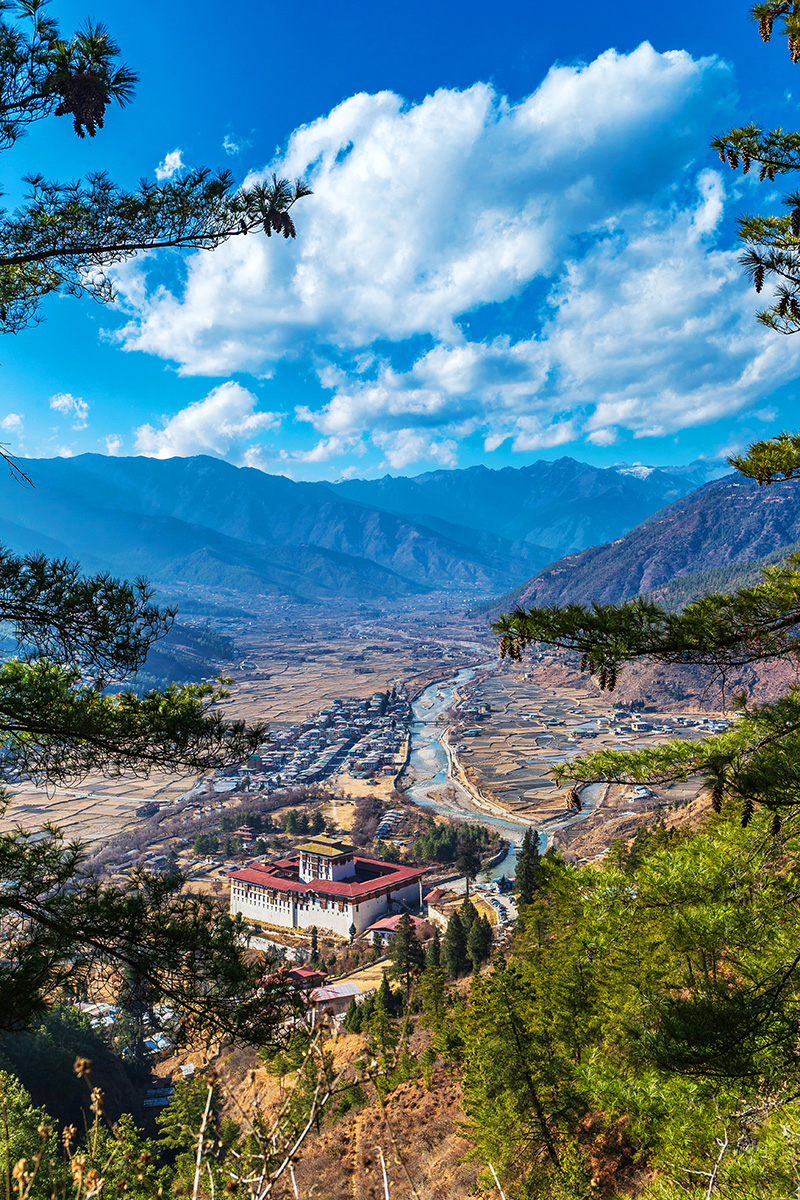
The drive from the airport into Paro town follows the Paro Chhu river along a road that narrows without apology past willows that trail in the current and terraced fields divided by stone walls built in an era before anyone thought to date construction. The smell through the open window is of pine resin, cold river water, and the particular mineral cleanness of high-altitude air that has not passed through a city. None of this is curated for the visitor. All of this is simply how the valley is. This distinction matters, and you feel it immediately.
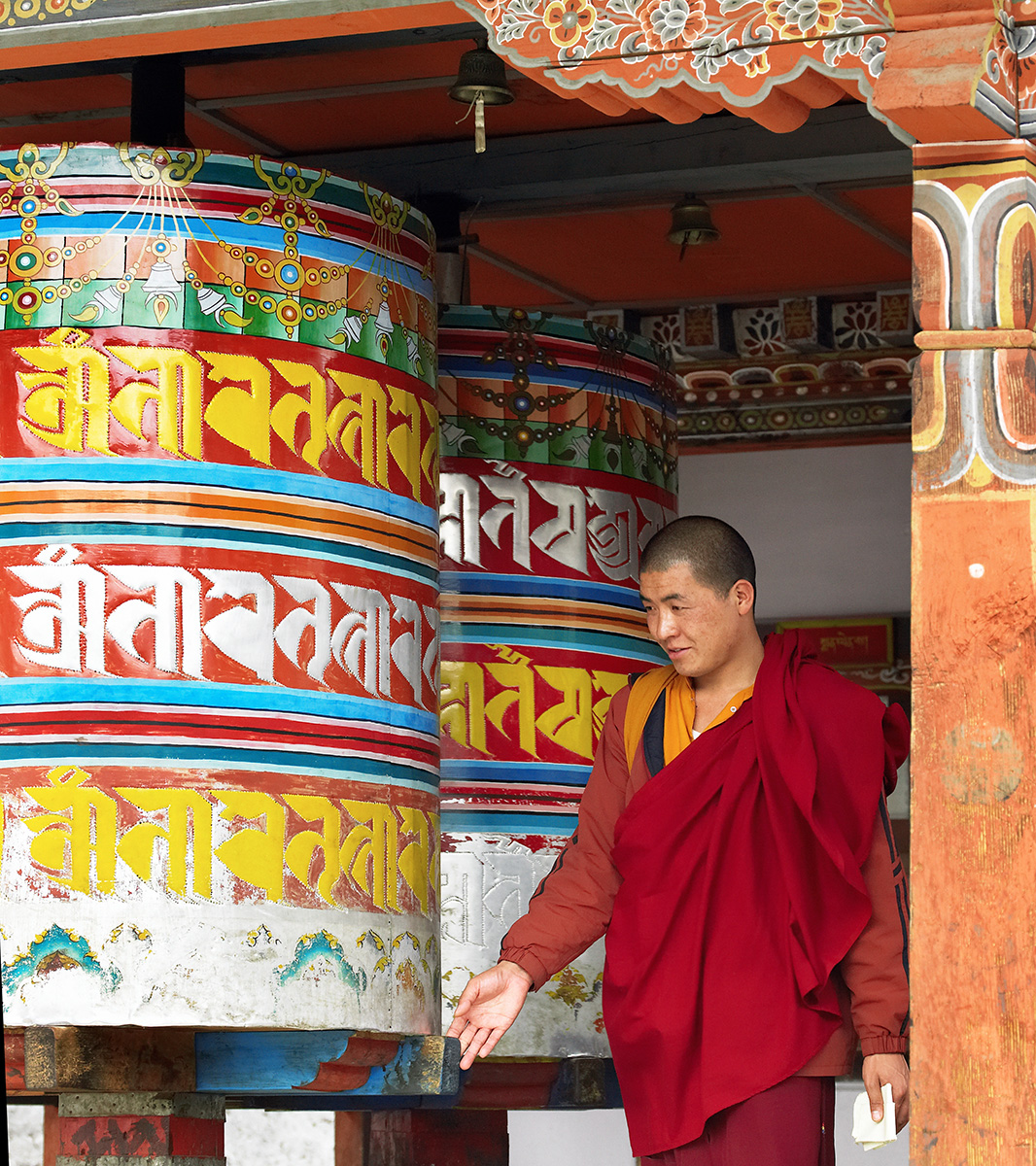
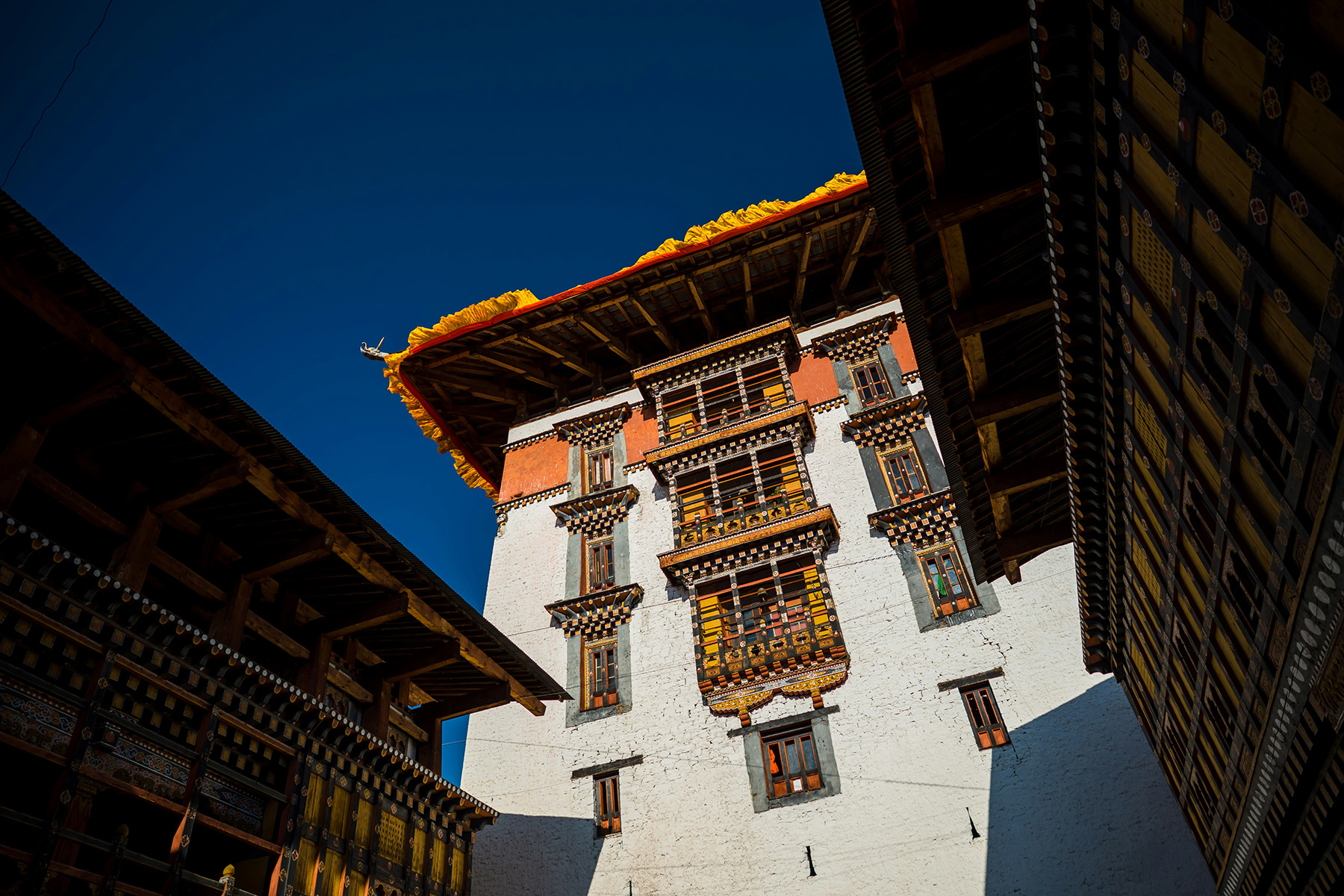
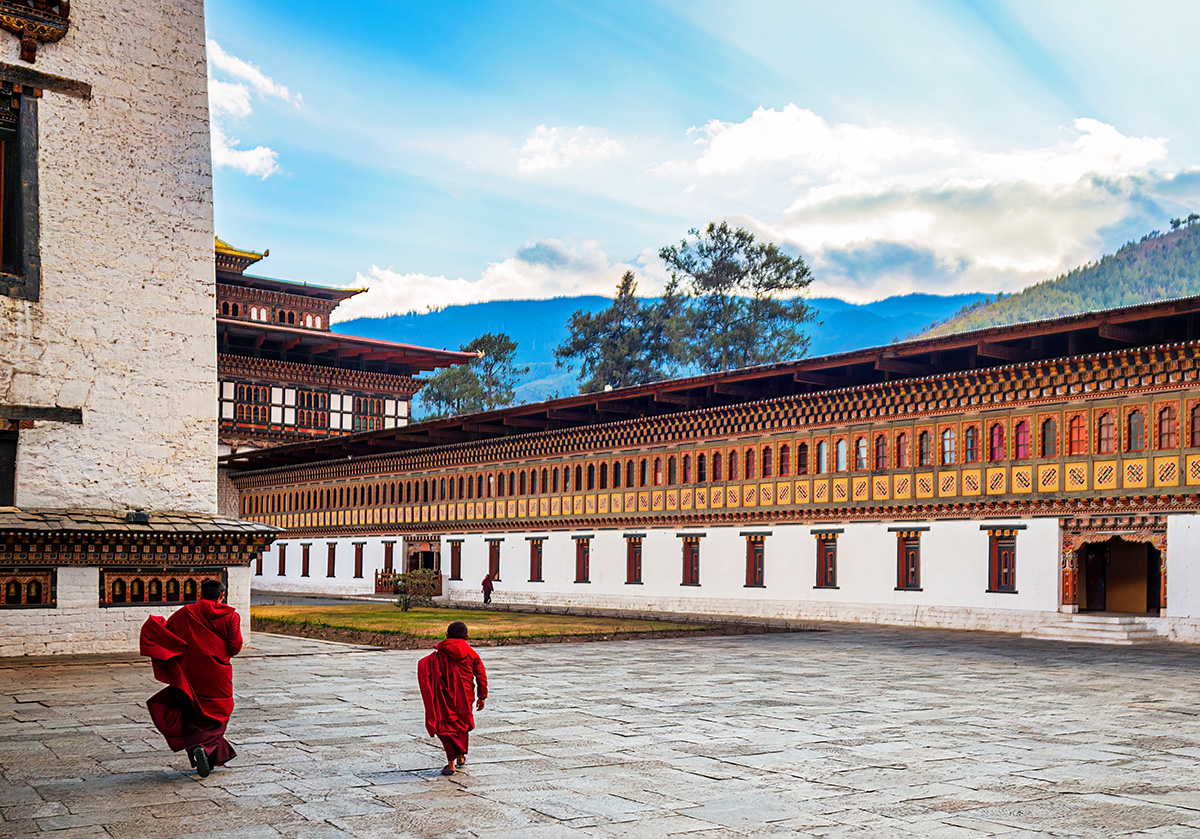
Rinpung Dzong stands at the valley’s long curve, its whitewashed towers and crimson-banded walls reflected in the Paro Chhu on still mornings with an almost perfect fidelity. The dzong functions simultaneously as monastery and district administrative headquarters, a pairing that speaks plainly to how Bhutan has always organised its priorities. Monks and civil servants share the inner corridors. The ceremonial bells, struck at intervals that follow a liturgical logic rather than a clock, carry across the valley on the cold morning air. Guests staying at Amankora Paro can arrange access before official visiting hours, when the flagstone courtyards hold only novice monks at their sweeping and the accumulated scent of butter lamps and pine incense that has worked itself into the stone over four centuries.
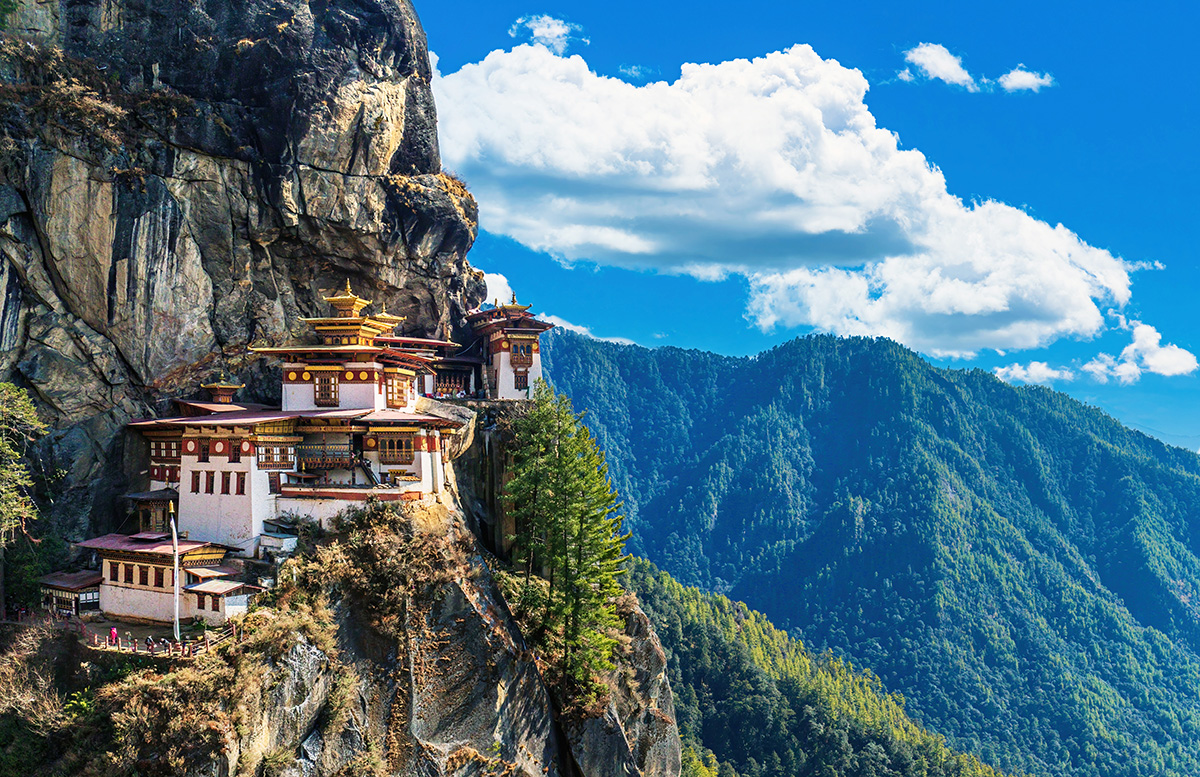
The monastery of Taktsang, which the world knows as Tiger’s Nest, clings to a cliff face 900 metres above the Paro Valley with an architectural conviction that grows more improbable the longer you look at it. The approach through blue pine forest takes between two and four hours at altitude, and the air on the upper trail, cold and carrying the resinous smell of conifers in thin atmosphere, does something restorative to the lungs that no spa programme has yet managed to replicate in a controlled environment. Amankora and Six Senses both arrange private dawn ascents for their guests, departing the trailhead before the first light catches the cliff face. At the viewpoint, with the valley floor far below and the monastery receiving the first bronze light on its painted walls, a champagne breakfast can be arranged on blankets at the edge of the world. There is no equivalent experience in the Himalayan region. Possibly in any region.
THIMPHU
THE CAPITAL OF CONSIDERED LIVING
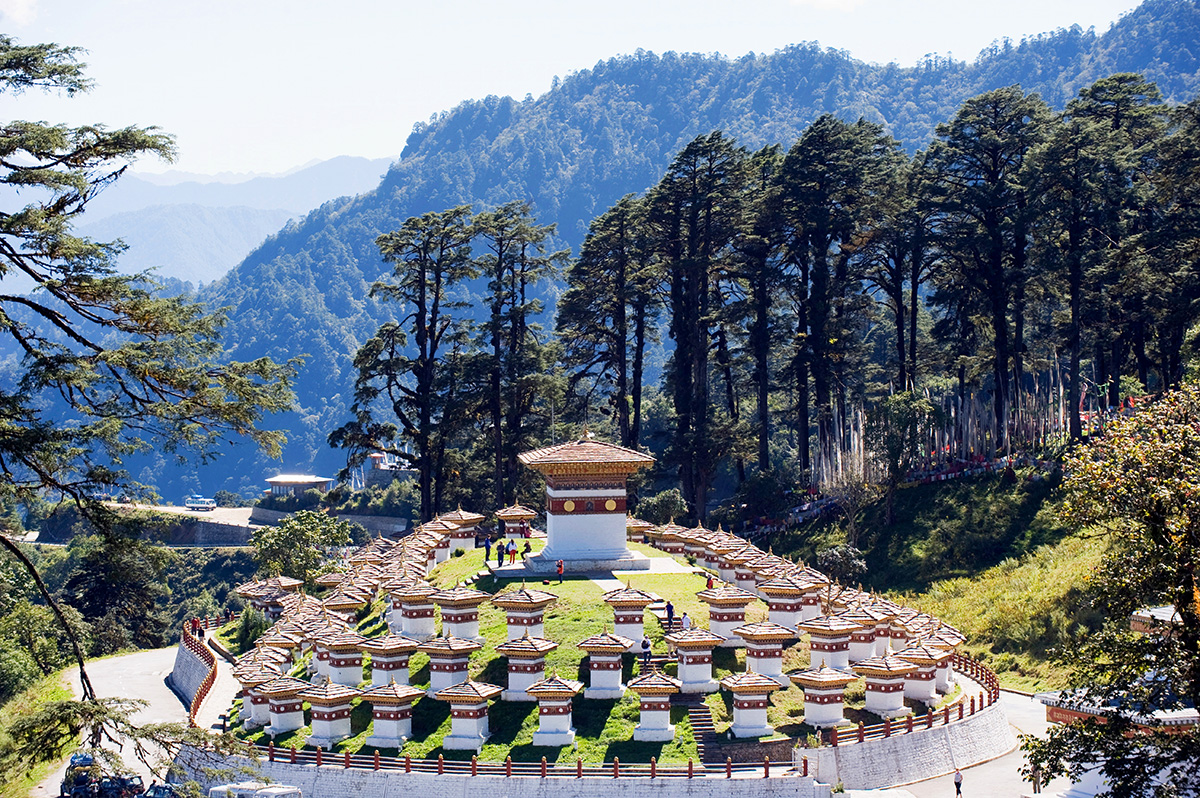
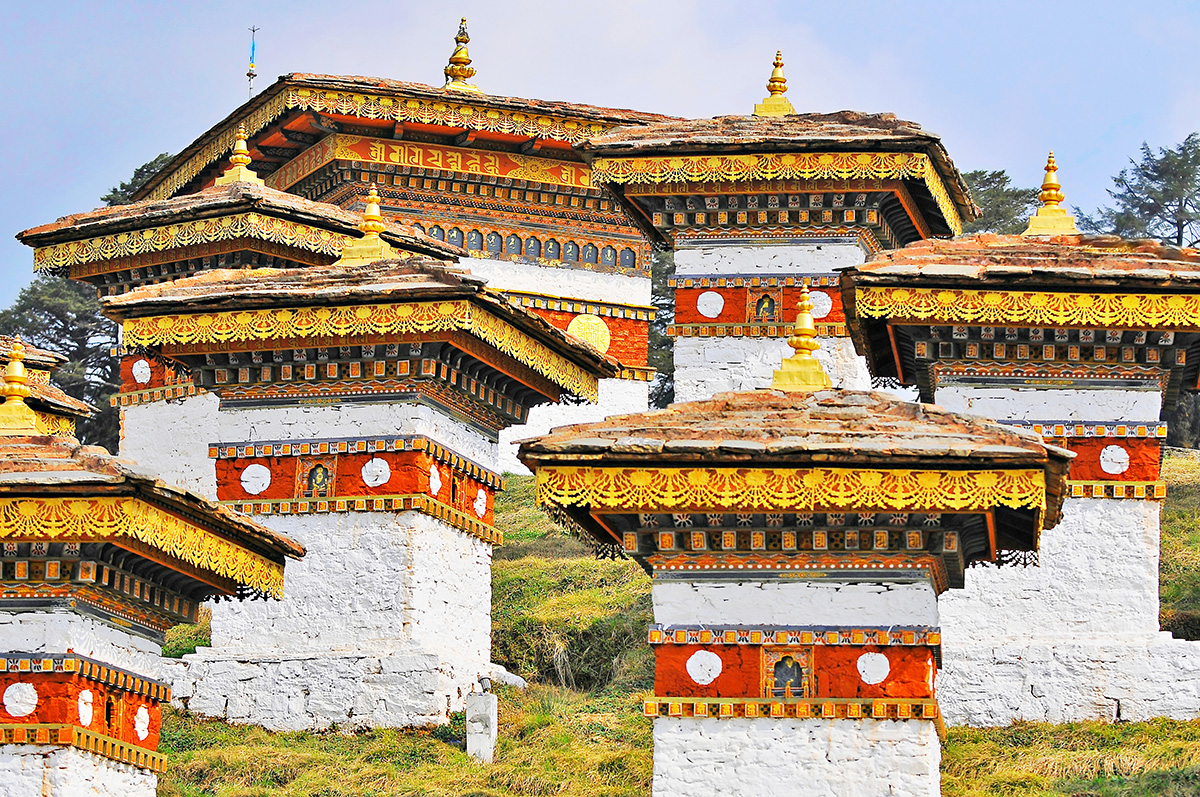
The road to Thimphu from Paro climbs over the Dochu La pass at 3,116 metres, where 108 memorial chortens stand in the mist with the absorbed quality of a congregation at prayer. On clear days, the eastern Himalayan range reveals itself behind them in ranks of peaks beyond reasonable counting. On days when cloud covers everything, the chortens appear from the white as you approach and dissolve again as you pass, and this is, if anything, the more affecting version.
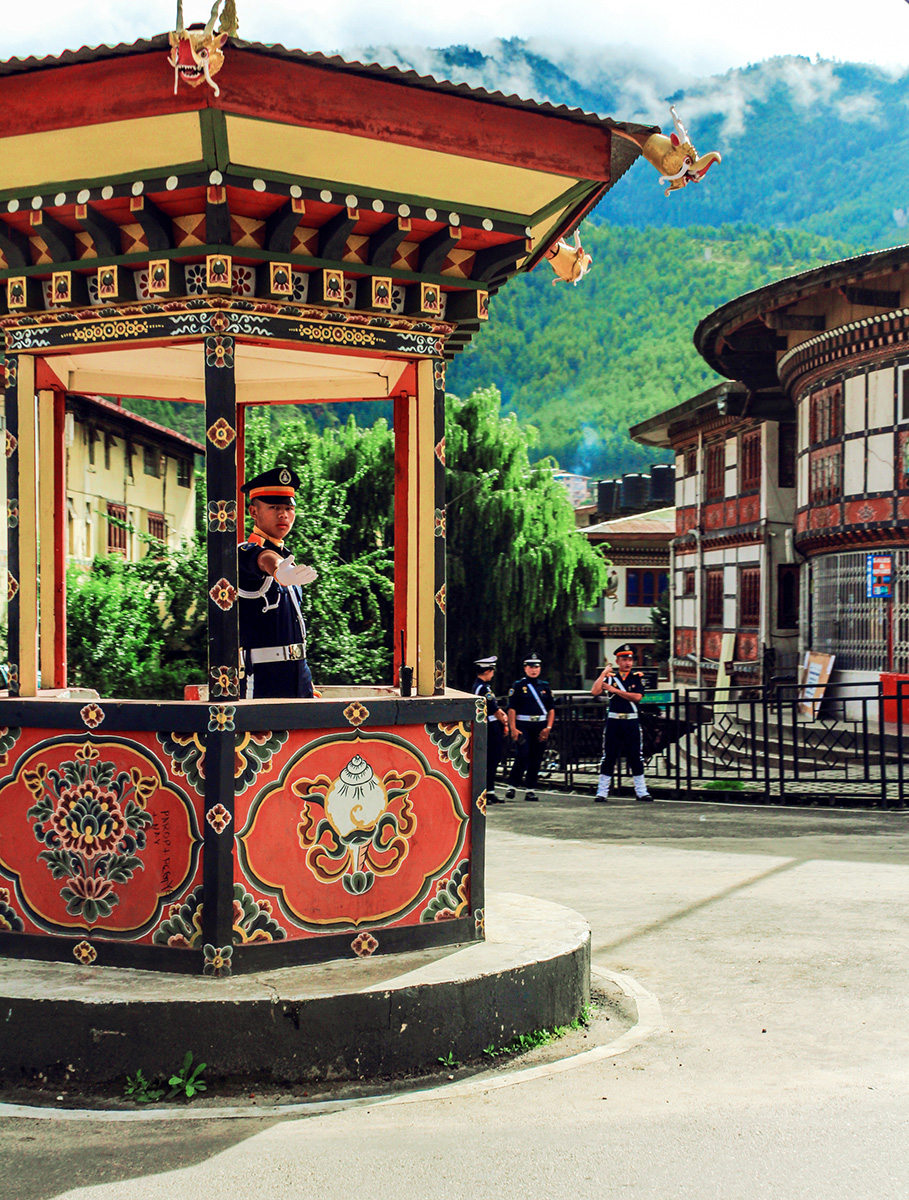
Thimphu is a capital that carries itself with the ease of a market town. There are no traffic lights in the entire city. At peak hour, a white-gloved officer at the central roundabout conducts the traffic with a choreographic seriousness that has made him, over the years, something of a landmark in his own right. The streets in the early morning smell of incense from the open shop fronts and fresh bread from the bakeries that begin their work at six. The pace of everything is what an earlier vocabulary would have described as correct, meaning that it is the pace of people who have not been persuaded that speed and productivity are synonyms.
The private astrologer consultations available through Six Senses Thimphu occupy a specific and irreplaceable position in the taxonomy of cultural access experiences. The Bhutanese calendar is astrological, and birth charts govern decisions as consequential as marriage dates, construction starts, and the timing of significant journeys. A court-trained astrologer works from your birth data with concentrated precision, surrounded by charts and Sanskrit texts, in a room where decades of incense have turned the walls the colour of aged silk. What emerges is not a reading in the carnival sense but a conversation about the architecture of time and the structure of a life. It stays with you the way the most affecting travel experiences always do: not as memory but as a new lens through which familiar things look slightly different.
The craft brewery circuit in Thimphu is a more recent cultural layer, and one that repays an evening of serious attention. Small-batch producers working with local barley, buckwheat, and Himalayan botanicals have developed ales that carry the mineral character of their altitude in every glass. Moving between two or three producers in an evening, in the company of a guide who knows the brewers personally, is a reminder that Bhutan’s modernity is always filtered through its own particular sensibility. None of these bottles are designed for export. That is precisely the intelligence behind them.
Tip
Thimphu is one of the world’s few capitals without traffic lights. Instead, traffic is guided by uniformed officers using precise hand signals a charming reminder of Bhutan’s unhurried pace of life.
Bhutan controls the number of aircraft permitted to land with the same considered precision it applies to everything else. The country is not interested in volume.
WHERE TO STAY
Amankora
The Five-Valley Circuit | Paro, Punakha, Gangtey, Bumthang, Thimphu
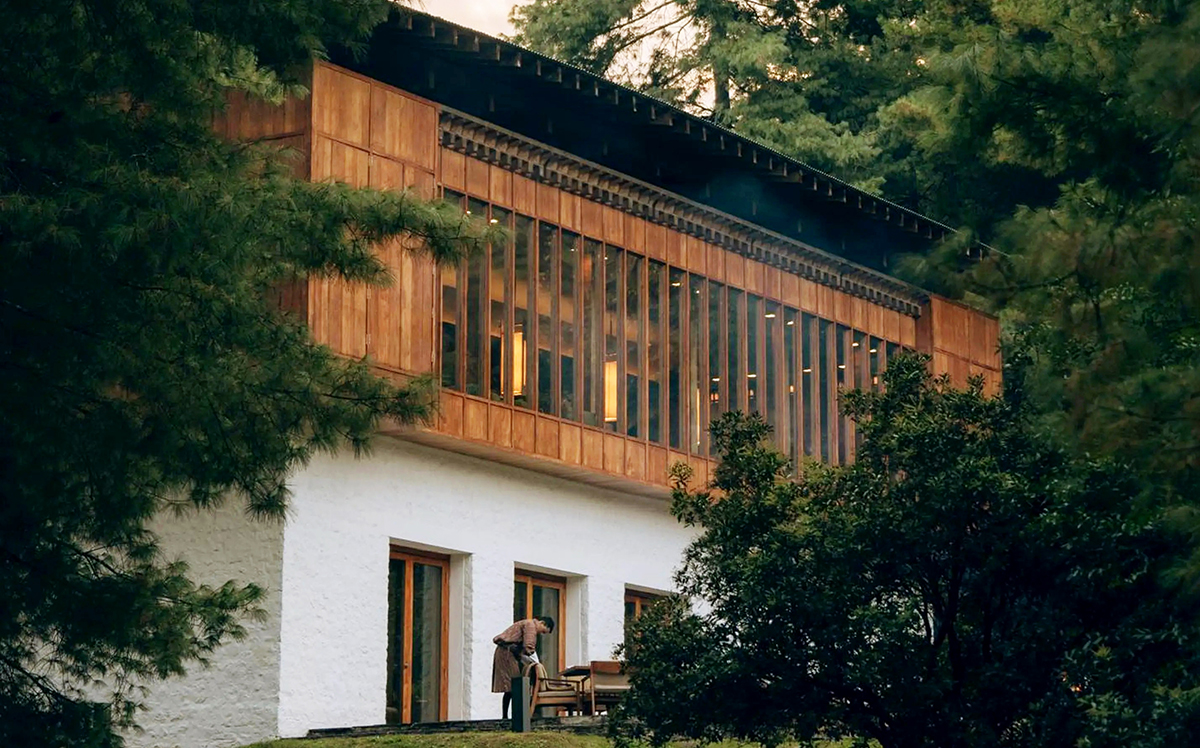
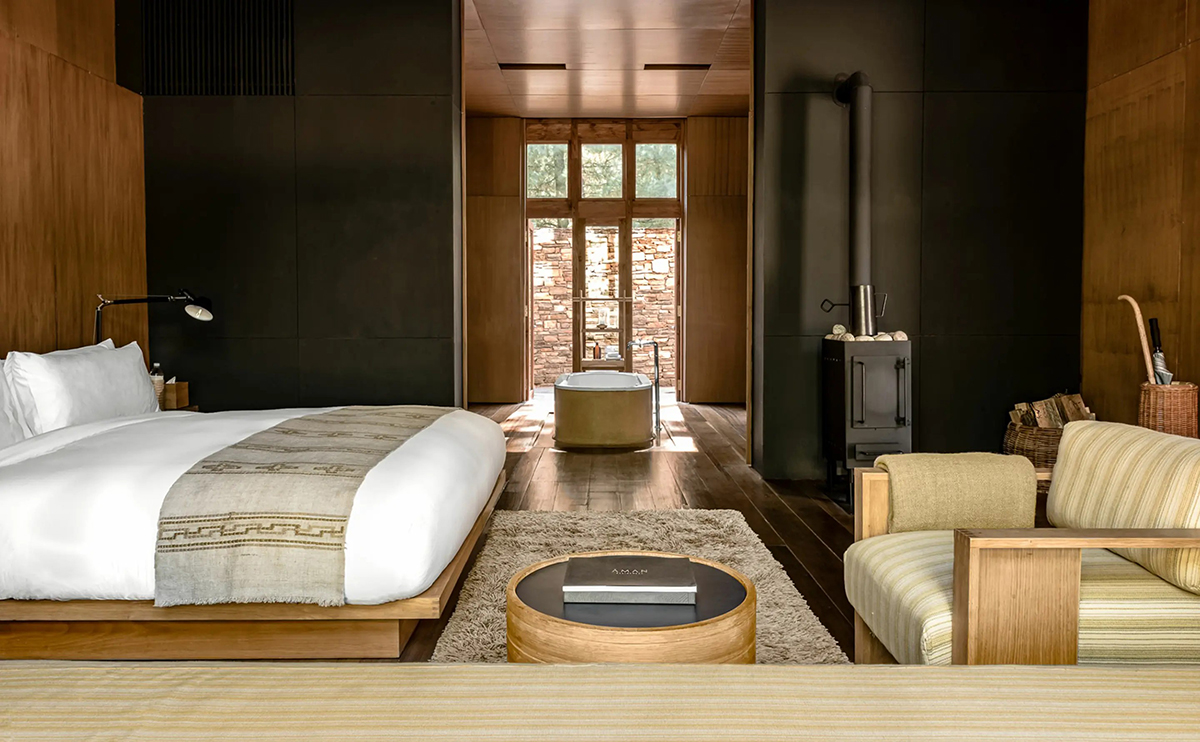
The definitive circuit for guests who wish to experience Bhutan in full geographic and cultural range. Five lodges positioned across five distinct valleys, each one conceived from local stone and dark-stained timber in a restraint that is architectural without calling attention to itself. The Paro lodge sits within a blue pine forest that breathes and settles at night with an intimacy that makes the surrounding silence feel inhabited rather than empty. Staff anticipate rather than respond; the ratio makes this possible. The corridor at midnight holds only the sound of the forest outside. Book the full five-lodge sequence if ten to twelve days permits. If they do not, Paro and Punakha together form a complete and satisfying introduction to what the circuit is capable of.
Six Senses Bhutan
Five Lodges | Thimphu, Paro, Punakha, Gangtey, Bumthang
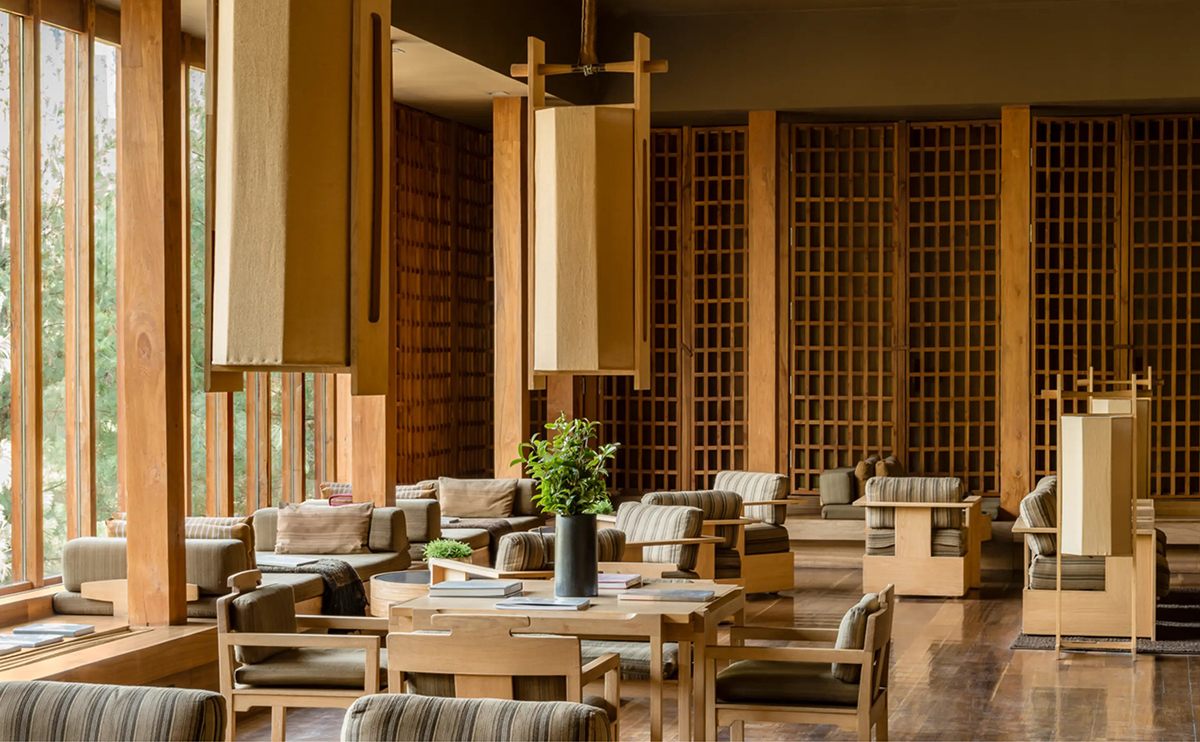
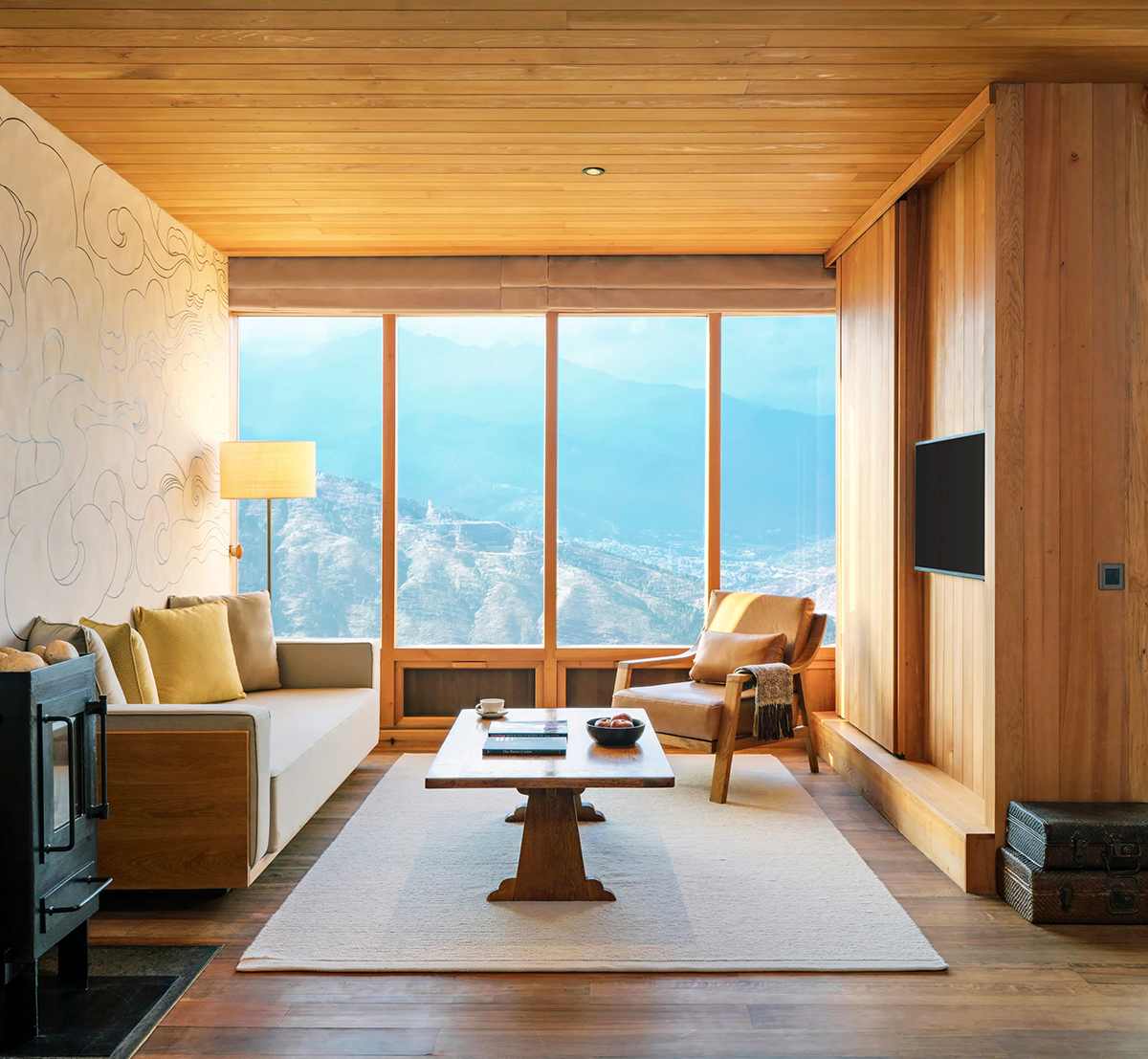
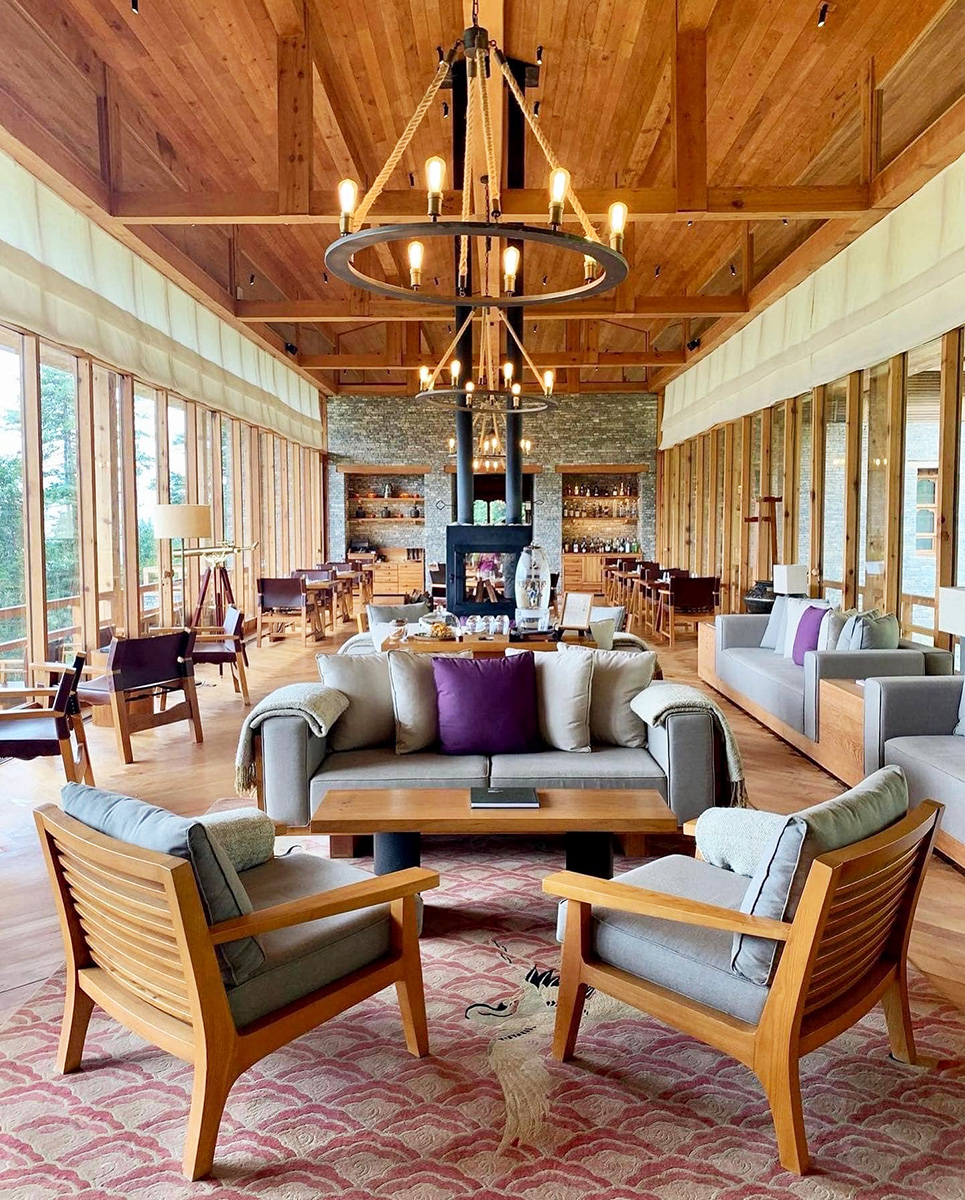
Six Senses brings its signature wellness architecture to the same five valleys with a rigour that goes considerably deeper than the spa menu suggests. A resident Bhutanese healer works on property at the Thimphu lodge, which is designed around the concept of a private village and functions particularly well for guests who plan to pursue serious cultural access in the capital. The Bumthang lodge, positioned in the spiritual heartland of the eastern kingdom, is where guests who arrived for the scenery and stayed for the understanding tend to extend their itineraries by several days without requiring much persuasion. The programme is the most intellectually ambitious of any property currently operating in the kingdom.
Taj Paro Resort and Spa
Opened December 2025 | Paro Valley
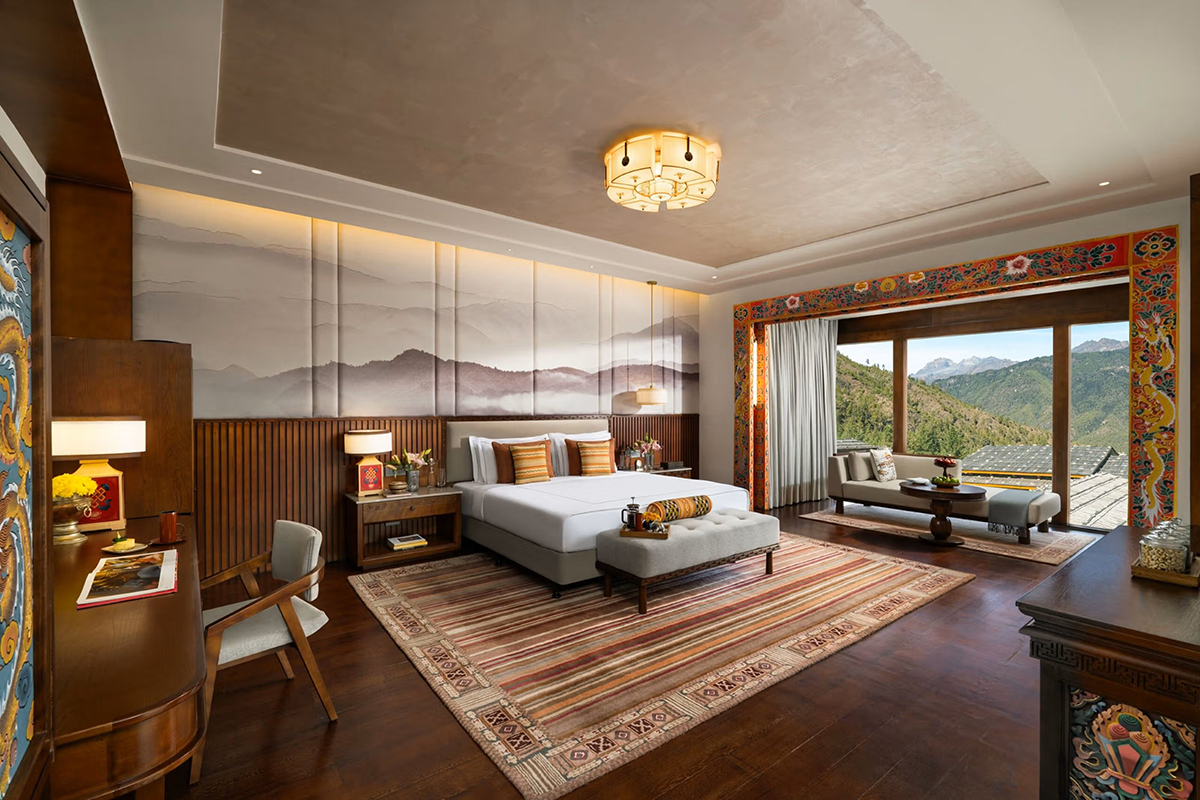
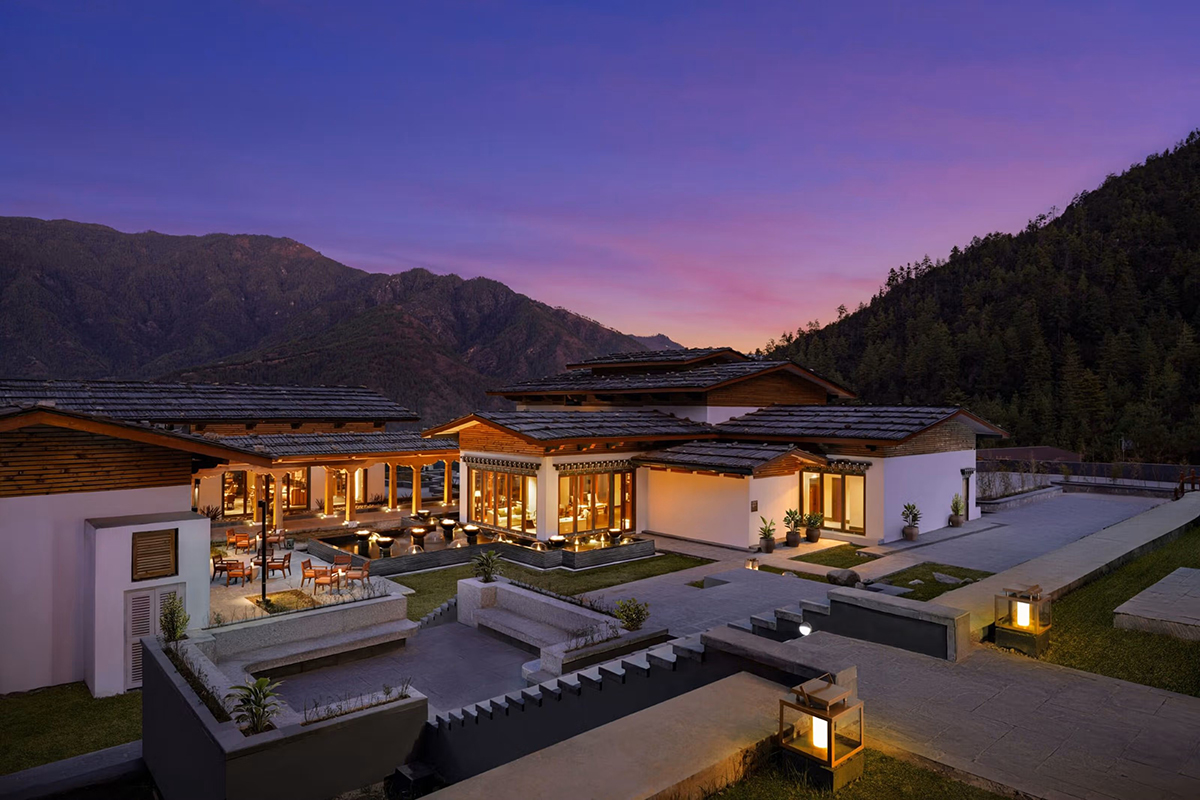
The most significant new opening in the Himalayan region in 2025, and the property that has most surprised those who expected IHCL’s scale to sit awkwardly against Bhutan’s deliberateness. The architecture achieves what so many new-build luxury hotels in culturally complex landscapes fail to manage: it reads as Bhutanese rather than Bhutanese-adjacent, with forms and materials that draw on the vernacular without resorting to reproduction. The upper rooms face a valley view of uninterrupted length. The spa programme applies Ayurvedic protocols adapted specifically for altitude physiology rather than simply transplanting a lowland treatment menu. The dining room justifies a standalone evening even for guests staying elsewhere.
THE TABLE
Bhutanese cuisine rewards patience and the willingness to abandon expectations formed at lower altitudes. Ema datshi, the national dish, is a stew of dried chillies simmered with local cheese until the heat has permeated the oil and the cheese has dissolved into the sauce in a way that is simultaneously simple and structurally complex. The chilli heat in Bhutan is not decoration. It builds in the mouth over the course of a meal, and it stays. The farmhouse version, cooked alongside a local family through your lodge concierge with at least a day’s notice, is considerably more nuanced than the restaurant version, and the restaurant version is already excellent.

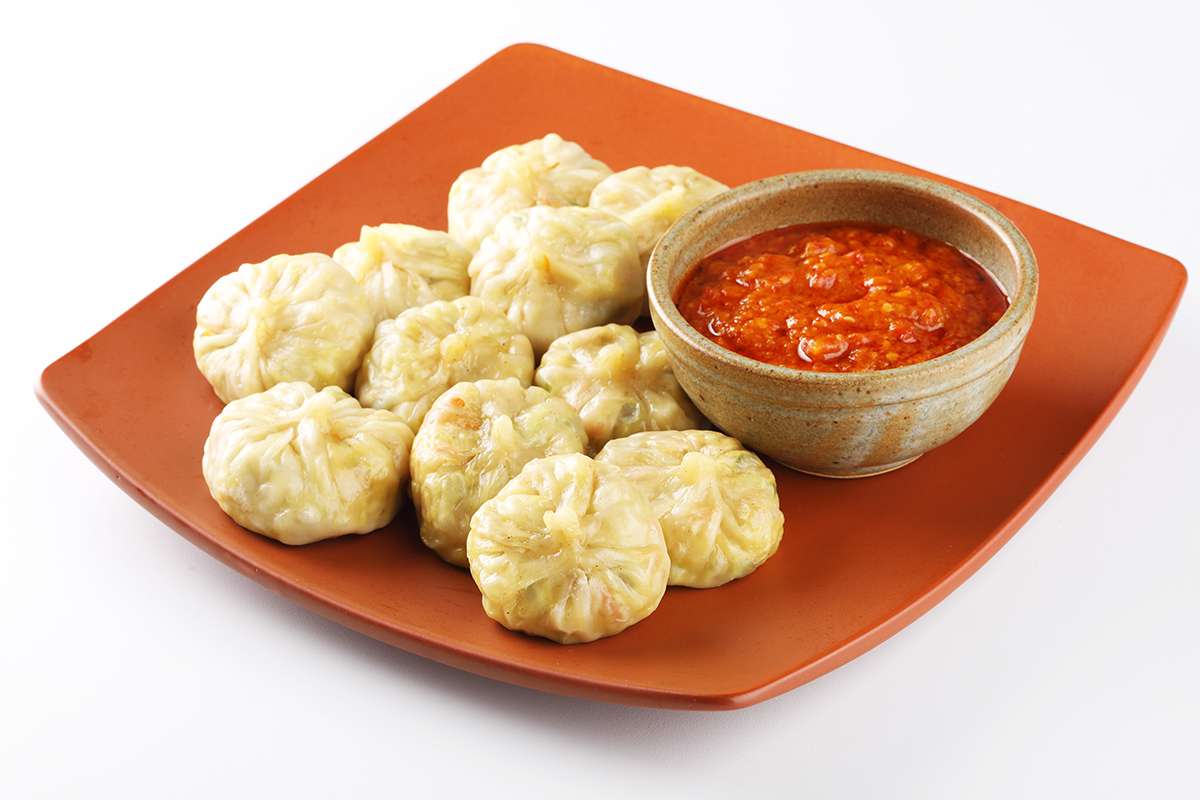
Red rice, grown at altitude in the Paro and Bumthang valleys, carries a nutty depth and a particular chewiness that distinguishes it immediately from anything produced in lower terrain. It has received insufficient attention from food writers, possibly because it accompanies other dishes quietly and without campaigning for notice. The momos sold from the covered market stalls in Thimphu at midday, assembled to order and filled with yak cheese and local greens, are priced for the civil servants who eat them on their lunch break and taste better for it. Eat them standing at the counter. Order two.
The dining rooms at Amankora Punakha and Six Senses Thimphu both treat Bhutanese produce as the point of the meal rather than its regional decoration. The Taj Paro dining room applies an Ayurvedic and Bhutanese intelligence to its menu in a combination that rewards a standalone evening even for guests staying at a property with its own excellent kitchen.
ESSENTIAL INTELLIGENCE
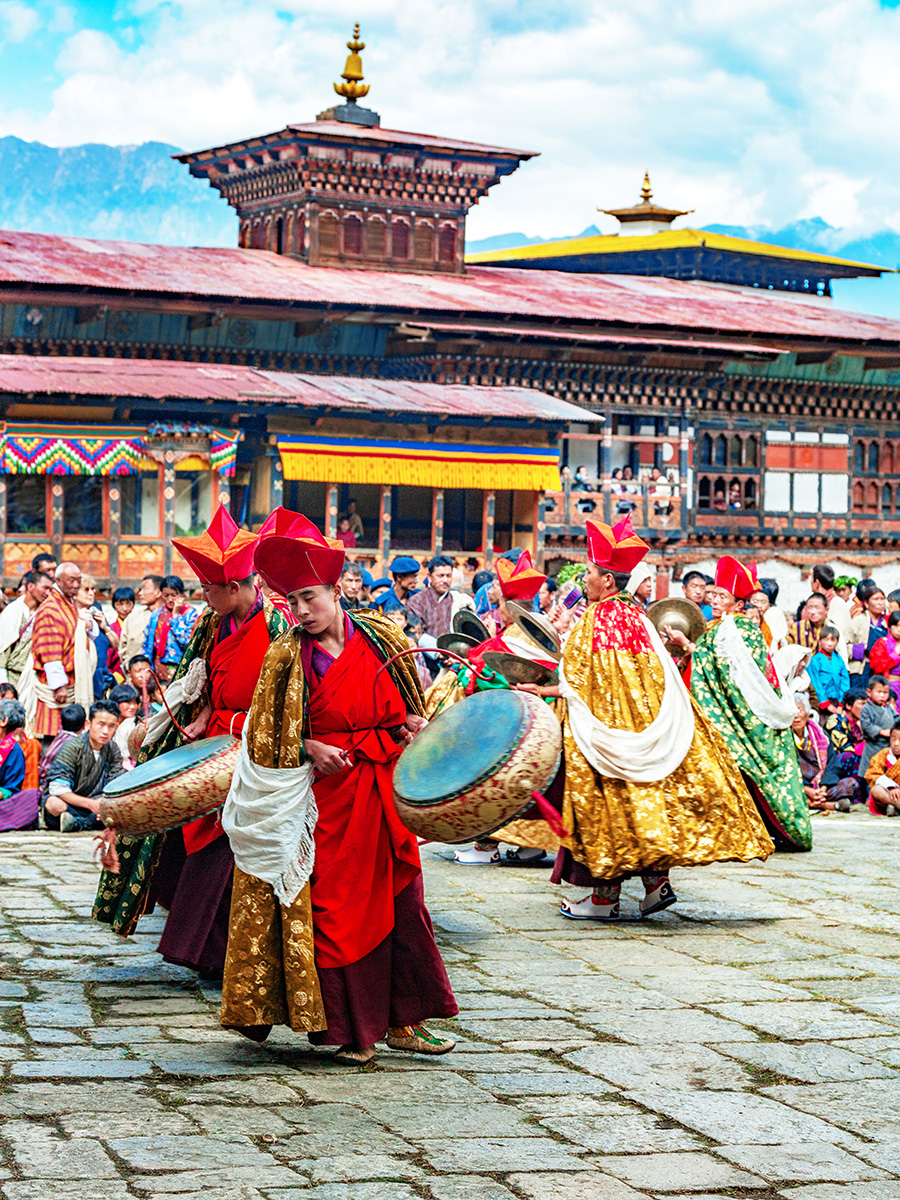
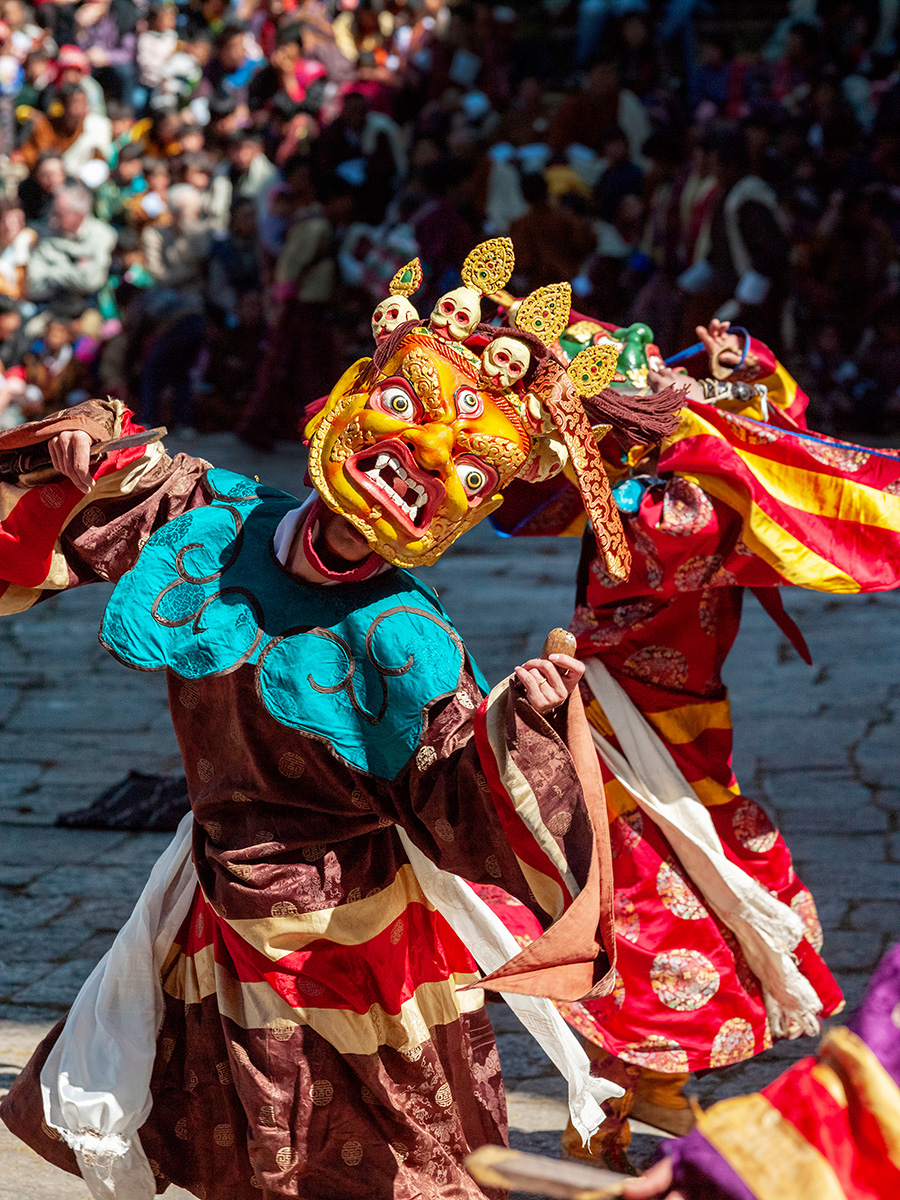
October and November constitute the months of most complete beauty. The monsoon has withdrawn, the skies run deep blue from first light to last, and the Tshechu festivals at both Thimphu and Paro animate the dzong courtyards with masked-dance performances of a ceremonial depth that commercial entertainment has never come close to replicating. Spring, from March to May, offers rhododendrons at altitude and considerably fewer visitors. Winter is cold, crystalline, and the Phobjikha Valley in December and January, when the black-necked cranes arrive from Tibet in slow, sacred formation, is worth rearranging a calendar for.
Visas are arranged in advance through a licensed Bhutanese tour operator or directly through a property partner. Druk Air and Bhutan Airlines operate the only scheduled services into Paro International Airport, connecting from Bangkok, Singapore, Delhi, Kolkata, Kathmandu, and Dhaka. The approach is technically demanding and certified accordingly. On a clear day it is among the most moving experiences available in commercial aviation and should be regarded as the beginning of the journey, not the prelude to it.
Thimphu sits at 2,300 metres. Paro at 2,200. The first day belongs to acclimatisation and to the gradual recognition that you arrived here to slow down. The monastery will be on its cliff in the morning. The cranes will be in the valley. The monks will be at their bells. Nothing in Bhutan has agreed to wait for you to be ready, which is, in the end, the whole point of coming.