
Bali – The Essence of Sacred Wellness
On an island where the gods are said to live in the rice fields and the sea is the soul’s mirror, healing is not an itinerary. It is a slow, beautiful inheritance. Our editor returns to find that Bali’s promise of wellness has matured into something quieter, deeper, and more confident than ever.
The Geography of Repose
There is a moment, somewhere over the Lombok Strait at sunrise, when the volcanic spine of Bali rises from a soft scarf of cloud, and the body, almost without permission, exhales. Long before you have unfastened a seatbelt or accepted the first frangipani, the island has begun its work. Bali does not announce its wellness. It absorbs you into it.
Twenty years of yoga retreats, plant kitchens and cliff-top spas have made the island shorthand for self-care, often to the point of caricature. Yet the deeper you travel, the more obvious it becomes that the tourist-brochure version is only a thin gloss on something far older. Healing here is not an industry imported and rebranded for a Western audience. It is a way of seeing the world, written into the slope of a paddy field, the cadence of a temple offering, the tempo of an evening shower. The volcanoes anchor. The rice terraces regulate. The forests hold the silence. The coastlines release.
Across this geography, the island hosts a quiet conversation between tradition and contemporary practice. Balinese purification rituals, the centuries-old Melukat blessings of holy water, the apothecary knowledge of jamu and the daily devotion of the canang sari sit comfortably beside breathwork studios, bio-design hotels and chefs trained at El Bulli. The result, in 2026, is an ecosystem rather than a trend. Luxury, on this island, has shed its association with excess. It is now defined by something far more difficult to procure: a settled nervous system, an unhurried morning, a body returned to itself.
What follows is a journey across the island in four movements, from coast to ridge, paddy to plate, ending at nine remarkable houses of repose that, between them, distil what it now means to stay well in Bali.
SALT, CLIFF, AND THE LONG EXHALE
Coastal Renewal and Oceanic Release
The southern coastline of Bali is less a destination than a treatment. Drive the Bukit Peninsula at first light and you will find limestone cliffs the colour of old paper, water in three blues, and a wind that tastes faintly of salt and frangipani. The therapeutic possibilities are obvious, but it is in their unspoken grammar that the coast does its real work.
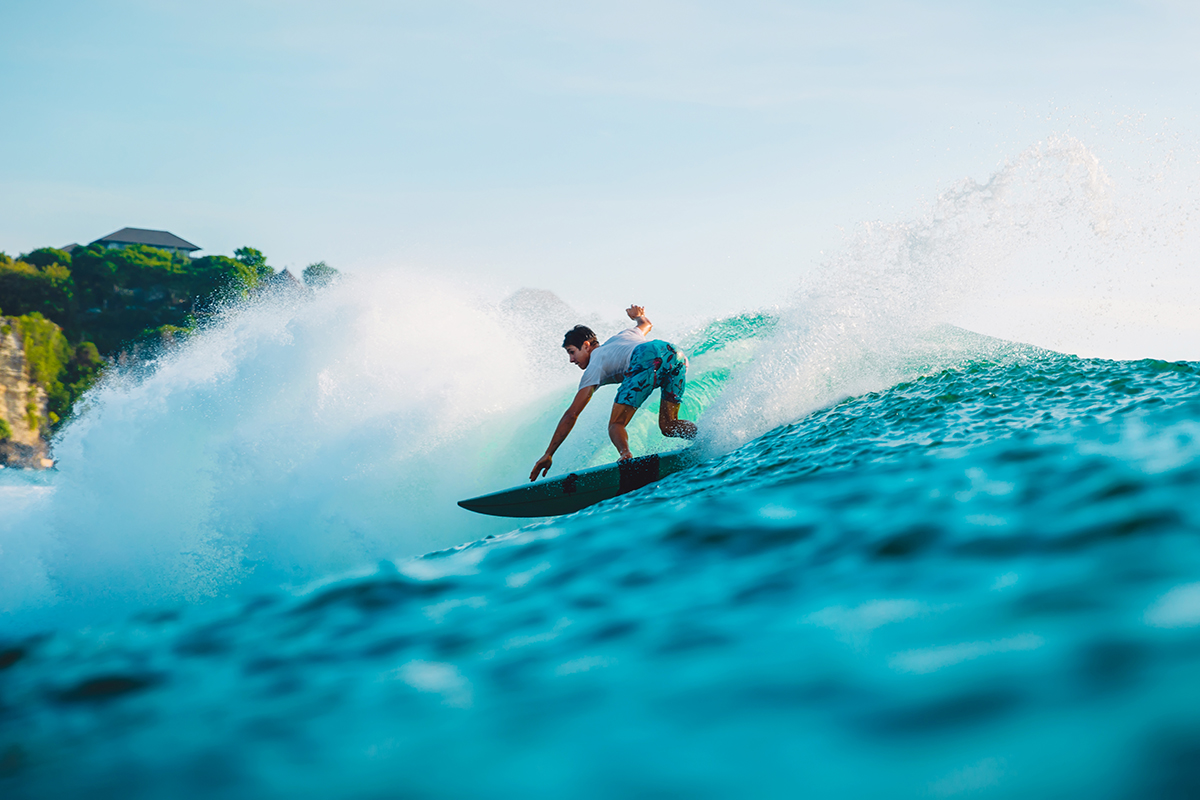
At Padang Padang, accessed through a slim cleft in the rock that requires you to lower your shoulders and surrender any sense of urgency, the beach opens into a 110-metre crescent of fine sand sheltered between cliffs. The surf here is famous, the so-called Balinese Pipeline, but for those who do not chase a barrel, the water is quiet enough for slow swimming. The macaques, as ever, must be respected. Hats and sunglasses, in particular, will not survive close inspection.
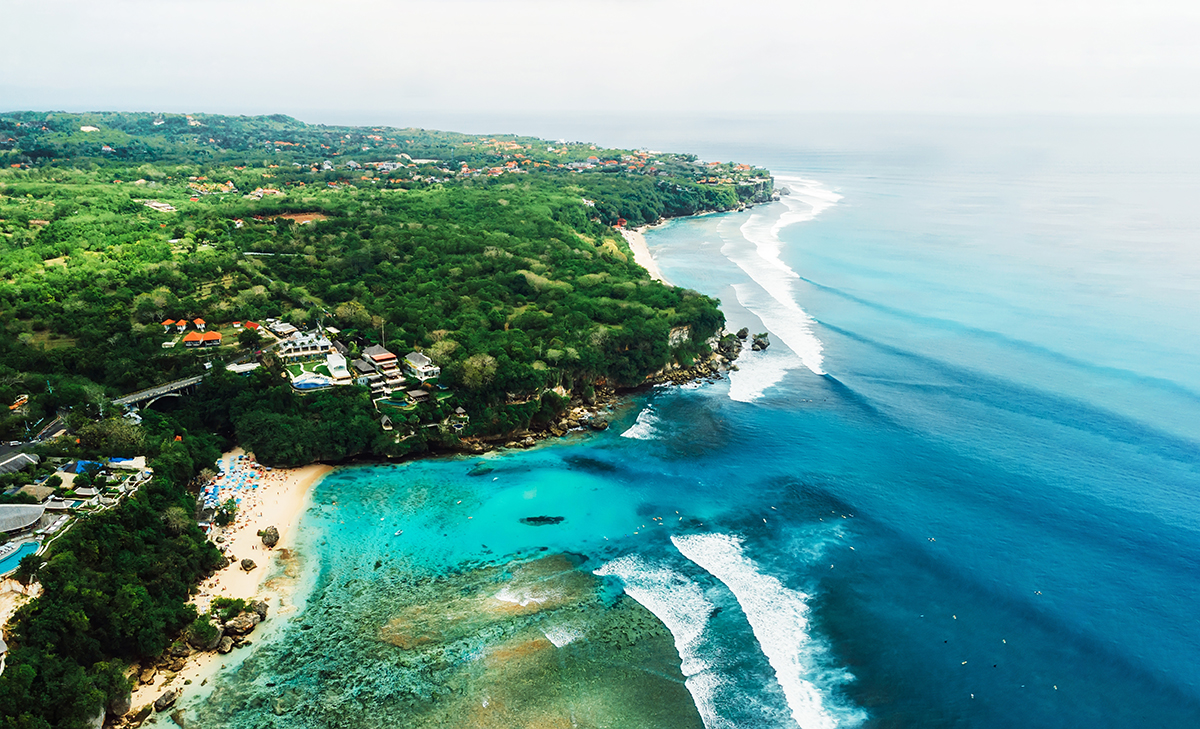
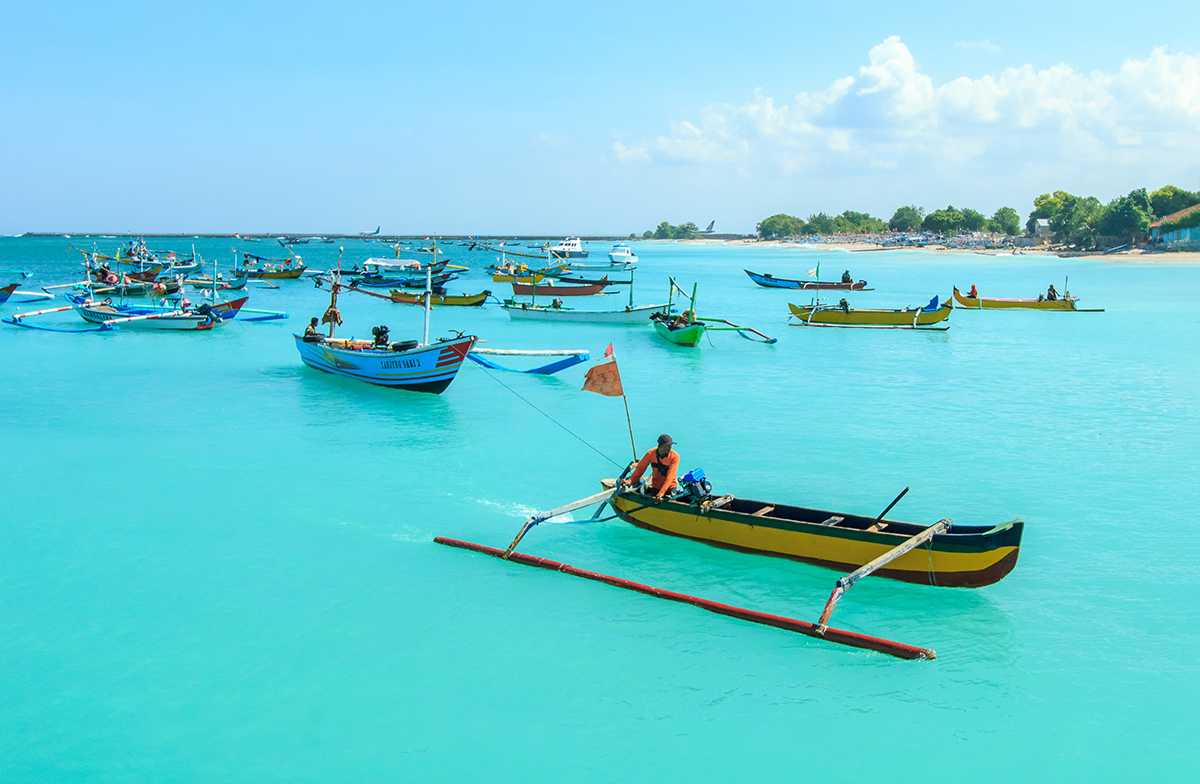
A short drive north, Jimbaran Bay is a long sweep of west-facing sand that has, for a generation, anchored Bali’s romance with sunset dining. The seafood warungs still set their tables on the sand; lobsters still arrive whole and blackened from the grill. What has shifted, gently, is the upper register of the ritual. Sundara, on the Four Seasons stretch, now opens its evenings with a low-ABV aperitivo programme, while Pink Brunch (a rosé-paired, seafood-led late morning) has become one of the island’s most sociable Sundays. The principle is unchanged. You watch the sun go down. You feel the day go down with it.
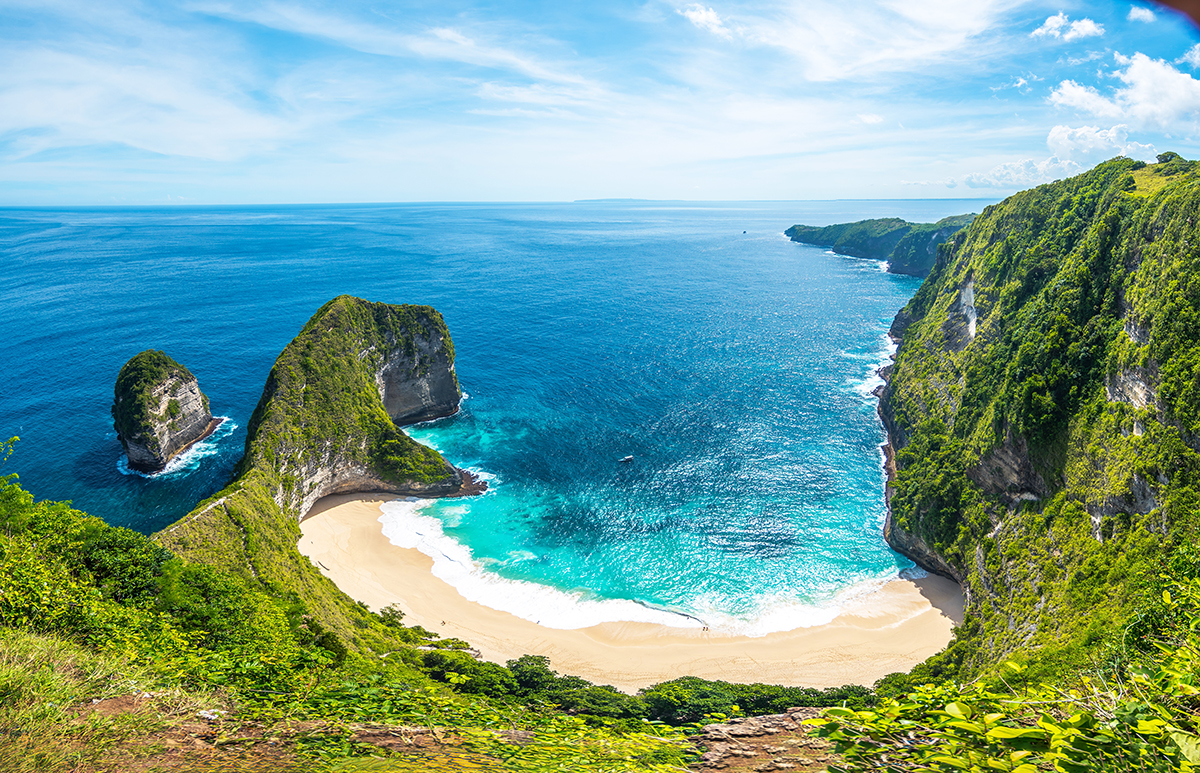
Across the Badung Strait, on Nusa Penida, the limestone ridge that locals call Kelingking, the “little finger”, remains one of the most extravagant landscapes in the archipelago. The proposed cliff lift was suspended in late 2025 and dismantled at the request of the provincial governor, restoring the original pact: those who descend must walk, slowly, with rope and stick, for an hour. Most visitors do not. They stand on the spine of the cliff, watch a pod of distant manta rays, and feel the small ego usefully reduced.
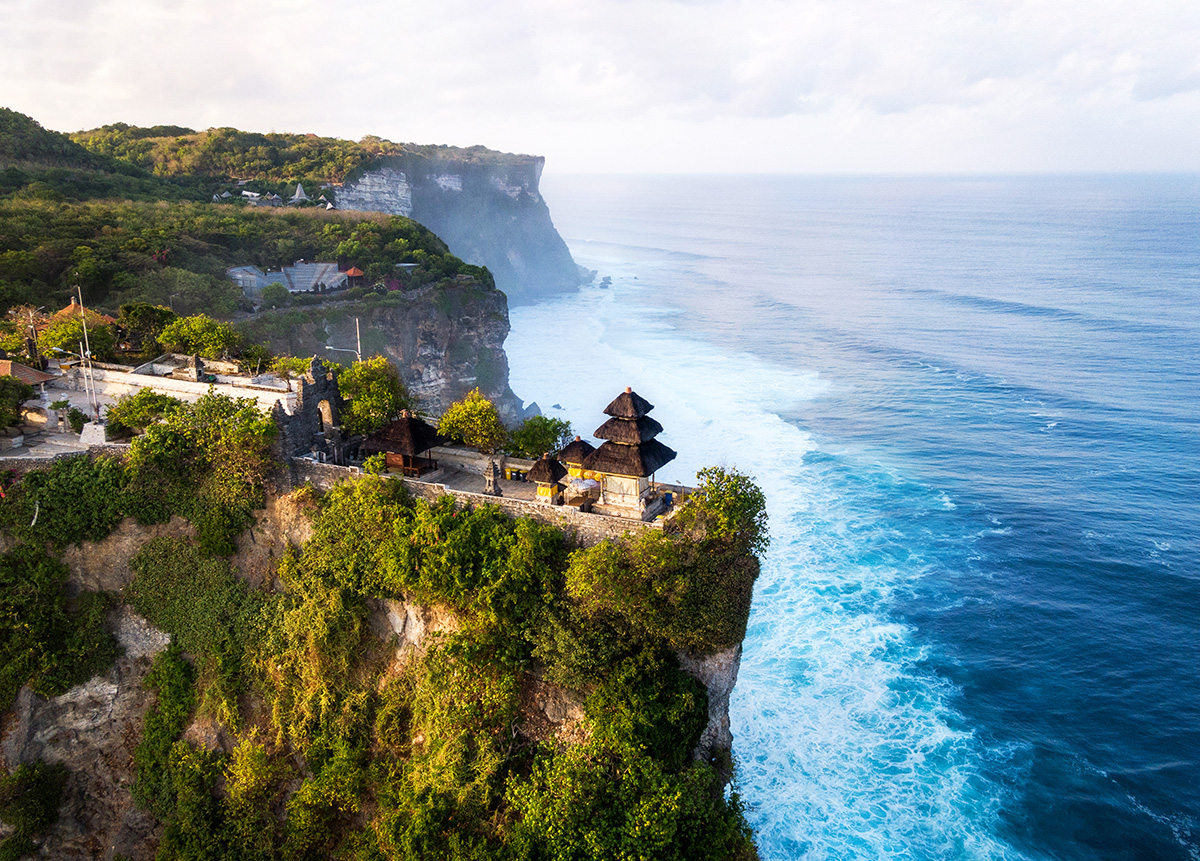
Back on the mainland, Pura Luhur Uluwatu holds the southwestern point of the island. Seventy metres above the breaking surf, the temple is at its most powerful at dusk, when the daily Kecak performance begins. Two performances are now scheduled nightly, at six and seven o’clock; the earlier slot, framed in low gold light, remains the one to book. The chant, layered by a hundred male voices in trance, is a useful corrective to the modern tendency to reach for the phone. You will not want to.
TRAVEL TIP
Wear proper shoes and arrive early when visiting Kelingking Beach, as the trail is steep and the viewpoint becomes crowded by late morning. Avoid visiting during heavy rain, when the path can be slippery and unsafe.
STILLNESS IN MOTION
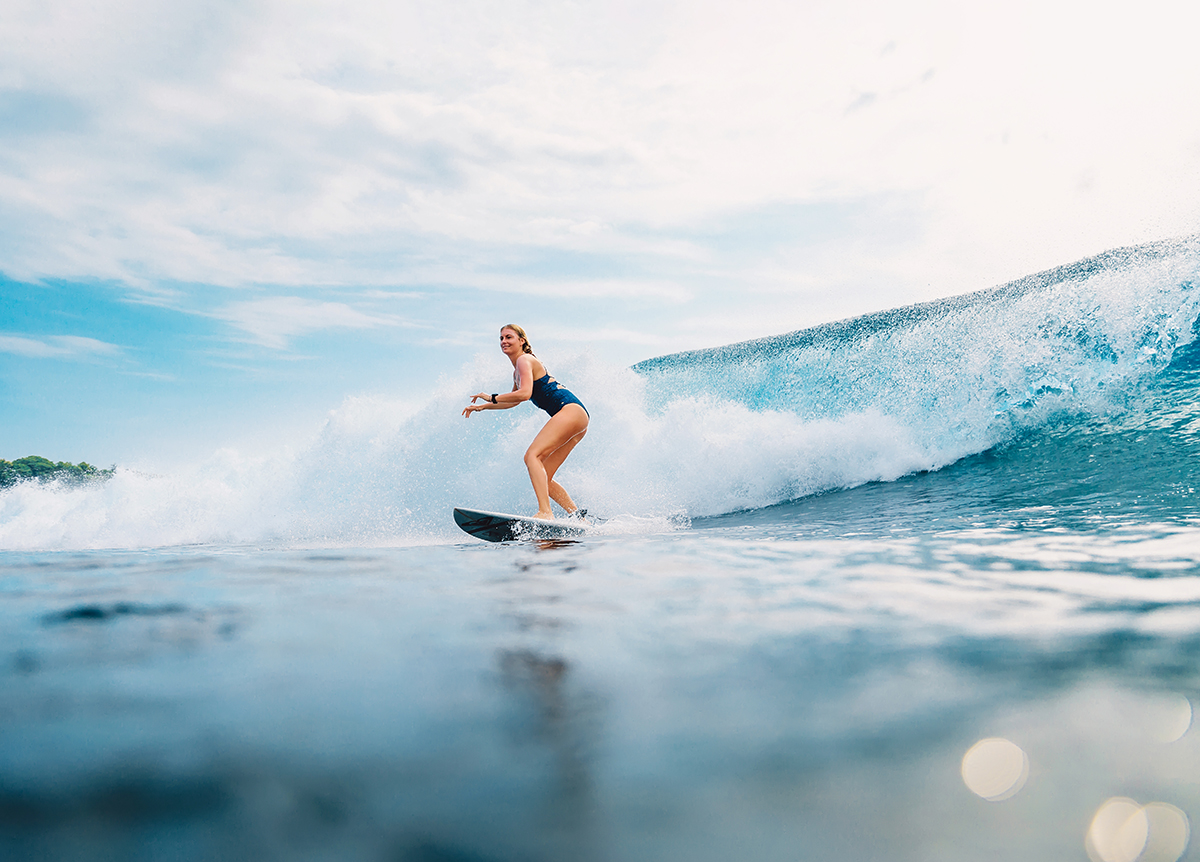
Move north along the western coast and the rhythm changes. The cliffs subside, the rice fields press closer to the sand, and the island’s modern wellness culture announces itself. Canggu, once a quiet surf village strung between rice paddies and the Indian Ocean, has, in the space of a decade, become the de facto laboratory for Bali’s contemporary wellness identity. The dawn at Batu Bolong is now its own genre. Surfers paddle out at six; a barefoot breathwork class assembles on the sand by half past; by mid-morning the long-table cafés are full of cold-pressed turmeric, pitaya bowls, and laptop screens softly closing in deference to the view.
For all the cliché the area attracts, the wellness here is genuinely good. Studios now offer everything from rocket vinyasa and Wim Hof breathwork to ice baths, infrared saunas and somatic therapy. The opening of Regent Bali Canggu in late 2024 marked an inflection point: a five-star anchor for a neighbourhood that had grown, until then, almost entirely from the bottom up.
Down the coast, Seminyak holds a more curated, slightly slower note. The famous nightlife strip is, by 2026, a softer animal than it was at peak. Certain blocks are visibly quieter in the evenings even as international flight volumes remain robust. The compensation is operational. Restaurants have expanded their offering, service has improved, the streets feel more navigable, and the spas, of which there are many, have moved decisively away from theatre and towards efficacy. Lymphatic drainage, cryotherapy and thoughtful facials have replaced the louder rituals of a decade ago.
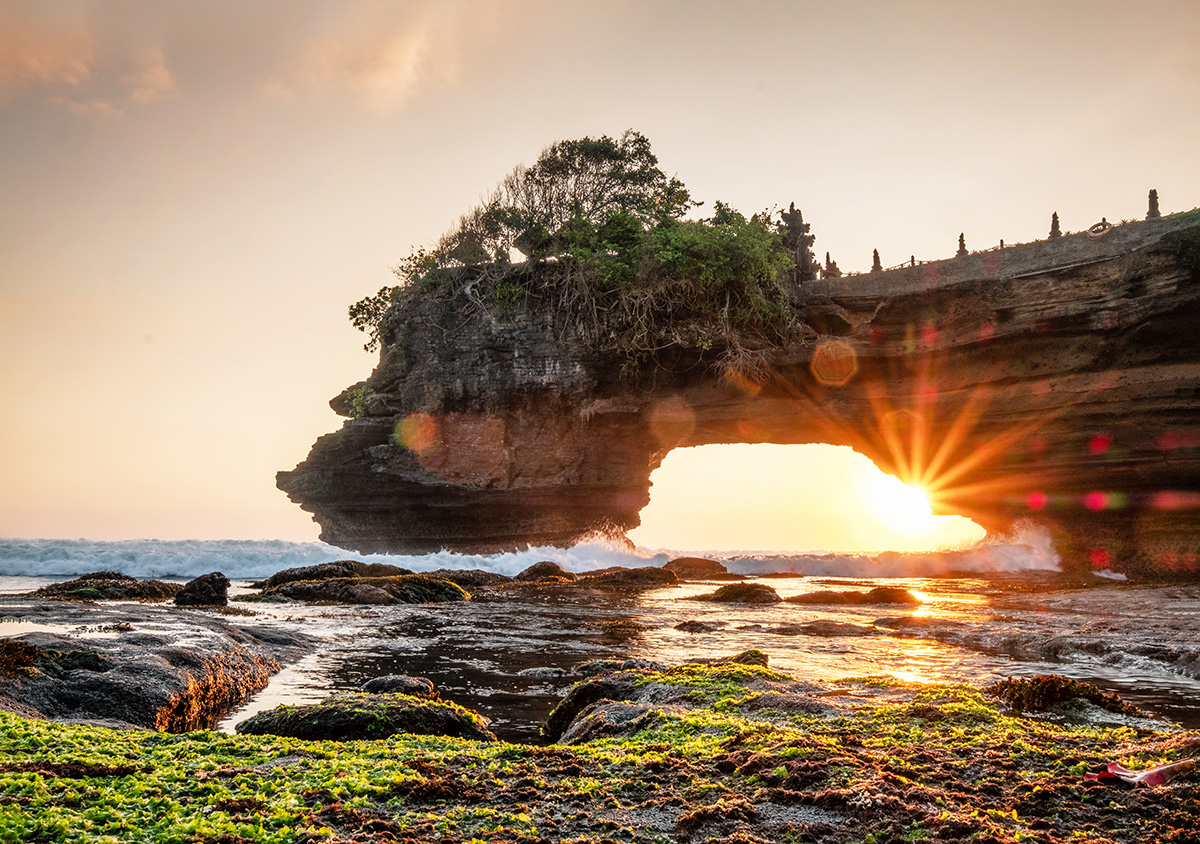
Inland from the surf, the island’s older grammar reasserts itself. Pura Tanah Lot, the sea temple set on a basalt outcrop off the Tabanan coast, remains the most photographed sanctuary in Bali, but it is also a useful meditation on impermanence, a central principle of Balinese spiritual life. At low tide you may walk to the foot of the rock; the priests still draw holy water from the freshwater spring beneath the temple and bless visitors who ask quietly. Tide and prayer have been keeping time on this stretch of sea for six centuries. They will, with luck, keep it for six more.
TRAVEL TIP
Canggu is Bali’s laid-back surf hub, known for its beach cafés, sunset spots, and coastal energy. Batu Bolong and Echo Beach are ideal for renting a surfer board or joining a beginner surf lesson, especially in the early morning when the waves are calmer and the beaches less crowded. Expect heavier traffic around sunset hours.
OF EARTH AND APPETITE
Culinary Wellness and Nutritional Restoration
If the spa was the headline of Bali wellness in the 2010s, the table is unquestionably the headline of the 2020s. Ubud, in particular, has emerged as one of the most quietly serious dining cities in Southeast Asia, its restaurants animated by a generation of chefs who treat the rice barn, the fermentation lab and the rooftop forest as natural extensions of the kitchen.
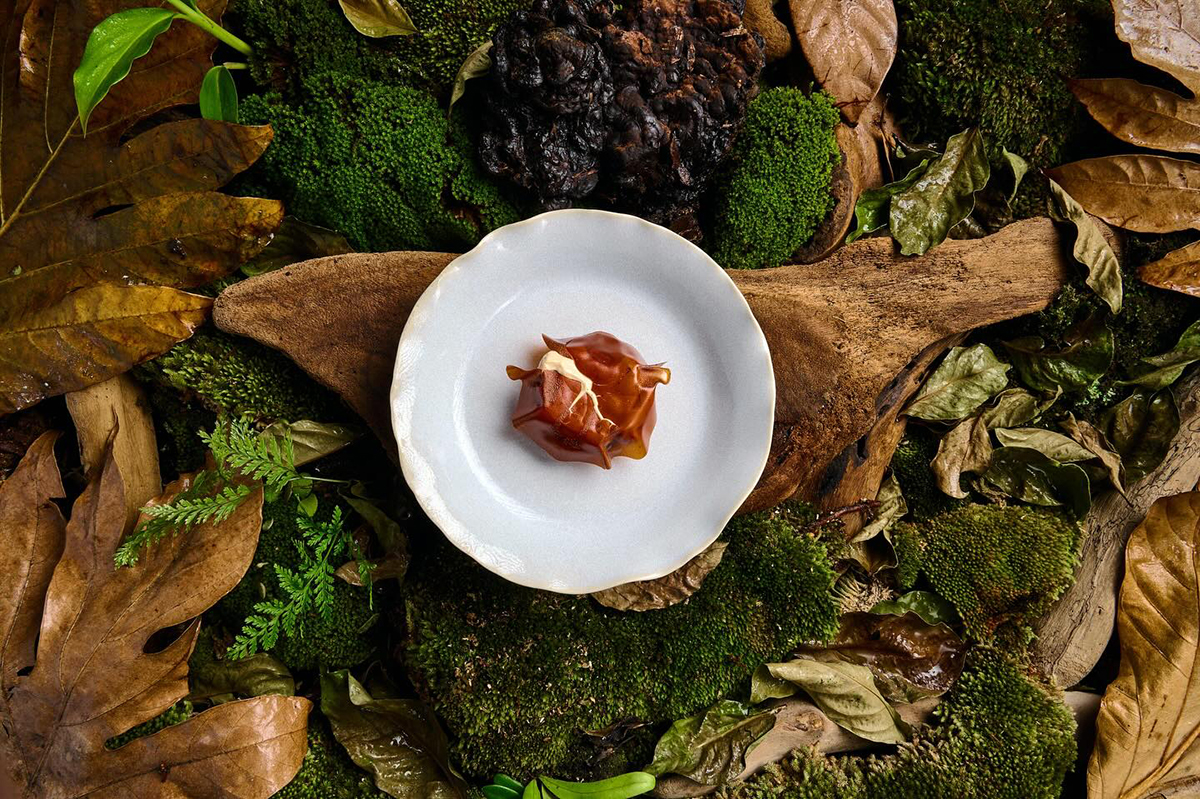
Locavore NXT, in Lodtunduh just outside Ubud, is the project of Eelke Plasmeijer and Ray Adriansyah, who closed their original Locavore at the height of its fame in 2023 and reopened, the same December, in this purpose-built half-hectare of fermentation cellars, beekeeping yards, mushroom houses and an edible rooftop jungle. The menu, more than twenty courses on most evenings, contains nothing imported, no wheat, no dairy, and very little conventional protein. Glassware, ceramics and even the chairs are sourced inside Indonesia. In 2025 the restaurant ranked 92 in Asia’s 50 Best Restaurants and took home that list’s Sustainable Restaurant Award; La Liste 2026 graded it 91 points. None of which, in the room, is allowed to feel solemn. The cooking is clever, sometimes funny, and almost always beautiful.
A few minutes’ drive east, Mozaic Restaurant Gastronomique continues its quieter conversation with the same Indonesian larder. Founded by Chris Salans more than two decades ago and now stewarded by his protégé Blake Thornley, the restaurant remains the only Southeast Asian member of Les Grandes Tables du Monde. The garden setting, the eight-course discovery menu and the wine programme are in superb condition; the 2026 La Liste score of 90 points feels, if anything, conservative.
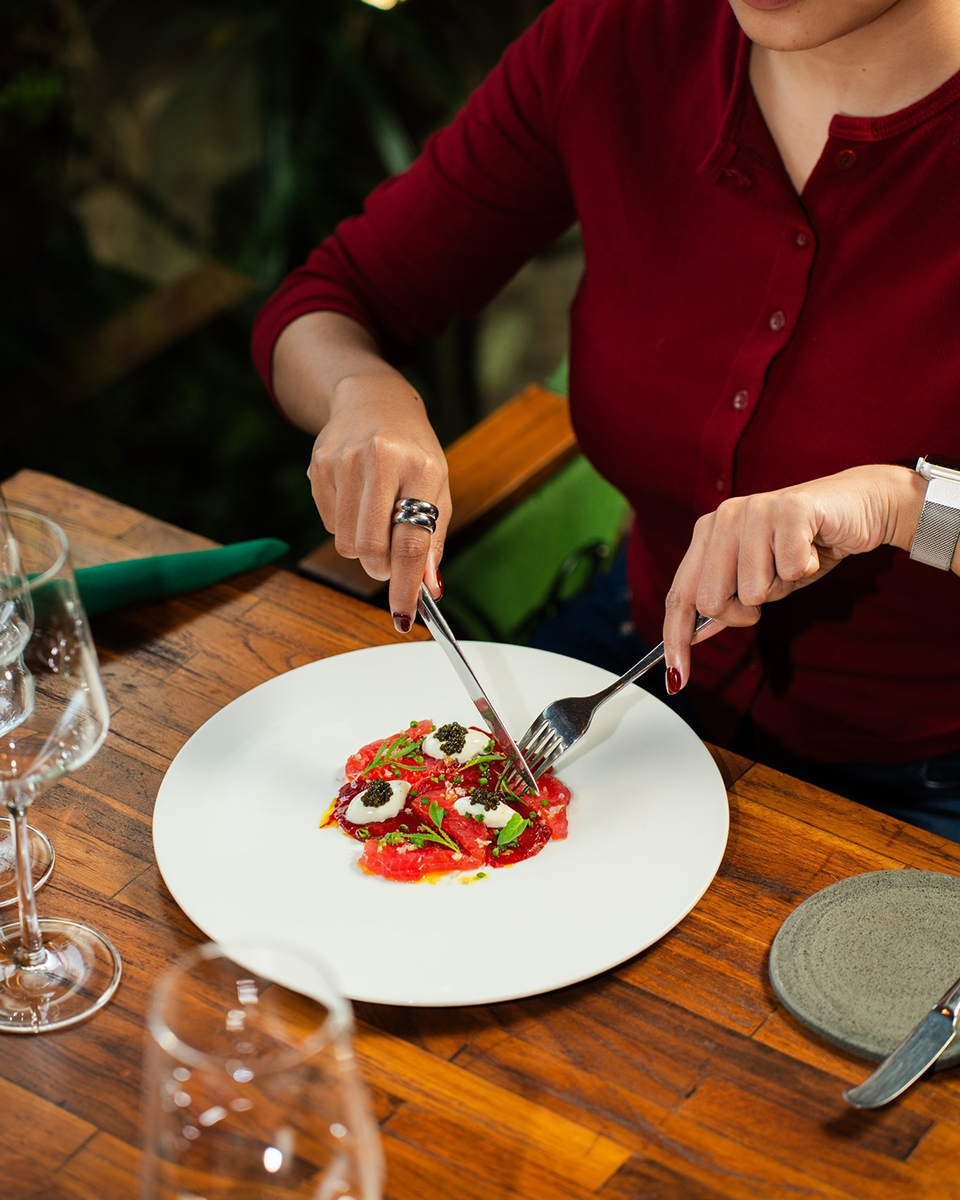
Down on the coast, Cuca in Jimbaran is the long-running passion project of Canadian chef Kevin Cherkas (El Bulli, Arzak, Daniel) and his wife and business partner Virginia Entizne. Almost everything is sourced within Bali, and almost everything works. The tapas, the cocktails (a separate menu of small, perfect liquid ideas) and the desserts are particularly fine; the room, an open garden of timber and pendant lights, is the sort of place at which an evening ends much later than intended. Tatler, Time Out, the Michelin Green Guide and the Telegraph are, for once, in sweet agreement.
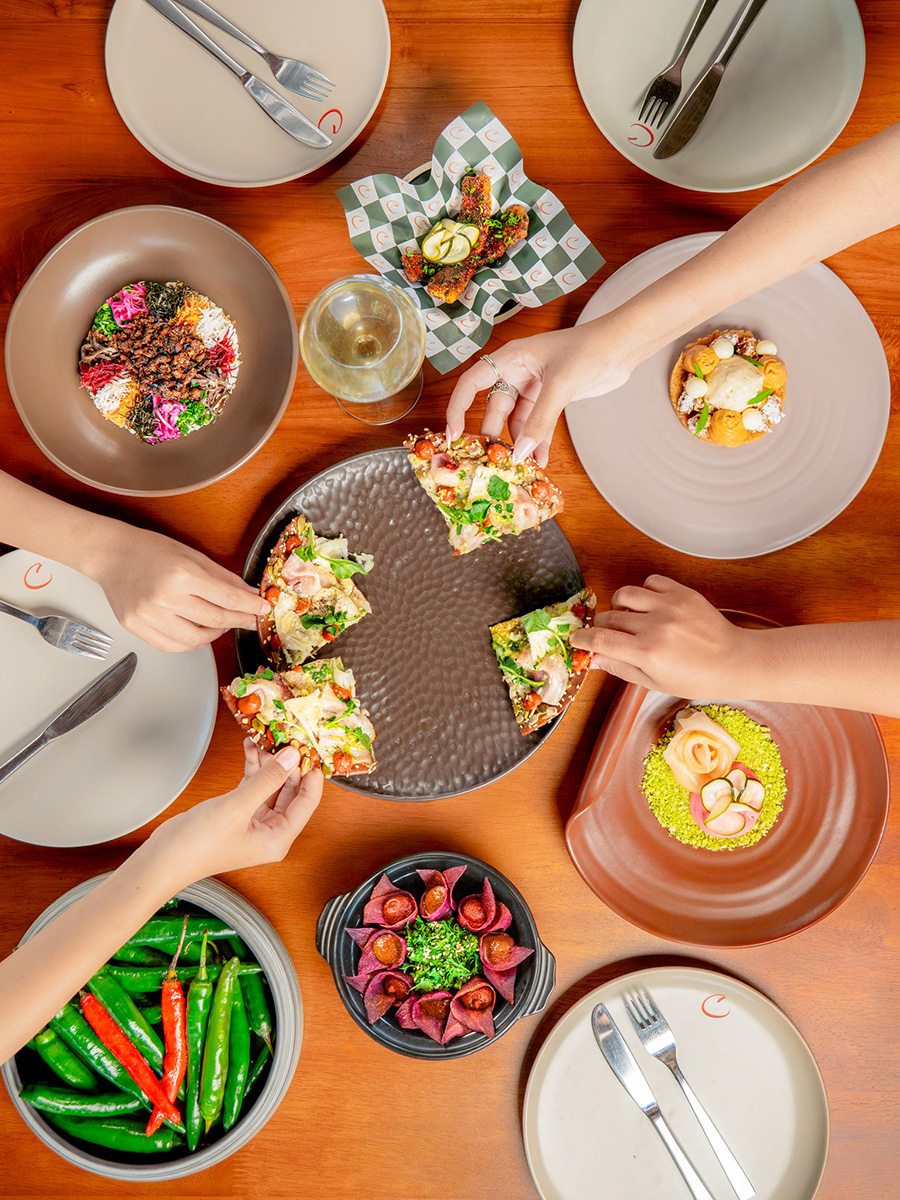
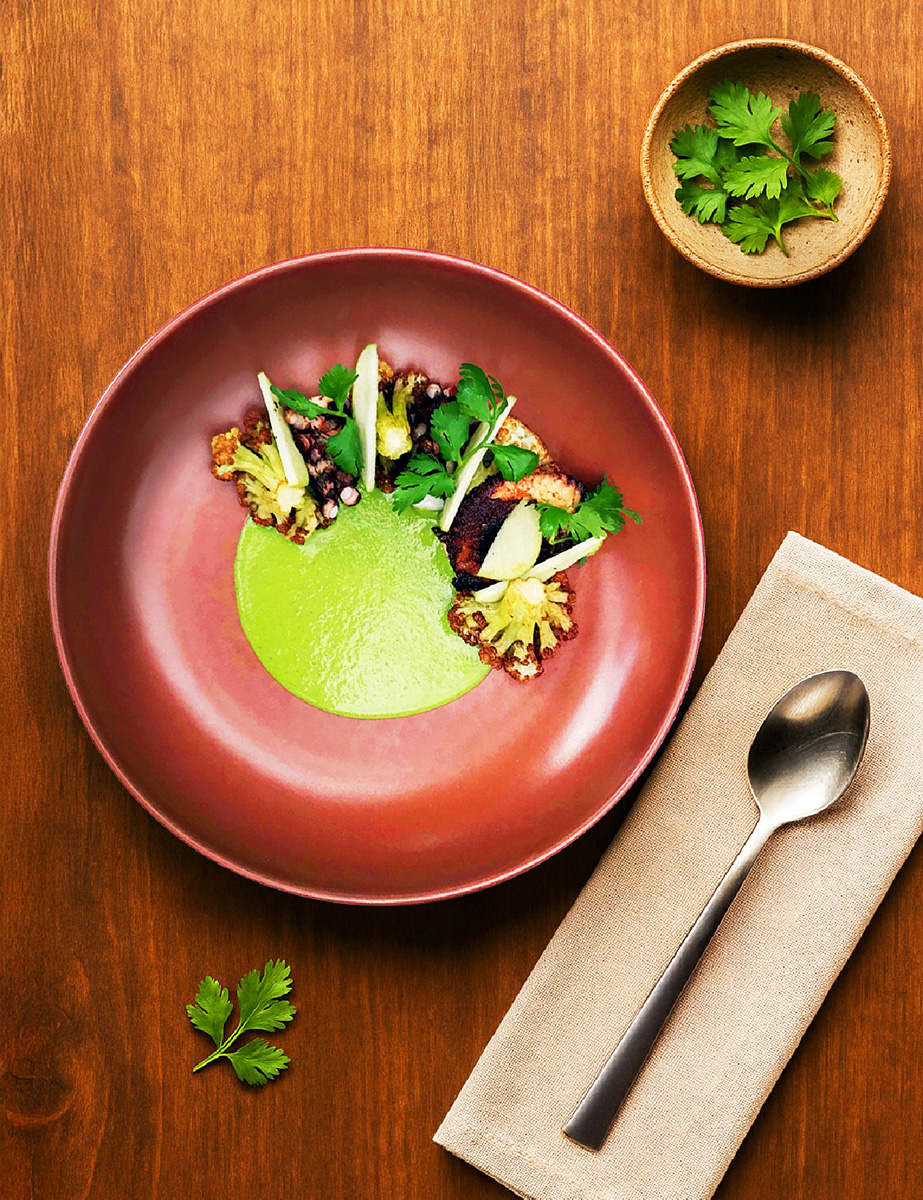
In Seminyak, Merah Putih brings the conversation home. Executive chef Wayan Kresna Yasa, Balinese by birth and New York-trained by trade, treats the country’s heritage recipes with the intelligence of a curator and the appetite of a host. The bamboo cathedral of a dining room is part of the pleasure, but it is the food, the rendang, the bebek betutu, the slow-cooked sayur, that will remain. Two Chope Diners’ Choice awards in 2025 confirm what Seminyak has long known.
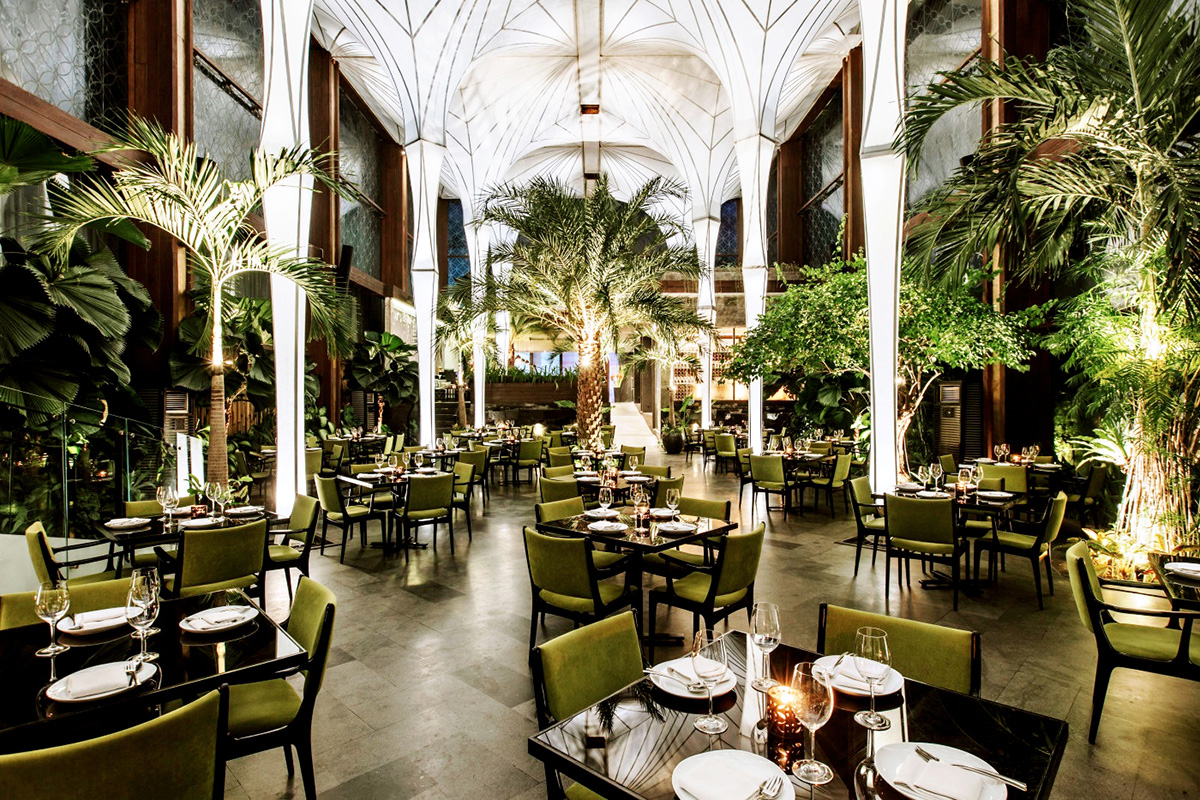
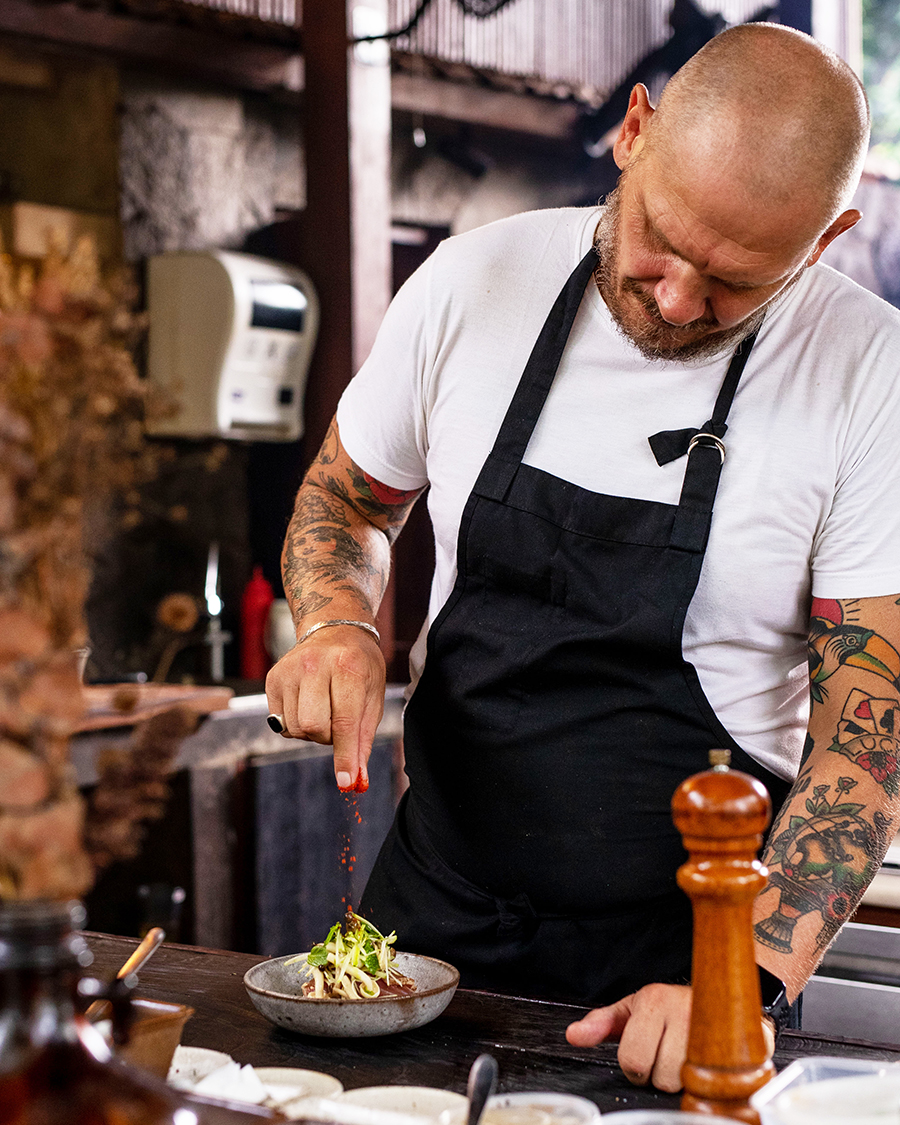
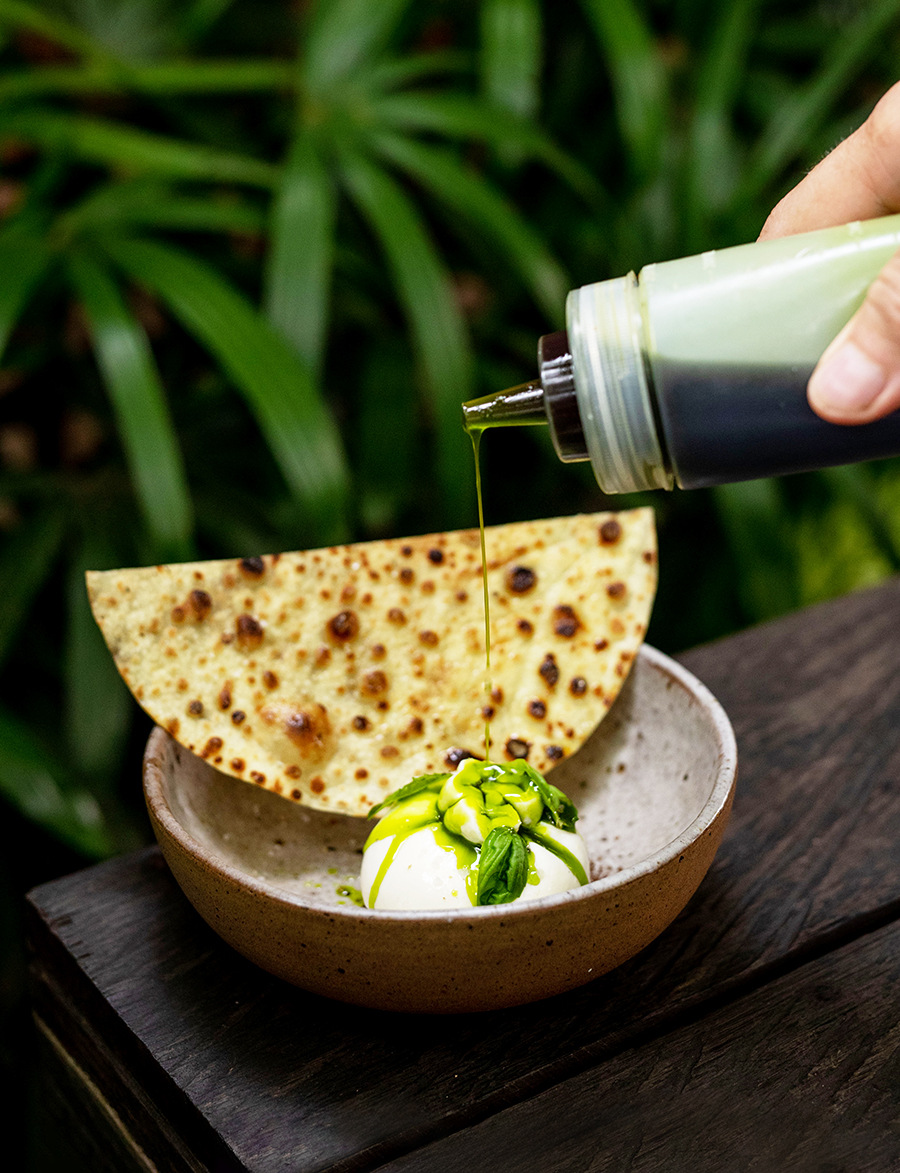
Shelter Pererenan captures the new spirit of Bali dining with remarkable ease, where wood fire, bold Mediterranean flavours and relaxed tropical energy come together naturally. Led by chef Stephen Moore, whose career spans celebrated kitchens from Sydney’s Rockpool and Icebergs to Michelin-starred restaurants in Europe, Shelter has become one of the island’s most talked-about tables for its instinctive fire-led cooking and deeply social atmosphere. Inside the lush open-air joglo framed by tropical greenery and candlelight, dishes emerge from wood-fired ovens and charcoal grills fuelled by rambutan and coffee wood, giving signature plates like wood-roasted scallops, charred octopus and roasted eggplant their smoky depth and warmth. More than simply a restaurant, Shelter feels like a gathering place for Bali’s evolving creative and culinary community, where long dinners, natural wine, vinyl nights and visiting international chefs all blend into the slow rhythm of Pererenan after dark.
TRAVEL TIP
Visit Shelter Pererenan in the late afternoon before sunset, when the natural light softens the open tropical space and creates the restaurant’s most atmospheric setting. It is an ideal time for a relaxed meal or sunset drinks surrounded by the laid-back rhythm of Pererenan.
HOUSES OF REPOSE
BEST WESTERN KAMALA JIMBARAN
OF EARTH AND APPETITE
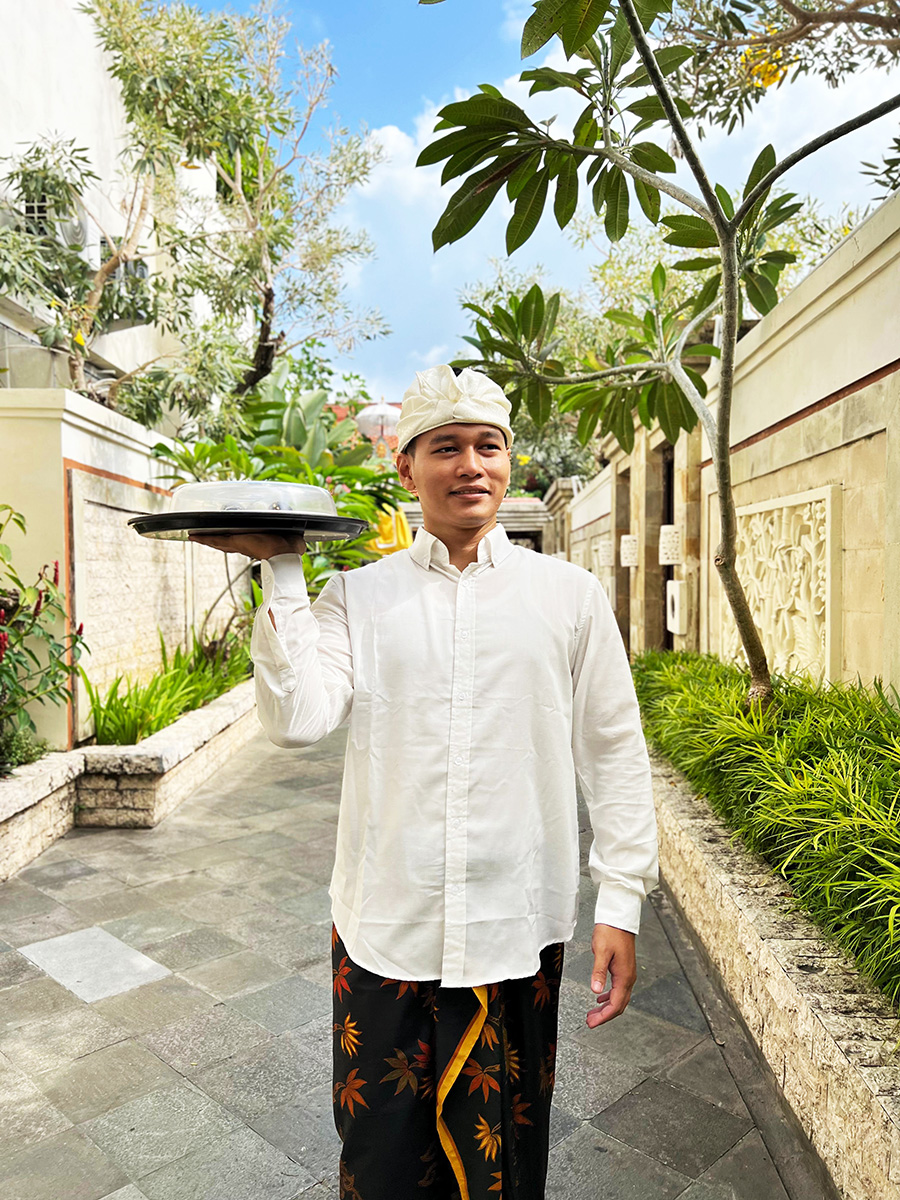
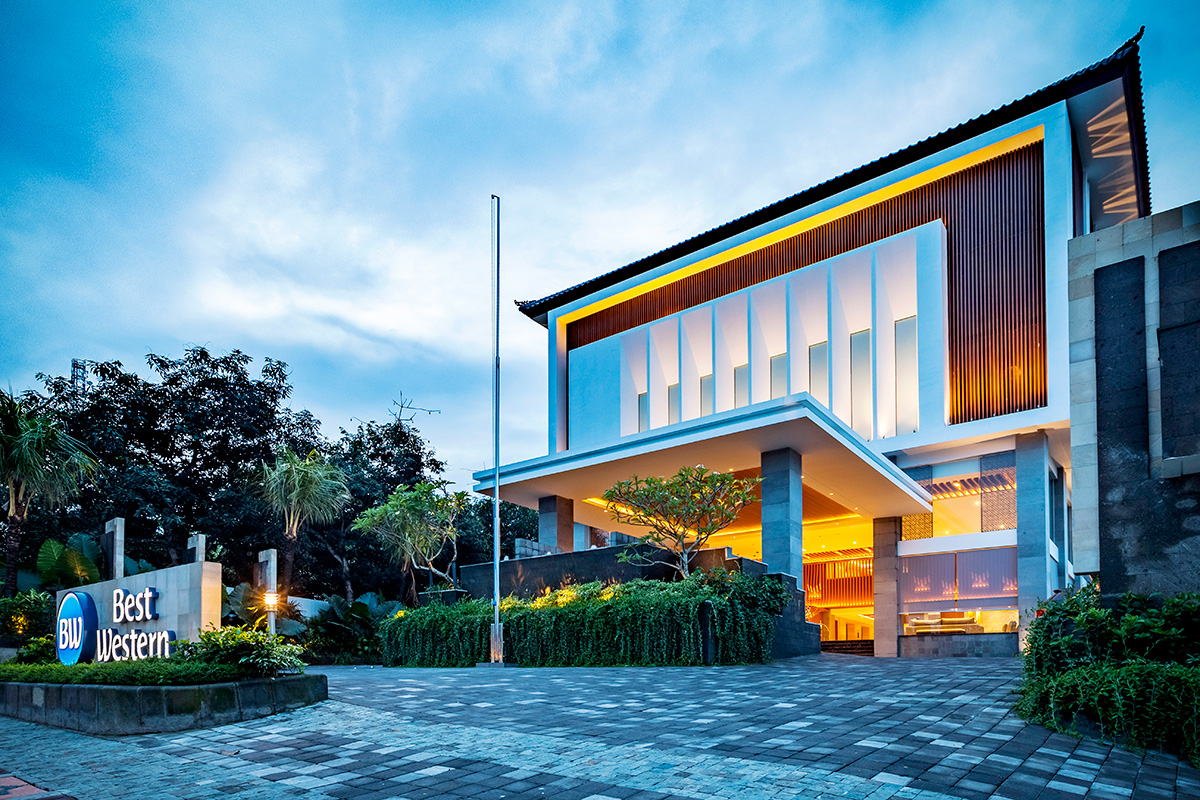
Set within the serene coastal enclave of Jimbaran, Best Western Kamala Jimbaran offers a quieter interpretation of Bali’s southern rhythm, where the island’s laid-back coastal charm replaces the high-energy pulse of nearby resort hubs. Just a short drive from Jimbaran Beach and within easy reach of Ngurah Rai International Airport, the property balances convenience with a sense of retreat, making it an easy arrival point that still feels removed from the rush.
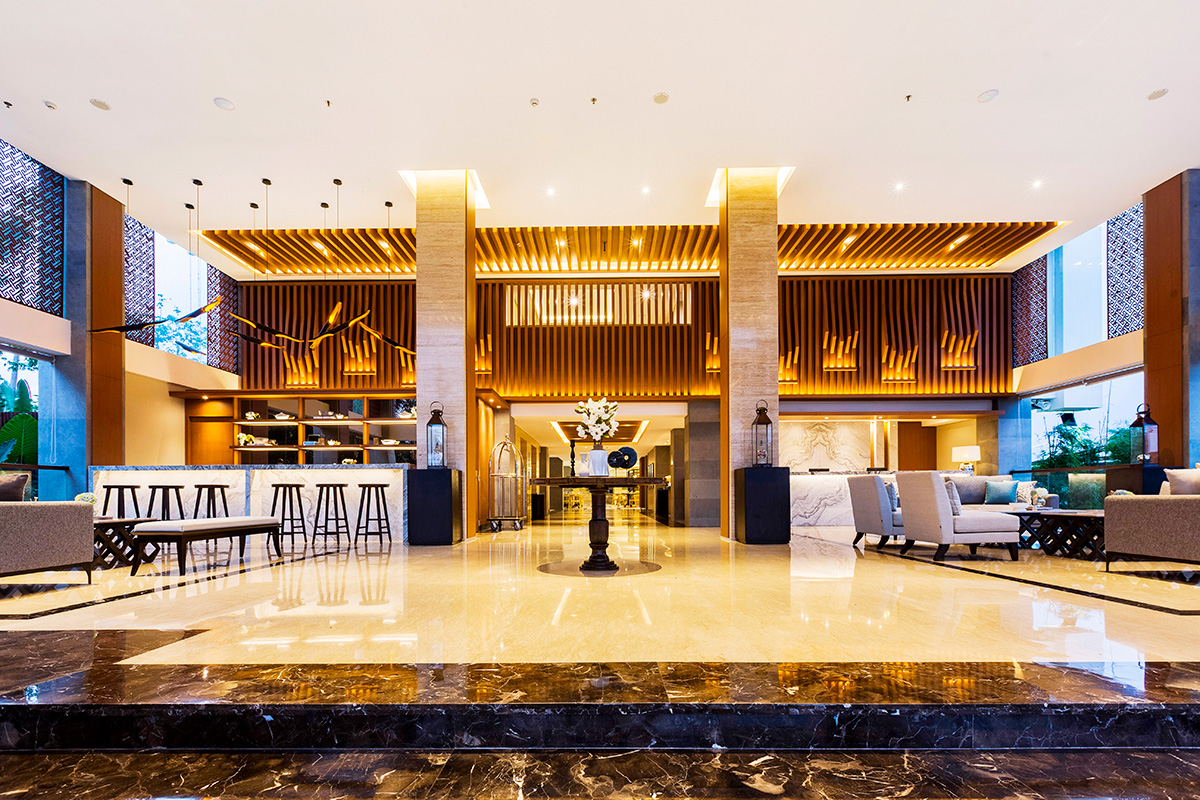
Designed with a contemporary tropical sensibility, the hotel blends clean modern lines with subtle Balinese influences soft natural textures, warm wood accents, and greenery that threads through open-air spaces. The atmosphere leans calm and unhurried, where shaded corners and landscaped pathways encourage slow mornings and unplanned pauses, echoing the gentle cadence of coastal living.
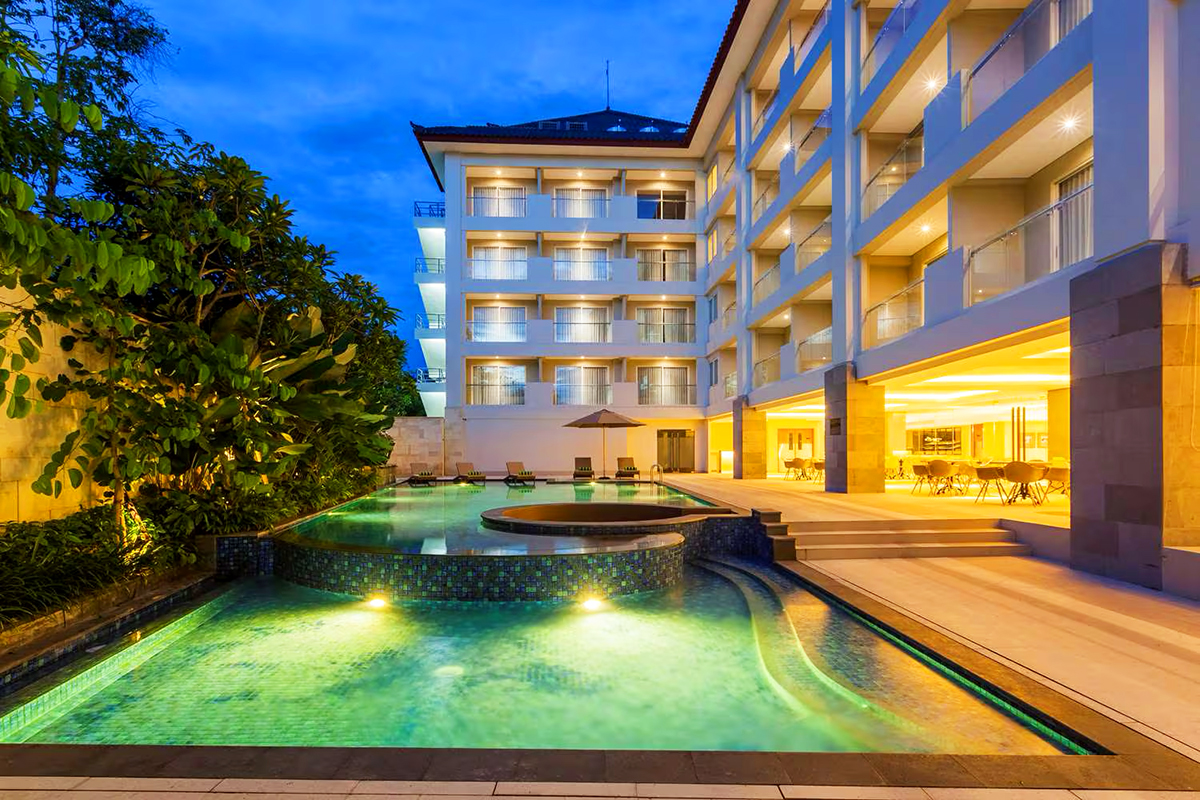
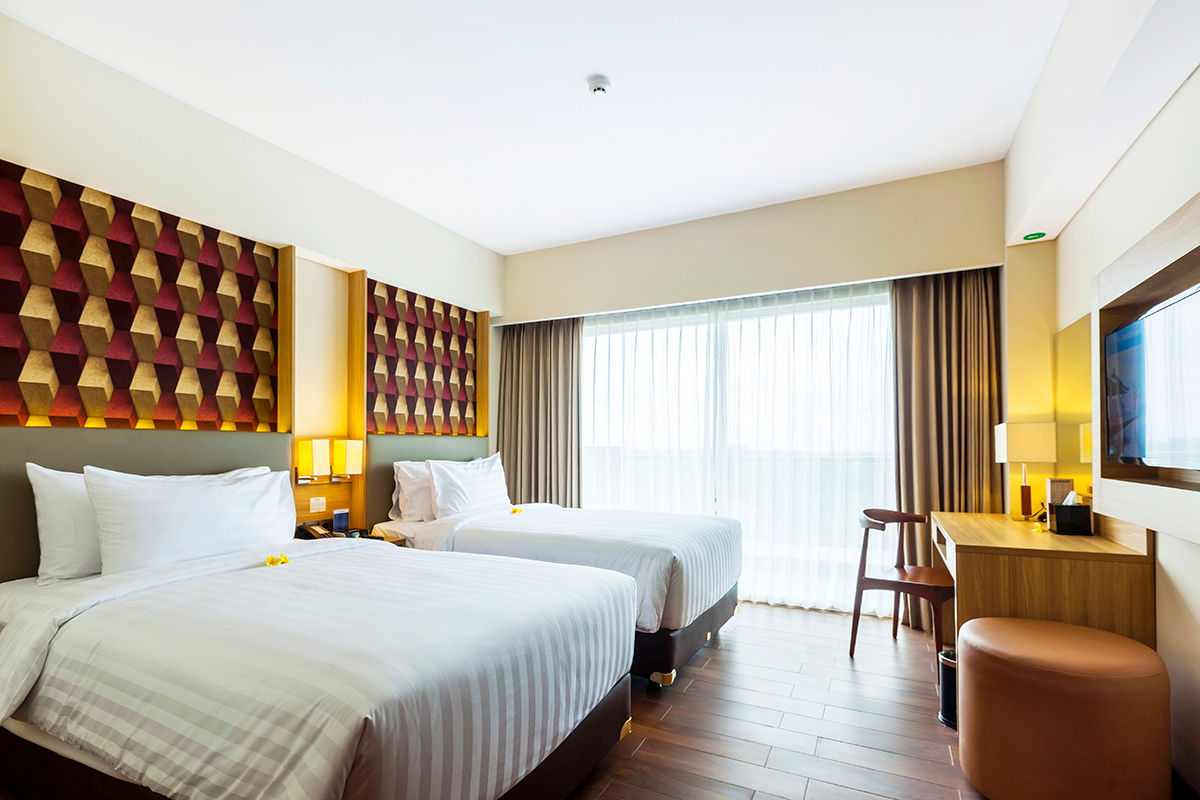
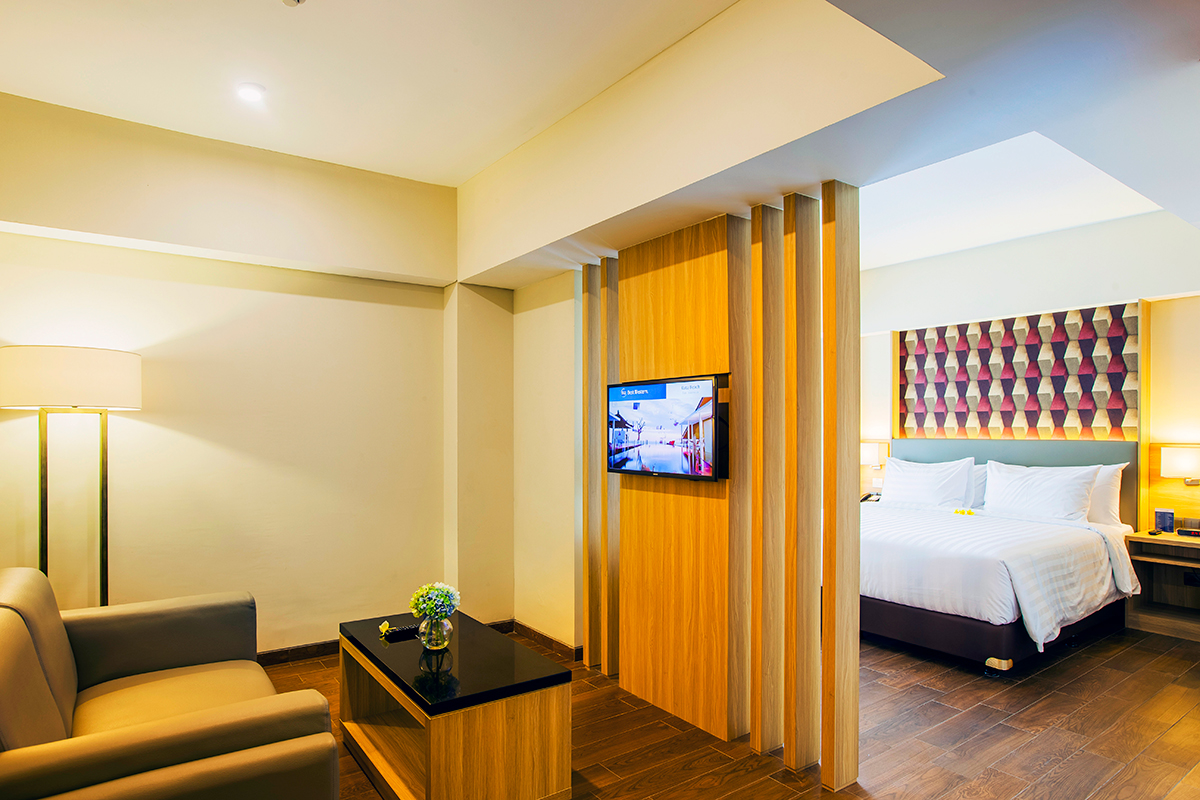
At its heart, a swimming pool framed by lush planting becomes a quiet focal point of the property, reflecting the light and sky of southern Bali throughout the day. Guest rooms are crafted for comfort and ease, pairing modern amenities with understated local character, creating spaces that feel both familiar and grounded in place.
While Jimbaran’s seafood cafés along the beach, sunset viewpoints, and southern Bali attractions are all within reach, the hotel itself maintains a distinctly relaxed rhythm ideal for travellers who want to move between exploration and stillness at their own pace. In this balance of accessibility and calm, Best Western Kamala Jimbaran becomes less of a base for travel, and more of a soft landing within Bali’s coastal landscape.
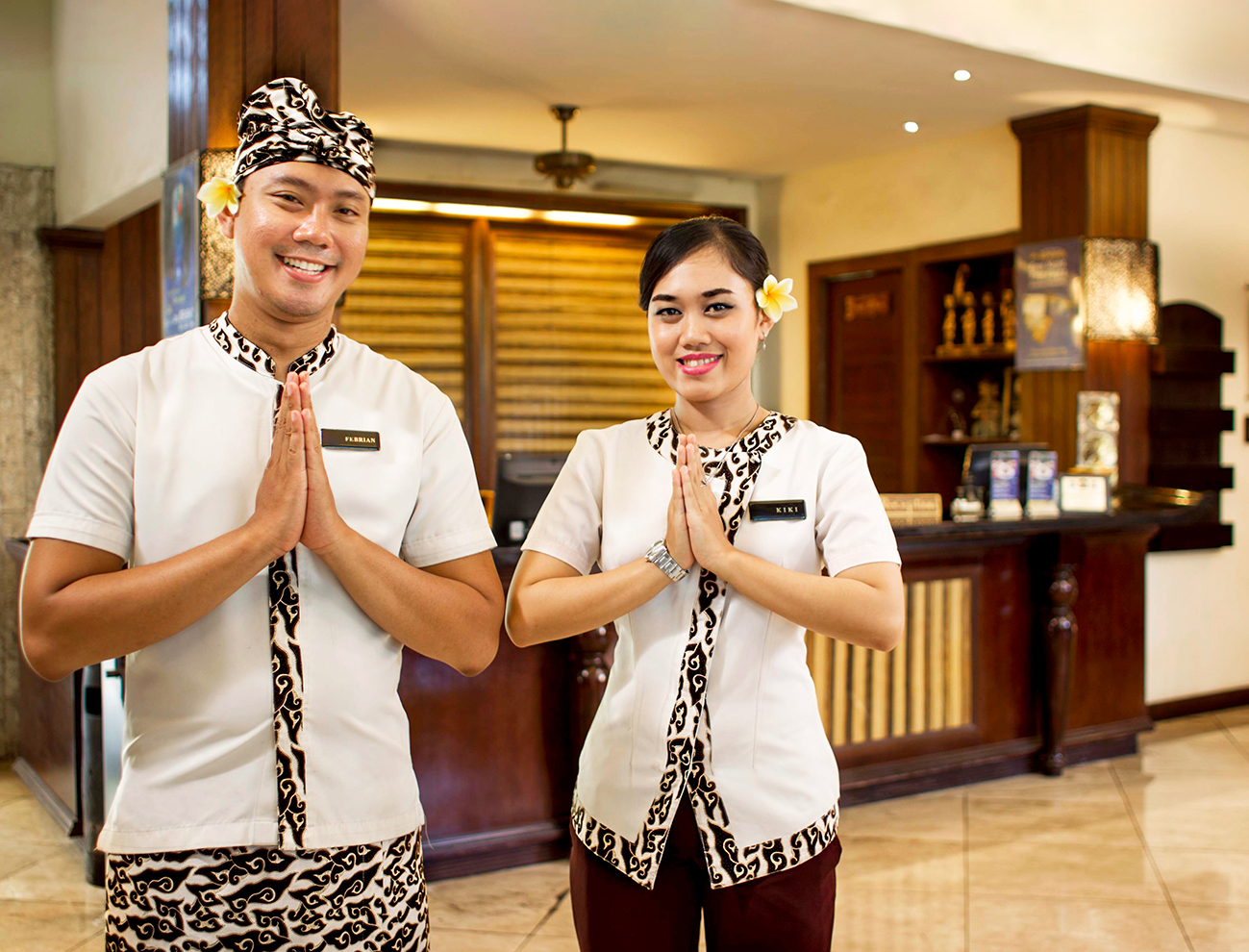
Beyond its tranquil setting, Best Western Kamala Jimbaran also serves as a convenient gateway to many of southern Bali’s most iconic experiences. Guests can easily venture to the dramatic limestone cliffs of Uluwatu, discover hidden beaches along the Bukit Peninsula, or spend an evening enjoying Jimbaran’s famous beachfront seafood dining as fishing boats return with the day’s catch against a backdrop of fiery sunset skies. Back at the hotel, the relaxed atmosphere continues through thoughtfully designed communal spaces, an all-day dining restaurant serving a mix of Indonesian and international favourites, and wellness facilities that allow travellers to unwind after a day of exploration. Whether enjoying a leisurely breakfast before setting out, cooling off in the pool during Bali’s warm afternoons, or simply retreating to the comfort of a well-appointed room, the experience is shaped by an easy-going sense of hospitality that feels distinctly Balinese. For travellers seeking a comfortable base close to the island’s beaches, cultural landmarks, and airport, yet removed from the crowds and constant activity of Bali’s busier resort districts, Best Western Kamala Jimbaran offers a refreshing balance of accessibility, value, and understated coastal charm.
Address: Jl. Raya Uluwatu No.88X, Jimbaran, Kec. Kuta, Kabupaten Badung, Bali 80361 Indonesia
Tel: +62 361-446-3208
Website: www.bestwestern.com/en_US/book/hotels-in-jimbaran/best-western-kamala-jimbaran/propertyCode.99811.html
WAKE UP TO RHYTHM OF KUTA
BEST WESTERN KUTA VILLA
KUTA, BALI
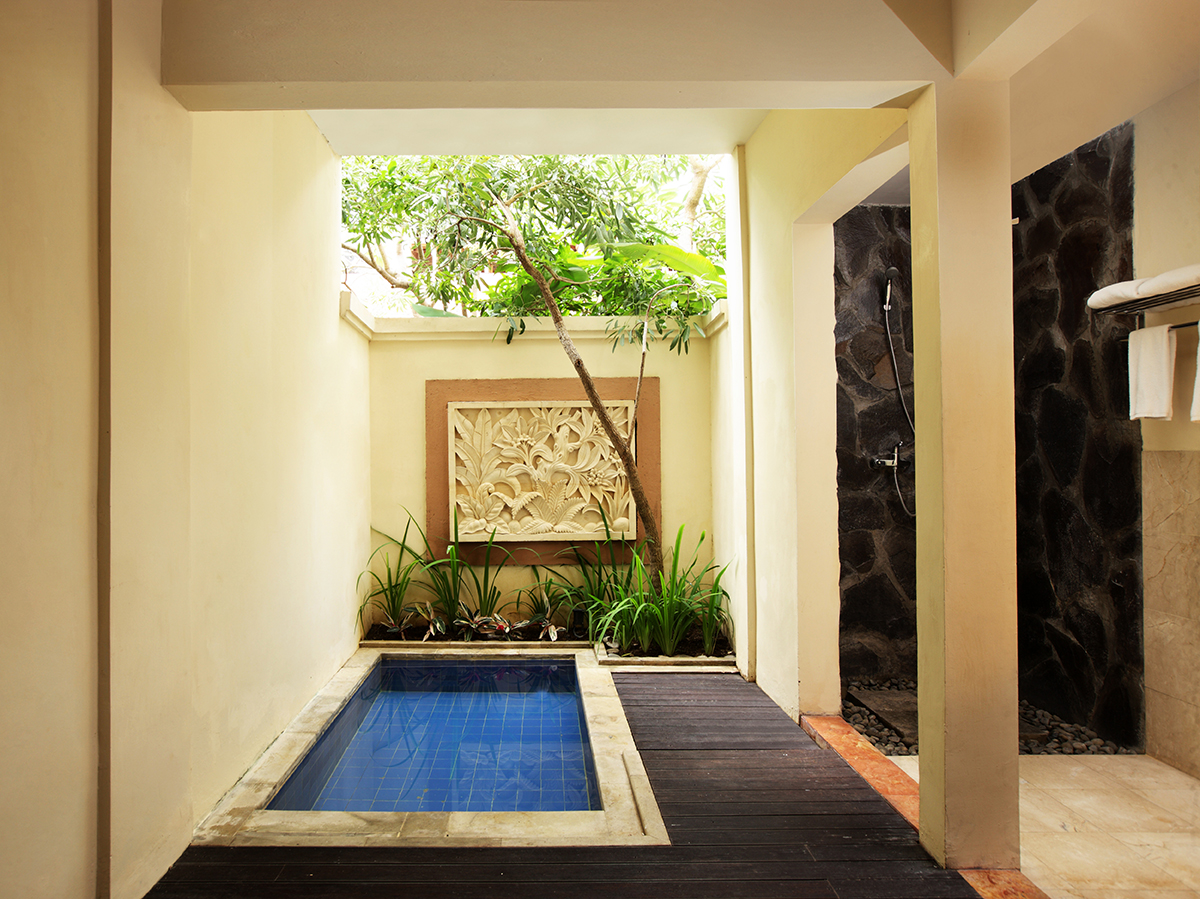
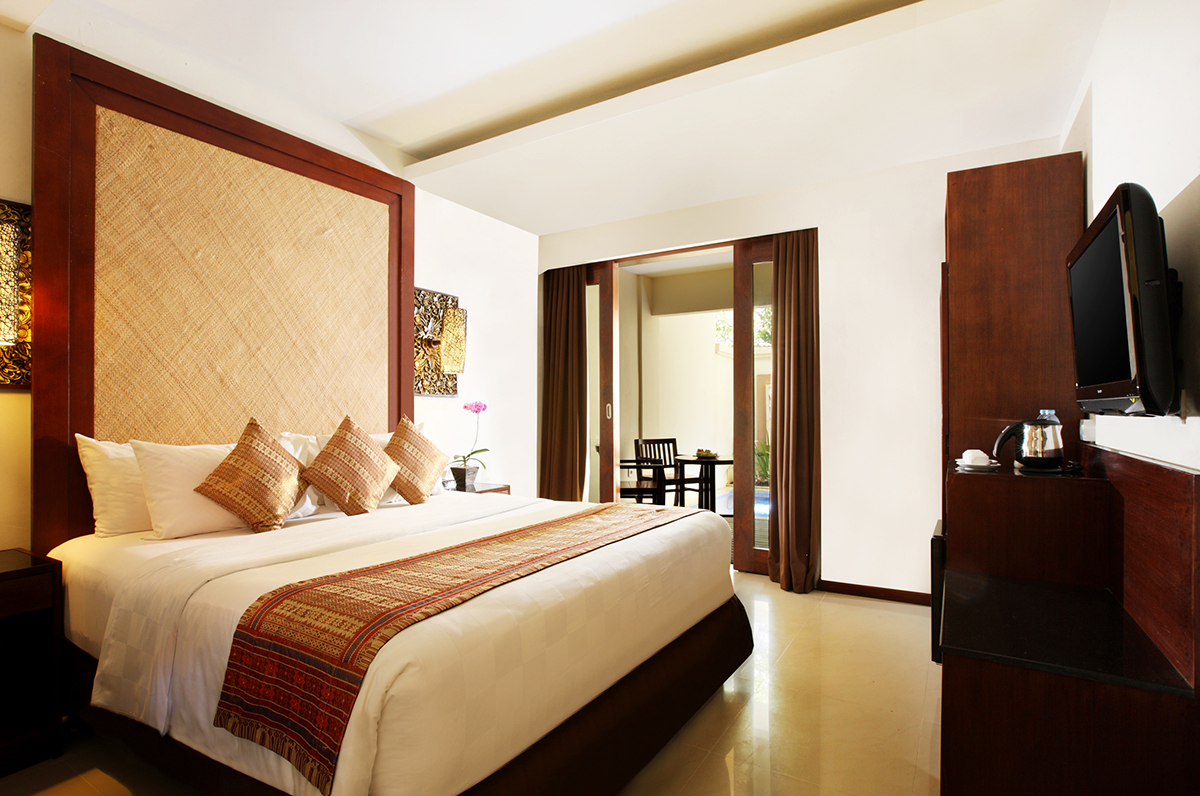
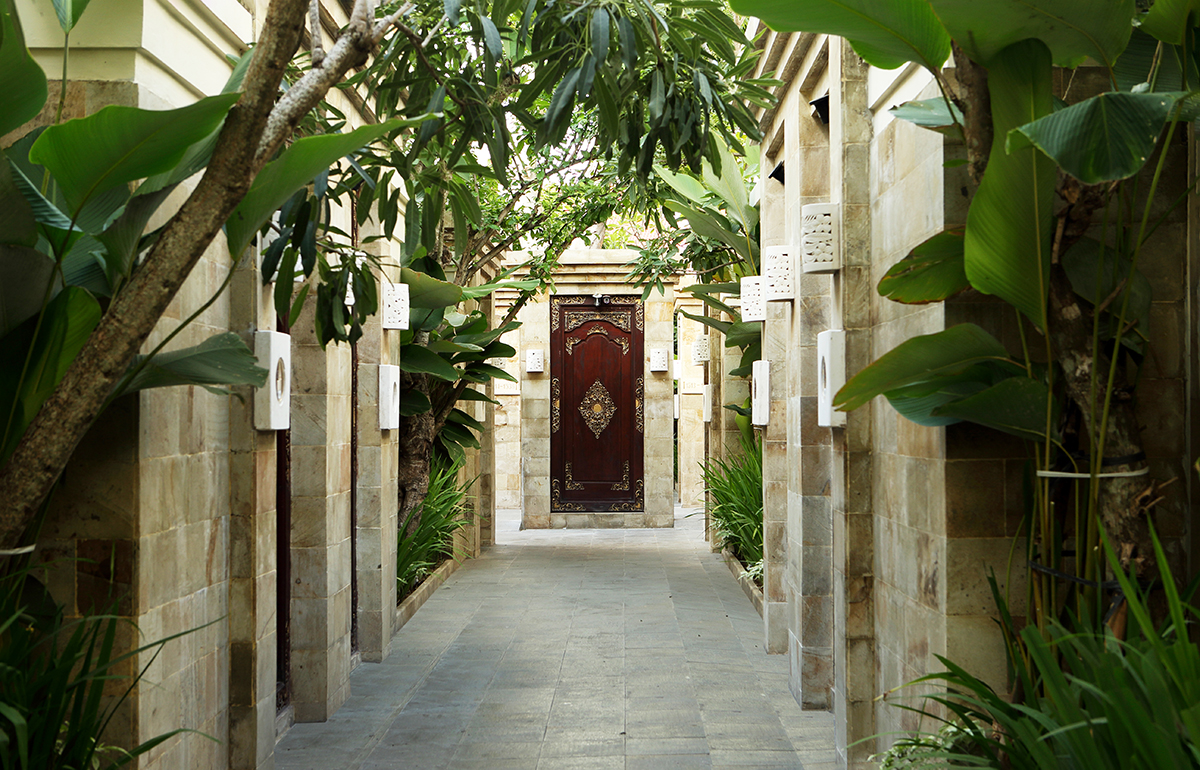
Tucked away in a quieter corner of Kuta yet only moments from Bali’s lively beaches, markets, and dining scene, Best Western Kuta Villa offers a softer, more relaxed interpretation of one of the island’s most energetic districts. Where golden sands meet the island’s ultimate energy. Nestled just steps away from the iconic Kuta Beach, Best Western Kuta Villa offers the perfect blend of modern comfort and tropical paradise. Designed with touches of traditional Balinese architecture and tropical landscaping, the property balances accessibility with a sense of retreat, where stone pathways weave through palm-shaded courtyards and garden spaces scented by frangipani. Private pool villas and open-air design elements enhance the feeling of a secluded escape, creating an atmosphere more reminiscent of Ubud’s calm than downtown Kuta’s bustle.
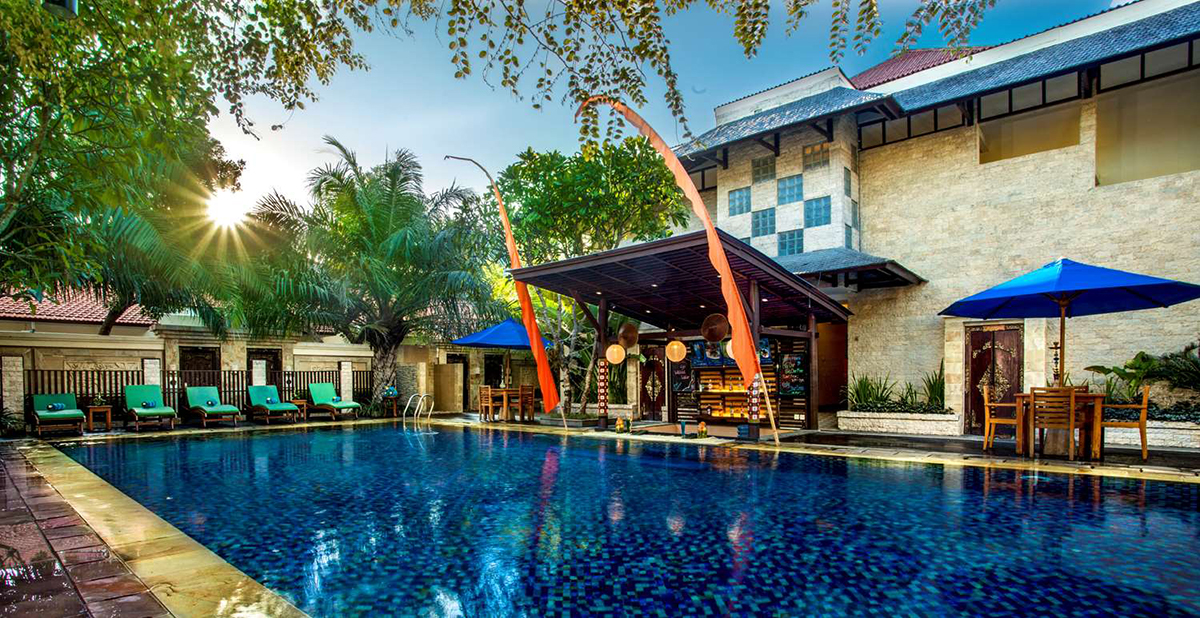
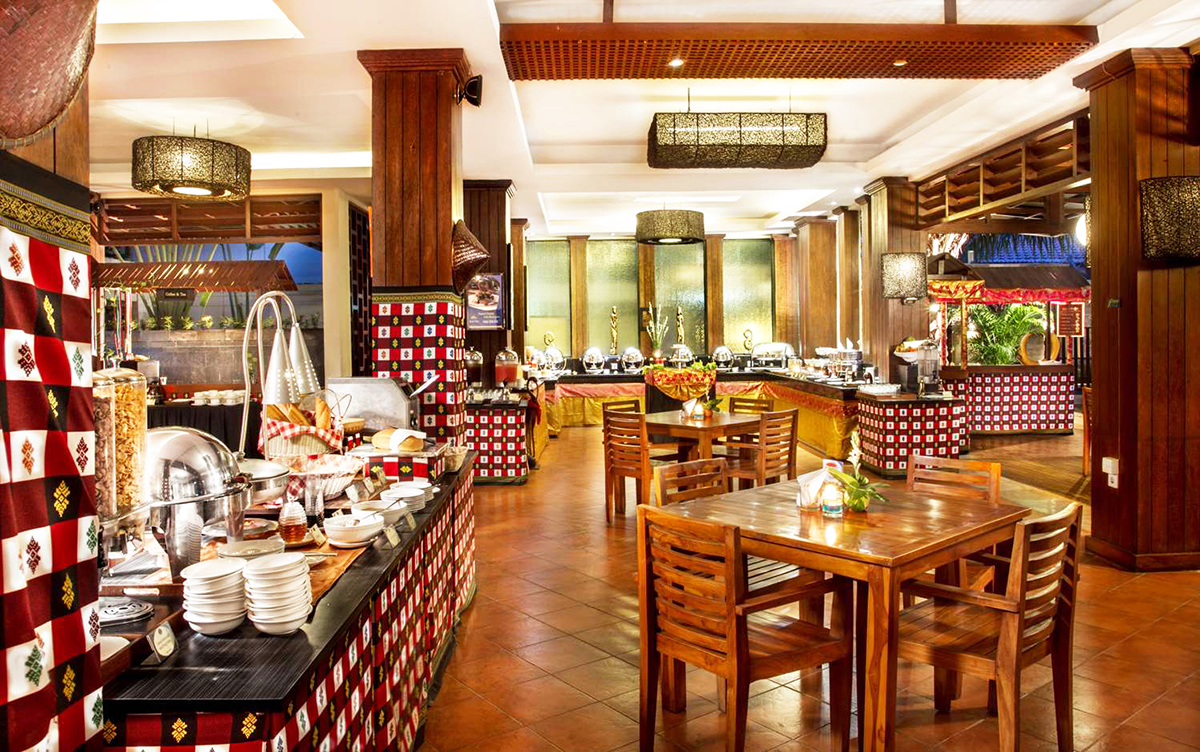
At the heart of the property, a large outdoor swimming pool surrounded by greenery becomes a natural gathering point, reflecting the relaxed rhythm of island life. Rooms are styled with warm wooden tones and contemporary comfort, layered with subtle Balinese textures that connect the interior to its surroundings. While Kuta’s shopping streets, beach clubs, and dining spots are only a short drive away, the villa itself maintains a noticeably slower pace, ideal for travellers who want to dip into Bali’s energy when they choose, then return to a more grounded, restorative setting. In this balance of access and escape, Best Western Kuta Villa becomes less of a stopover and more of a quiet pause within the island’s constant movement.
Address: Jl. Nyang-Nyang Sari No.2, Kuta, Bali 80361 – Indonesia
Tel: +62 881-0379-42186
Website: www.bestwesternasia.com
Instagram @bw.kutavilla